
 English
 Deutsch
 Español
 中文简体
中文简体



A prototype team working on flexible temperature sensors recently faced a familiar problem: the off-the-shelf silver paste they depended on cracked when the polyimide substrate bent, and the curing step required 150°C, which ruled out the heat-sensitive film they wanted to use. They needed a conductive material that could be printed, cured at a lower temperature, and still hold stable resistance through hundreds of flex cycles. Their search led them to printing conductive ink as an alternative to traditional etching and silver paste dispensing.
The good news is that conductive ink has moved beyond laboratory experiments. Modern formulations are used in membrane switches, RFID antennas, heated seats, stretchable medical electrodes, and interconnects for smart packaging. The practical challenge is not finding an ink that works in a demo but selecting one that survives manufacturing and field conditions. Conductive ink is a composite system, and its final performance is determined by a chain of interacting choices: filler type, carrier chemistry, substrate surface energy, printing tool, and post-print sintering or curing.
Content
What Defines a Conductive Ink Formulation?
A conductive ink consists of three functional parts: a conductive filler, a carrier phase, and a set of additives that control wetting, rheology, shelf life, and adhesion. The filler provides the electron pathway. The carrier acts as the vehicle that keeps the filler dispersed and transfers it onto the substrate. After printing, the carrier is removed by evaporation, UV curing, or thermal sintering, leaving behind the conductive network.
The most common fillers are silver, copper, carbon, and conductive polymers. Silver is the reference material because its bulk resistivity is low and its oxidation behavior is manageable. Copper is less expensive but needs an inert or reducing environment during sintering to prevent oxide formation. Carbon is low cost and mechanically flexible but has higher sheet resistance. Conductive polymer systems are rare in industrial production due to long-term stability concerns, but they are used where optical transparency or stretchability matters.
Choosing a filler is only one part of the problem. The solvent system determines whether the ink can be printed on a particular substrate without damaging it. For example, an inkjet ink tuned for PET film must have a specific surface tension and viscosity range, while a screen-print ink intended for textile transfer can be a thick paste with a completely different behavior.
Common Types of Printing Conductive Ink
Industrial users typically classify conductive inks by the printing process and the filler chemistry. Below is a practical summary of the most common categories and their trade-offs.
| Type | Typical Sheet Resistance | Curing / Sintering | Key Strengths | Key Limits |
|---|---|---|---|---|
| Silver nanoparticle ink | 0.01–1 Ω/sq (after sintering) | 120–200°C, 10–30 min | Excellent conductivity, fine feature resolution | High cost, brittle on flexible substrates |
| Silver flake paste | 10–100 mΩ/sq | Thermal or UV | Good conductivity, thick-film capability | Requires high solids content, limited line resolution |
| Copper nanoparticle ink | 0.1–5 Ω/sq | 150–250°C under N₂ or H₂ | Lower material cost than silver | Oxidation sensitivity, needs controlled atmosphere |
| Carbon or graphite ink | 50–500 Ω/sq | Low-temperature drying | Flexible, inexpensive, chemically inert | High resistance, not suitable for power delivery |
| Ionic liquid or electrolyte-based systems | Varies by formulation | Solution processing | Wide electrochemical window, can improve adhesion | Not a replacement for metals in high-current paths |
In production, the choice often depends on whether the printed conductor is required to carry signal, deliver power, or serve as a heater element. Signal lines can tolerate higher sheet resistance, so carbon inks or copper inks are considered. Power paths and high-frequency antennas usually demand silver or silver-coated particles. In some hybrid designs, only the critical circuit element uses noble metal while the rest of the conductive traces use lower-cost materials.
Printing Methods and Process Considerations
The same conductive ink behaves differently when printed with an inkjet head, a stencil, or a rotary screen. Viscosity and particle size are the first parameters a process engineer needs to match to the chosen printing equipment.
Inkjet Printing
Inkjet is attractive for rapid prototyping and low-volume production because it is a non-contact, additive method. It offers fine line widths down to 50 µm or better. The ink must be formulated to a viscosity typically below 20 cP, and the particle size distribution has to be narrow enough to avoid nozzle clogging. Conductive silver inks for inkjet are often metal nanoparticle dispersions that need sintering after deposition to fuse the particles into a continuous film.
Screen Printing
Screen printing remains the workhorse for membrane switches and flexible heaters. It uses a thick paste with high solid loading, often 50–70% by weight, and a viscosity range of 1,000 to 10,000 cP. Because the paste is squeegeed through a mesh, the printed film can be 5–20 µm thick, which helps achieve low resistance. Screen printing allows the use of flake-shaped silver particles that pack well and form conductivity with less sintering.
Gravure, Flexo, and Slot-Die Coating
For high-volume roll-to-roll production, gravure and flexographic printing offer high speed and consistent coating weight. Slot-die coating is common for uniform thin layers. These methods are well suited to packaging, printed batteries, and large-area sensor arrays. The main design constraint is that the ink must dry or cure fast enough to support continuous web movement.
The base of the circuit also needs proper surface preparation. Corona or plasma treatment can raise the surface energy of plastics, allowing the ink to wet the substrate uniformly. A small change in surface energy can cause pinholing or edge flow, which in turn changes the resistance of the final trace. For this reason, process control—not just the ink formula—plays a major role in ensuring repeatable conductivity.
Where Ionic Liquids Fit in Conductive Ink Systems
Ionic liquids are salts that are liquid at or near room temperature. Their most relevant feature for conductive ink development is that they combine low volatility, tunable viscosity, and wide electrochemical stability. In printed electronics, they are not typically used as the primary conductive filler. Instead, they act as functional additives that change ink behavior in ways that improve processability or final performance.
One clear role is as a rheology modifier. Adding a small amount of an ionic liquid can lower the viscosity of an aqueous dispersion or affect the thixotropic behavior of a screen-print paste. This can help a formulator achieve the shear-thinning profile needed for consistent printing without increasing the volatile organic content. Another role is as an adhesion promoter. Some imidazolium-based ionic liquids interact with both the metal particles and the polymer substrate, reducing the contact angle and increasing the bond strength between the printed trace and the film.
Ionic liquids also offer a path to enhance the performance of printed electrochemical devices. In a printed gas sensor, for example, an ionic liquid can serve as the electrolyte phase, allowing the printed metal electrodes to function without a separate liquid electrolyte layer. This has practical implications for wearable biosensors and environmental monitors where leak-tight, solid-state construction matters.
For flexible circuits intended to operate under stress, the choice of additive can influence compressive and tensile behavior. Some ionic liquids act as plasticizers in the polymer matrix, allowing the conductive network to bend without cracking. This is analogous to how plasticizers are used in flexible PVC, but the ionic liquid brings ionic conductivity as well, which can help maintain a stable signal under mechanical deformation.
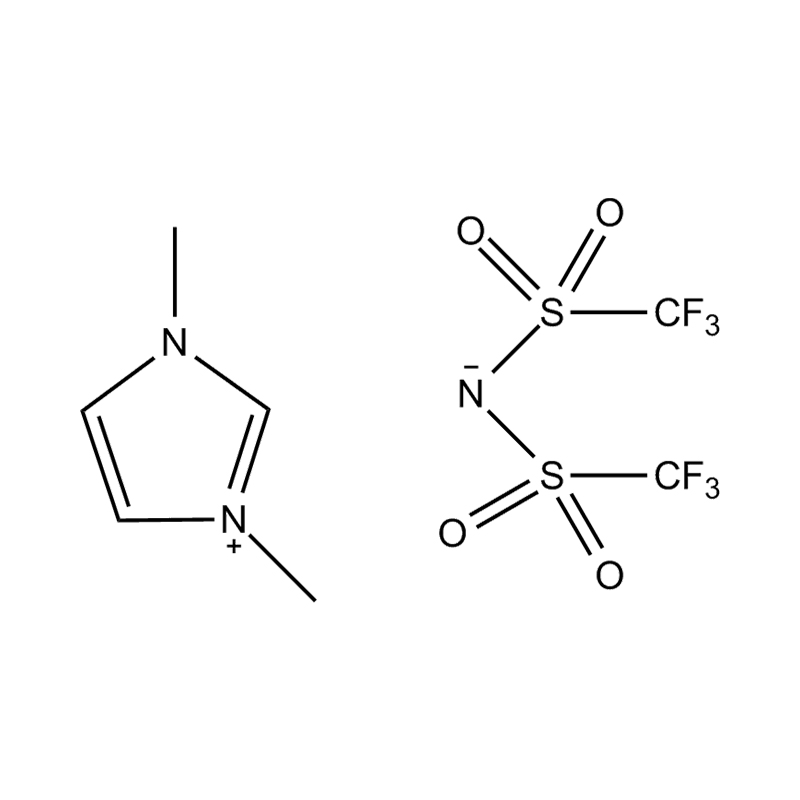
1-Ethyl-3-methylimidazolium bis(fluorosulfonyl)imide is an example of an ionic liquid that combines a low melting point with high ionic conductivity. In a conductive coating formulation, it might be used to adjust the dielectric response or to improve the electrode-electrolyte interface in a printed battery or supercapacitor structure. Its aromatic imidazolium cation can interact with the filler surface, potentially helping maintain a more uniform particle distribution during the drying step.
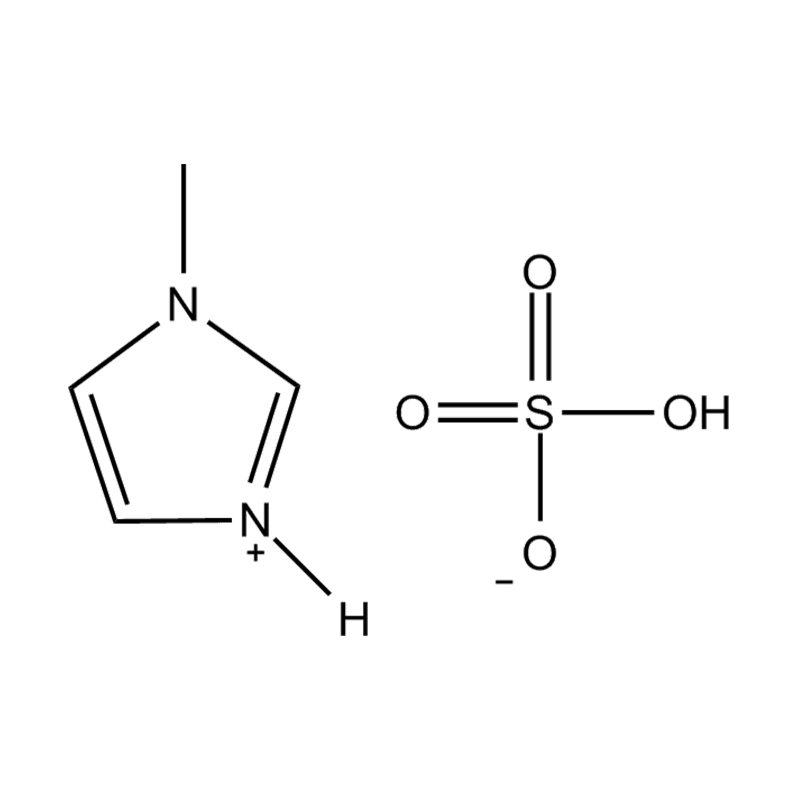
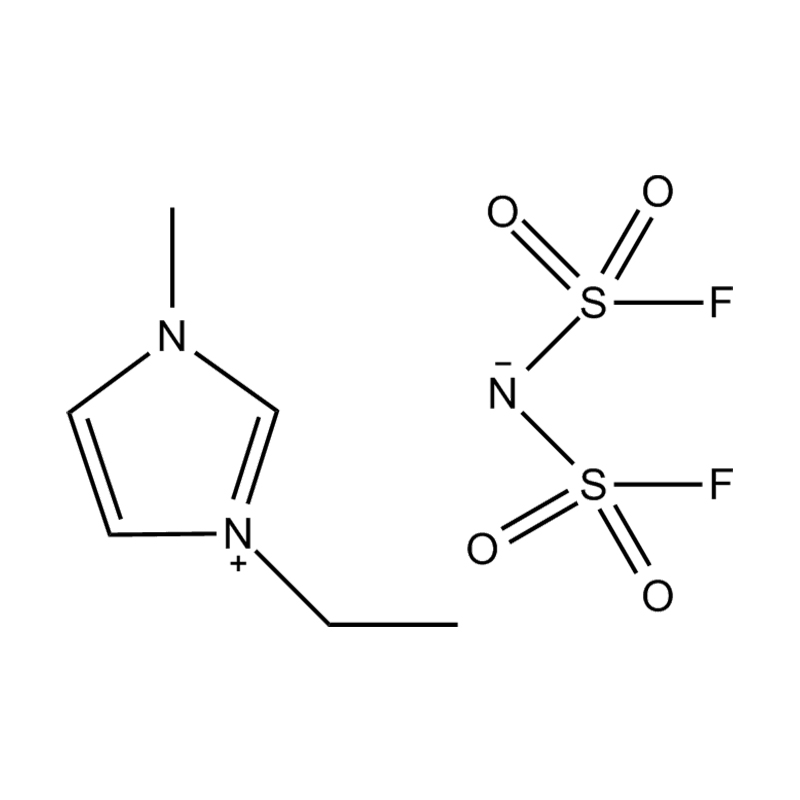 1-Ethyl-3-methylimidazolium bis(fluorosulfonyl)imideN-methylimidazolium hydrogen sulfateView Product →
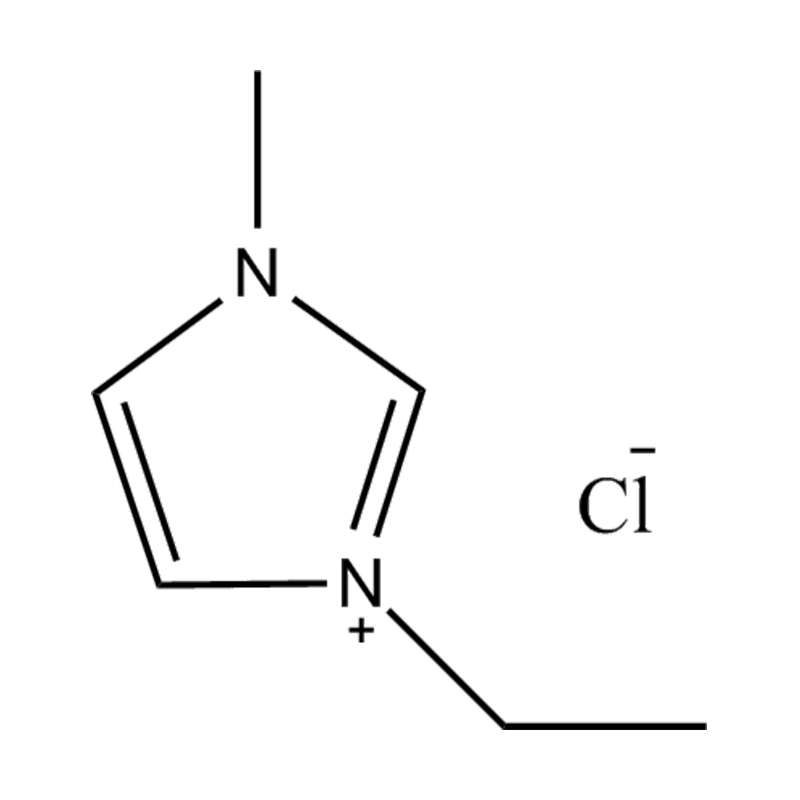
1-Butyl-3-methylimidazolium chloride is a classic choice for formulators who need to fine-tune the solvent polarity or modify the substrate wetting behavior. Its chloride anion is also a known alternative to organic acid additives in some metal surface treatments. When used at a few percent by weight, it can shift the zeta potential of the filler suspension and stabilize the dispersion against agglomeration.
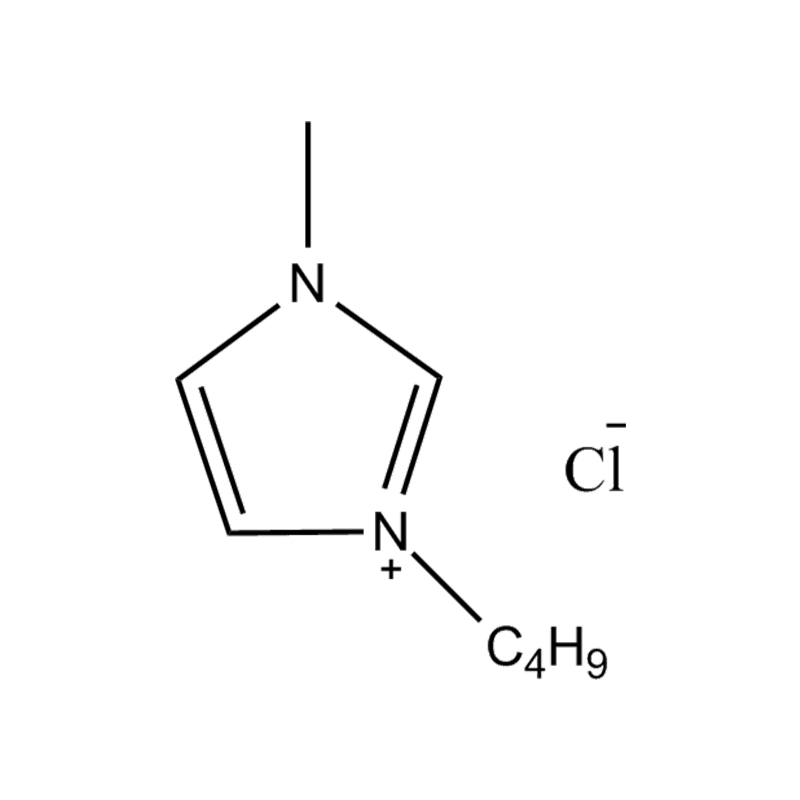 1-Butyl-3-methylimidazolium chlorideN-methylimidazolium hydrogen sulfateView Product →
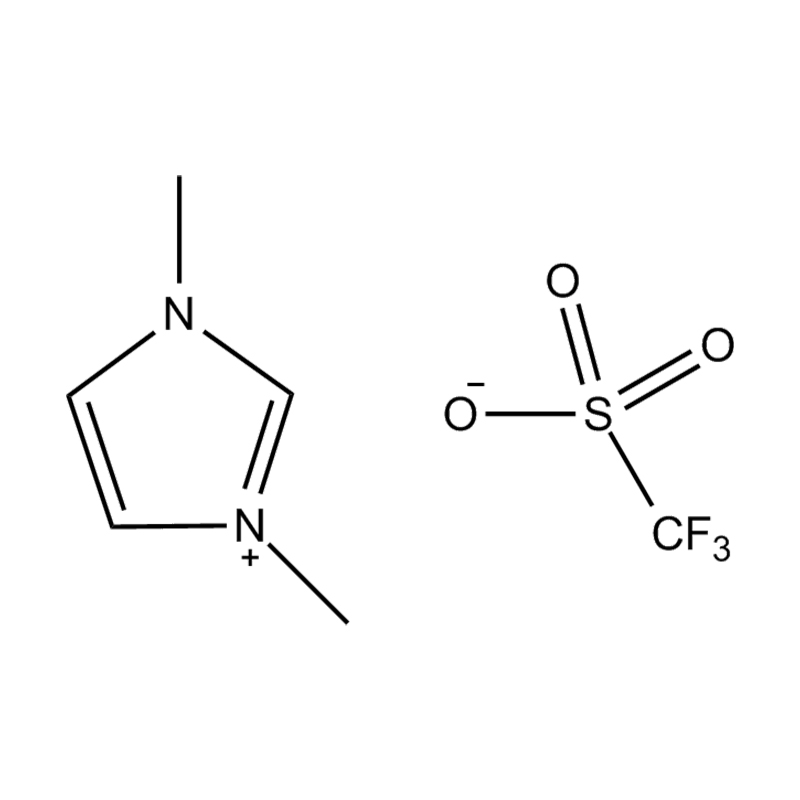
For hydrophobic systems, methyltributylammonium nonafluorobutanesulfonate offers a route to modify the ink surface without adding significant water absorption. It is a quaternary ammonium salt with fluorinated sulfonate, and its bulky structure can contribute to reduced moisture uptake. In environments where the printed circuit must survive high humidity without varying its surface resistance, such an additive may prove valuable.
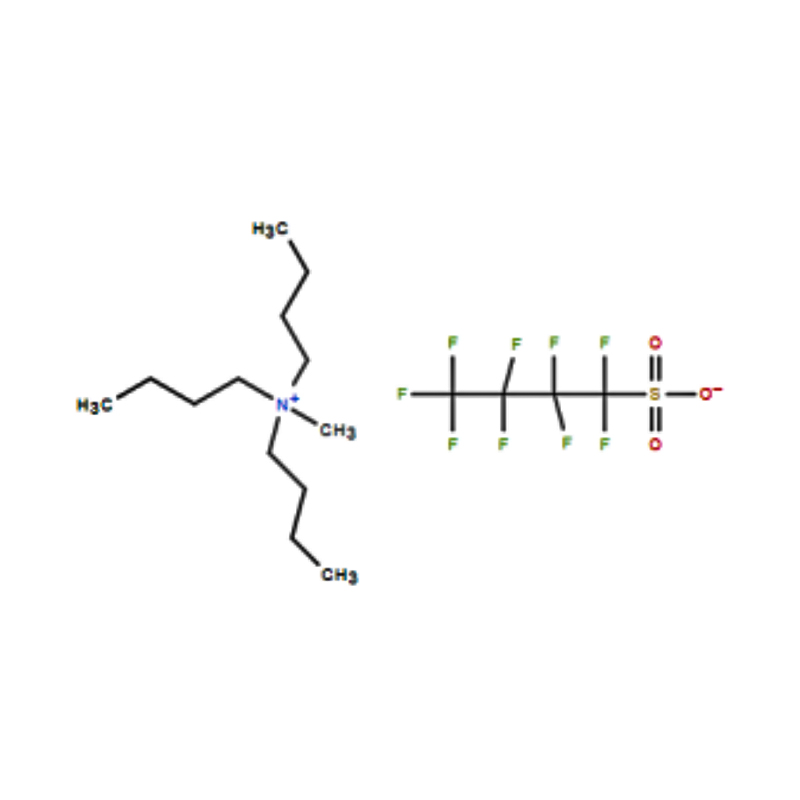 Methyltributylammonium nonafluorobutanesulfonateTBMA perfluorobutanesulfonate is an ionic liquid with the chemical name TBMA perfluorobutanesulfonate. It is a colorless, transparent liquid that is stable at room tem...View Product →
It is important to state a practical limitation: ionic liquids are not a substitute for a conductive metal. They cannot lower the resistance of a silver-filled ink by themselves. They do, however, offer a route to solve formulation challenges related to dispersion, wetting, and adhesion, particularly in flexible or stretchable electronics. Any additive must be screened with the final application in mind, because an ionic liquid that improves wetting could also reduce the conductivity of the dry film.
Performance Benchmarks and Selection Criteria
Before committing to a chemistry, a buyer should define the minimum performance requirements and the tolerance bands. The following questions usually clarify the real requirements.
- How low must the resistance be? The answer determines whether silver is required or whether copper or carbon can be considered.
- What is the lowest acceptable bending radius? If the circuit will be folded repeatedly, a brittle silver nanoparticle film can fail at the outer strain layer.
- Which curing temperature is available? Substrates such as PET allow only up to 150°C, while some PI films can sustain 250°C.
- Is the solvent system compatible with cleanroom or humidity constraints? Solvent-based inks may require special exhaust, while water-based inks can dry slowly on non-porous substrates.
- What is the expected production volume? High-volume R2R runs justify a different ink formulation than a small batch produced on a flatbed printer.
In many cases, a hybrid approach works best. A manufacturer of flexible heaters might use silver flake paste for the main conductive tracks and carbon ink for the resistive or sensing elements. The same manufacturer might add an ionic liquid to the silver paste to improve adhesion to a low-energy substrate, or to reduce the sintering temperature needed for a particular polyimide grade.
Table 2 summarizes the procurement risks associated with each ink family. These are the failure modes that show up only after the ink has been integrated into a product.
| Ink Family | Risk | Mitigation |
|---|---|---|
| Silver nanoparticle | Screen clogging, high cost | Filter the ink before loading, purchase bulk supply |
| Silver flake | Settling, limited resolution | Implement agitation, use roller or shaker |
| Copper | Oxidation, impurity in sintering atmosphere | Use nitrogen purging, store in sealed containers |
| Carbon | High and variable sheet resistance | Screen quality, batch sampling |
Applications in Real-World Manufacturing
One growing area is printed electrodes for physiology monitoring. A disposable medical patch needs an electrode that is flexible, skin-safe, and amenable to low-cost printing. In this application, silver ink is used for the conductor and the supporting sensor structure is based on a combination of carbon and other additives. The surface resistance must stay stable even as the patch stretches with the patient's movement.
Another installation is found in smart packaging. A conductive trace printed on a paper or film substrate can act as a heating element or an antenna for inventory tracking. The low cost of carbon inks is attractive here, but packaging converters also need a final barrier layer to protect the printed feature from humidity. A hybrid design might use silver on the antennas and carbon for the anti-static or moisture-sensing areas.
The automotive industry now prints an electrically conductive circuit directly on textured or curved components. For example, a seat occupancy sensor can be printed on a composite fabric that cannot tolerate harsh solvent exposure. Here, an ink that dries quickly at a low temperature and can tolerate repeated mechanical compression is a key requirement. The addition of an ionic liquid may help reduce the curing temperature and improve wetting on the woven fiber.
Manufacturers that handle contamination-sensitive processes also use conductive inks as an antistatic layer. This is relevant for markets that require controlled static dissipation on label stock or protective film. The printed conductive pattern is usually fine enough to be barely visible, and the electrical properties are targeted toward a surface resistivity range of 10^6 to 10^9 Ω/sq. The same additives that improve wetting in a conductive circuit trace can also help an antistatic coating reach its target value reliably.
Our application examples show how a specialized additive supplier approaches these industrial challenges, from antistatic coatings to separation agents. In each case, the core principle remains: understand the end-use stress before selecting an ink system, and treat additives as part of the design equation, not as a last-minute fix.
For a deeper technical perspective on additive chemistry and industrial synthesis, our guide to ionic liquid applications offers practical considerations for manufacturers who want to validate a novel formulation before scale-up. The guide discusses how conductivity, thermal stability, and process compatibility interact when moving from laboratory proof-of-concept to continuous production.