
 English
 Deutsch
 Español
 中文简体



CNTs is one of those abbreviations that travels faster than the term behind it. On a purchase requisition, in a lab notebook, or in a message that ends with "CNT's" — the topic is almost always the same: carbon nanotubes, what they are, what they can do, and which grade belongs in a given process. What follows is a plain-language tour of that landscape, written from the perspective of people who supply the chemistry that surrounds nanotubes rather than the tubes themselves.
Our own experience sits on the ionic-liquid side of the table. Zhejiang Ldet Energy Technology has been developing and producing ionic liquids in Deqing, Zhejiang since 2009, and a fair number of customer conversations eventually turn to solids — pigments, fillers, and quite often carbon nanotubes. Much of what follows comes out of those conversations, checked against the published literature.
Content
- 1 What Carbon Nanotubes Actually Are
- 2 The Properties People Actually Buy
- 3 How They Are Made, and Why Purity Is Never Free
- 4 Where CNTs Earn Their Place in Industry
- 5 Dispersion Is Where Most CNT Projects Live or Die
- 6 CNTs in Energy Storage and Beyond
- 7 Safety and Handling: A Fair Conversation
- 8 Specifying a Grade: Questions Worth Asking
What Carbon Nanotubes Actually Are
Strip away the superlatives and a carbon nanotube is easy to describe. Take a single sheet of graphene — one layer of carbon atoms arranged in hexagons — and roll it into a seamless cylinder. The direction in which the sheet is rolled, its chirality, decides whether the resulting tube conducts like a metal or behaves like a semiconductor. That one detail explains why the same family of material turns up both as a commodity conductive additive and as a research-grade component in nanoelectronics.
In practice, buyers meet three families:
- Single-walled nanotubes (SWCNTs): one rolled sheet, typically 0.4–2 nm in diameter, with the highest property-per-weight figures and the highest price.
- Double-walled nanotubes (DWCNTs): a useful middle ground, more resistant to chemistries that would damage a single wall.
- Multi-walled nanotubes (MWCNTs): nested cylinders, commonly 5–50 nm across and far cheaper per kilogram.
Length matters as much as diameter. Commercial material runs from a few hundred nanometres to tens of micrometres, and the resulting aspect ratio — length divided by diameter — is what lets nanotubes form a conductive network at loadings well below one percent by weight.
The Properties People Actually Buy
Mechanical reinforcement, electrical conductivity and thermal transport are the three reasons nanotubes get specified. The table below gives an honest overview of what separates the two main commercial grades.
| Property | Single-walled (SWCNT) | Multi-walled (MWCNT) |
|---|---|---|
| Typical diameter | 0.4–2 nm | 5–50 nm, occasionally larger |
| Electrical character | Metallic or semiconducting, chirality-dependent | Predominantly metallic-like; outer wall dominates conduction |
| Tensile behaviour | Tens of GPa reported, modulus near 1 TPa | Lower per tube, still far above steel on a weight basis |
| Thermal conductivity | Very high along the axis | High, but limited by wall-to-wall transfer |
| Surface area (BET) | Often above 500 m²/g | Commonly 100–300 m²/g |
| Main cost driver | Purity and chirality control | Catalyst residues and dispersion quality |
Two caveats deserve emphasis. Every figure above is a range, not a specification, because any real powder is a distribution of diameters, lengths and defect densities. And almost none of these properties survive poor dispersion: a tight bundle of tubes behaves like a fleck of graphite, not like a nanotube.
How They Are Made, and Why Purity Is Never Free
Three routes dominate production. Arc discharge and laser ablation produce high-quality material in small quantities. Chemical vapour deposition, especially the floating-catalyst variant that runs continuously in a fluidised bed, accounts for most industrial tonnage because it scales.
As-grown material carries metal catalyst residues, amorphous carbon and graphitic particles. Purification by acid reflux, controlled oxidation or high-temperature annealing removes them, but each step costs something. Acid treatment shortens tubes, introduces carboxyl groups and raises defect density. That is not automatically a problem — oxidised tubes disperse more readily and can be covalently functionalised, which is often precisely what a formulator wants.
Where CNTs Earn Their Place in Industry
Conductive additives for lithium-ion electrodes are the largest single industrial use. At a fraction of a percent, nanotubes build long-range conductive pathways that carbon black cannot match, which matters for thick electrodes and for silicon-dominant anodes that swell during cycling.
Polymer composites come next: epoxy, rubber and engineering thermoplastics gain electrical conductivity, dimensional stability and reduced thermal expansion from modest loadings. Static dissipation is the quiet workhorse of the field, where a small addition takes a plastic from insulator to a surface that bleeds charge away safely — which is why formulators who work daily with antistatic agents for plastics, textiles and electronics keep nanotubes on the shelf beside the small-molecule options.
Coatings, transparent conductive films, thermal interface materials and sensors round out the picture. Nanotube-filled PET also appears in packaging, electronics and fibre; when those streams reach end of life, chemical recycling by glycolysis — the kind of route supported by PET degradation catalysts — becomes the practical way to recover monomer rather than landfill a composite.
Dispersion Is Where Most CNT Projects Live or Die
Van der Waals attraction pulls tubes together into ropes and bundles, and once bundled they are extremely hard to separate without damaging them. Ultrasonication works but shortens tubes and is difficult to scale. Surfactants help in water, yet the residue they leave behind usually degrades the very conductivity the customer was buying.
Why ionic liquids fit
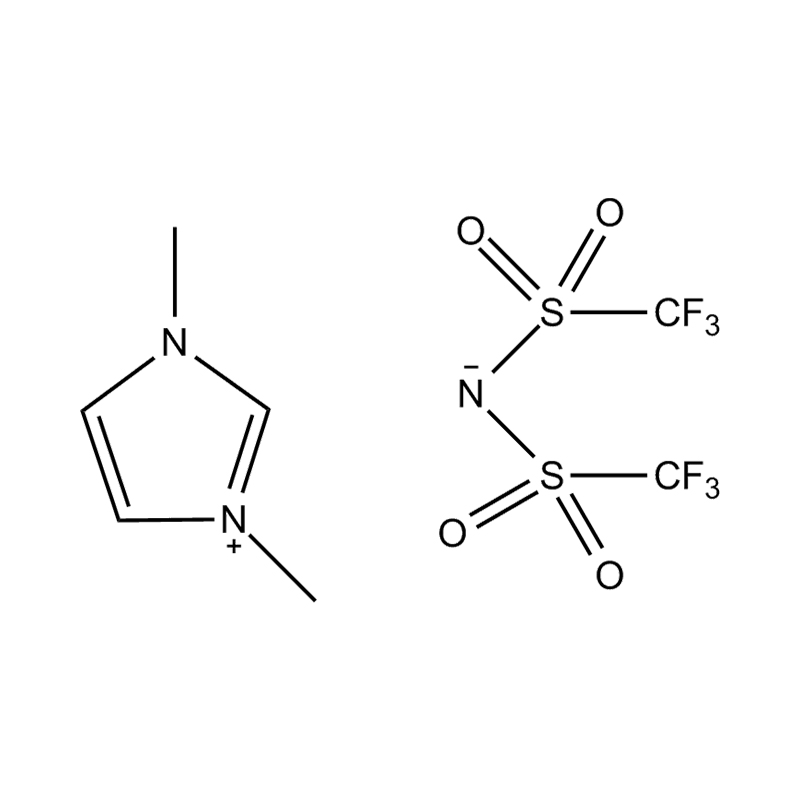
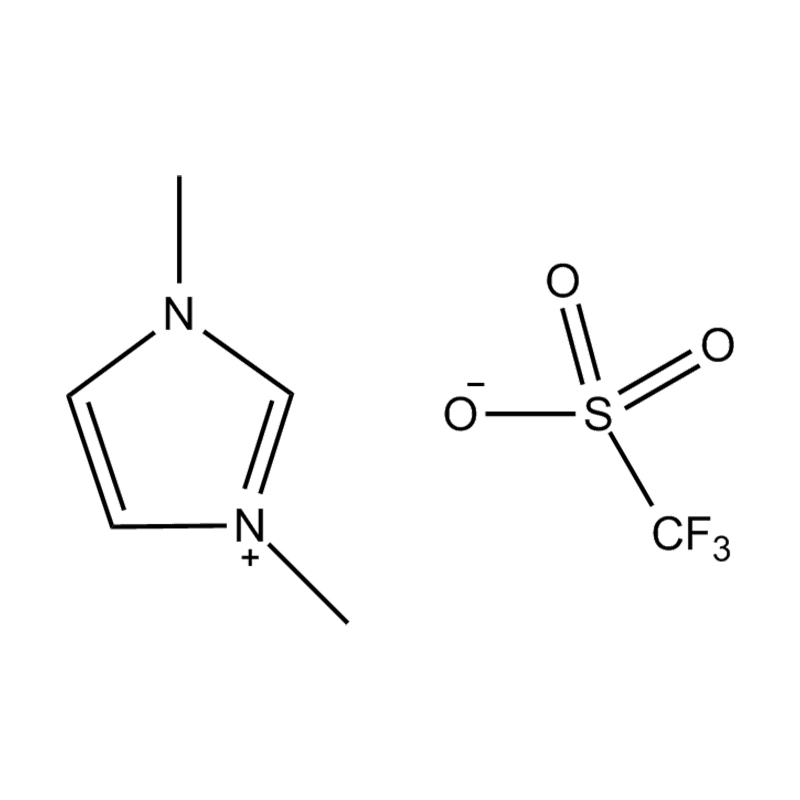
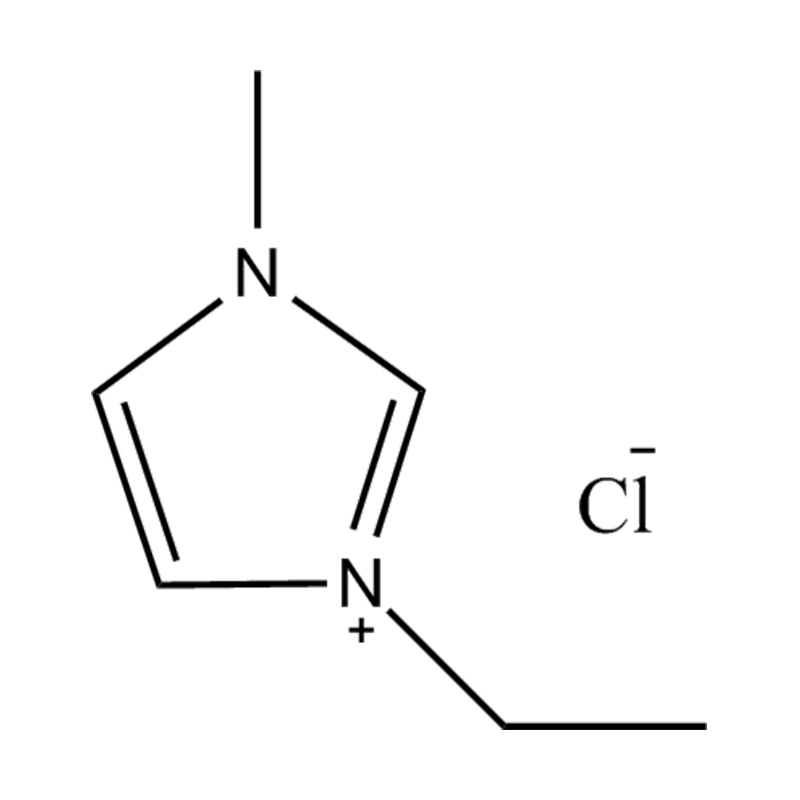
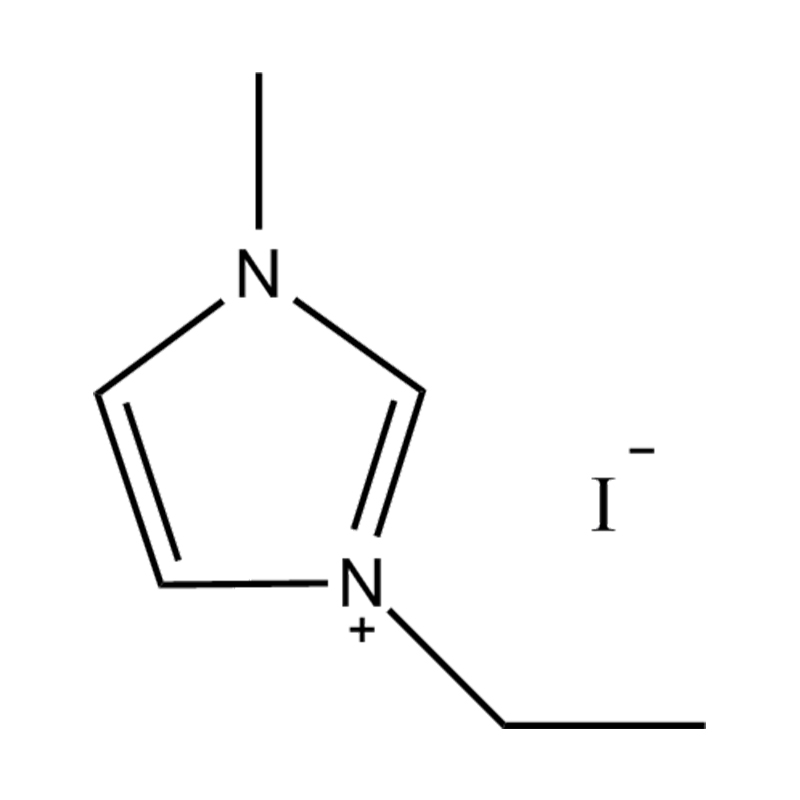
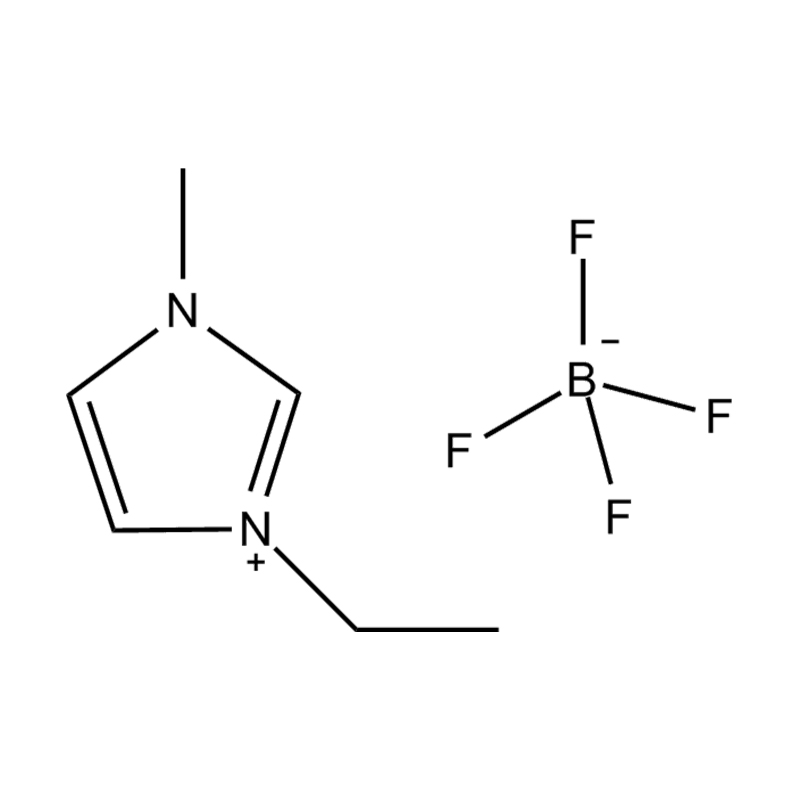
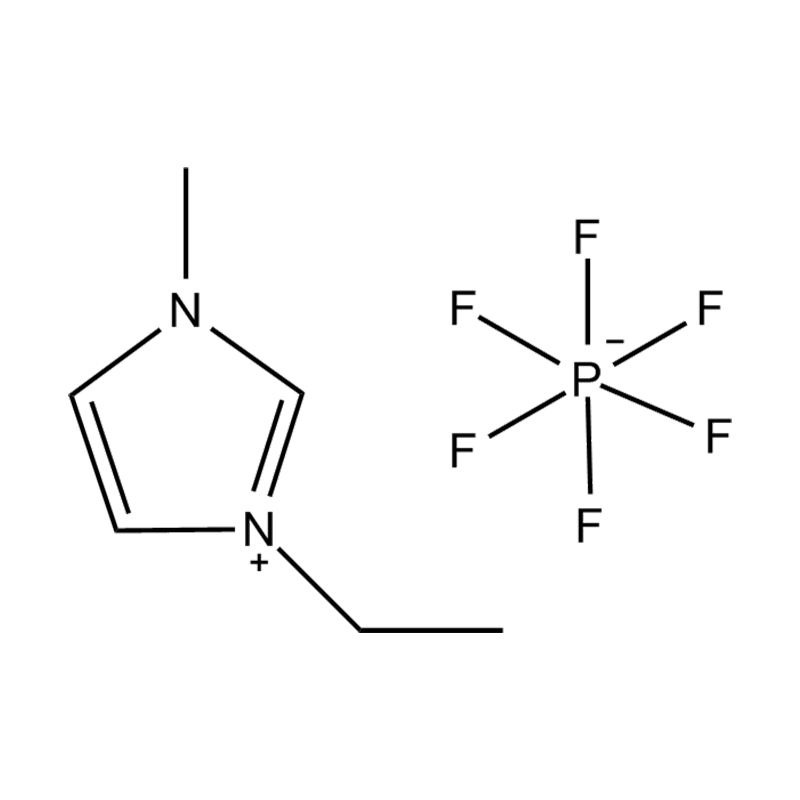
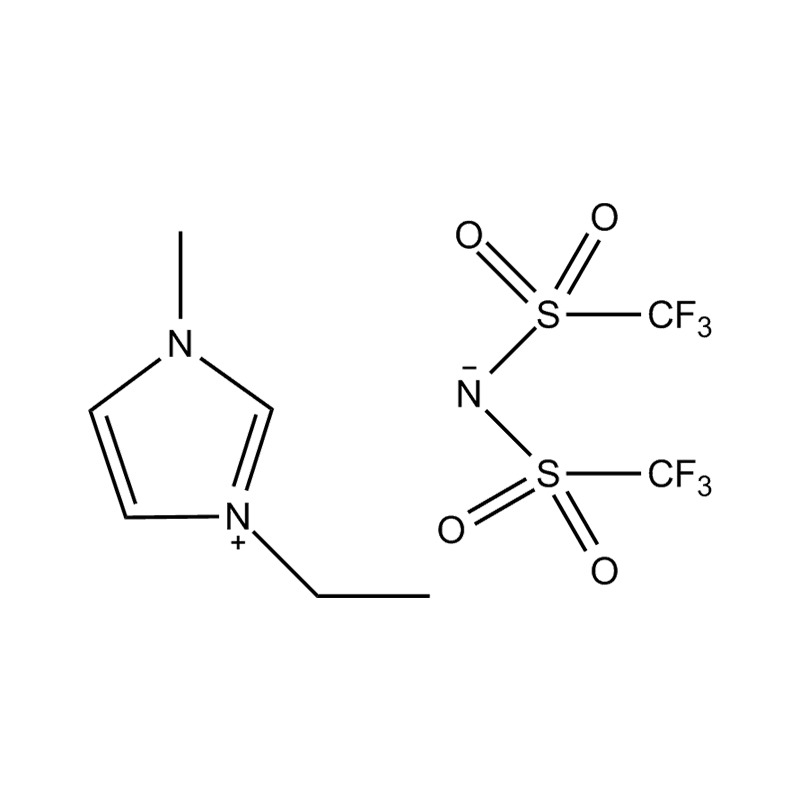
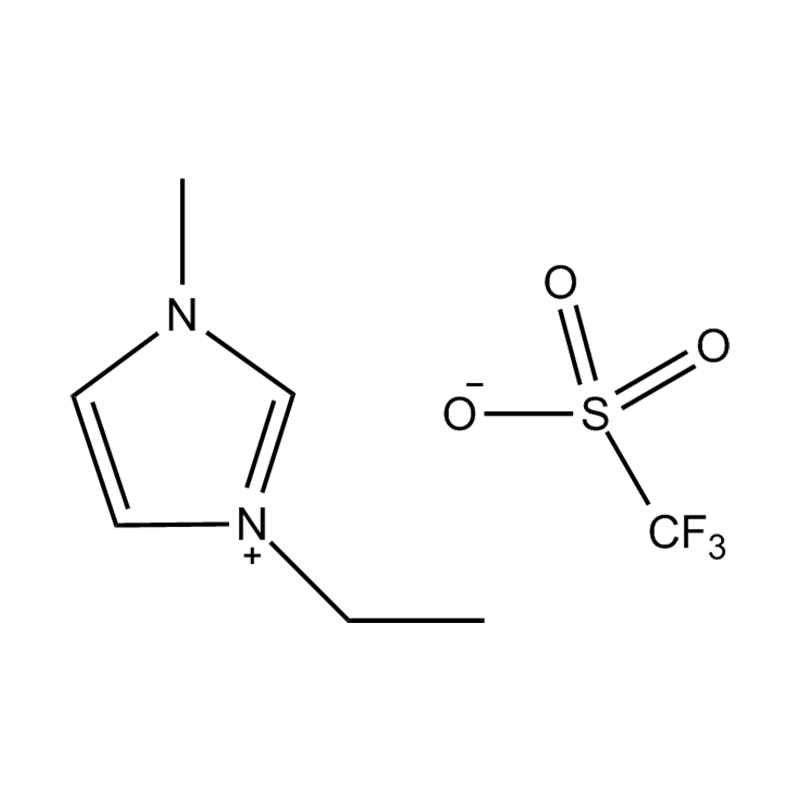
Imidazolium and pyridinium cations stack against the graphene surface through π–π interactions while the anion controls solubility in the surrounding medium. Because the cation–anion pair can be tuned almost freely, the same chemistry can act as a dispersant, as a conductive binder — the well-known bucky-gel approach — and, in supercapacitors, as the electrolyte itself. Negligible vapour pressure and good thermal stability are useful side benefits in a plant environment.
This is the part of the chain we know best. Over the years we have built a catalogue that spans imidazolium, pyridinium, pyrrolidinium, piperidinium, quaternary ammonium and phosphonium structures with a wide choice of anions, all produced at industrial scale rather than only in gram quantities.
 Industrial Ionic Liquids for Batteries, Catalysis and Scale-UpBrowse industrial-grade imidazolium, pyridinium, pyrrolidinium and related ionic liquids produced at scale for battery, catalysis and other industrial applications.View Product →
CNTs in Energy Storage and Beyond
In batteries, nanotubes rarely work alone. They sit inside a formulation that also includes binder, active material and often an electrolyte additive chosen to stabilise the interface at high voltage. Ionic liquids and their derived salts have become familiar names in that additive list, particularly where flammability or high-temperature operation is a concern.
If your project pairs a nanostructured electrode with a demanding electrolyte, it usually pays to source both from a supplier who understands how they interact rather than assembling the system from unrelated catalogues.
 Lithium Electrolyte Additives for Interfacial ControlExplore ionic-liquid additives selected by cation and anion for SEI formation, interfacial resistance, thermal stability and cycle life in lithium batteries.View Product →
Safety and Handling: A Fair Conversation
Nanotubes are fibre-like, and some rigid, long, biopersistent grades have shown asbestos-like effects in animal studies. That does not make every CNT dangerous, but it does mean the physical form matters: length, rigidity, entrainment in dust and the presence of metal catalysts all influence the hazard profile. Many jurisdictions still lack a harmonised classification, so customers increasingly ask for documentation that goes beyond the label.
Practical controls that have become standard in handling areas include:
- Closed transfer and dust suppression when weighing powders
- Local exhaust ventilation at mixing and milling stations
- Respirators and dedicated PPE for operators handling dry material
- Pre-dispersed masterbatches or pastes to reduce airborne dust entirely
- Waste streams kept separate from general plant refuse
Specifying a Grade: Questions Worth Asking
Whether you are buying nanotubes or the ionic liquid that will help you disperse them, the same short list separates a workable supplier from an expensive lesson:
- What is the residual metal catalyst content, and how is it measured?
- What are the diameter and length distributions, not just the averages?
- Is the material surface-functionalised, and with what groups?
- How does it behave in my actual matrix — solvent, resin or electrolyte?
- Can batch-to-batch consistency be demonstrated with historical data?
- What safety documentation accompanies the shipment?
Custom chemistry is often the honest answer to the dispersion question. Our own custom synthesis line exists because a customer's resin system rarely matches a catalogue assumption.
 Customized Ionic Liquids for Application-Specific FormulationsReview customizable imidazolium and ammonium ionic liquids with varied alkyl chains and anions for battery, catalysis, extraction and other industrial formulation needs.View Product →
Carbon nanotubes have been "the next big thing" for long enough that the hype has worn thin, and what remains is genuinely useful: a family of materials that does specific jobs better than the alternatives when — and only when — they are dispersed properly. Most of the hard work happens before the material reaches the mould or the electrode, in the chemistry that separates one tube from its neighbour. That is quiet, unglamorous work, and it is the part we have chosen to spend our time on since 2009.