

 English
 Deutsch
 Español
 中文简体
中文简体


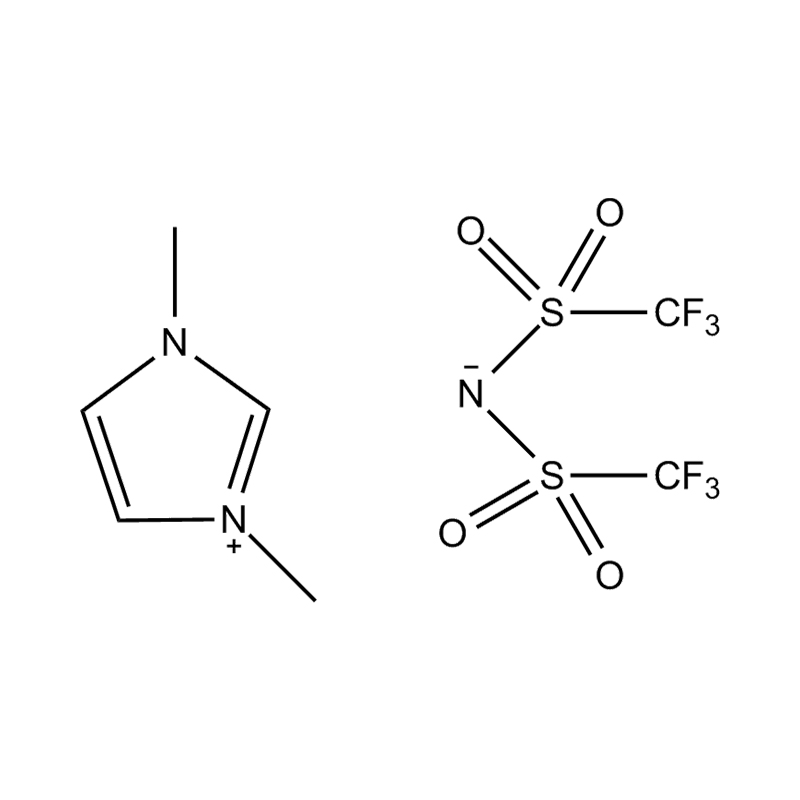
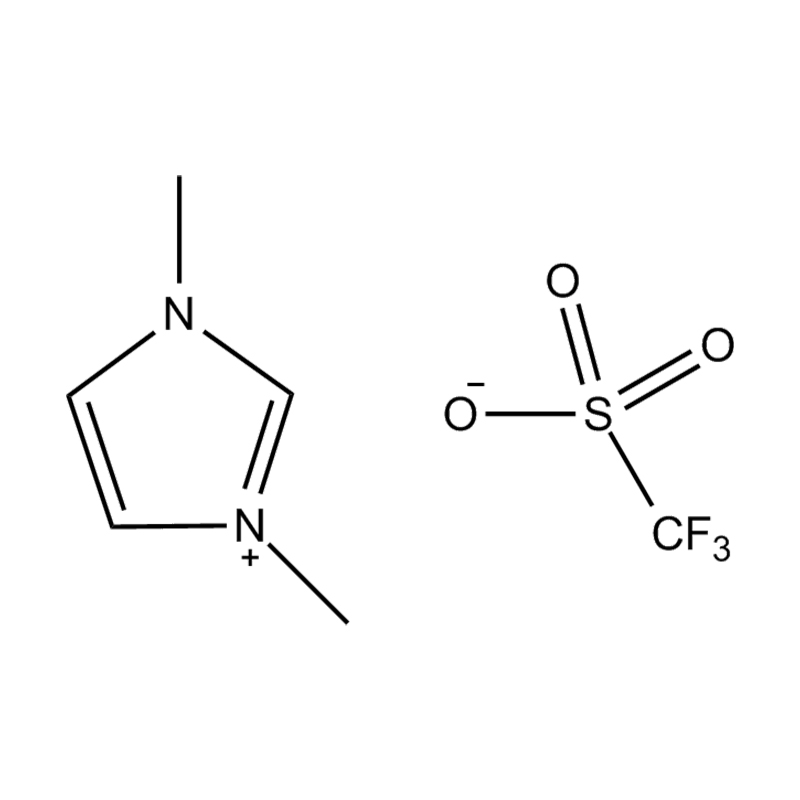
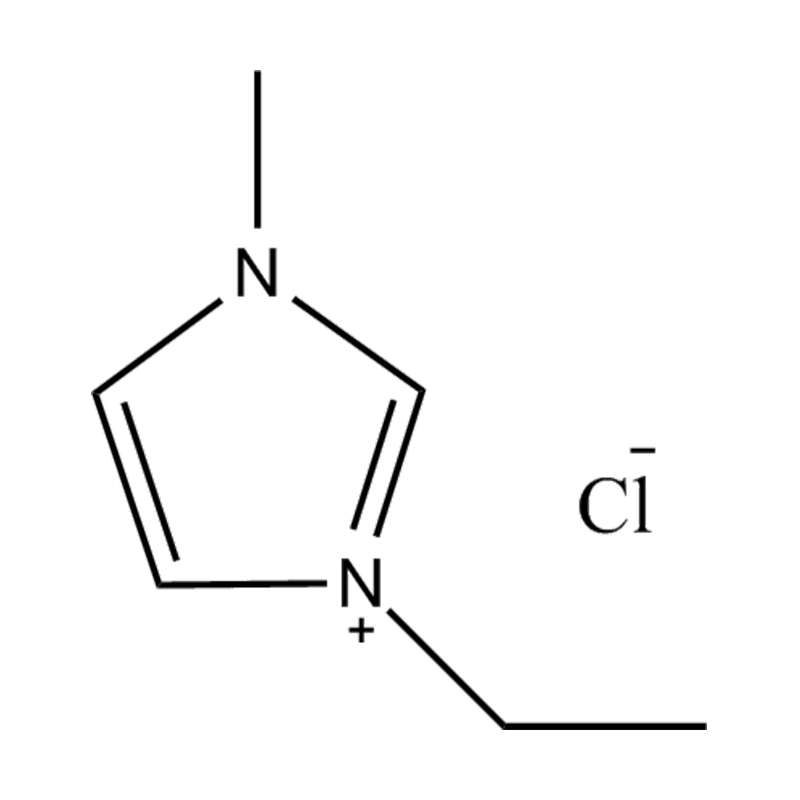
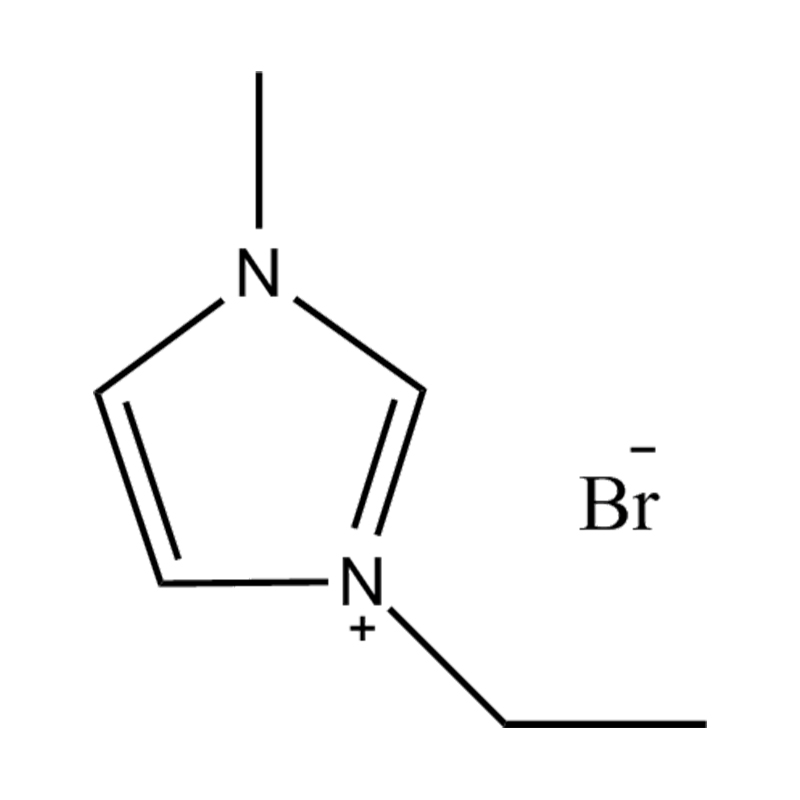
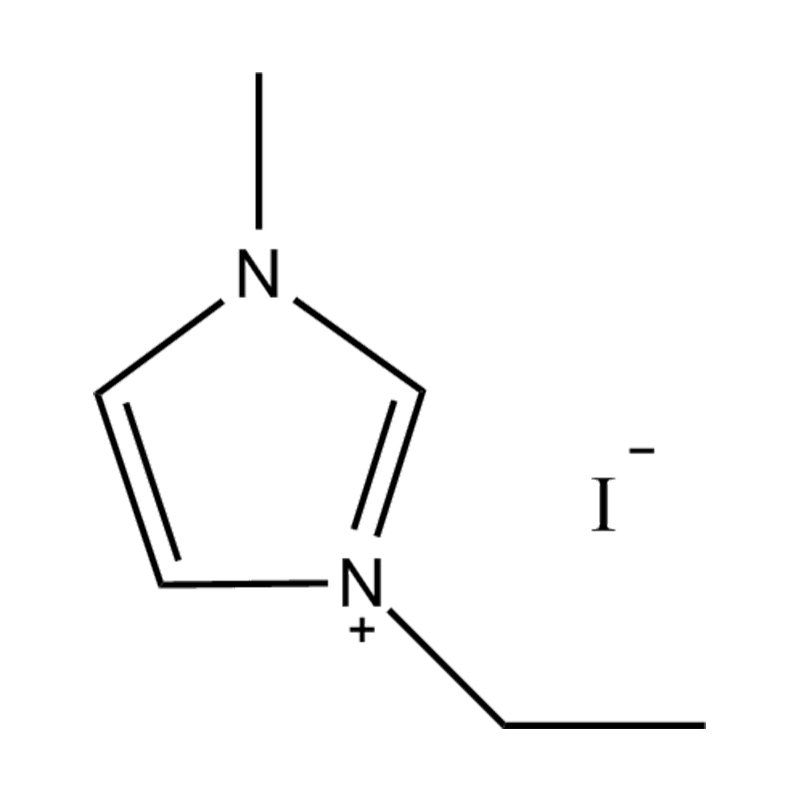
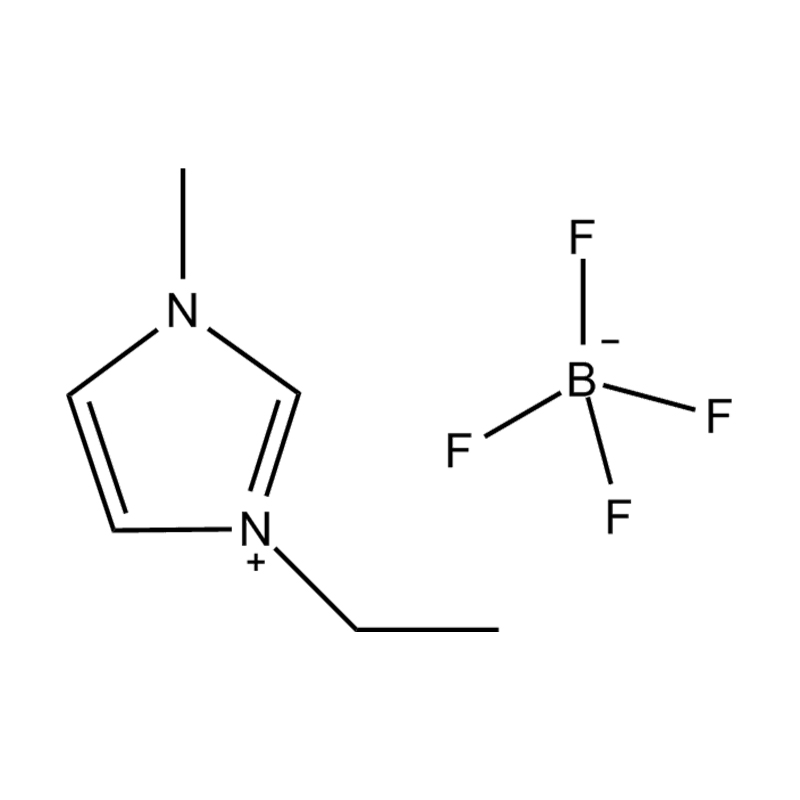
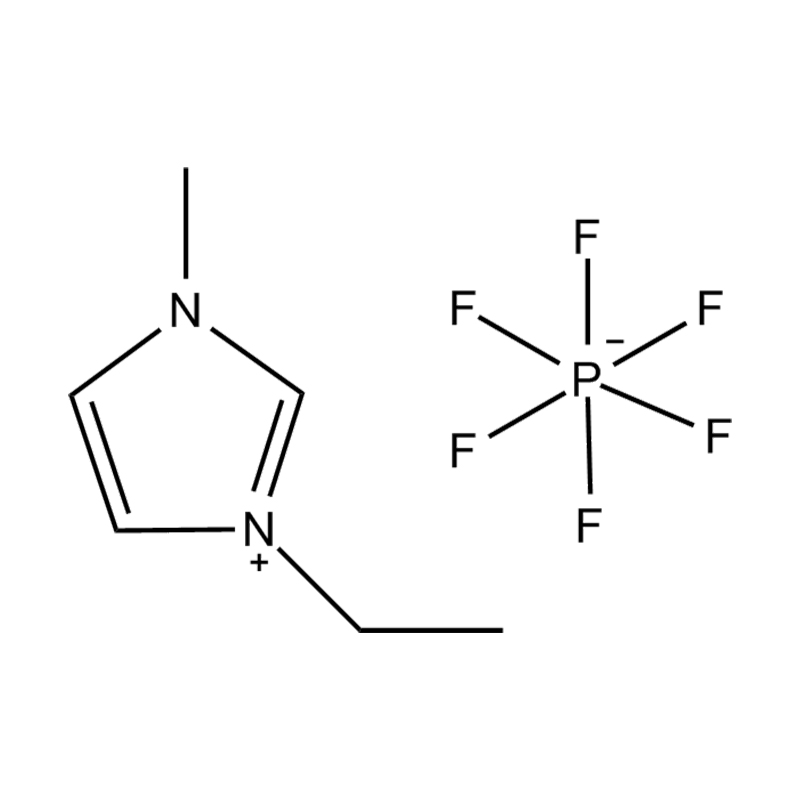
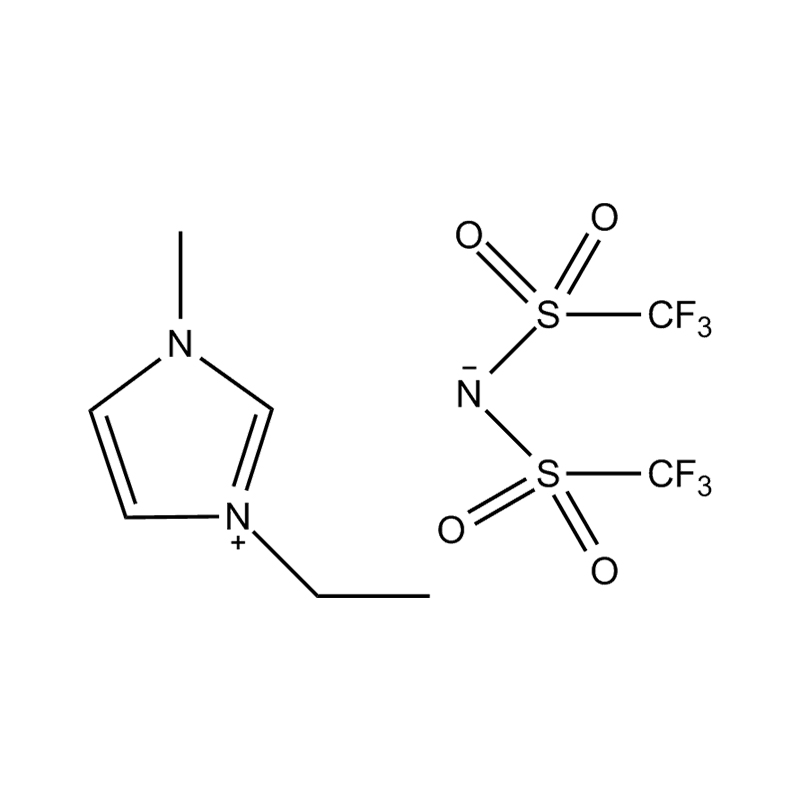
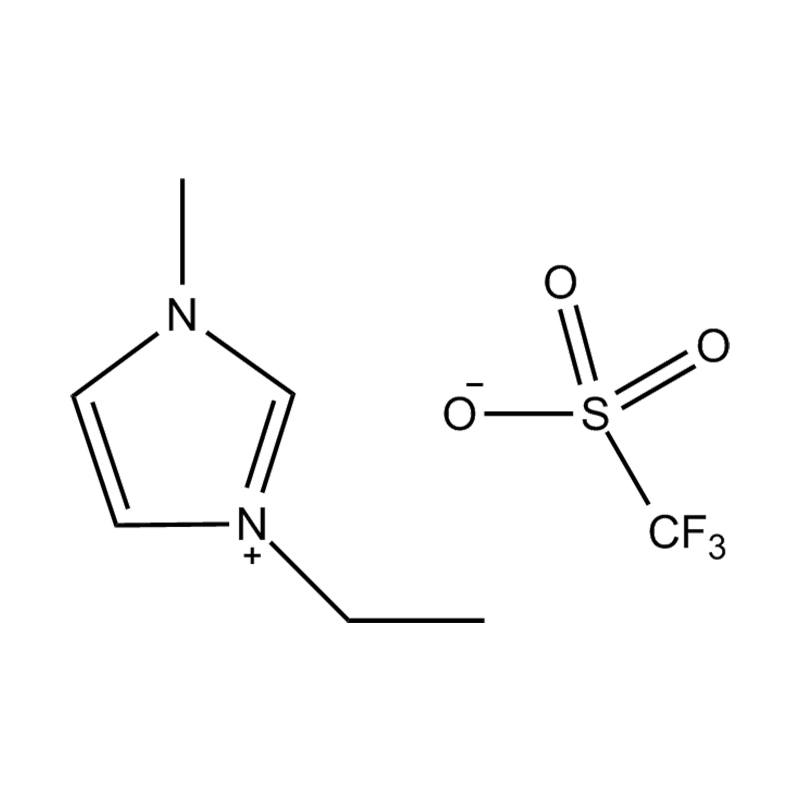
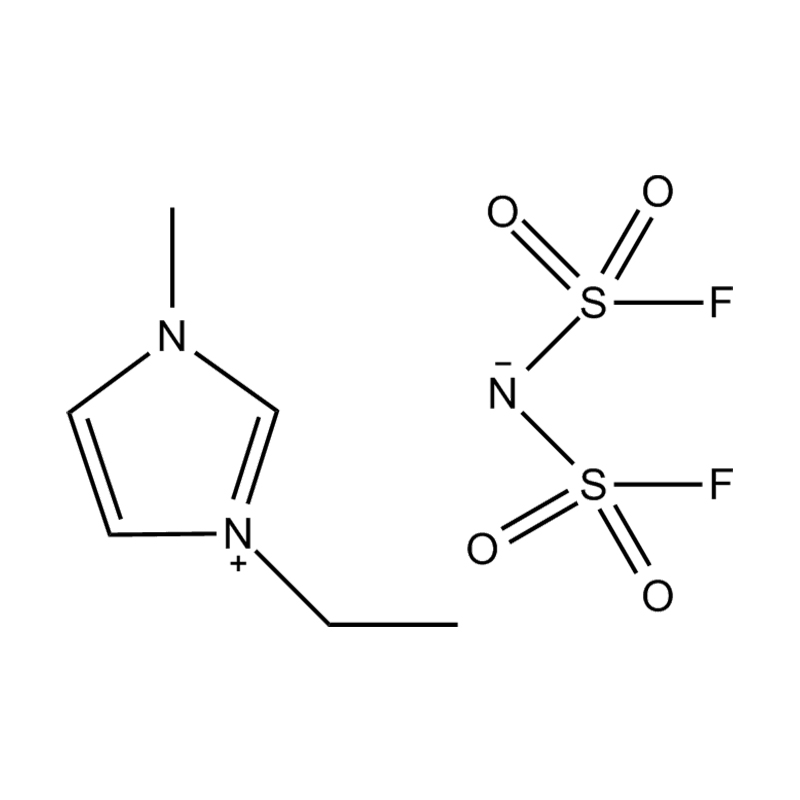
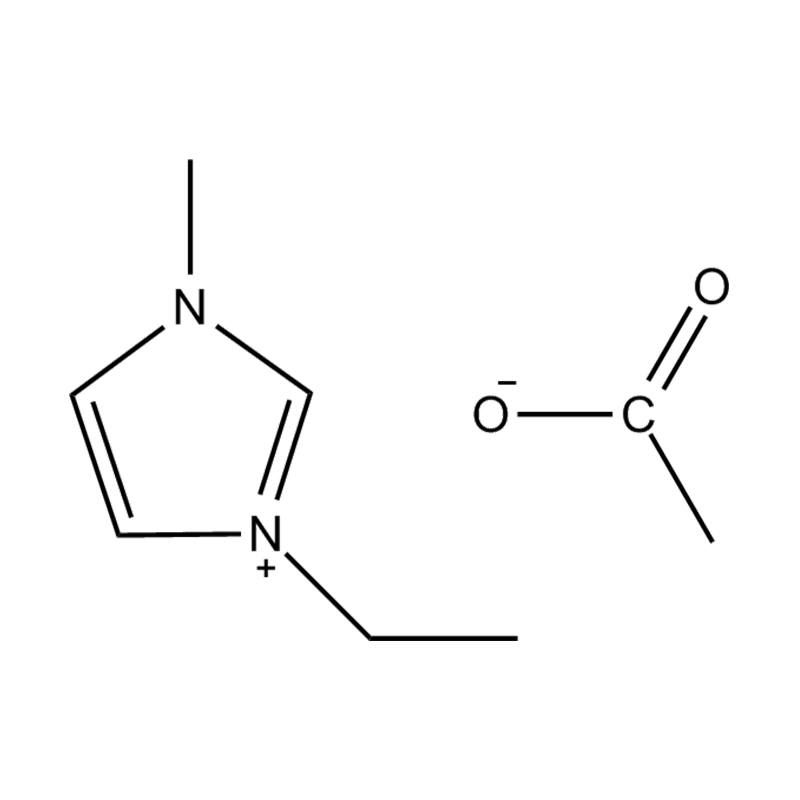
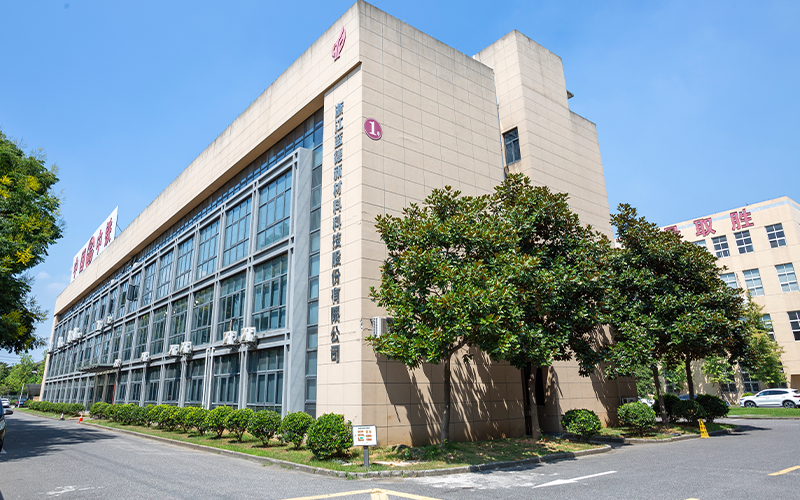
Zhejiang Ldet Energy Technology Development Co., Ltd. (Lande Technology) is an ionic liquid production enterprise established in 2009, headquartered at No. 892 Changhong East Street, Deqing County Economic Development Zone, Zhejiang Province. The registered capital of the company is 36.9 million yuan, and the total assets are 220 million yuan.
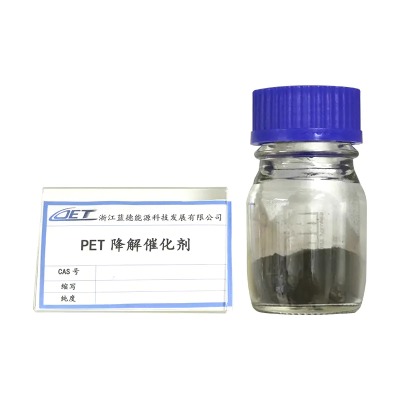
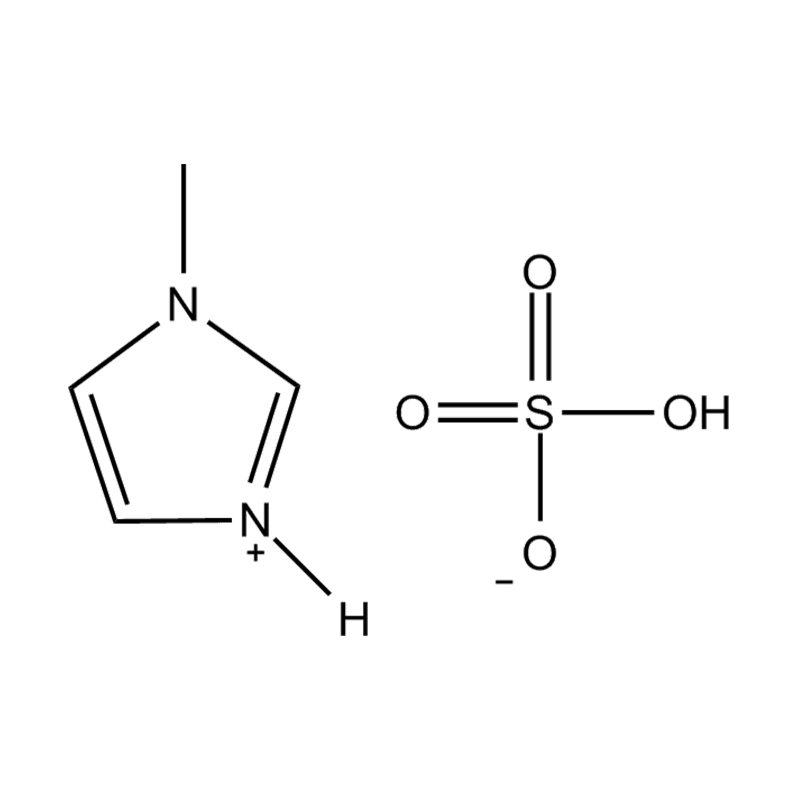
Ldet Technology focuses on the research, development, production, and sales of ionic liquids and flexible electronic product additives, mainly applied in fields such as petroleum and coal chemical industry, lithium batteries, energy conservation and environmental protection, nuclear industry, green pharmaceuticals, biological fiber dissolution, optical films, and daily chemical products. As China PET Degradation Catalyst Manufacturers and Custom PET Degradation Catalyst Factory, The company's products have stable applications in the field of catalysis and are expanding their industrial applications in areas such as white oil extraction, solid/semi-solid electrolytes, low-temperature electrolytic aluminum electrolytes, PET degradation catalysts, etc. in the production process of lithium battery separators/ultra-high molecular weight polyethylene fibers. It is a national high-tech enterprise and one of the key cultivated enterprises in the Phoenix Plan of Zhejiang Province.
Conductive silver ink is the quiet workhorse behind a growing range of products: RFID antennas, membrane switches, flexible circuits, medical sensors, touch panels, and photovoltaic busbars. Whatever the application, th...
READ MORE