
 English
 Deutsch
 Español
 中文简体
中文简体



Content
- 1 What This Compound Is and How It Differs From Other Imidazolium Ionic Liquids
- 2 Physical and Chemical Properties That Determine Handling and Storage
- 3 Common Applications Across Electrochemistry, Catalysis, and Materials Research
- 4 Hygroscopicity and Storage Conditions: Why This Ionic Liquid Needs Special Care
- 5 Safety Classification and Handling Precautions
What This Compound Is and How It Differs From Other Imidazolium Ionic Liquids
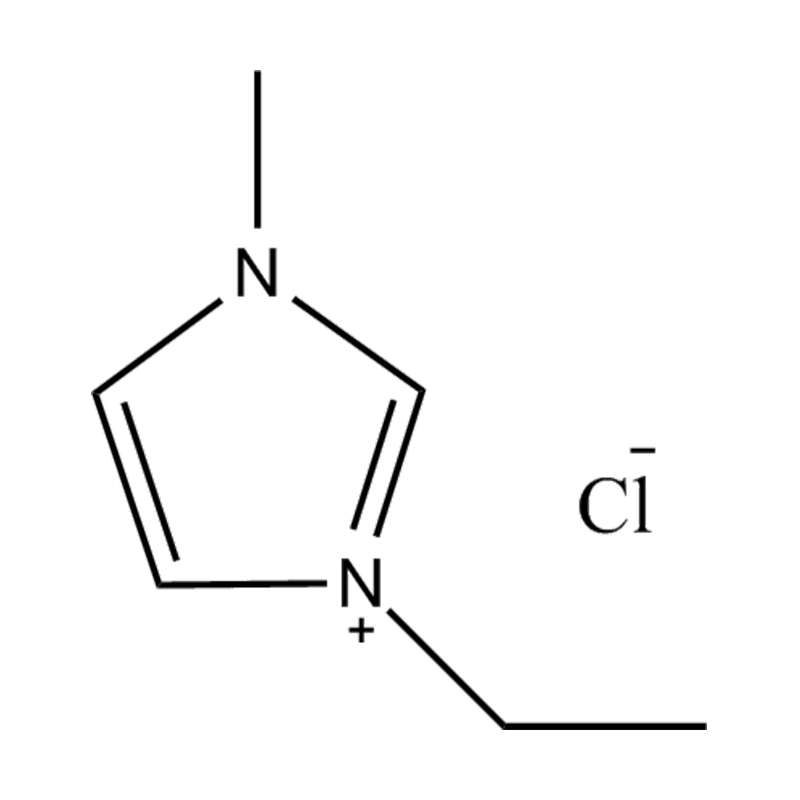
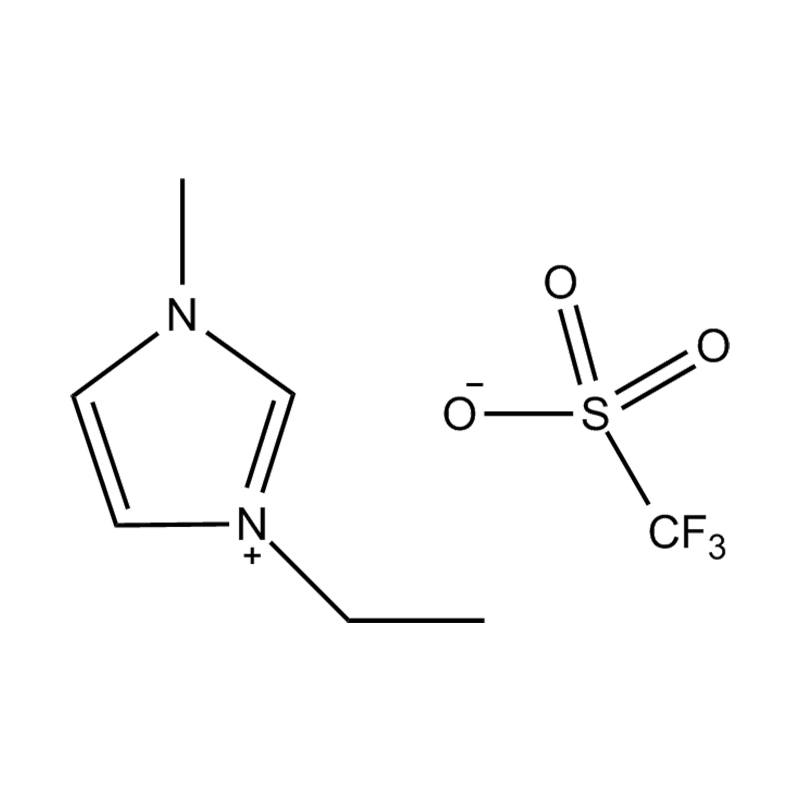
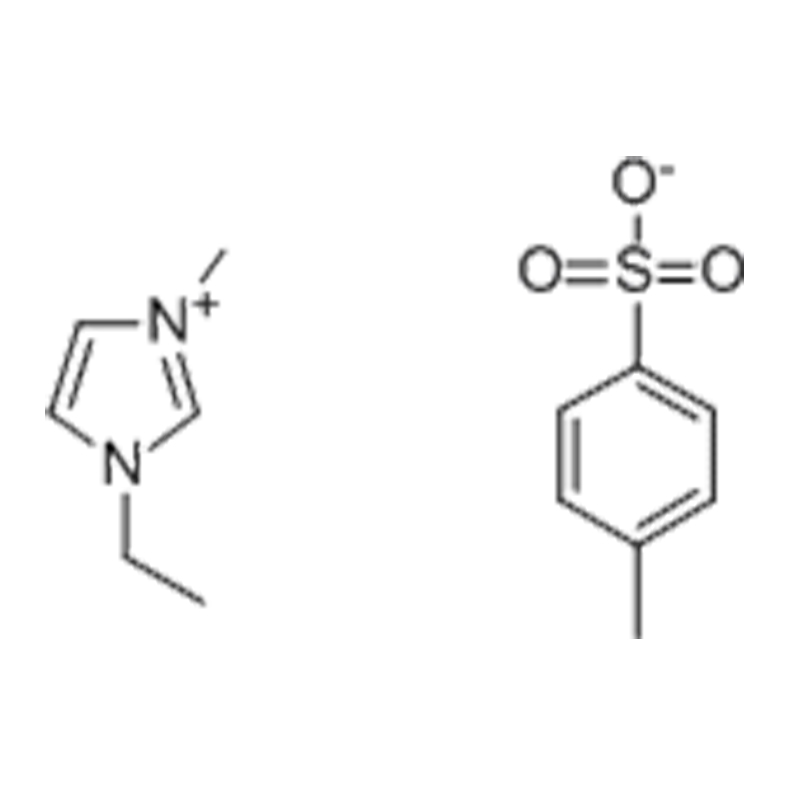
1-Ethyl-3-methylimidazolium p-toluenesulfonate, commonly abbreviated as [EMIM][OTs] or [EMIM][TOS], is a room-temperature ionic liquid pairing the widely used 1-ethyl-3-methylimidazolium cation with a p-toluenesulfonate (tosylate) anion. It carries CAS number 328090-25-1, molecular formula C13H18N2O3S, and a molecular weight of 282.36 g/mol. What sets it apart from more commonly cited imidazolium salts like [EMIM]Cl or [EMIM][BF4] is the anion choice: tosylate is a relatively bulky, weakly coordinating organic sulfonate rather than a small halide or fluorinated anion, which changes both its physical behavior and how it interacts with other reagents in solution.
Because the tosylate anion is organic rather than inorganic, this salt tends to show intermediate melting behavior compared to its halide or tetrafluoroborate counterparts — some suppliers report a melting point in the 25-35°C range near room temperature, while others characterize it as a solid with a melting point closer to 54°C, a discrepancy that likely reflects differences in purity, water content, or measurement method between batches. In practice, this means the compound can appear as either a light yellow viscous liquid or a white crystalline solid depending on ambient temperature and moisture exposure at the time of observation, which is worth knowing before assuming a shipment has degraded simply because its physical form doesn't match a product photo.
Physical and Chemical Properties That Determine Handling and Storage
The properties that matter most in day-to-day handling of this compound are its viscosity, conductivity, and hygroscopicity, since these three factors govern how it's measured, stored, and used in formulation work. Reported viscosity figures are notably high — around 5,214 cP at 20°C from one supplier's technical data — which places it well above typical molecular solvents and closer to a thick syrup in practical terms. This high viscosity affects everything from how accurately it can be pipetted to how long it takes to reach equilibrium in a mixed solvent system, and it's a detail that's easy to overlook if a researcher is used to working with lower-viscosity ionic liquids like [EMIM][BF4].
| Property | Reported Value |
|---|---|
| CAS Number | 328090-25-1 |
| Molecular Formula | C13H18N2O3S |
| Molecular Weight | 282.36 g/mol |
| Density | ~1.23–1.24 g/cm³ (20°C) |
| Viscosity | ~5,214 cP (20°C) |
| Conductivity | ~0.19 mS/cm (20°C) |
Conductivity readings of roughly 0.19 mS/cm at 20°C are on the lower end for imidazolium ionic liquids generally, which is consistent with the higher viscosity slowing ion mobility through the bulk fluid. Anyone using this compound as an electrolyte component should factor this in when comparing performance data against ionic liquids using smaller, more mobile anions.
Common Applications Across Electrochemistry, Catalysis, and Materials Research
Like many imidazolium-based ionic liquids, this compound shows up primarily in research settings rather than large-scale industrial production, and its applications tend to cluster around a few specific areas where its ionic, low-volatility nature offers an advantage over conventional molecular solvents. In electrochemistry and battery research, it's studied as a component of electrolyte formulations, since ionic liquids in this family are non-volatile and can remain liquid or near-liquid across a usable temperature range without the flammability risk of conventional organic solvents. Some suppliers also position it within battery and electronic materials catalogs specifically for this reason, alongside other imidazolium and pyrrolidinium salts used in similar electrolyte research.
A second area of use is as a reaction medium or catalyst modifier in organic synthesis, where ionic liquids of this type can stabilize charged intermediates or improve selectivity compared to traditional solvents, particularly in reactions sensitive to solvent polarity. It has also appeared in materials science contexts, including as an encapsulation or stabilization additive candidate for perovskite solar cell research, reflecting a broader trend of testing ionic liquids as moisture-barrier or defect-passivation agents in emerging photovoltaic technologies. Beyond these areas, the compound is occasionally used in academic studies specifically measuring physical properties like density and viscosity across a series of related imidazolium tosylate salts, since building out this kind of comparative dataset helps researchers select the right ionic liquid for a given viscosity or polarity requirement rather than defaulting to whichever one is best known.
- Electrolyte component research for batteries and electrochemical cells
- Reaction medium or catalyst modifier in organic synthesis
- Additive candidate in perovskite solar cell encapsulation studies
- Reference compound in comparative density and viscosity studies of ionic liquids
Hygroscopicity and Storage Conditions: Why This Ionic Liquid Needs Special Care
Most suppliers flag this compound as hygroscopic, meaning it readily absorbs moisture from the surrounding air, and this single property has a bigger practical impact on handling than almost any other listed spec. Absorbed water can shift the compound's melting behavior, dilute its effective concentration in a weighed sample, and interfere with conductivity or viscosity measurements that assume an anhydrous sample. This is likely part of why melting point figures vary between sources — a sample that's picked up even a small amount of ambient moisture during weighing or storage can behave differently from a freshly opened, fully dry sample.
Practical storage guidance
- Store in a tightly sealed container to limit moisture uptake between uses
- Refrigerated storage at 2-8°C is recommended by at least one supplier's technical documentation
- Allow the container to reach room temperature before opening, to reduce condensation forming inside the vial
- Where precise physical property measurements are required, consider a Karl Fischer titration to confirm water content before use
For any application where reproducibility matters — electrolyte performance testing being a prime example — treating water content as a variable to control, rather than an incidental impurity, tends to produce more consistent results across repeated trials.
Safety Classification and Handling Precautions
Regulatory classification data lists this compound under GHS category Skin Irritation 2, Eye Irritation 2, and Specific Target Organ Toxicity (Single Exposure) Category 3, corresponding to hazard statements H315 (causes skin irritation), H319 (causes serious eye irritation), and H336 (may cause drowsiness or dizziness). These classifications place it in a moderate hazard category typical of many ionic liquids and organic sulfonate salts — not acutely toxic in the way a controlled or highly reactive reagent would be, but still requiring standard laboratory personal protective equipment rather than casual handling.
- Wear gloves and eye protection when handling, given the H315 and H319 classifications
- Work in a ventilated area or fume hood, since H336 indicates a possible inhalation-related effect on the central nervous system
- Consult the specific supplier's safety data sheet (SDS) before first use, since formulation purity and trace impurities can vary between manufacturers
- Follow standard laboratory chemical waste disposal procedures rather than general waste streams
As with most specialty ionic liquids, this compound isn't classified as hazmat for standard shipping by at least one supplier's documentation, which simplifies procurement logistics, but that classification shouldn't be read as an indication of low hazard in the lab — it reflects transport regulations rather than occupational exposure risk. Reviewing the current SDS from the specific supplier before beginning work remains the most reliable way to confirm handling requirements, since safety data can be updated as new toxicological information becomes available.