
 English
 Deutsch
 Español
 中文简体
中文简体



Content
What Sets Quaternary Ammonium Ionic Liquids Apart
Quaternary ammonium ionic liquids represent one of the earliest and most extensively studied classes within the broader ionic liquid family. Their history traces back to phase transfer catalysis, where simple quaternary ammonium salts such as tetraethylammonium and tetrabutylammonium compounds were first used to shuttle ions between immiscible phases in organic synthesis. While these traditional salts laid the groundwork for the field, their relatively high melting points limited how widely they could be applied outside catalysis, since many practical uses call for liquids that remain fluid at or near room temperature.
Modern research has expanded this class considerably by varying both the cation architecture and the anion pairing, producing compounds with a much broader operating range. Understanding how these structural choices affect melting point, viscosity, and chemical stability is essential for anyone selecting or formulating a quaternary ammonium ionic liquid for a specific process, whether that process is catalysis, electrochemistry, extraction, or materials synthesis.
Cation Structures and Their Influence on Properties
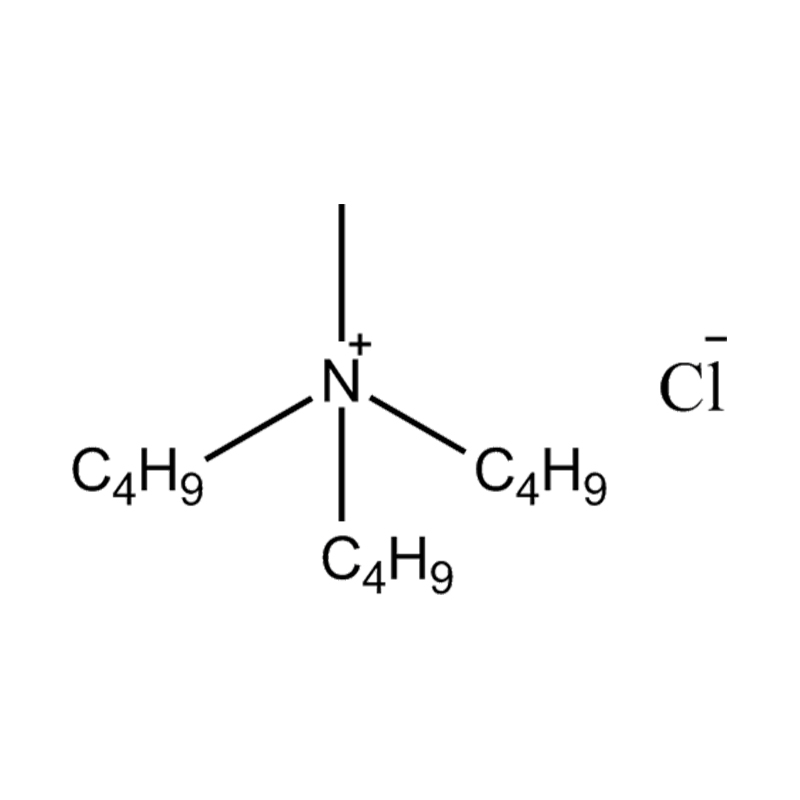
The cation in a quaternary ammonium ionic liquid consists of a central nitrogen atom bonded to four alkyl groups, with no remaining hydrogen for hydrogen bonding at that site. This structural feature already distinguishes quaternary ammonium cations from imidazolium or pyridinium cations, which retain aromatic character and different charge distribution patterns. Common cation types include tetraethylammonium, tetrabutylammonium, alkyl triethylammonium, and alkyl tributylammonium, where the alkyl substituent can range from ethyl and butyl to longer chains such as hexyl and octyl.
As alkyl chain length increases, several trends emerge consistently across the literature. Longer or asymmetric alkyl chains tend to disrupt the regular packing of the cation lattice, which lowers melting point by making crystallization less favorable. Symmetric cations like tetraethylammonium, by contrast, pack more efficiently in the solid state, which is part of why many simple quaternary ammonium salts remain solid well above room temperature. This is a central reason why researchers moved toward mixed-chain or asymmetric cations, such as alkyl triethylammonium, when a liquid state at moderate temperatures became a design priority.
Typical Cation Variants
| Cation Type | Alkyl Groups | General Melting Behavior |
| Tetraethylammonium | Four ethyl groups | High melting point, solid at room temperature |
| Tetrabutylammonium | Four butyl groups | Moderate melting point, still relatively high |
| Alkyl triethylammonium | Three ethyl, one longer alkyl | Lower melting point due to asymmetry |
| Alkyl tributylammonium | Three butyl, one longer alkyl | Further reduced melting point, better fluidity |
Anion Selection and Its Effect on Stability
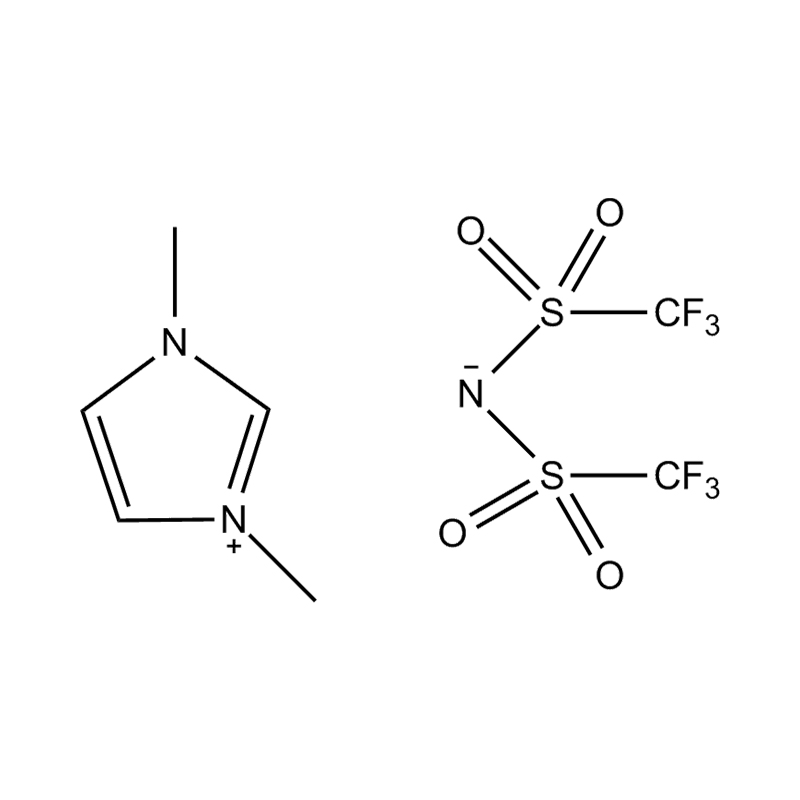
While the cation largely governs the fundamental character of the ionic liquid, the anion plays a decisive role in determining melting point suppression, thermal stability, moisture sensitivity, and electrochemical window. Common anions paired with quaternary ammonium cations include chloride, bromide, tetrafluoroborate, hexafluorophosphate, and bis(trifluoromethylsulfonyl)imide, often abbreviated as TFSI or NTf2.
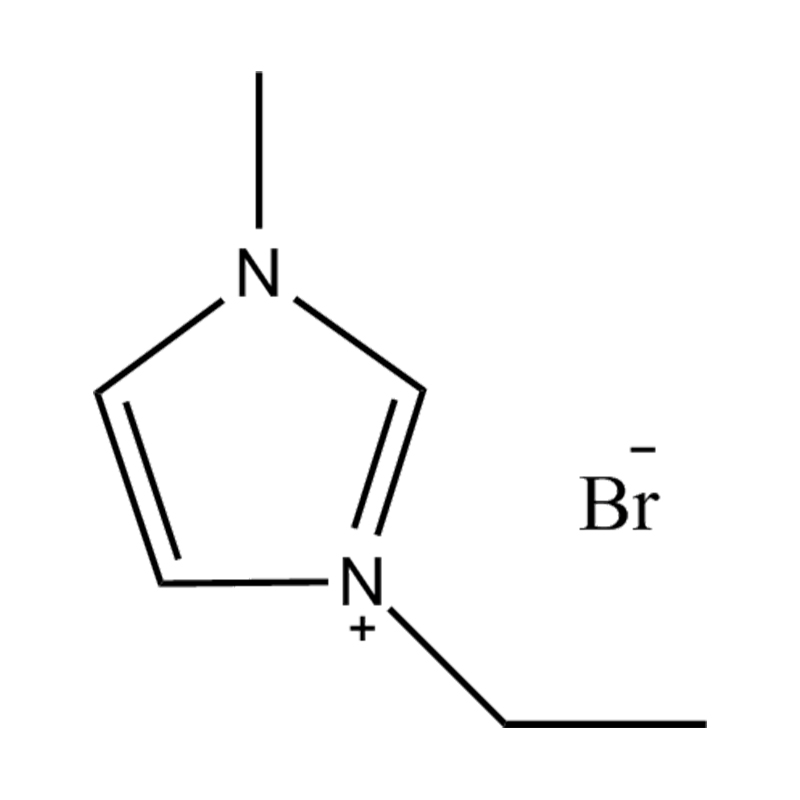
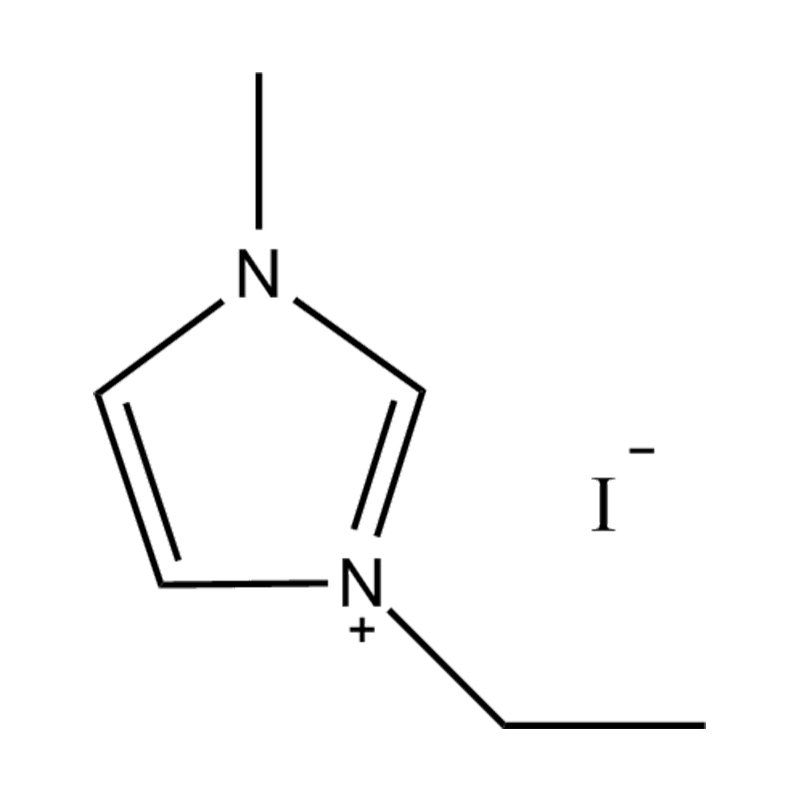
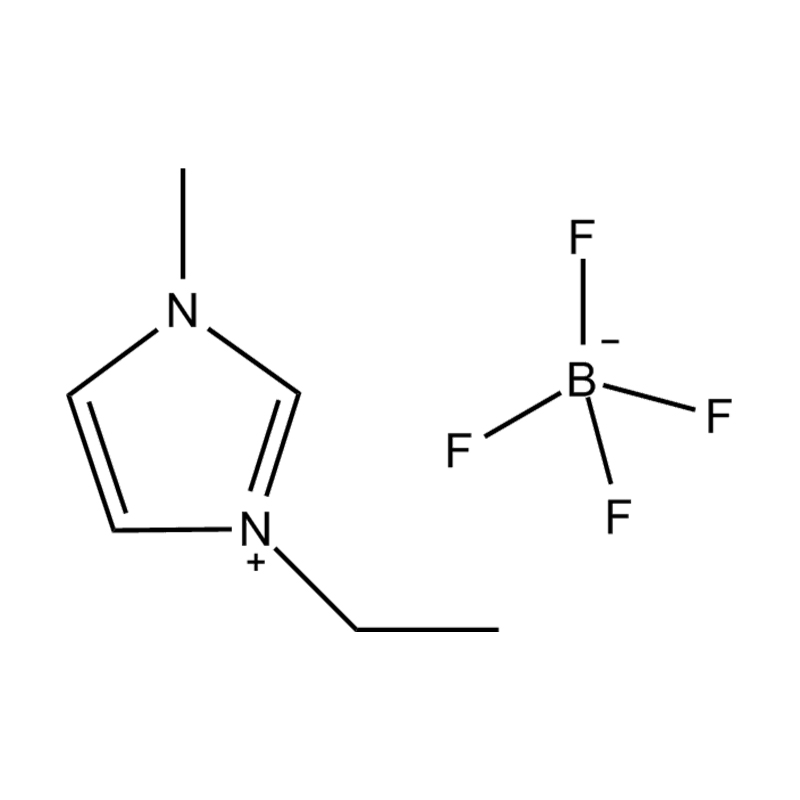
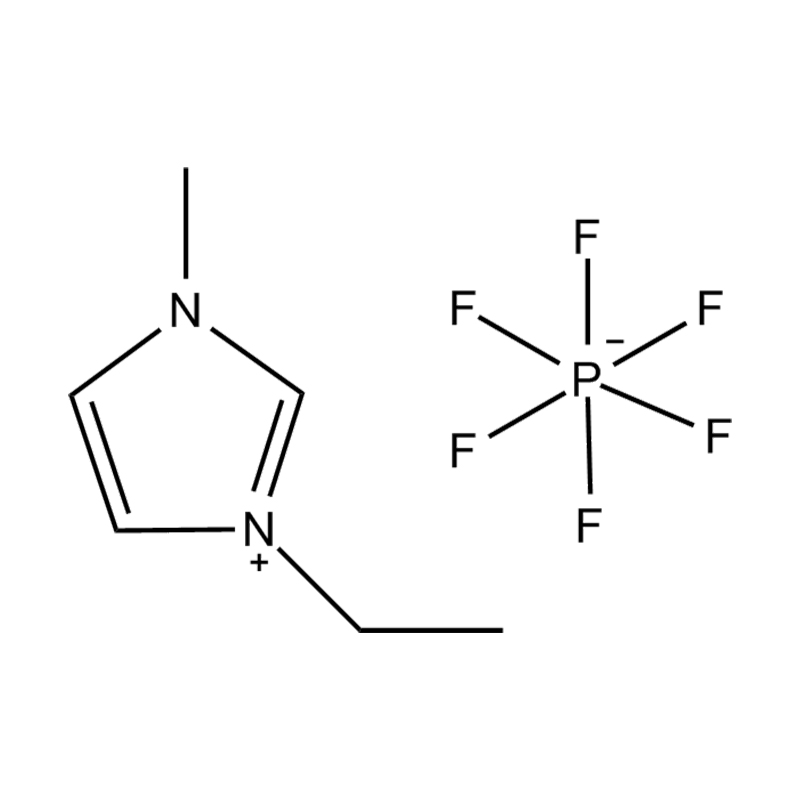
Halide anions such as chloride and bromide are the simplest and least expensive option, but they generally produce ionic liquids with higher melting points and greater sensitivity to moisture and oxidation. Tetrafluoroborate offers a meaningful improvement in fluidity and a wider liquid range, though it can hydrolyze under humid or acidic conditions to release hydrofluoric acid, which is a safety consideration during handling and storage. Hexafluorophosphate shares some of these hydrolysis concerns but is valued for its stability in certain electrochemical applications. Bis(trifluoromethylsulfonyl)imide is widely regarded as one of the most stable anion choices, offering low melting points, high hydrolytic stability, and a wide electrochemical window, which explains its popularity in battery electrolyte and capacitor research despite its higher cost.
Anion Comparison at a Glance
- Chloride and bromide: low cost, high melting point, moisture sensitive
- Tetrafluoroborate: improved fluidity, moderate hydrolysis risk
- Hexafluorophosphate: good electrochemical stability, hydrolysis risk under humidity
- Bis(trifluoromethylsulfonyl)imide: excellent thermal and hydrolytic stability, wide electrochemical window
Why Melting Point Behavior Matters in Practice
One of the defining challenges historically associated with quaternary ammonium ionic liquids is their tendency toward higher melting points compared to imidazolium-based systems. This matters directly for process design. A compound that is solid at typical reaction or operating temperatures cannot function as a solvent or electrolyte medium without heating, which adds energy cost and complexity to any process built around it. This is precisely why early quaternary ammonium salts, despite their usefulness as phase transfer catalysts in stoichiometric or catalytic reactions run at elevated temperature, saw limited adoption in applications like electrochemistry or green solvent chemistry that favor room-temperature operation.
The combination of asymmetric alkyl chains on the cation with weakly coordinating, bulky anions such as TFSI has been the most effective strategy for pushing melting points down into a practically useful range. Asymmetry disrupts crystal packing, while a diffuse, charge-delocalized anion reduces the strength of the electrostatic interactions that otherwise favor solid-state ordering. Formulators working with these compounds often treat melting point as the first screening criterion before evaluating other performance metrics like viscosity or conductivity.
Practical Application Areas
Despite the historical limitations tied to melting point, quaternary ammonium ionic liquids continue to find meaningful use across several fields once the right cation-anion combination is selected. In phase transfer catalysis, they remain a staple for facilitating reactions between organic and aqueous phases, particularly in nucleophilic substitution and alkylation reactions where their relatively simple, cost-effective structure is an advantage over more exotic ionic liquid classes.
In electrochemistry, lower-melting variants paired with TFSI or similar anions are used as supporting electrolytes and solvent components in capacitors and certain battery chemistries, valued for their wide electrochemical stability window and resistance to decomposition. In extraction and separation processes, quaternary ammonium ionic liquids serve as extractants for metal ions and organic contaminants, where the bulky, hydrophobic cation structure helps drive selective partitioning between aqueous and organic layers. They are also explored in antimicrobial and surface-active formulations, since the quaternary ammonium structure itself carries inherent biocidal properties independent of the anion chosen.
Application Suitability Overview
| Application | Preferred Cation/Anion Traits |
| Phase transfer catalysis | Simple alkyl chains, halide or moderate anions |
| Electrolytes and capacitors | Asymmetric alkyl cation, TFSI anion |
| Metal ion extraction | Bulky, hydrophobic cation, tailored anion |
| Antimicrobial formulations | Longer alkyl chain cation, various anions |
Handling, Purity, and Storage Considerations
Purity control is a recurring practical concern with quaternary ammonium ionic liquids, particularly residual halide content left over from synthesis via alkylation and subsequent anion exchange. Even trace halide impurities can interfere with electrochemical performance, catalytic activity, or extraction selectivity, so analytical verification through methods like ion chromatography or silver nitrate titration is standard practice before use in sensitive applications.
Storage conditions also matter, especially for moisture-sensitive anions like tetrafluoroborate and hexafluorophosphate. Sealed containers with desiccant, minimal headspace air exposure, and storage away from direct heat sources help preserve compound integrity over time. For compounds intended for electrochemical use, water content is often specified in parts per million, and users should confirm that supplied material meets the moisture threshold required for their specific application before proceeding with formulation or testing.
Taken together, the versatility of quaternary ammonium ionic liquids comes from the sheer number of cation and anion combinations available, each offering a different balance of melting point, stability, and functional performance. Selecting the right combination requires matching these structural variables to the specific demands of the intended process, rather than treating quaternary ammonium ionic liquids as a single uniform category of material.