
 English
 Deutsch
 Español
 中文简体
中文简体



Content
What Are Benzyl Ionic Liquids?
When a separation process demands strong, selective π‑π interactions with aromatic targets, standard imidazolium ionic liquids often leave performance on the table. Benzyl ionic liquids close that gap. Structurally, they replace one of the alkyl chains on the imidazolium cation with a benzyl group (C₆H₅CH₂‑), creating a functionalized cation such as 1‑benzyl‑3‑methylimidazolium. This aromatic sidechain introduces a delocalized π‑electron surface that dramatically enhances interactions with aromatic solutes while preserving the classic advantages of ionic liquids: negligible vapor pressure, wide liquid range, and tunable solvation.
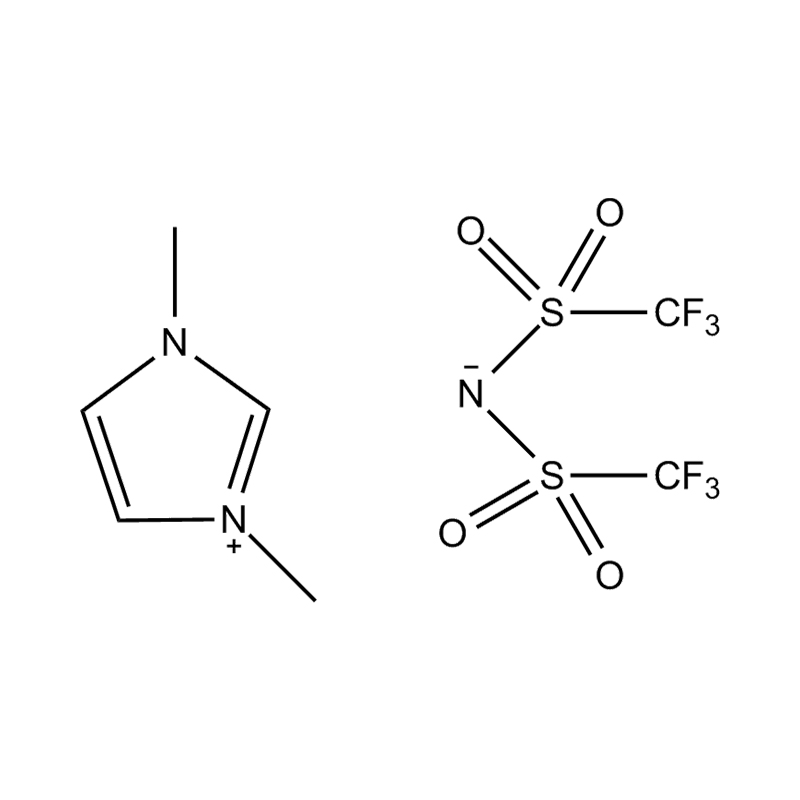
Common paired anions include tetrafluoroborate (BF₄⁻), hexafluorophosphate (PF₆⁻), and bis(trifluoromethylsulfonyl)imide (NTf₂⁻). The choice of anion directly governs hydrophobicity, thermal stability, and electrochemical window, making the benzyl‑imidazolium platform a versatile building block for industrial problem‑solving.
Key Properties Driving Industrial Interest
The commercial appeal of benzyl ionic liquids rests on a trio of performance characteristics that differentiate them from their simple alkyl‑substituted cousins. Each property flows directly from the electronic and steric influence of the benzyl ring.
Hydrophobicity & Extractability
The benzyl group makes the cation appreciably more hydrophobic than butyl‑ or ethyl‑substituted analogues with the same anion. In liquid‑liquid extraction, this translates to higher partition coefficients for organic molecules. Researchers have successfully deployed benzyl‑based ionic liquids as extraction media for organophosphorus pesticides, polycyclic aromatic hydrocarbons, and antibiotics from aqueous matrices. The enhanced π‑π stacking between the benzyl ring and aromatic analytes is not a marginal effect—it can double extraction efficiency relative to a butyl‑methylimidazolium counterpart under identical conditions. For process engineers, this means lower solvent volumes and shorter equilibrium times.
Thermal Stability
Thermogravimetric analysis consistently shows that benzyl‑imidazolium salts, especially those with a tetrafluoroborate anion, decompose above 300 °C. A representative commercial grade—1-benzyl-3-methylimidazolium tetrafluoroborate—maintains a stable liquid window far beyond what many conventional organic solvents can offer. This thermal robustness lets process teams use benzyl ionic liquids in high‑temperature catalysis, in supercritical CO₂ systems, and as non‑volatile reaction media where thermal degradation of the solvent would compromise yield and safety.
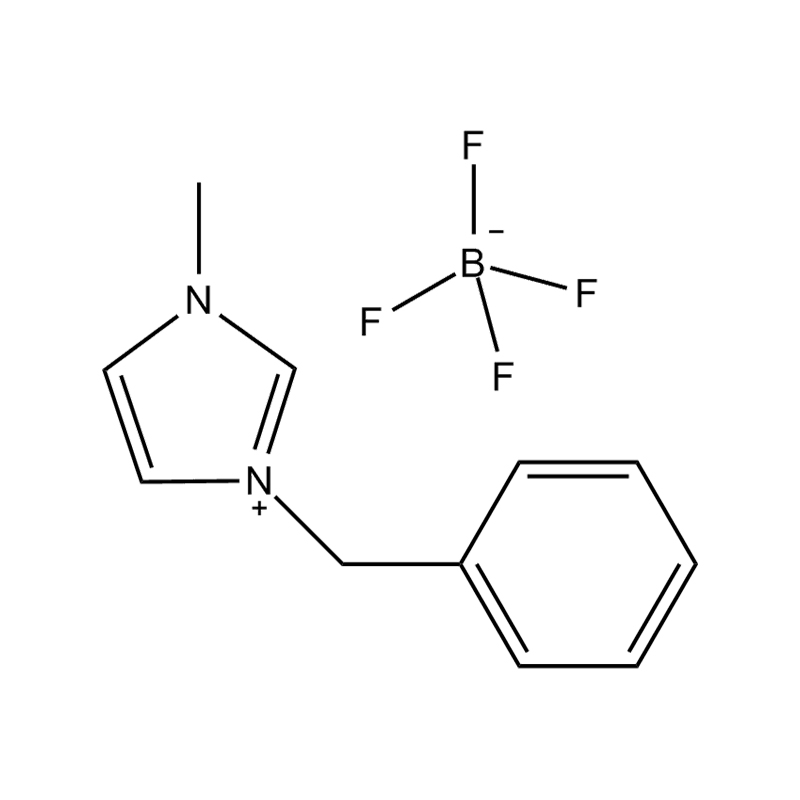 CAS: 500996-04-3-1-Benzyl-3-methylimidazole tetrafluoroborate Liquids Suppliers,Ldet Technology is China custom CAS: 500996-04-3-1-Benzyl-3-methylimidazole tetrafluoroborate Liquids suppliers and 1-Benzyl-3-methylimid...View Product →
Tunable Polarity
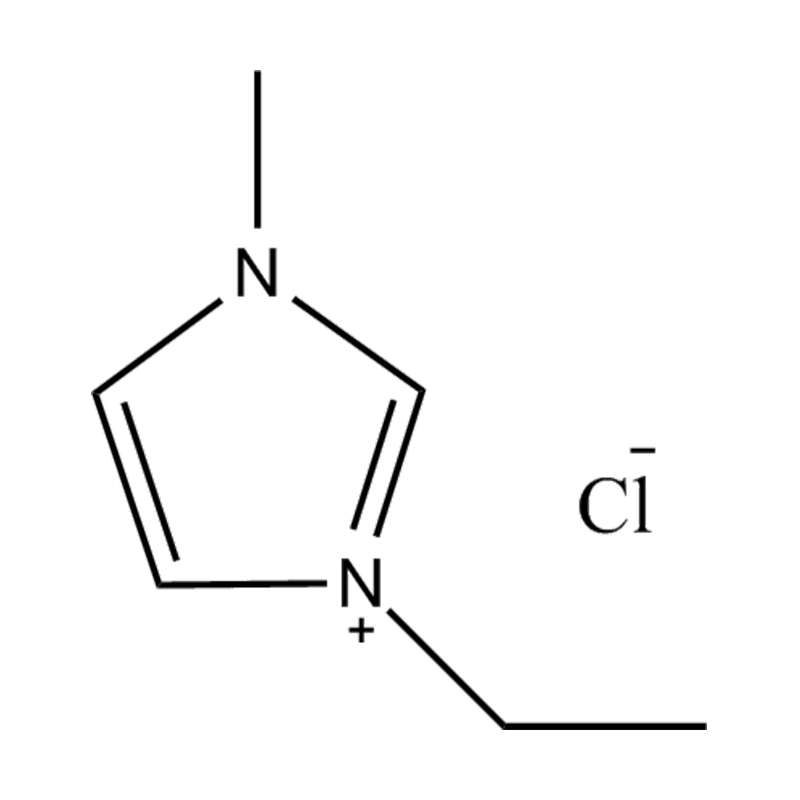
The benzyl cation’s inherent moderate polarity can be steepened or flattened by exchanging the anion. Pairing 1‑benzyl‑3‑methylimidazolium with NTf₂⁻ yields a highly hydrophobic, low‑viscosity fluid suitable for analyte preconcentration; switching to chloride creates a water‑miscible ionic liquid for phase‑transfer catalysis. This modularity eliminates the need to redesign the entire cation when target solubility shifts, shortening development cycles for custom formulations.
Major Application Fields of Benzyl Ionic Liquids
Extraction & Separation
Benzyl ionic liquids excel wherever the target molecule contains an aromatic ring or a polarized double bond. Independent studies report efficient separation of shikimic acid from natural product streams, extraction of trace aromatic amines from environmental water, and cleanup of pesticide residues using benzyl‑imidazolium‑based liquid‑phase microextraction. The selectivity gains come from the dual hydrophobic and π‑stacking character of the cation, which reduces co‑extraction of aliphatic interferences.
Electrochemistry
In electro‑organic synthesis, benzyl ionic liquids serve as both supporting electrolyte and solvent. The electrochemical oxidation of benzyl alcohol to benzaldehyde, for instance, benefits from the ionic liquid’s wide electrochemical window and the ability to solubilize polar intermediates. Battery researchers also evaluate benzyl‑functionalized ionic liquids as additives in lithium‑ion electrolytes, where their thermal stability and film‑forming properties suppress side reactions at elevated temperatures.
Catalysis
The benzyl‑imidazolium cation functions as an effective phase‑transfer catalyst for nucleophilic substitutions and oxidations in biphasic systems. Its affinity for both the organic and ionic phases facilitates reactant shuttling without requiring a separate crown ether or quaternary ammonium catalyst. This dual role cuts component count and simplifies downstream purification.
Analytical Chemistry
Magnetic benzyl ionic liquids, prepared by pairing the cation with a paramagnetic anion such as [FeCl₄]⁻, enable rapid magnetic solid‑phase extraction. Analysts can disperse the ionic liquid in a sample, capture the analyte, and retrieve the phase with a magnet—reducing solvent consumption and manual handling. This technique has been adopted for pre‑concentrating pharmaceuticals and endocrine disruptors before chromatographic analysis.
Across these fields, the theme is consistent: the benzyl group delivers the specific molecular recognition that generic ionic liquids cannot. For a broader view of application‑driven formulation, see industrial applications of ionic liquids.
Comparing Benzyl Ionic Liquids with Other Cation Types
Why invest in a benzyl‑functionalized ionic liquid instead of the more common butyl or allyl variants? The answer lies in three practical dimensions: molecular recognition, analyte detectability, and long‑term thermal endurance. The table below maps these differences across cation types in a standard imidazolium framework.
| Property | Benzyl (C₆H₅CH₂‑) | Butyl (C₄H₉‑) | Allyl (CH₂=CHCH₂‑) |
|---|---|---|---|
| Aromatic π‑stacking | Strong (benzyl ring) | Negligible | Weak (isolated double bond) |
| UV absorbance for detection | High (λ ~260 nm) | Low | Moderate |
| Thermal decomposition (Tonset) | Typically >300 °C | ~350 °C (similar) | ~280–310 °C |
| Hydrophobicity (with NTf₂⁻) | High | Moderate–high | Moderate |
| Relative production cost | Slightly higher | Baseline | Comparable to butyl |
The slight cost premium for the benzyl variant is often recovered through higher extraction efficiency, fewer processing steps, and reusability. When a project demands selective aromatic uptake or a built‑in chromophore for UV‑based process monitoring, the benzyl cation is the clear technical frontrunner.
How to Source Benzyl Ionic Liquids from China?
Procurement teams evaluating Chinese manufacturers should weigh three factors: production scale, customization depth, and verifiable quality systems. ZJLDET operates a dedicated benzyl ionic liquids production line that scales from kilogram R&D batches to multi‑ton industrial orders. The company was certified as a National High-Tech Enterprise, a credential that involves rigorous audit of R&D expenditure, intellectual property, and process capability—not just a registration certificate.
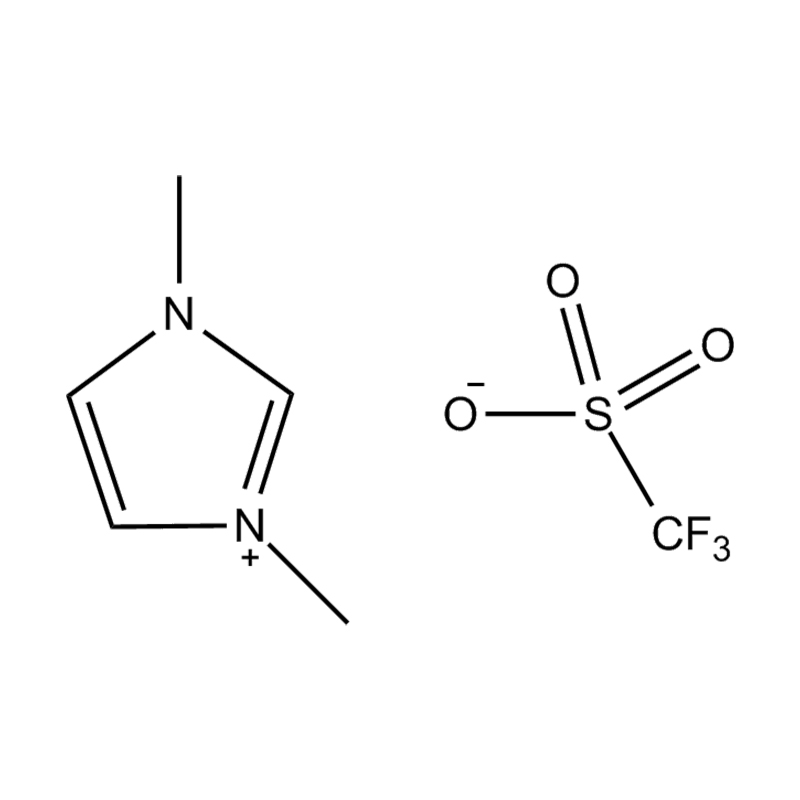
Beyond the standard benzyl‑imidazolium‑tetrafluoroborate grade, the engineering team routinely synthesizes customized anion variants, including bis(fluorosulfonyl)imide and trifluoromethanesulfonate, to meet specific electrochemical or solubility requirements. This flexibility is backed by demonstrated customized ionic liquid synthesis capabilities, showing that the facility can handle diverse cation‑anion combinations under controlled conditions. For a full overview of the benzyl portfolio, start with our comprehensive benzyl ionic liquids product line.
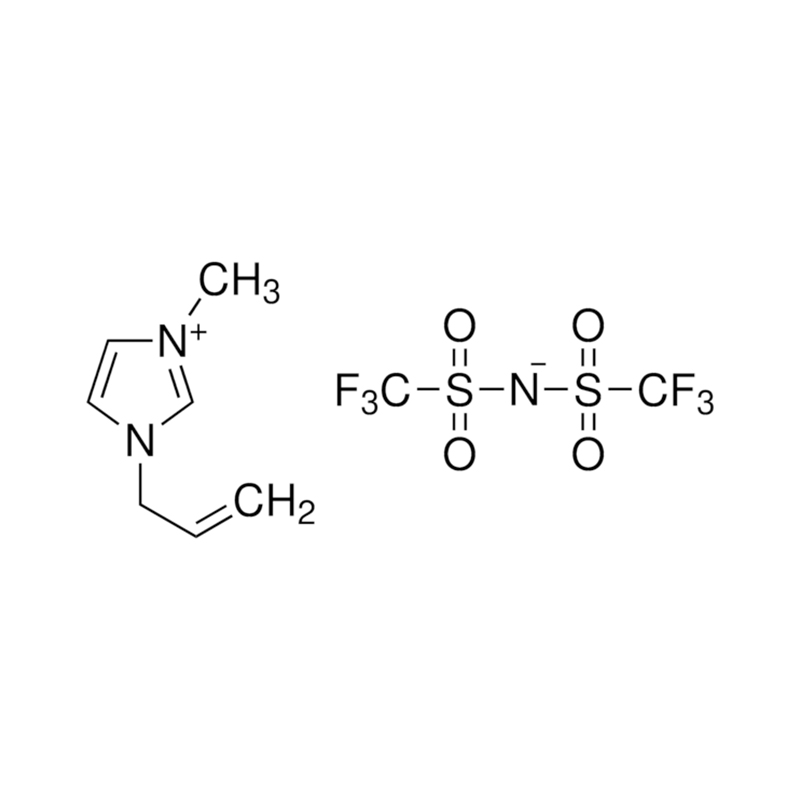 CAS:655249-87-9-1-Allyl-3-methylimidazolium bis(trifluoromethylsulfonyl)imide LiLdet Technology is China custom CAS:655249-87-9-1-Allyl-3-methylimidazolium bis(trifluoromethylsulfonyl)imide Liquids suppliers and 1-All...View Product →
On pricing, China‑based production naturally brings a structural cost advantage in raw materials and labor, but what matters operationally is the ability to supply consistent quality parameters at the needed volume. ZJLDET follows a standard inquiry‑to‑shipment workflow: technical requirement alignment → laboratory sample with certificate of analysis → pilot‑scale confirmation → commercial delivery. Large‑volume buyers often negotiate long‑term supply agreements after the pilot stage.
Quality Control & Packaging Considerations
Purchasing a specialty ionic liquid without clear acceptance criteria introduces process risk. For benzyl ionic liquids, the non‑negotiable specifications start at purity ≥ 98 % by HPLC and water content ≤ 500 ppm by Karl Fischer titration. Anion purity should be verified by ion chromatography, and the manufacturer should provide full structural confirmation via ¹H NMR and LC‑MS for every batch shipped.
ZJLDET packs all benzyl ionic liquids under inert atmosphere in fluorinated or glass containers, sized from 100 mL reagent bottles to 200 L drums. Labels carry the batch number, production date, and recommended storage conditions: sealed, dry, and protected from light. The standard certificate of analysis includes all the above parameters, and additional tests (such as halide content or electrochemical window) can be added to the specification sheet.
Conclusion & Next Steps
Benzyl ionic liquids fill a precise and commercially valuable gap in the separation, electrochemistry, and catalysis toolkit—offering aromatic selectivity and thermal endurance that simpler ionic liquids cannot match. As a specialized producer with in‑house R&D and scalable manufacturing in China, ZJLDET provides a direct path from early‑stage evaluation to long‑term supply.
Begin by identifying the target anion and purity budget for your application. Request a sample with full characterization, and test it under your process conditions. The technical and commercial teams are available through the website contact channels to discuss volume pricing, custom packaging, and tailored anion synthesis.