
 English
 Deutsch
 Español
 中文简体
中文简体



Content
What Is 1-Ethyl-3-methylimidazolium Iodide?
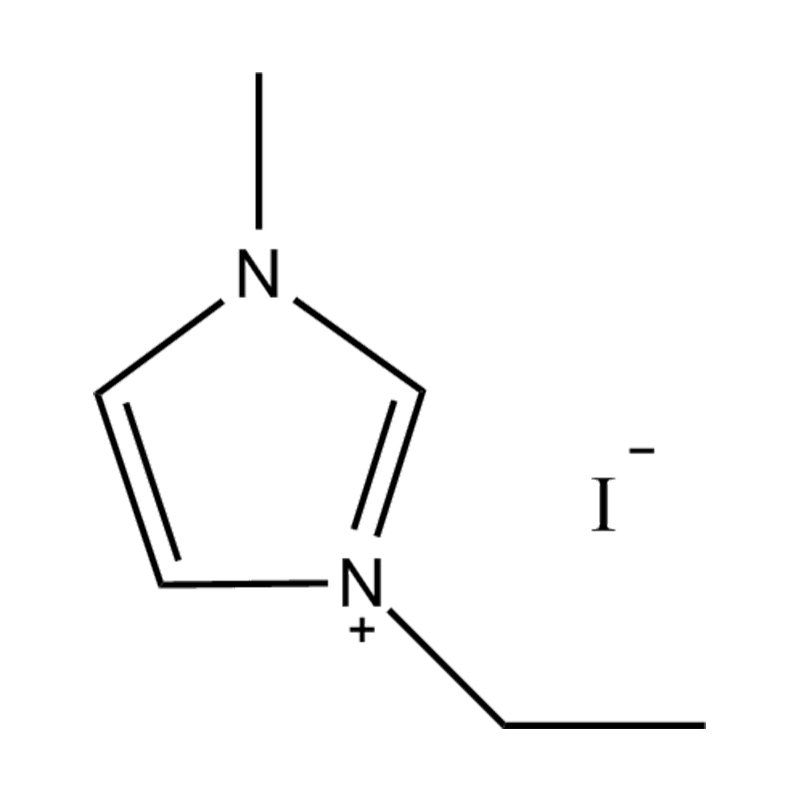
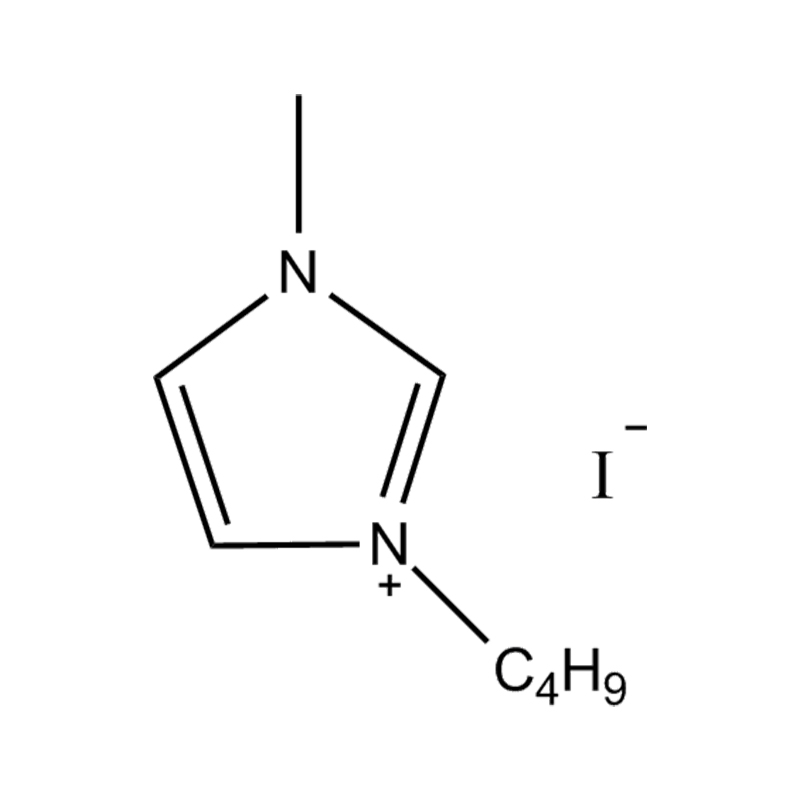
1-Ethyl-3-methylimidazolium iodide, commonly abbreviated as EMII or [EMIM]I, is an ionic liquid salt belonging to the imidazolium family of room-temperature ionic liquids. Its chemical formula is C₆H₁₁IN₂, and it carries a molecular weight of approximately 238.07 g/mol. The compound consists of a 1-ethyl-3-methylimidazolium cation—an imidazolium ring with an ethyl group at the N-1 position and a methyl group at the N-3 position—paired with an iodide anion. This ion pair configuration gives the compound its characteristic combination of ionic conductivity, low volatility, and electrochemical activity that makes it valuable across a range of scientific and industrial applications.
Unlike conventional molecular solvents, ionic liquids such as EMII consist entirely of ions and exist in liquid or solid state at or near room temperature depending on specific formulation and purity. In its pure form, 1-ethyl-3-methylimidazolium iodide typically presents as a white to off-white crystalline solid at room temperature, with a melting point in the range of 79–81°C. When dissolved in solvents or combined with other ionic liquid components, it contributes iodide ions that are central to the redox chemistry exploited in electrochemical devices. Its combination of thermal stability, designable properties, and electrochemical relevance has positioned it as a compound of sustained interest in materials science, energy research, and synthetic chemistry.
Chemical Structure and Fundamental Properties
The imidazolium ring at the core of the [EMIM]⁺ cation is a five-membered aromatic heterocycle containing two nitrogen atoms. The positive charge is delocalized across the ring, particularly between the two nitrogen atoms and the C-2 carbon (the carbon positioned between the two nitrogens), which gives the cation significant stability and reduces its tendency to participate in unwanted side reactions. This charge delocalization is one of the reasons imidazolium-based ionic liquids exhibit lower reactivity compared to many conventional organic salts, making them suitable as electrolyte components in systems where chemical inertness of the carrier medium is important.
The iodide anion (I⁻) is a large, highly polarizable ion with relatively weak association with the imidazolium cation. This weak ion pairing is what depresses the melting point of the salt compared to simple alkali metal iodides such as potassium iodide (melting point 681°C) or sodium iodide (melting point 661°C). The bulky, asymmetric organic cation disrupts the regular crystal lattice that would otherwise lock the ions into a high-melting solid structure, allowing the compound to be used in liquid-phase applications at moderate temperatures. The iodide anion's high polarizability also makes it an effective participant in charge-transfer processes, which is fundamental to its role in photoelectrochemical systems.
Key Physical and Chemical Properties
| Property | Value / Description |
| Molecular Formula | C₆H₁₁IN₂ |
| Molecular Weight | 238.07 g/mol |
| Appearance | White to off-white crystalline solid |
| Melting Point | 79–81°C |
| Solubility | Soluble in water, acetonitrile, DMSO, methanol |
| Ionic Conductivity | High in solution; moderate in molten state |
| Thermal Stability | Stable up to approximately 250°C |
| Vapor Pressure | Negligible (characteristic of ionic liquids) |
Synthesis and Purification Methods
The synthesis of 1-ethyl-3-methylimidazolium iodide is straightforward and well-established, making it one of the more accessible ionic liquid salts for laboratory preparation. The standard route involves the quaternization of 1-methylimidazole with ethyl iodide through a simple alkylation reaction. In a typical procedure, 1-methylimidazole and ethyl iodide are combined in an equimolar ratio, often without solvent, and stirred or refluxed at moderate temperatures (40–80°C) for several hours. The nitrogen atom at the N-1 position of 1-methylimidazole attacks the electrophilic carbon of ethyl iodide in an SN2 reaction, displacing the iodide anion and forming the [EMIM]⁺ cation with iodide as the counterion. The reaction proceeds cleanly and in high yield, typically exceeding 90%.
Purification of the crude product is achieved by washing with diethyl ether or ethyl acetate to remove unreacted starting materials, followed by recrystallization from acetonitrile or ethanol to obtain the pure crystalline salt. Drying under vacuum at elevated temperature (60–80°C) removes residual solvent and water, which is particularly important because water contamination affects the electrochemical and physical properties of the compound significantly. The purity of the final product is typically confirmed by ¹H NMR spectroscopy, which shows characteristic peaks for the imidazolium ring protons (H-2, H-4, H-5), the N-methyl group, and the N-ethyl group, along with elemental analysis to confirm the correct C:H:N:I ratio.
Common Synthesis Considerations
- Ethyl iodide is moisture-sensitive and light-sensitive; it should be stored under inert atmosphere in the dark and used fresh to avoid formation of iodine and ethanol impurities
- The reaction is exothermic; controlled addition of ethyl iodide to 1-methylimidazole with cooling prevents runaway temperature elevation
- Residual halide impurities affect electrochemical performance and should be minimized through thorough washing and recrystallization
- Water content should be kept below 100 ppm for electrochemical applications; Karl Fischer titration is the standard analytical method for moisture determination
- Color of the product should be white to pale yellow; yellow or brown coloration indicates iodine contamination from oxidation of iodide, requiring additional purification
Role in Dye-Sensitized Solar Cells
The most prominent and extensively studied application of 1-ethyl-3-methylimidazolium iodide is as a component of the electrolyte in dye-sensitized solar cells (DSSCs), also known as Grätzel cells after their inventor Michael Grätzel. In a DSSC, a photosensitizing dye adsorbed onto a nanocrystalline titanium dioxide (TiO₂) photoanode absorbs sunlight and injects electrons into the TiO₂ conduction band. These electrons travel through the external circuit to the counter electrode, where they must be returned to the oxidized dye molecules to complete the electrical circuit. This regeneration process is mediated by a redox couple in the electrolyte—and the iodide/triiodide (I⁻/I₃⁻) redox couple is by far the most effective and widely used mediator for this purpose.
EMII serves as the iodide source in the electrolyte solution. The iodide ions donated by EMII reduce the oxidized dye molecules at the photoanode surface, regenerating the ground-state dye and forming triiodide (I₃⁻) ions in the process. The triiodide diffuses through the electrolyte to the platinum counter electrode, where it is reduced back to iodide, completing the electrochemical cycle. The ionic liquid nature of EMII offers specific advantages in this application compared to conventional iodide salts such as lithium iodide or tetrabutylammonium iodide: EMII contributes to the overall ionic conductivity of the electrolyte, its low volatility reduces solvent evaporation from the cell over its operational lifetime, and it can be used in quasi-solid-state or solvent-free electrolyte formulations that address the long-term stability limitations of conventional liquid electrolytes.
Electrolyte Formulation in DSSCs
In practice, DSSC electrolytes containing EMII are formulated with additional components to optimize performance. A typical high-efficiency electrolyte composition might include EMII as the primary iodide source, iodine (I₂) at low concentration to establish the I⁻/I₃⁻ equilibrium, a co-solvent such as acetonitrile or 3-methoxypropionitrile to reduce viscosity and improve ion transport, 4-tert-butylpyridine as an additive to suppress recombination at the TiO₂ surface, and occasionally a lithium salt to shift the TiO₂ conduction band potential. The concentration of EMII in the electrolyte is a key optimization parameter: too little iodide limits dye regeneration kinetics, while too much increases solution viscosity and light absorption by the triiodide species, both of which reduce cell efficiency.
Electrochemical Applications Beyond Solar Cells
While DSSC electrolytes represent the highest-profile application of EMII, the compound's electrochemical properties make it useful in a broader range of devices and research contexts. Its well-defined redox activity, high ionic conductivity in solution, and compatibility with a wide range of electrode materials and solvents make it a versatile tool in electrochemical research and development.
- Electrodeposition: EMII is used as an iodide source in electrodeposition baths for semiconductor thin films, particularly in the deposition of copper indium gallium selenide (CIGS) and related photovoltaic absorber materials where controlled iodide concentration influences film morphology and stoichiometry
- Electrochemical sensors: The reversible I⁻/I₃⁻ redox couple provided by EMII in solution is used as a reference redox system for calibrating electrochemical sensors and as a mediator in biosensor designs where rapid electron transfer between biological molecules and electrode surfaces is required
- Supercapacitors: Ionic liquid electrolytes based on imidazolium iodides, including EMII mixed with other ionic liquids, are investigated as electrolytes in electric double-layer capacitors and pseudocapacitors, where their wide electrochemical window and non-volatility offer advantages over aqueous electrolytes
- Lithium-ion battery research: EMII has been explored as an additive in lithium-ion battery electrolytes to improve interfacial stability at electrode surfaces, particularly at cathodes where iodide species can participate in beneficial surface chemistry
Use as a Precursor for Anion Exchange
One of the most practically important uses of EMII in synthetic chemistry is as a starting material for the preparation of other [EMIM]⁺-based ionic liquids through anion metathesis. Because EMII is easily synthesized in high purity and the iodide anion is readily displaced by a wide range of other anions through metathesis reactions, it serves as a convenient precursor for accessing the full diversity of imidazolium ionic liquid chemistry.
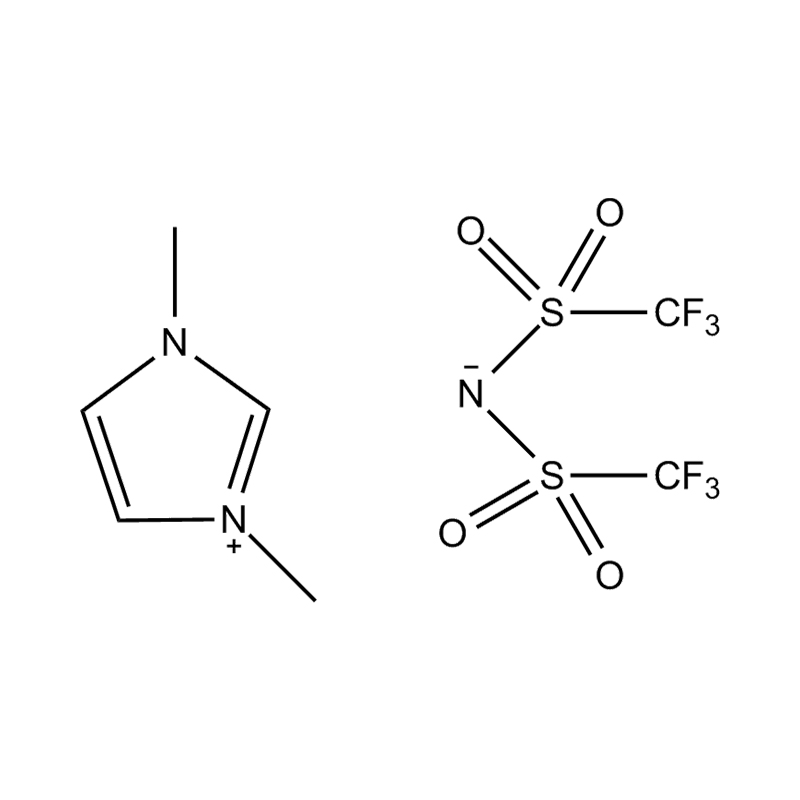
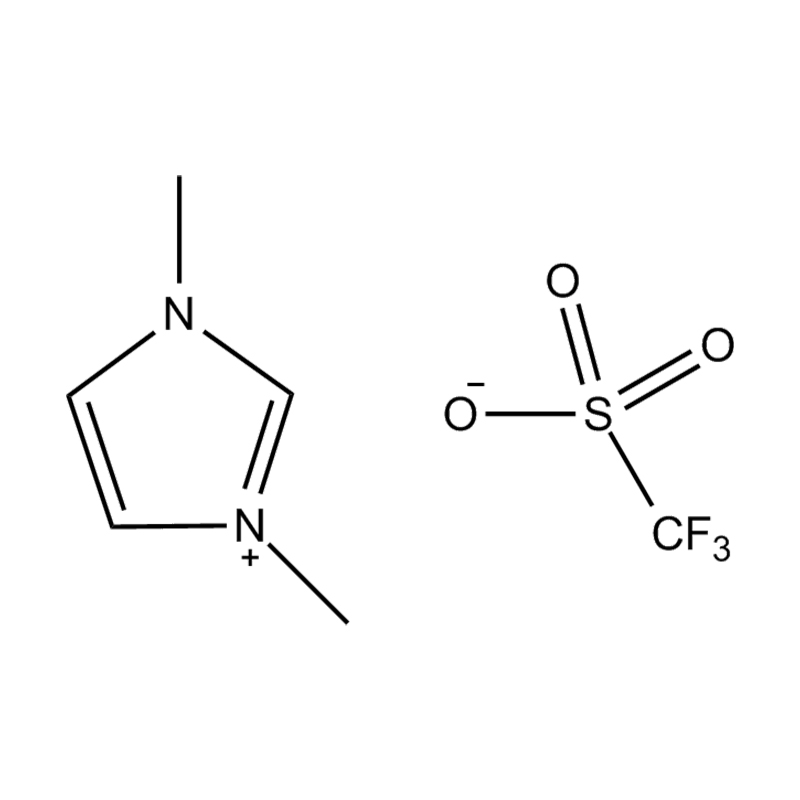
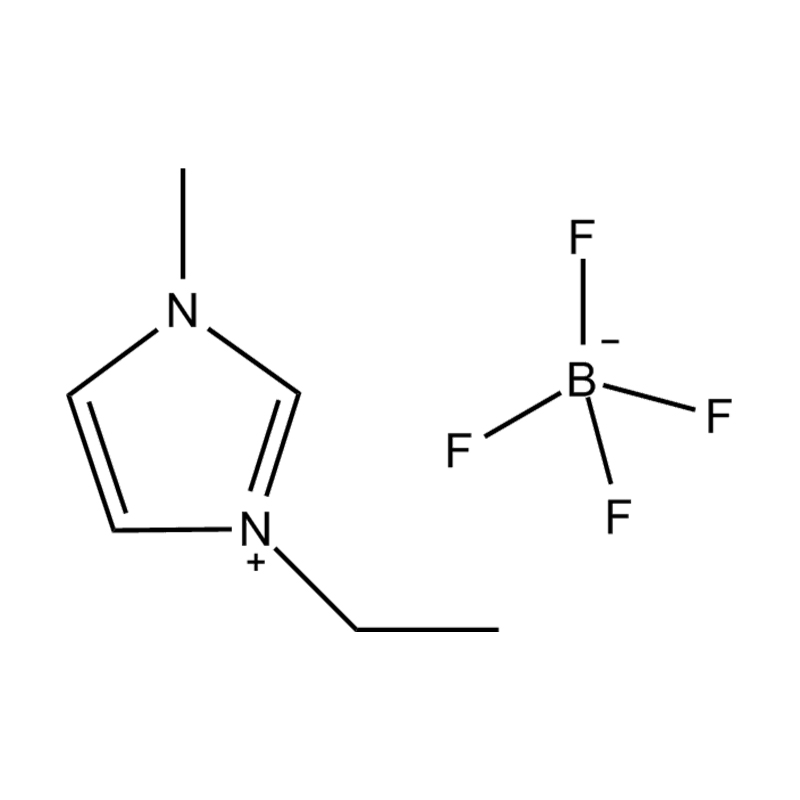
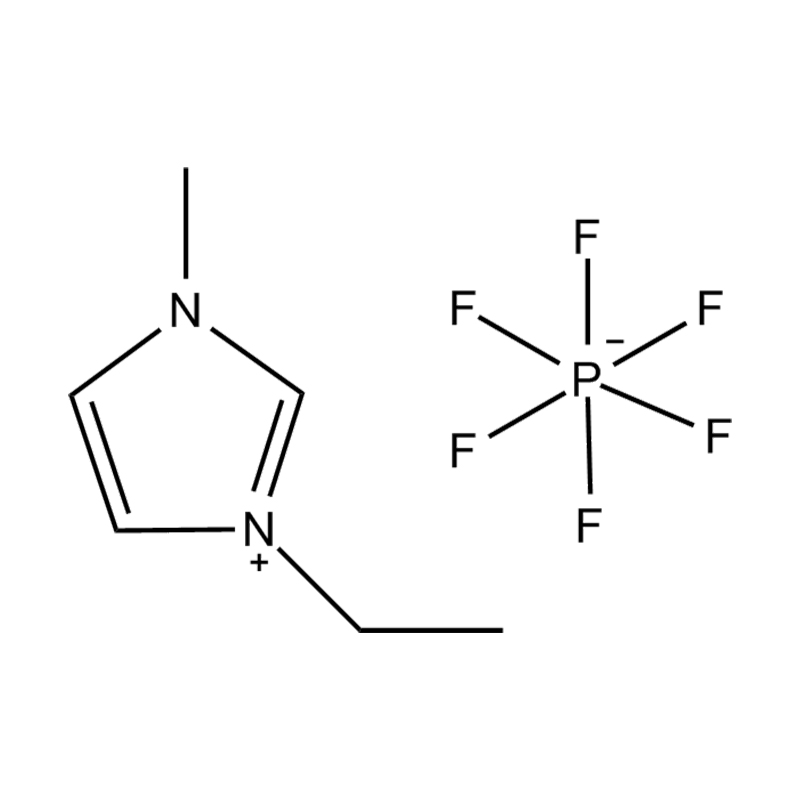
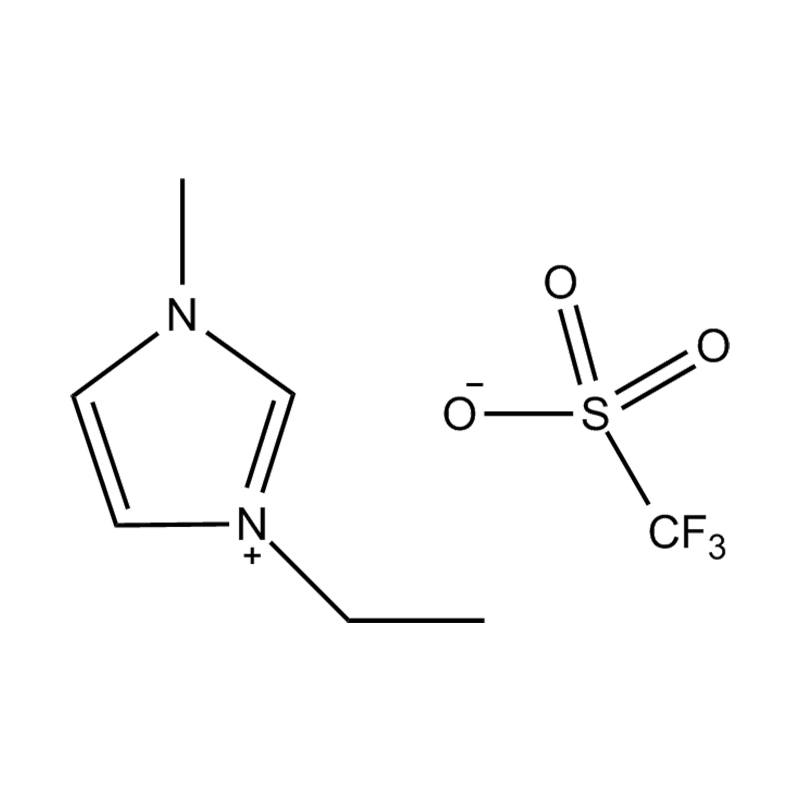
Common metathesis approaches include reaction with silver salts (AgBF₄, AgPF₆, AgNTf₂) to precipitate silver iodide and generate the corresponding [EMIM]⁺ salt with the desired anion, or reaction with alkali metal salts through liquid-liquid extraction when the target ionic liquid is hydrophobic and separates from the aqueous phase. Through these routes, EMII serves as the gateway to [EMIM][BF₄], [EMIM][PF₆], [EMIM][NTf₂], [EMIM][OTf], and many other ionic liquids with different physical and chemical properties—each finding distinct applications in catalysis, extraction, lubrication, and electrolyte technology.
Ionic Liquids Accessible from EMII via Anion Exchange
- [EMIM][BF₄] — low melting point, water-miscible ionic liquid widely used in electrochemistry and as a reaction medium
- [EMIM][PF₆] — hydrophobic ionic liquid used in liquid-liquid extraction and as a non-aqueous electrolyte
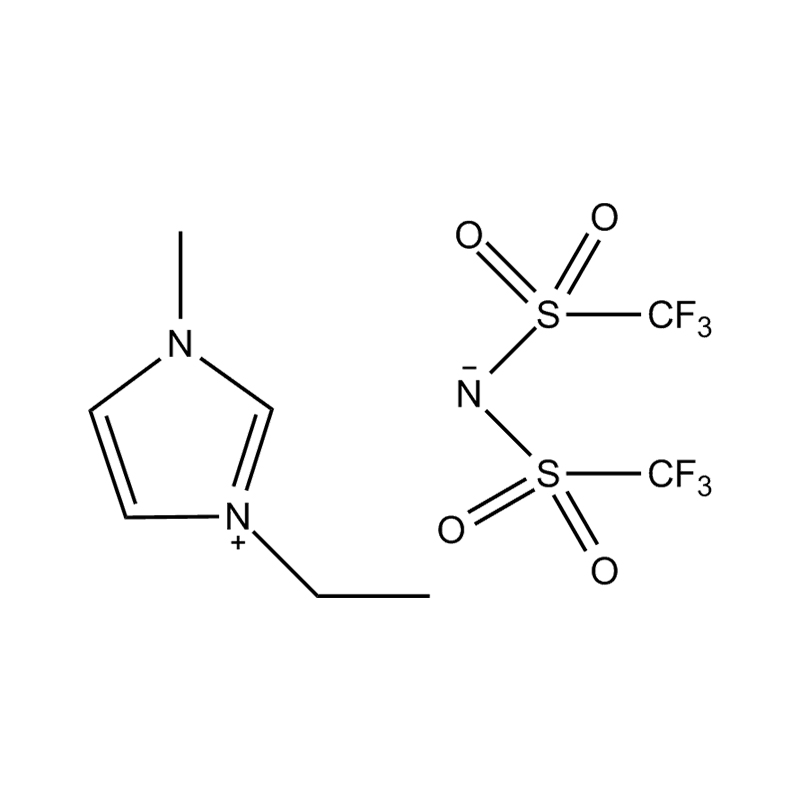
- [EMIM][NTf₂] — low viscosity, highly stable ionic liquid used in high-performance lubricants and battery electrolytes
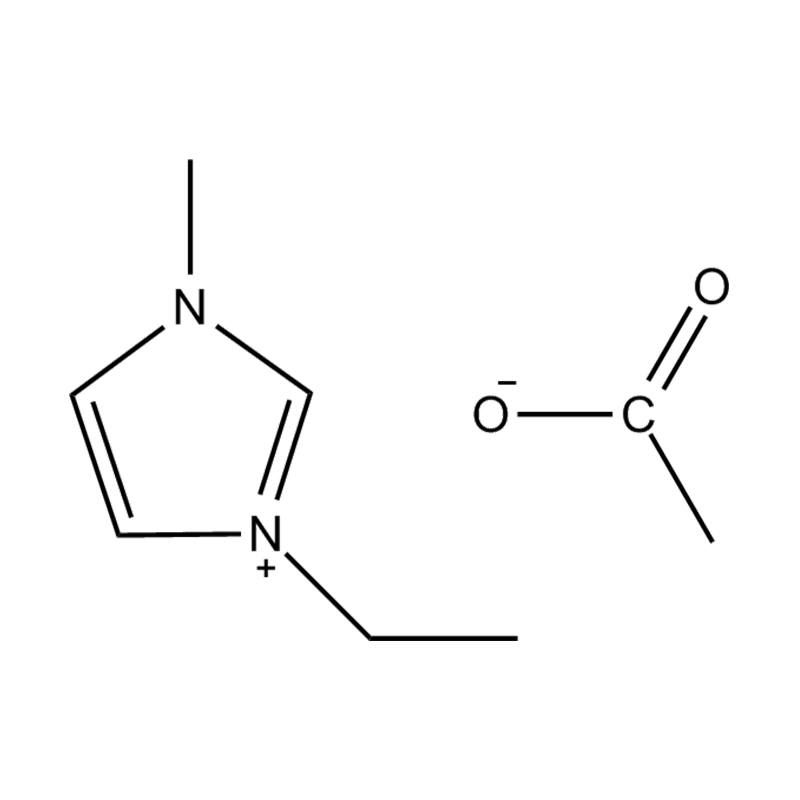
- [EMIM][OAc] — biodegradable ionic liquid used as a cellulose dissolution medium in biomass processing
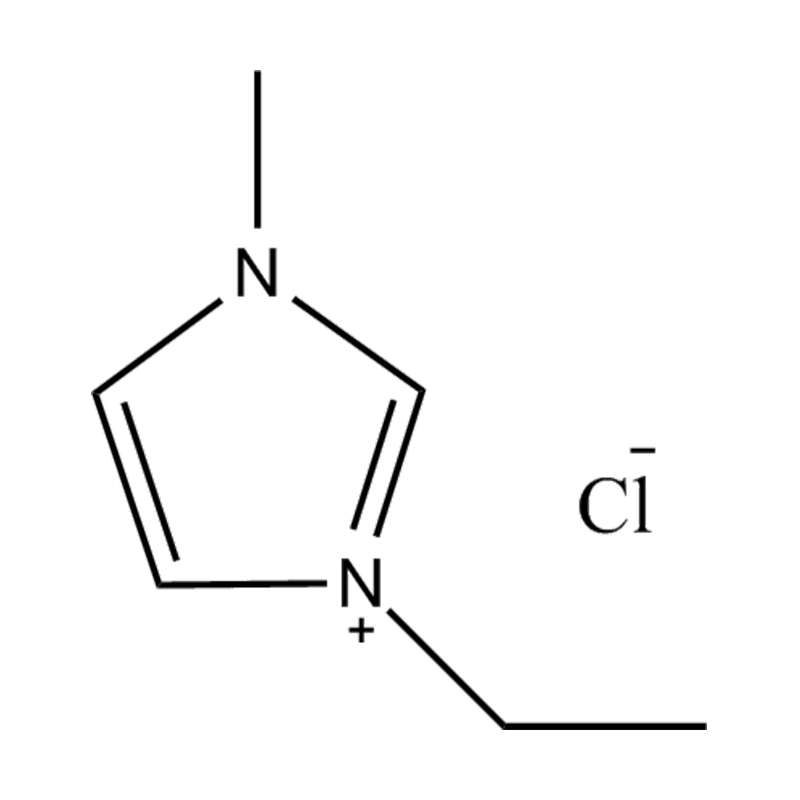
- [EMIM][Cl] — accessible via alternative synthesis routes; used in cellulose chemistry and as a Lewis acid catalyst precursor
Handling, Storage, and Safety Considerations
Although ionic liquids are often described as "green" solvents due to their negligible vapor pressure—which eliminates inhalation exposure from evaporation—this characterization does not mean they are without hazard. 1-Ethyl-3-methylimidazolium iodide should be handled with appropriate laboratory precautions. The iodide anion can be oxidized to iodine (I₂) under acidic conditions or in the presence of oxidizing agents, releasing a toxic, irritating vapor. Contact with strong oxidizers should therefore be avoided. Skin and eye contact with the compound should be prevented through the use of appropriate PPE including gloves and safety glasses, as imidazolium salts can cause irritation.
For storage, EMII should be kept in a tightly sealed container away from moisture, light, and oxidizing agents. Moisture absorption not only affects the physical properties of the compound but can promote hydrolysis of the imidazolium ring under extreme conditions. Long-term storage under inert atmosphere (nitrogen or argon) in amber glass vials is recommended for research-grade material intended for electrochemical applications where impurity levels are critical. The compound is stable for extended periods under these conditions, with shelf lives of two or more years routinely achieved when proper storage protocols are followed. Disposal should comply with local regulations for ionic compounds containing iodide, which may require treatment as a laboratory chemical waste rather than discharge to drain.