
 English
 Deutsch
 Español
 中文简体
中文简体



Ionic liquids have reshaped the landscape of modern chemistry by offering tunable, room-temperature molten salts with near-zero vapor pressure. Among the many structural families that have emerged, ether-based ionic liquids stand out for their exceptional flexibility, reduced viscosity, and enhanced ion transport capabilities. By incorporating ether-functional side chains — such as methoxyethyl or ethoxyethyl groups — into the cation or anion framework, chemists have engineered a subclass of ionic liquids that bridges the performance gap between conventional organic solvents and traditional ionic liquids. This article explores the chemistry, synthesis, properties, and real-world applications of ether-based ionic liquids in depth.
Content
- 1 Understanding the Structure of Ether-Based Ionic Liquids
- 2 Key Physical and Chemical Properties
- 3 Synthesis Routes and Preparation Methods
- 4 Electrochemical Applications in Energy Storage
- 5 Catalysis and CO₂ Capture Applications
- 6 Challenges and Practical Limitations
- 7 Emerging Research Directions and Future Outlook
Understanding the Structure of Ether-Based Ionic Liquids
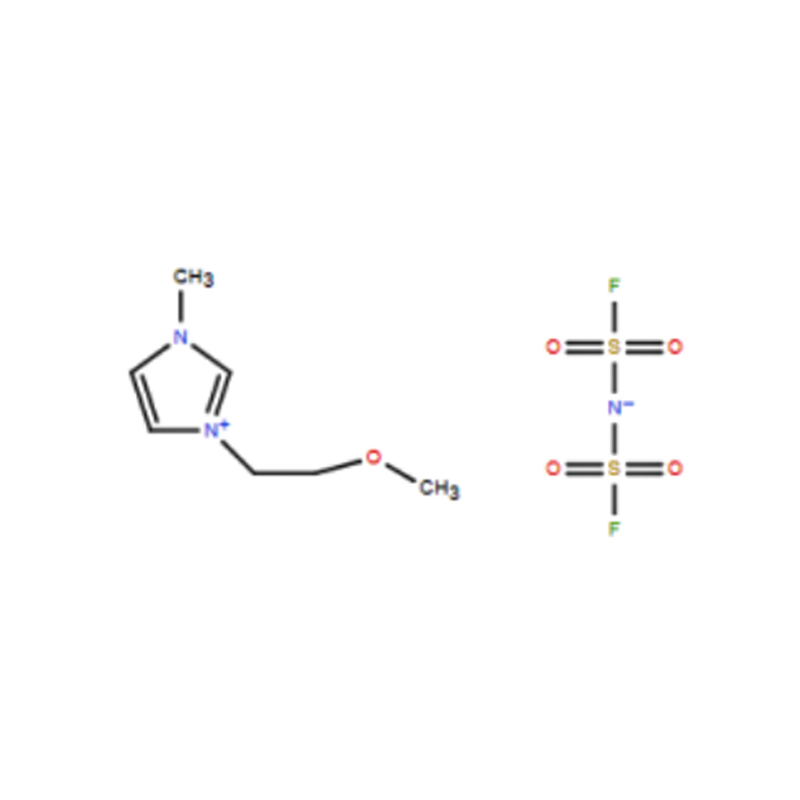
Ether-based ionic liquids are defined by the presence of one or more ether oxygen atoms (–O–) within the alkyl substituents attached to the ionic head group. The most commonly studied cations include imidazolium, pyrrolidinium, ammonium, and phosphonium, each decorated with ether-functionalized chains instead of plain alkyl groups. For example, 1-(2-methoxyethyl)-3-methylimidazolium ([MOEMIm]+) replaces the standard butyl chain of [BMIm]+ with a methoxyethyl group, fundamentally altering its physical and chemical behavior.
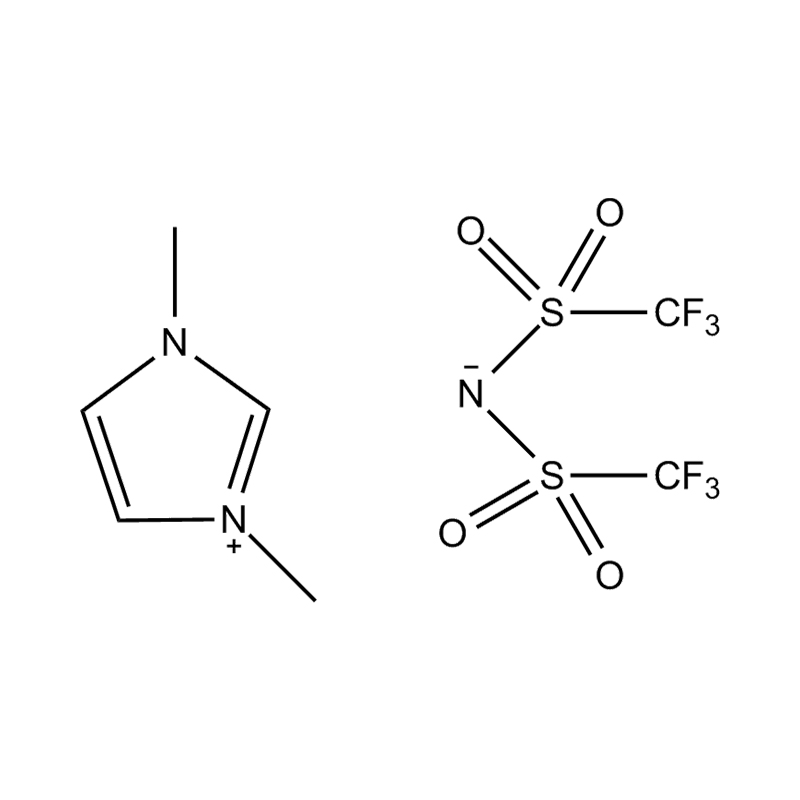
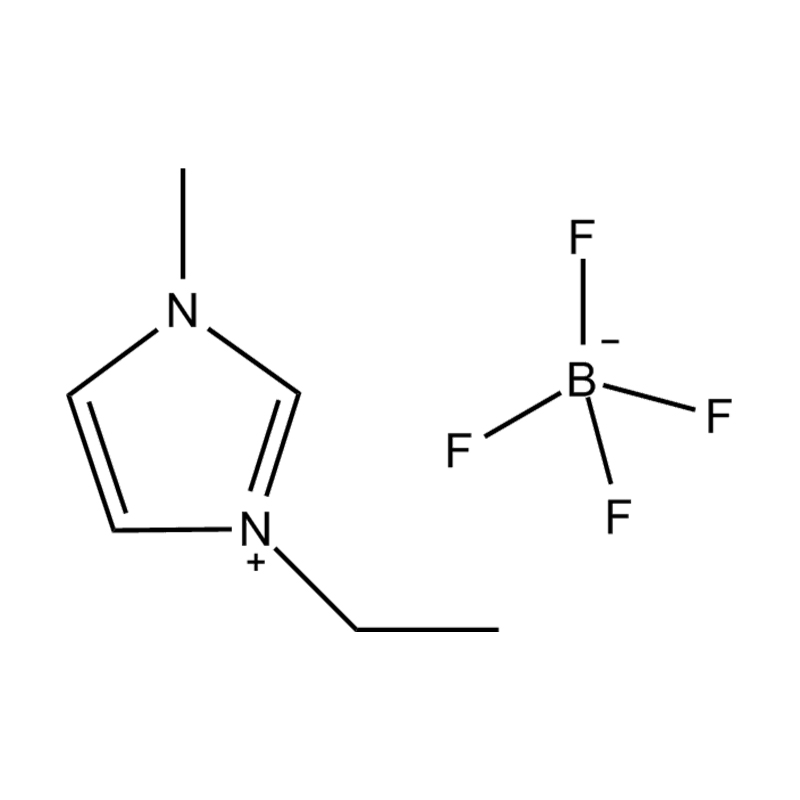
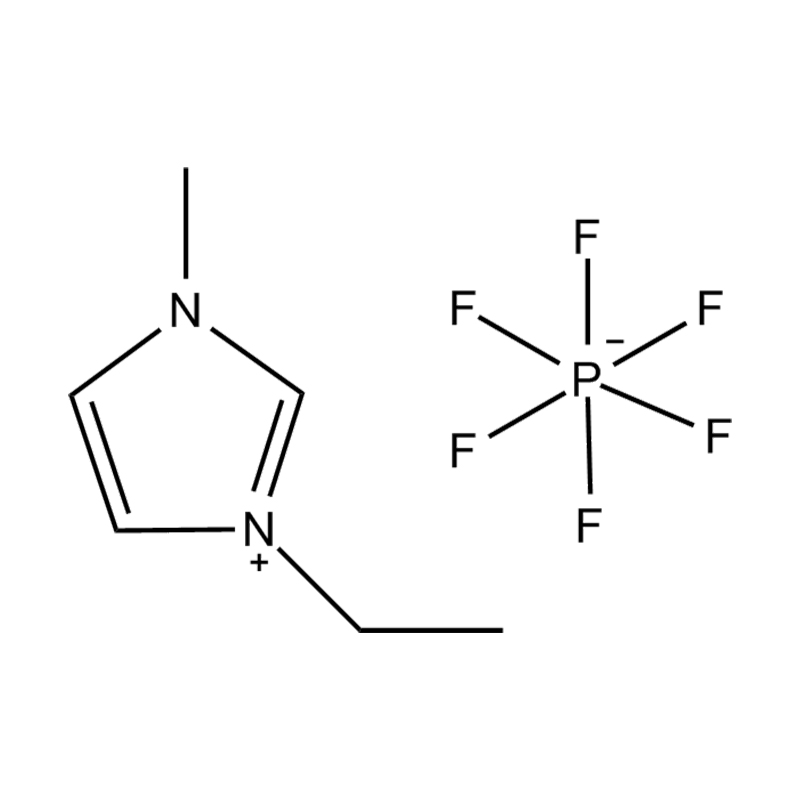
The ether oxygen acts as an electron donor and interacts with the cation's charge center, slightly delocalizing charge and reducing the overall lattice energy of the ion pair. This structural modification has cascading effects on viscosity, melting point, conductivity, and solvent compatibility. The choice of counteranion — commonly bis(trifluoromethanesulfonyl)imide ([NTf2]–), tetrafluoroborate ([BF4]–), or hexafluorophosphate ([PF6]–) — further tunes these properties for specific applications.
Common Ether Functionalization Patterns
- Methoxyethyl (–CH2CH2OCH3): the most widely studied, balancing polarity and chain flexibility
- Ethoxyethyl (–CH2CH2OC2H5): slightly more hydrophobic, used in lithium battery electrolytes
- Oligoether chains (–(CH2CH2O)n–): multi-oxygen chains offering high lithium-ion solvation power
- Glycol-derived groups: derived from ethylene glycol or poly(ethylene glycol), relevant to polymer electrolytes
Key Physical and Chemical Properties
The ether oxygen atoms significantly lower the glass transition temperature and viscosity compared to their alkyl-chain counterparts. At 25°C, typical alkyl-imidazolium ionic liquids exhibit viscosities of 50–300 mPa·s, while ether-functionalized analogues can fall as low as 20–60 mPa·s depending on chain length and anion choice. This is critical for electrolyte applications where mass transport governs device performance.
Ionic conductivity in ether-based systems is correspondingly improved. Values of 5–15 mS/cm at room temperature are regularly reported for [MOEMIm][NTf2]-type systems, compared to 2–8 mS/cm for conventional [BMIm][NTf2]. The improvement stems from faster ion diffusion enabled by lower viscosity and weaker ion–ion interactions due to charge delocalization along the ether chain.
Thermal stability is another distinguishing feature. Most ether-functionalized ionic liquids are stable up to 200–300°C, though the presence of multiple ether linkages can marginally reduce the onset decomposition temperature compared to purely alkyl systems. Electrochemical windows of 3–5 V are routinely observed, making them viable for high-voltage battery and capacitor applications.
| Property | Alkyl Ionic Liquids | Ether-Based Ionic Liquids |
|---|---|---|
| Viscosity (25°C) | 50–300 mPa·s | 20–60 mPa·s |
| Ionic Conductivity | 2–8 mS/cm | 5–15 mS/cm |
| Electrochemical Window | 3–5.5 V | 3–5 V |
| Thermal Stability | Up to 350°C | 200–300°C |
| Li⁺ Transference Number | 0.1–0.2 | 0.3–0.5 |
Synthesis Routes and Preparation Methods
The synthesis of ether-based ionic liquids typically follows a two-step quaternization-metathesis approach. In the first step, a nitrogen- or phosphorus-containing heterocycle or amine is alkylated using an ether-functionalized halide (e.g., 2-methoxyethyl chloride or tosylate). The resulting halide salt is isolated and purified, often by washing with ethyl acetate to remove unreacted starting material.
In the second step, the halide anion is exchanged for a weakly coordinating anion such as [NTf2]– or [BF4]– via metathesis with the corresponding lithium or potassium salt in aqueous or mixed solvent media. The ionic liquid product, being hydrophobic in many cases, separates as a distinct phase and is dried under vacuum at 60–80°C to remove residual water, which is critical because even trace moisture can degrade electrochemical performance.
Quality Control Considerations
Characterization of the final product should include 1H and 13C NMR to confirm structure, Karl Fischer titration to verify water content (ideally below 50 ppm), and ion chromatography to check for residual halide impurities (target below 10 ppm). Impurities significantly affect conductivity measurements and can cause false electrochemical signals during cell testing.
Electrochemical Applications in Energy Storage
The most commercially significant application of ether-based ionic liquids is as electrolytes or electrolyte additives in lithium-ion and lithium-metal batteries. The ether oxygen atoms in these ionic liquids coordinate with Li+ ions in a manner similar to crown ethers and polyethylene oxide, dramatically improving Li+ transference numbers. While conventional ionic liquid electrolytes typically show Li+ transference numbers below 0.2, ether-functionalized systems regularly achieve values of 0.3–0.5, enabling faster charging and reduced concentration polarization at the electrode interface.
In sodium-ion batteries — a growing area of interest due to lithium's scarcity — ether-based ionic liquids have shown particular promise. Research groups have demonstrated reversible Na plating and stripping in [MOEMIm][FSI]-based electrolytes at Coulombic efficiencies exceeding 99%, outperforming carbonate-based electrolytes at elevated temperatures. The non-flammability of these ionic liquids is an especially attractive safety feature for large-format energy storage systems.
Supercapacitors also benefit substantially from ether-based ionic liquid electrolytes. Their low viscosity allows rapid ion diffusion into microporous carbon electrodes, achieving specific capacitances of 150–200 F/g at scan rates where conventional ionic liquid electrolytes show significant capacitance decay. Operating voltage windows of up to 3.5 V in ether-based systems translate directly into higher energy density for the device.
Catalysis and CO₂ Capture Applications
Beyond energy storage, ether-based ionic liquids serve as effective reaction media and catalysts in organic synthesis. Their polar ether groups stabilize charged transition states, accelerating nucleophilic substitution, cycloaddition, and Diels-Alder reactions. Because they are non-volatile, reaction products can be distilled away from the ionic liquid solvent, which can then be recovered and reused without significant performance loss — a major advantage for green chemistry workflows.
CO₂ capture and conversion is another rapidly developing application area. Ether-based ionic liquids absorb CO₂ through physical dissolution at moderate pressures (1–10 bar), with the ether oxygen network providing favorable interaction sites. When combined with task-specific functional groups (e.g., amino or carboxylate moieties), these materials can switch between physical and chemisorption modes, enabling pressure- or temperature-swing regeneration cycles for industrial carbon capture processes.
Other Noteworthy Application Areas
- Dye-sensitized solar cells (DSSCs): used as quasi-solid electrolytes to replace volatile organic solvents without sacrificing ion mobility
- Gas separation membranes: incorporated into polymer matrices to enhance CO₂/N₂ and CO₂/CH₄ selectivity
- Lubricants and anti-wear coatings: ether chains improve wetting behavior on metal surfaces, reducing friction under boundary lubrication conditions
- Pharmaceutical extraction: selective dissolution of bioactive compounds from complex matrices with minimal co-extraction of unwanted species
Challenges and Practical Limitations
Despite their advantages, ether-based ionic liquids are not without challenges. Their relatively narrower electrochemical window compared to purely alkyl systems — stemming from the oxidative vulnerability of the ether C–O bond — can limit their use in high-voltage cathode applications above 4.5 V vs. Li/Li+. Electrolyte oxidation at the cathode surface generates unwanted byproducts and contributes to cell capacity fade over repeated cycles.
Cost remains a significant barrier to large-scale deployment. The synthesis of high-purity ether-functionalized halides as alkylating agents is more expensive than simple 1-chlorobutane or 1-bromobutane used for standard ionic liquids. Additionally, the metathesis step requires high-purity lithium bis(trifluoromethanesulfonyl)imide, which itself commands a premium price. While bench-scale research is feasible, industrial-scale production demands process optimization to bring costs down to commercially viable levels.
Hydrophilicity is a double-edged factor. More polar ether chains can increase water uptake from ambient air, requiring stringent dry-room or glovebox handling conditions throughout device fabrication. This adds infrastructure costs and complexity, particularly for manufacturers transitioning from conventional organic electrolyte processes.
Emerging Research Directions and Future Outlook
Current research is pushing the boundaries of ether-based ionic liquid design in several exciting directions. One promising avenue is the development of single-ion conducting ionic liquids, where the ether-functionalized chain is anchored to a polymer backbone and only one ionic species (e.g., Li+) is mobile. These solid-state or gel-state systems combine the mechanical stability of polymers with the ion transport benefits of ether oxygen coordination, targeting Li+ transference numbers approaching unity.
Another frontier is the use of deep eutectic solvents (DES) derived from ether-containing hydrogen bond donors mixed with ionic liquid components. These mixtures are cheaper to prepare, often biodegradable, and retain many of the favorable transport properties of their ionic liquid counterparts, broadening the toolkit available to formulators and process engineers.
Machine learning and high-throughput screening are accelerating the discovery of optimal ether-based ionic liquid compositions. By training models on existing viscosity, conductivity, and electrochemical stability data, researchers can now predict the performance of novel structures before synthesis — reducing experimental iteration time from months to days. As these computational tools mature, the design space for ether-functionalized ionic liquids will expand dramatically, enabling more targeted solutions for energy storage, catalysis, and environmental remediation challenges ahead.