
 English
 Deutsch
 Español
 中文简体
中文简体



For well over a decade, our team at Zhejiang Ldet Energy Technology Development Co., Ltd. has been immersed in the world of ionic liquids. We have seen these remarkable materials evolve from laboratory curiosities into indispensable tools for modern industry. Whether you are looking to improve catalytic efficiency, enhance battery performance, or develop greener separation processes, the right ionic liquid can make all the difference. In this article, we will walk through some of the most impactful industrial applications of ionic liquids and share insights from our own experience in customizing these versatile compounds for clients around the globe.
Content
What Makes Ionic Liquids So Versatile in Industry?
Ionic liquids are molten salts at room temperature. Their unique combination of properties—negligible vapor pressure, high thermal stability, wide electrochemical window, and tunable solubility—makes them exceptionally attractive for a broad range of industrial processes. By carefully selecting the cation and anion, we can design an ionic liquid with precisely the viscosity, polarity, and reactivity needed for a specific task. This molecular tunability is what sets ionic liquids apart from conventional solvents and catalysts.
From our work with clients across petrochemicals, pharmaceuticals, and energy storage, we have learned that success often depends on finding the right structural match. This is why we offer over a dozen families of ionic liquids, each tailored for different industrial needs.
Key Application Areas for Industrial Ionic Liquids
Catalysis and Chemical Synthesis
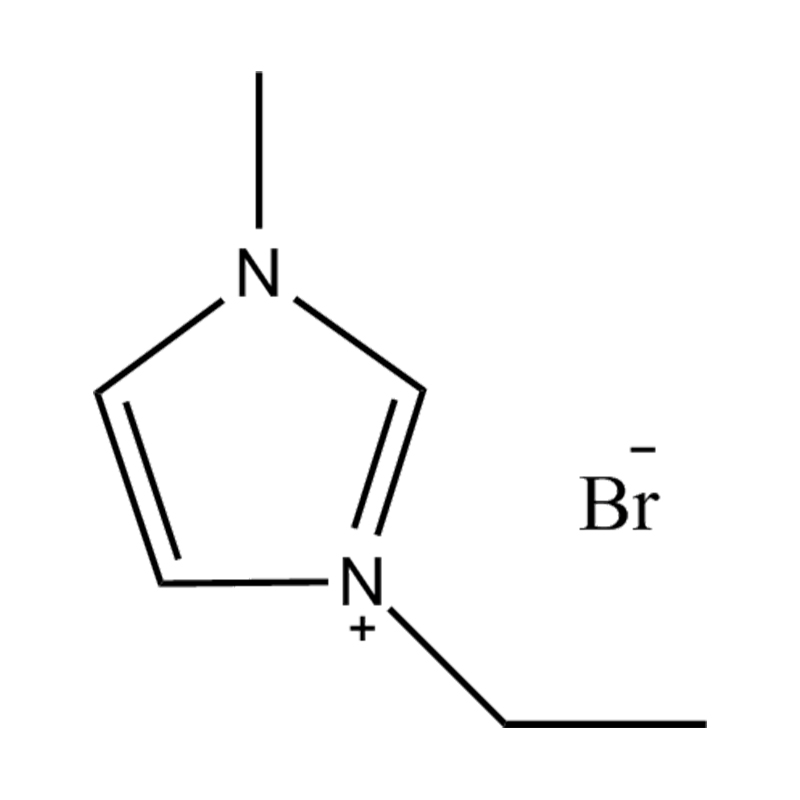
One of the earliest and most successful industrial uses of ionic liquids is in catalysis. In petrochemical refining, for instance, ionic liquids can serve as both solvents and catalysts for alkylation and cracking reactions. Their ability to dissolve a wide range of organic and inorganic compounds, combined with their non-volatility, makes them ideal for processes that demand high selectivity and easy product separation. We have supplied disubstituted imidazole ionic liquids to refineries looking to optimize catalytic cracking, and the results have consistently shown improved yields and reduced byproduct formation. For those exploring new synthetic routes, our 1-butyl-3-methylimidazolium bromide is a popular choice for reactions requiring a stable, halide-based ionic liquid medium.
Energy Storage and Battery Electrolytes
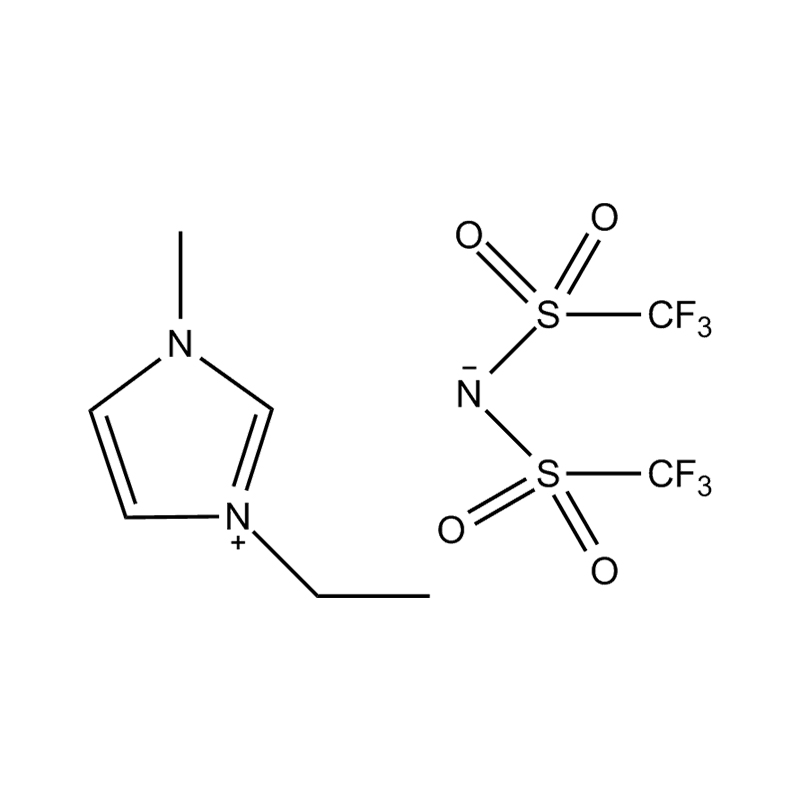
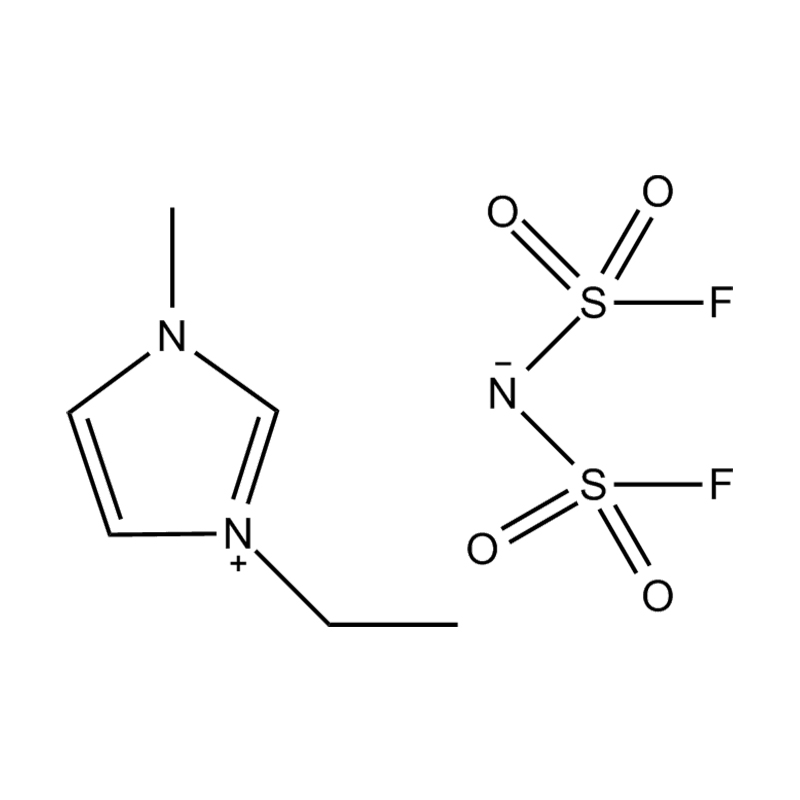
The energy storage industry has embraced ionic liquids as key components in advanced electrolytes. Their wide electrochemical stability window and low flammability address critical safety and performance challenges in lithium-ion and next-generation batteries. We have developed a specialized series of lithium electrolyte additives based on imidazolium, pyrrolidinium, and piperidinium cations, paired with anions like bis(trifluoromethanesulfonyl)imide (TFSI) and bis(fluorosulfonyl)imide (FSI). These additives improve ionic conductivity and cycling stability, especially in high-voltage and solid-state systems.
In our conversations with battery manufacturers, we have found that the ability to fine-tune the cation structure—for example, using ether-based ionic liquids for enhanced lithium-ion transport—often leads to significant performance gains. Our 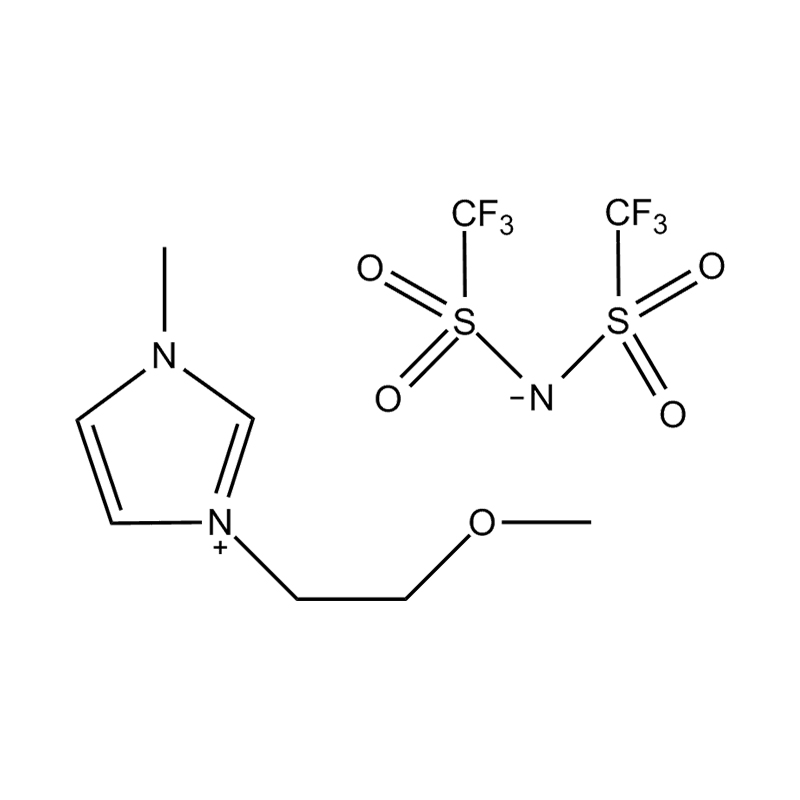 1-Methoxyethyl-3-methylimidazolium bis(trifluoromethanesulfonyl)imide saltThe chemical structure of 1-methoxyethyl-3-methylimidazolium bis(trifluoromethanesulfonyl)imide salt consists of an imidazole ring, which is a five-membered ring consi...View Product → is a representative product that illustrates how ether-functionalized side chains can improve electrochemical performance in energy storage applications.
Separation and Extraction Processes
Ionic liquids excel in separation technologies, from liquid-liquid extraction to gas capture. Their tunable affinity for different solutes allows them to selectively extract target compounds from complex mixtures. For instance, in the chemical and pharmaceutical industries, we have seen our diaphragm white oil extractant help companies achieve high-purity hydrocarbon separation with minimal waste. Similarly, ionic liquids are increasingly used for carbon capture, where their low vapor pressure prevents solvent loss during absorption-desorption cycles.
Another area where we have made significant contributions is in PET depolymerization. Our  PET Degradation Catalyst Manufacturersinformation to be updatedView Product → enables efficient chemical recycling of polyesters, breaking down waste into monomers that can be repolymerized into virgin-quality material. This technology supports the circular economy goals of many forward-thinking manufacturers.
Antistatic Agents for Polymers and Electronics
Static electricity is a persistent challenge in the production of plastics, textiles, and electronic components. Ionic liquids make highly effective antistatic agents because they are inherently conductive and can be incorporated into polymer matrices without compromising mechanical properties. We offer a range of antistatic agents that are compatible with adhesive tapes, packaging films, and electronic housings. Our clients in the electronics industry appreciate how these additives reduce surface resistivity without the blooming or migration issues seen with conventional surfactants. For a deeper dive into selection criteria, you can explore our detailed guide on antistatic agent functions, types, and applications.
One product we often recommend for plastic and film applications is our Membrane Extraction Agent Manufacturersinformation to be updatedView Product →, which doubles as an effective antistatic additive when blended into polymer formulations. It is a versatile solution that addresses both processing and end-use performance requirements.
Customization: The Key to Unlocking Full Potential
While off-the-shelf ionic liquids meet many common needs, the most demanding applications often require a tailored approach. Over the years, we have developed a robust capability for custom synthesis, allowing us to modify cation head groups, alkyl chain lengths, and anion types to achieve specific properties. Whether a client needs a pyridinium-based ionic liquid for enhanced thermal stability or a quaternary ammonium salt for improved biodegradability, our R&D team can deliver.
The table below summarizes some of the most common industrial ionic liquid families we supply and their typical uses:
| Family | Typical Applications |
|---|---|
| Disubstituted Imidazole | Catalysis, electrochemistry, solvents for synthesis |
| Pyridine | Gas capture, organic synthesis, separation processes |
| Pyrrolidine | Lithium battery electrolytes, supercapacitors |
| Piperidine | High-voltage battery applications, thermal fluids |
| Quaternary Ammonium | Antistatic agents, phase-transfer catalysis |
| Ether-based | Lithium-ion transport, electrochemical devices |
| Hydroxyl | Biodegradable solvents, metal extraction |
| Benzyl | Specialty synthesis, pharmaceutical intermediates |
If your process requires a combination of properties not found in standard products, we encourage you to reach out. Our team has the expertise to design a custom ionic liquid that meets your exact specifications.
Toward a Greener Future with Ionic Liquids
One of the most compelling reasons to adopt ionic liquid technology is its contribution to green chemistry. Because ionic liquids have negligible vapor pressure, they eliminate the volatile organic compound (VOC) emissions associated with traditional solvents. They also enable catalyst recycling and reduce energy consumption in separation steps. We have helped several clients redesign their processes to be more sustainable, and the environmental and economic benefits have been substantial.
For example, our work in developing efficient PET degradation catalysts has made chemical recycling more accessible and cost-effective. By using ionic liquids as both solvents and catalysts, we can achieve high depolymerization rates under mild conditions. This approach not only diverts plastic waste from landfills but also reduces the carbon footprint of polyester production.
From catalysis to energy storage to separation and antistatic applications, industrial ionic liquids offer solutions that conventional materials simply cannot match. At Ldet Energy, we combine deep technical knowledge with a broad product portfolio and custom synthesis capabilities to help our partners succeed. Whether you are exploring a new application or looking to optimize an existing process, we invite you to get in touch. Let us work together to find the ionic liquid that fits your needs.