
 English
 Deutsch
 Español
 中文简体
中文简体



Hydrogenation catalysts are the quiet workhorses of modern industrial chemistry. They make it possible to add hydrogen across unsaturated bonds efficiently, turning alkenes into alkanes, vegetable oils into hardened fats, nitro compounds into amines, and a wide range of intermediates into higher-value products. Without them, these reactions would be impractically slow or would demand extreme temperatures and pressures. For process engineers, R&D chemists, and procurement teams alike, understanding how hydrogenation catalysts behave, and which enabling materials can make them work better, is a genuine competitive advantage.
Content
Understanding Hydrogenation Catalysts
At its core, hydrogenation is a reduction reaction in which molecular hydrogen (H2) adds across a double or triple bond. The reaction is thermodynamically favorable, yet the strength of the H-H bond means that useful rates are rarely achieved without a catalyst. Hydrogenation catalysts open an alternative reaction pathway: they adsorb hydrogen onto an active surface or activate it within a metal complex, weakening the H-H bond and transferring hydrogen atoms to the substrate with remarkable precision.
A catalyst is not consumed during the process, which is why even small loadings can transform large quantities of feedstock. The real art, however, lies in selectivity. Depending on the catalyst chosen, a process can be tuned to hydrogenate one functional group while leaving another intact, or to stop at an intermediate stage, for example converting an alkyne to an alkene without over-reducing it to the alkane.
The scope of hydrogenation is enormous. Refineries use it to remove sulfur and saturate olefins in fuels; the food industry relies on it to control the texture and shelf life of fats; and pharmaceutical manufacturers use it to build complex chiral molecules with high precision. In every case, the catalyst determines whether the process is fast enough, clean enough, and economical enough for production.
Families of Hydrogenation Catalysts
Two broad families dominate industrial and laboratory hydrogenation: heterogeneous catalysts and homogeneous catalysts. Each has its own strengths, and the best choice depends on the target molecule, the production scale, and the overall process economics.
| Catalyst Family | Representative Examples | Key Strengths | Common Limitations |
|---|---|---|---|
| Heterogeneous | Pd/C, PtO2, Raney Ni, Ru/Al2O3 | Easy separation, robust, reusable | Harsher conditions; broader selectivity profile |
| Homogeneous | Wilkinson's catalyst, chiral Rh and Ru complexes | Mild conditions; high stereo- and chemoselectivity | Difficult catalyst recovery; sensitive to air and moisture |
Heterogeneous Catalysts
Heterogeneous catalysts are solids that promote reactions in liquid or gas phases. Precious metals such as palladium and platinum, usually dispersed on carbon or alumina supports, are prized for their activity in olefin and nitro-group hydrogenation. Raney nickel, an inexpensive porous nickel-aluminum alloy, remains a mainstay of large-scale hydrogenation, although its pyrophoric nature demands careful handling. The defining advantage of this family is practicality: the catalyst can be filtered or settled out of the product stream, regenerated, and reused over many cycles.
Homogeneous Catalysts
Homogeneous catalysts are dissolved metal complexes, typically based on rhodium, ruthenium, or iridium, wrapped in organic ligands. Because every metal center is accessible to the substrate, these complexes achieve high activity under mild conditions and deliver exceptional stereoselectivity. That makes them indispensable for the asymmetric hydrogenation of prochiral intermediates in pharmaceutical synthesis. Their limitations are equally well known: separating the metal complex from the product can be difficult, and many complexes degrade in the presence of oxygen or moisture.
Choosing the Right Hydrogenation Catalyst
Selecting a hydrogenation catalyst is rarely a matter of picking the most active option off the shelf. A number of factors deserve careful consideration during process development:
- Activity and throughput: how much product can be produced per unit of catalyst and time?
- Chemo- and stereoselectivity: will the catalyst attack only the desired bond?
- Stability: can it survive the reaction conditions and repeated regeneration cycles?
- Separation and recycling: how easily can the catalyst be recovered and reused?
- Safety: some catalysts are pyrophoric, and hydrogen itself demands rigorous process safeguards.
- Cost: precious metals and chiral ligands can dominate the total process economics.
In practice, a systematic catalyst screening program is a standard step in process development. Testing a handful of catalyst families across a matrix of temperatures, pressures, and solvent systems quickly reveals the most economical working window for a given transformation.
A well-run screening campaign does more than identify a workable catalyst; it also reveals the sensitivity of the reaction to impurities in the feedstock, to variations in hydrogen quality, and to the mixing regime in the reactor. These insights are worth far more than the time invested in the experiments.
Ionic Liquids in Hydrogenation Catalysis
For more than a decade, our team at Zhejiang Ldet Energy Technology has been manufacturing ionic liquids for demanding industrial applications, and catalysis is one of the most exciting fields where these designer solvents earn their keep. Ionic liquids are salts that remain liquid at or near room temperature. Unlike conventional organic solvents, they have practically negligible vapor pressure, high thermal stability, and a remarkable ability to dissolve both polar and non-polar species. Even more important for catalysis, their cation and anion structures can be tailored to create a micro-environment that favors a specific reaction pathway.
Biphasic Catalysis with Easy Separation
When a homogeneous hydrogenation catalyst is dissolved in an ionic liquid and the product is poorly soluble in that phase, the process becomes biphasic. The substrate is hydrogenated inside the ionic liquid phase, and the product is decanted or extracted from the upper layer while the catalyst remains behind, ready for the next run. This arrangement combines the activity and selectivity of homogeneous catalysis with the recyclability of heterogeneous systems, elegantly solving the classic separation bottleneck.
Stabilizing Metal Nanoparticles
Ionic liquids also excel at stabilizing metal nanoparticles. Palladium, platinum, and ruthenium nanoparticles prepared in imidazolium-based ionic liquids show narrow size distributions and remain suspended without the aggregation that normally deactivates nanocatalysts. The ionic liquid layer around each particle not only prevents sintering but can also moderate the electronic state of the metal surface, nudging selectivity toward the desired product. Tetrafluoroborate-based imidazolium salts, in particular, offer a well-established starting point for nanoparticle screening.
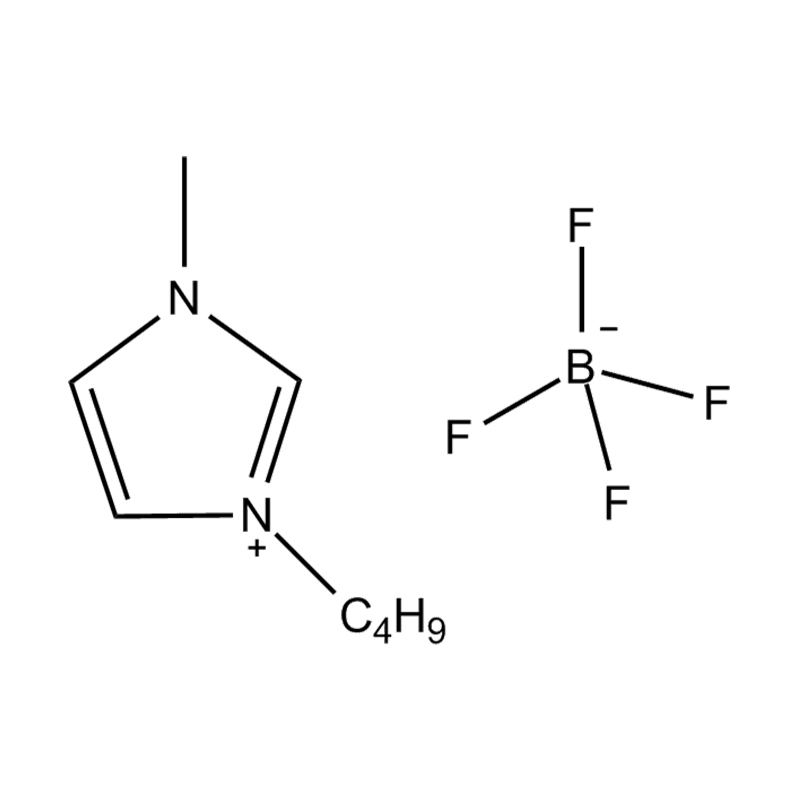 1-Butyl-3-methylimidazolium Tetrafluoroborate Ionic LiquidThis imidazolium tetrafluoroborate salt is a well-established choice for stabilizing metal nanoparticles in ionic liquid media, offering a reliable starting point for hydrogenation catalyst screening.View Product →
Tuning Selectivity with Cation and Anion Design
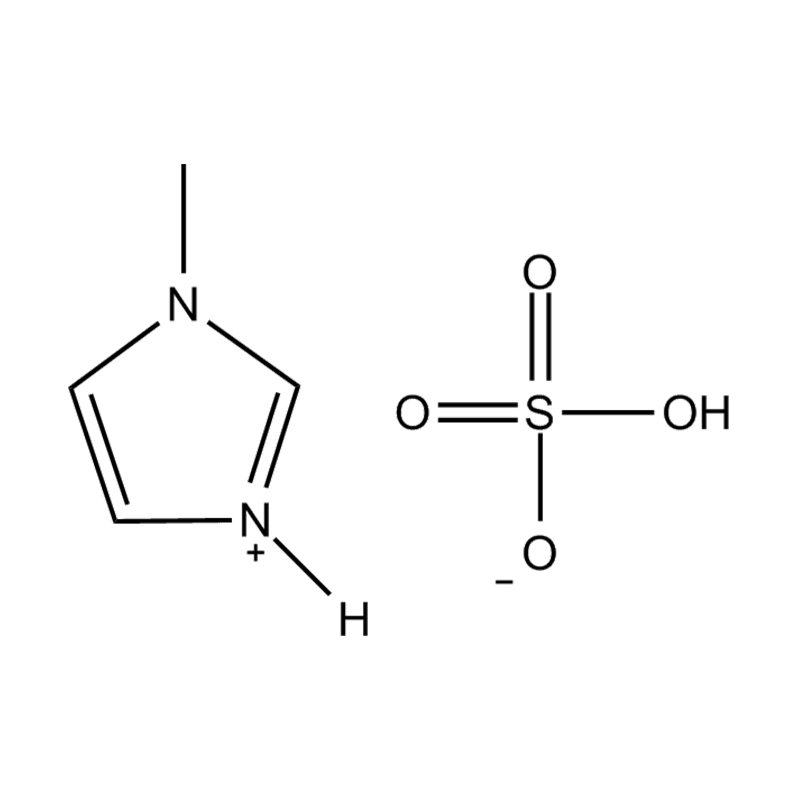
The cation and anion of an ionic liquid influence hydrogenation in subtle but powerful ways. Acidic ionic liquids, for example, can act as co-catalysts in reactions that benefit from a proton source, and they are frequently paired with metal catalysts to accelerate the overall transformation.
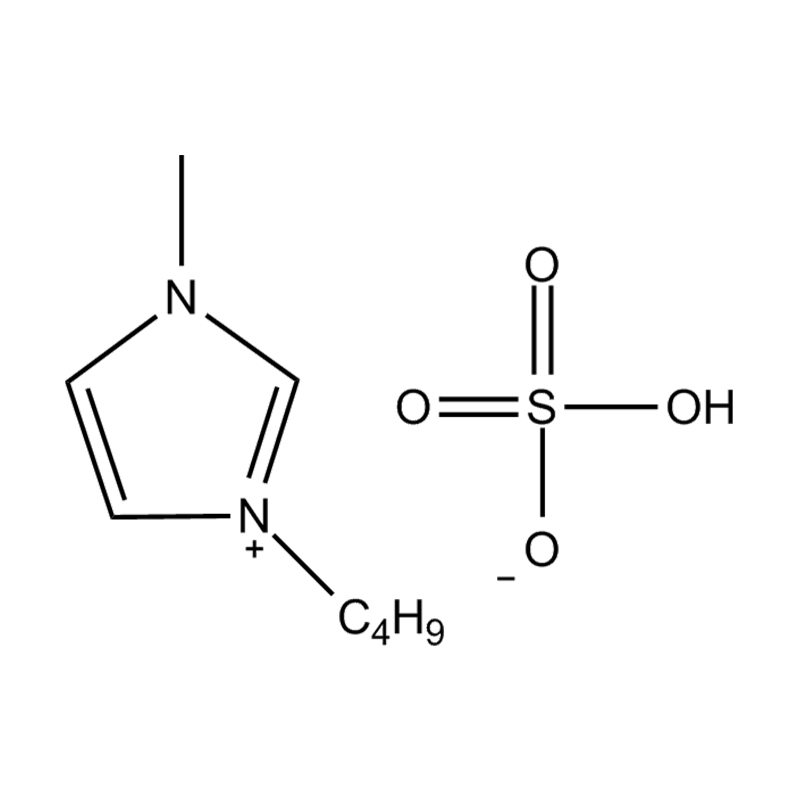 1-Butyl-3-methylimidazole Hydrogen Sulfate Ionic LiquidAs an acidic ionic liquid with a hydrogen sulfate anion, this compound can act as a proton source and co-catalyst in hydrogenation reactions, complementing metal catalysts.View Product →
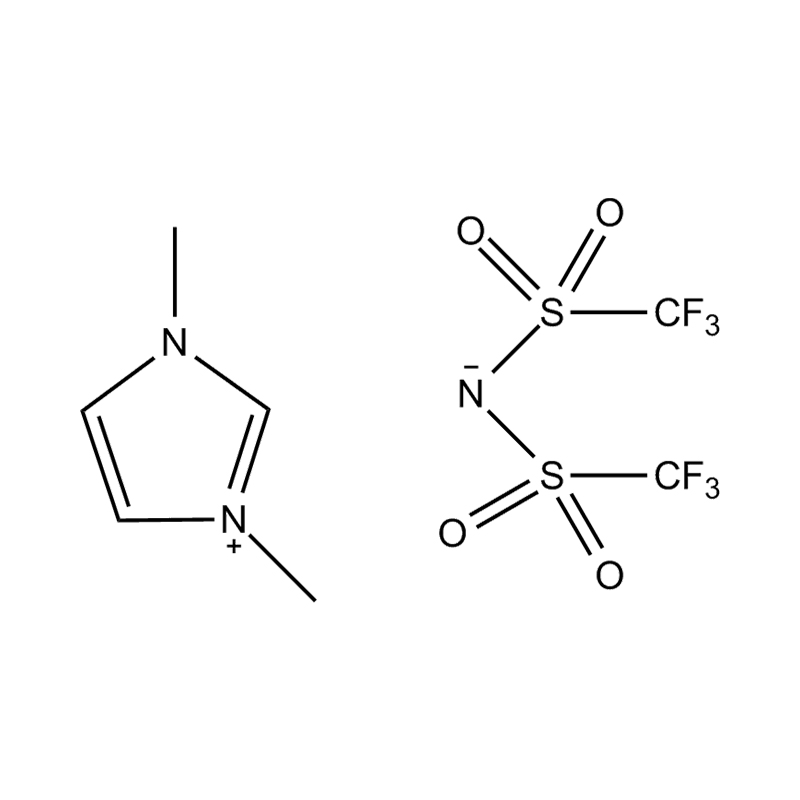
Hydrophobic anions such as bis(trifluoromethanesulfonyl)imide help stabilize catalysts in non-aqueous systems, while the choice of cation influences solubility and substrate access. Because ionic liquids can be engineered at the molecular level, they give process chemists the freedom to fine-tune the reaction environment without redesigning the catalyst itself.
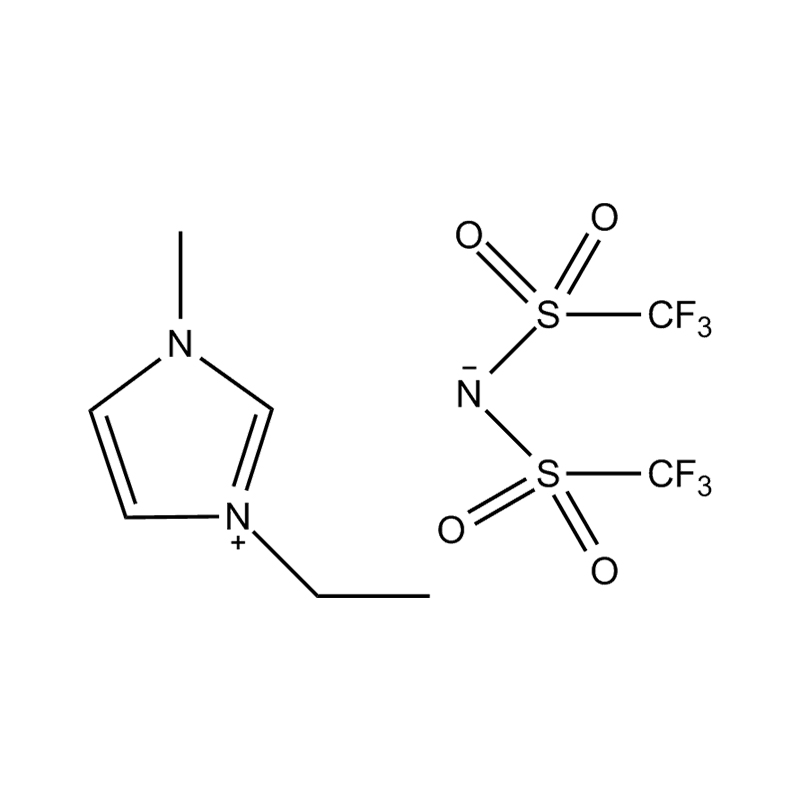 1-Ethyl-3-methylimidazolium Bis(trifluoromethanesulfonyl)imideThis hydrophobic ionic liquid with a bis(trifluoromethanesulfonyl)imide anion helps stabilize catalysts in non-aqueous systems and allows fine-tuning of the reaction environment.View Product →
Throughout our own production experience, we have seen how a carefully matched imidazolium or pyrrolidinium ionic liquid can improve catalyst turnover, extend catalyst life, and simplify downstream workup. Our practical overview of how pyrrolidine ionic liquids are used as solvents or catalysts highlights real-world behavior and screening considerations. For readers who want to explore the full range of structures we supply, our industrial ionic liquids portfolio covers the cation-anion combinations most commonly used in catalytic screening.
Sustainability and What Lies Ahead
The global drive toward greener chemistry is reshaping hydrogenation. Bio-based feedstocks, low-carbon hydrogen, and recyclable solvent systems are all part of the conversation, and ionic liquids fit naturally into this picture. Their negligible vapor pressure reduces solvent emissions, their recyclability lowers process waste, and their structural flexibility helps engineers develop processes that run at milder conditions with lower energy input.
As hydrogen from renewable electrolysis becomes more widely available, the environmental footprint of hydrogenation will continue to shrink. Catalysts that enable milder conditions and longer operational life will amplify that benefit. Ionic liquids, with their tunable structures and low volatility, are positioned to play a growing role in this transition.
Choosing the right hydrogenation catalyst is a decision that ripples through process efficiency, product quality, and operating cost. By understanding the fundamentals and keeping an eye on enabling technologies such as ionic liquids, process teams can turn a routine unit operation into a real source of competitive advantage. Whatever your scale, from laboratory screening to full production, a well-informed catalyst strategy is the surest route to a faster, cleaner, and more economical hydrogenation process.