
 English
 Deutsch
 Español
 中文简体
中文简体



Conductive silver ink is the quiet workhorse behind a growing range of products: RFID antennas, membrane switches, flexible circuits, medical sensors, touch panels, and photovoltaic busbars. Whatever the application, the ink has to do three things at once — print cleanly, cure into a highly conductive film, and stay stable on the shelf for months. That combination is harder to achieve than it looks, and most of the difficulty lives in the additive package rather than in the silver itself.
Ldet Energy Technology has been developing ionic liquids and functional additives since 2009. This article shares what we have learned about where ionic liquids genuinely help silver ink formulators, where they do not, and how to screen them quickly inside a development program.
Content
- 1 What Makes Conductive Silver Ink So Demanding?
- 2 Three Problems That Decide Whether a Silver Ink Works
- 3 Where Ionic Liquids Change the Equation
- 4 Reading the Cation and Anion Like a Formulator
- 5 Performance Benchmarks to Track During Development
- 6 Rheology and Printability: the Overlooked Middle Ground
- 7 From Laboratory Batch to Production Batch
- 8 Static Control in Converting and Handling
- 9 Let's Talk About Your Silver Ink Project
What Makes Conductive Silver Ink So Demanding?
A typical screen-printable silver ink contains 60 to 85 percent silver by weight, usually as flakes, spheres, or a blend of both. Everything else is the carrier system: solvent, polymer binder, dispersant, and small amounts of rheology modifiers, adhesion promoters, and curing agents. Silver is dense, and at that loading the particles want to settle, cluster, and bridge into agglomerates that clog meshes and create resistive pathways.
Then there is the thermal budget. Bulk silver melts near 961 °C, and micron-scale flakes need well over 150 °C to form conductive necks. Many of the substrates people care about most — PET, polyimide, paper, thermoplastic polyurethane — cannot tolerate that kind of heat for long. The formulator is therefore asked to deliver bulk-like conductivity at temperatures the substrate can actually survive.
Three Problems That Decide Whether a Silver Ink Works
Dispersion and shelf life
Agglomeration begins the moment the silver meets the vehicle. A good dispersant adsorbs on the metal surface, provides steric or electrostatic repulsion, and keeps viscosity from drifting upward during storage. When dispersion is poor, you notice it first as sediment and screen clogging, and later as resistive patches in the cured film.
Sintering at low temperature
Conductivity appears only when neighbouring particles form metallic bridges. Anything that lowers the effective sintering onset — without leaving insulating residue behind — is valuable. This is where carefully chosen ionic additives earn their place in a formulation.
Adhesion and substrate compatibility
A conductive film that lifts off during tape testing or repeated flexing is a failed film. Adhesion depends on surface energy matching between ink and substrate, and on how the binder and additives behave while the film dries.
Where Ionic Liquids Change the Equation
Ionic liquids are salts that remain liquid below 100 °C. They have negligible vapour pressure, high thermal stability, and a structure that can be tuned almost molecule by molecule. For silver ink developers, three practical roles stand out: dispersing aids that coat the silver surface and keep particles apart, sintering aids that promote inter-particle necking at lower temperatures, and wetting or conductivity modifiers that adjust the behaviour of the printed film.
If the chemistry itself is new to you, our overview of what ionic liquids are and how they work is a useful starting point before you begin screening candidates.
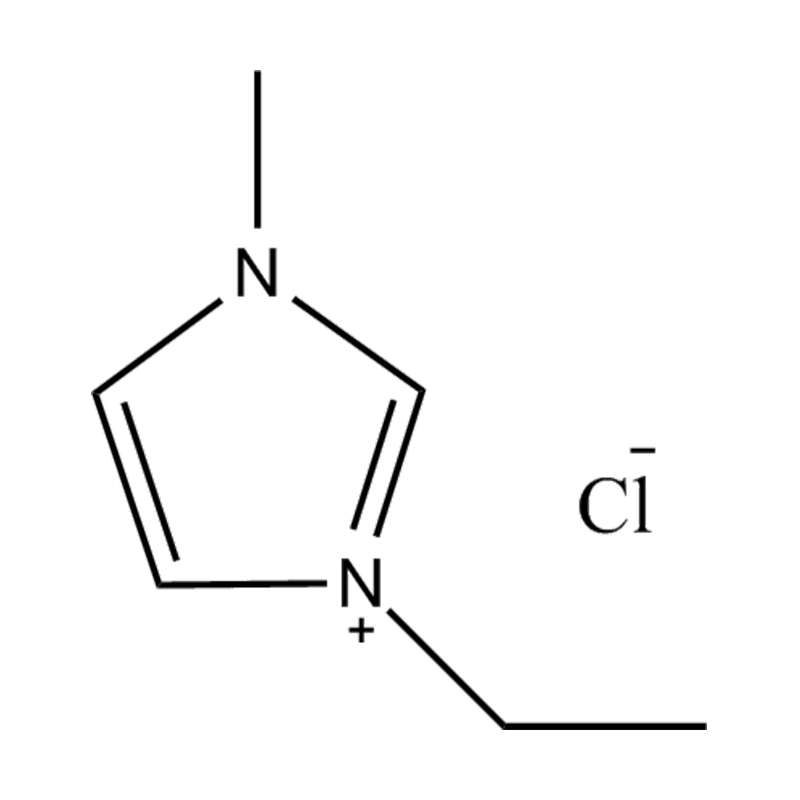
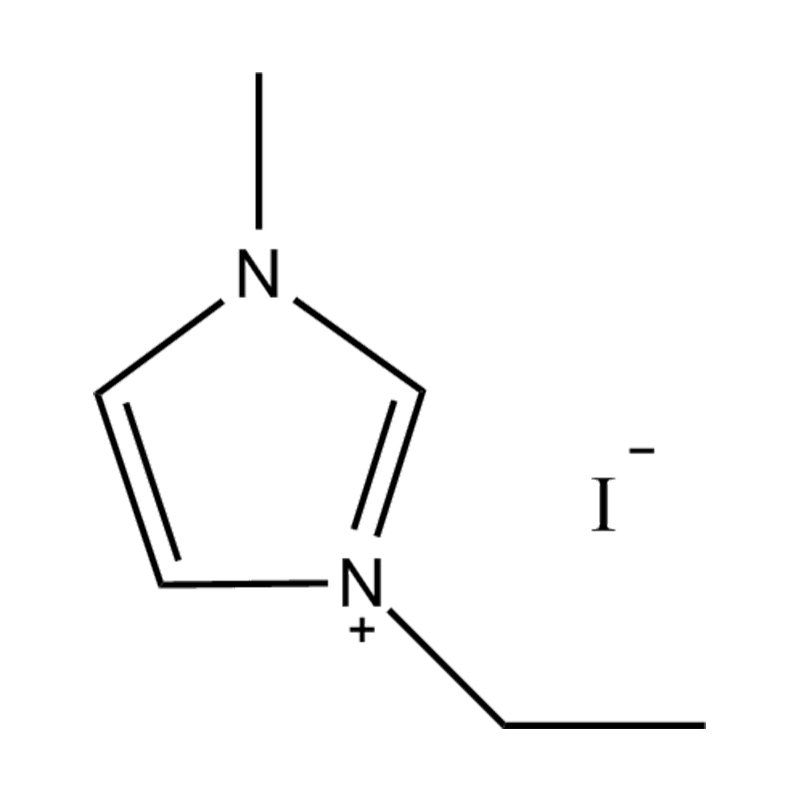
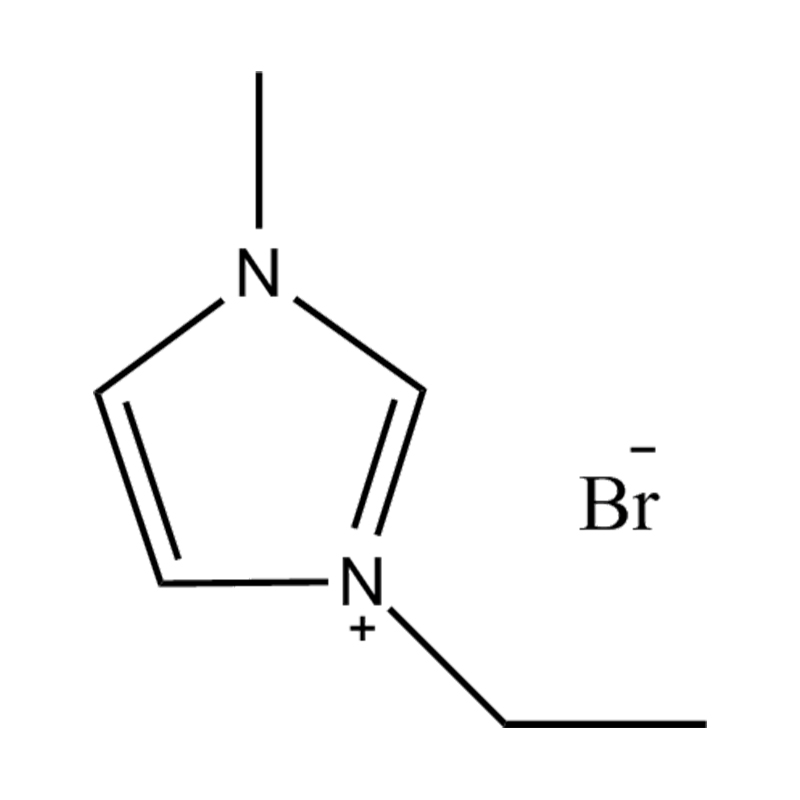 Customized Ionic Liquids Manufacturers1-Ethyl-3-methylimidazolium bromideView Product →
Reading the Cation and Anion Like a Formulator
Almost every ionic liquid property that matters to an ink — viscosity, hydrophilicity, thermal stability, electrochemical window — comes from the pairing of a cation with an anion. Changing either one reshapes the whole additive. In practice, the cation families most often evaluated in conductive formulations include:
- Imidazolium salts, including mono-, di-, and tri-substituted types, valued for thermal stability and tunable polarity
- Pyridinium and pyrrolidinium salts with strong electrochemical stability
- Piperidinium and quaternary ammonium salts with low viscosity and useful surface activity
- Quaternary phosphonium salts for demanding high-temperature processing
- Hydroxyl- and ether-functionalized cations for wetting and adhesion control
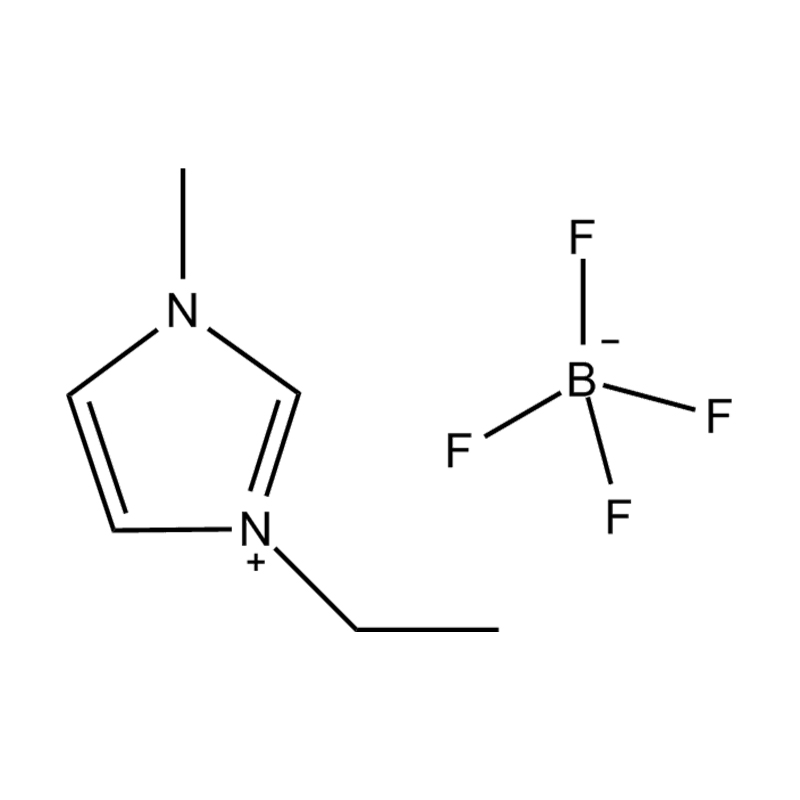
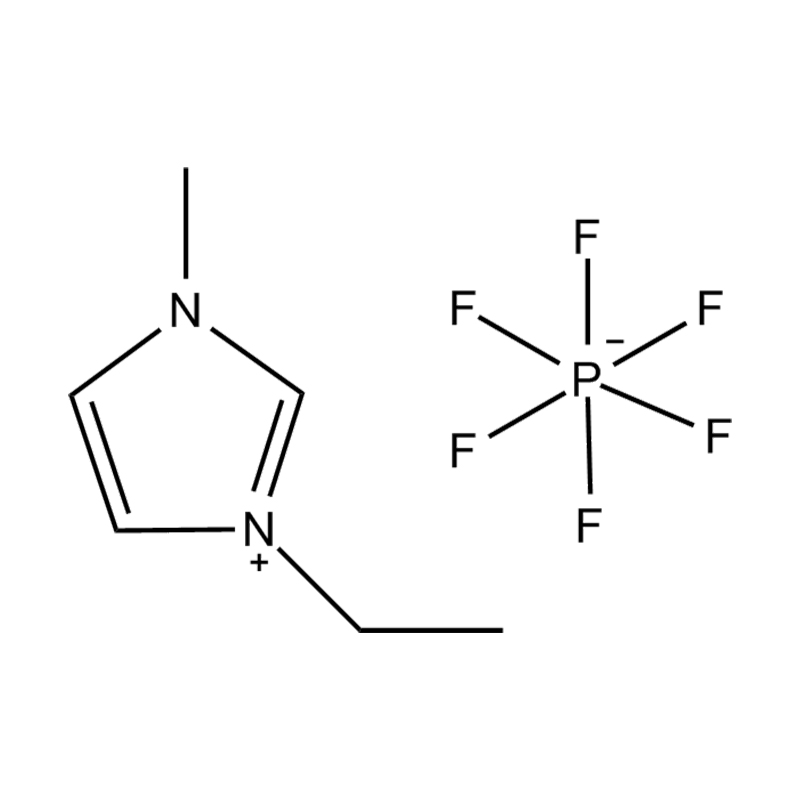
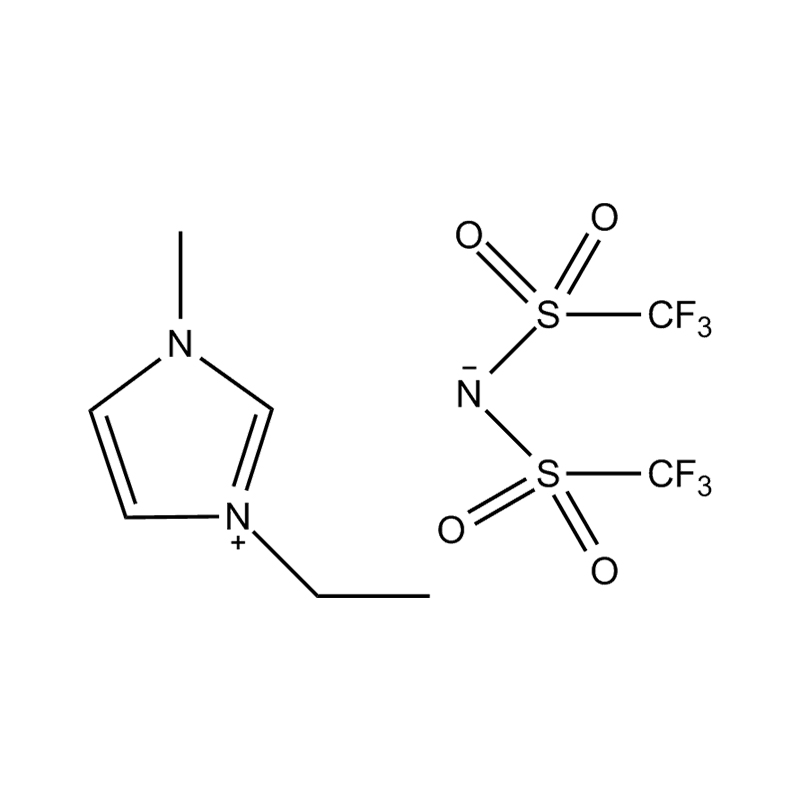
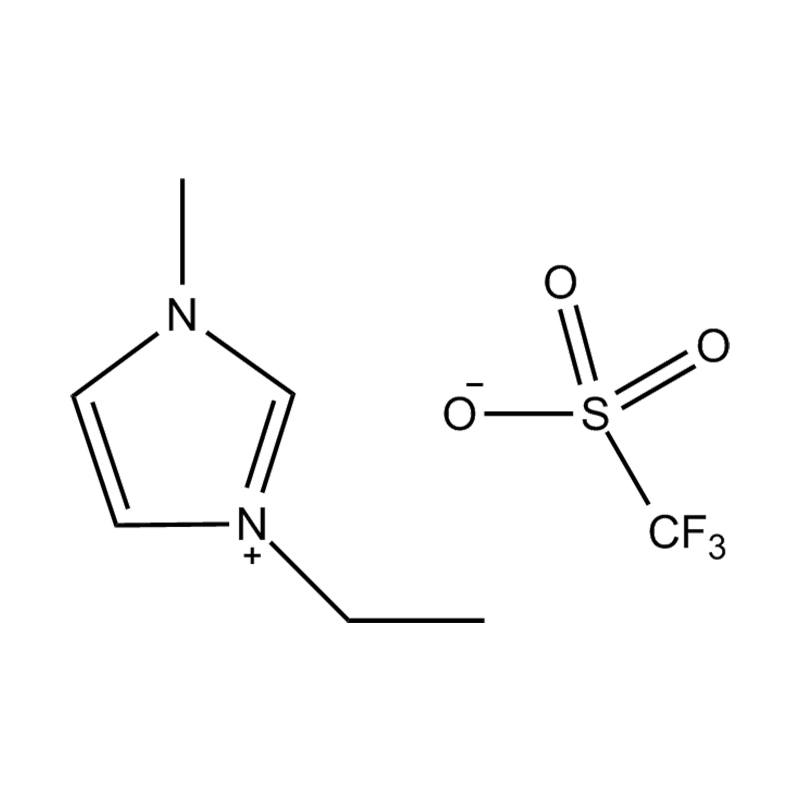
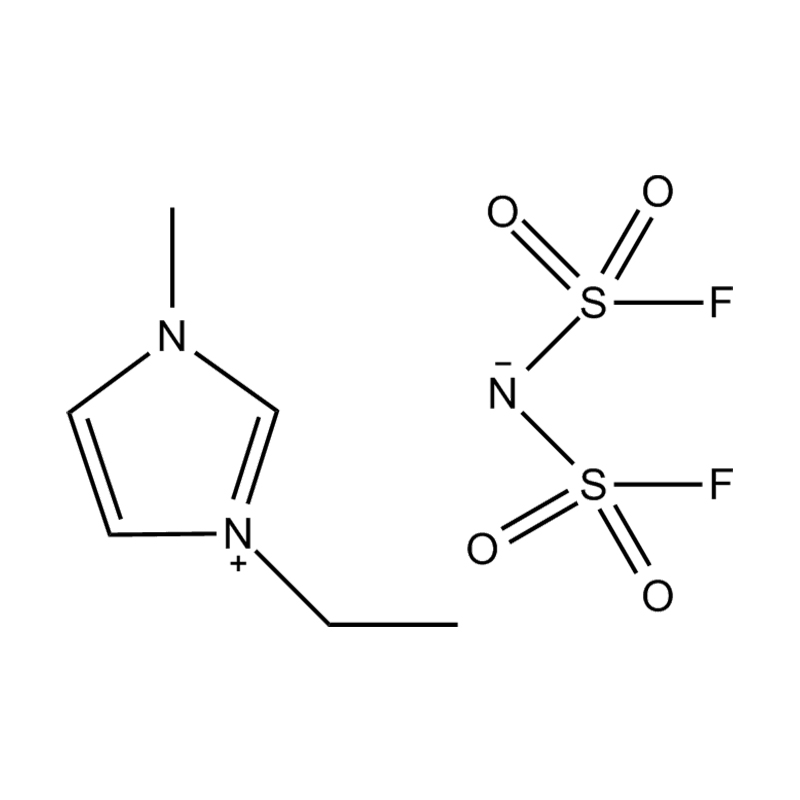
On the anion side, halides, tetrafluoroborate, hexafluorophosphate, triflate, and imide-based anions cover most of the polarity and stability range a silver ink needs. When a formulation demands a specific viscosity, cure profile, or moisture sensitivity, a functionalized cation — hydroxyl-bearing, for example — is often the fastest route to better wetting and adhesion on plastic substrates.
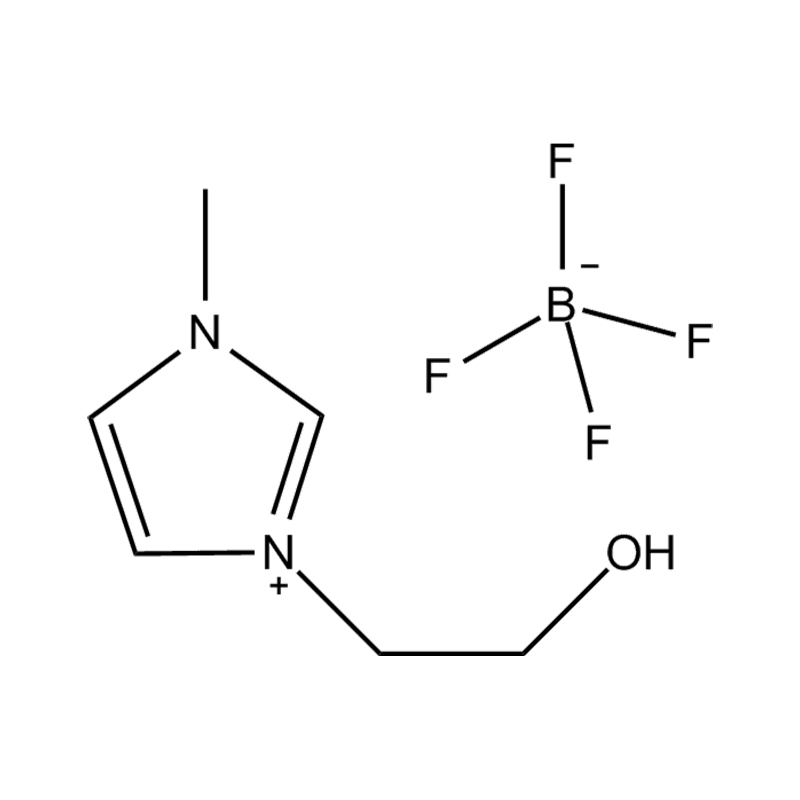 Hydroxyl Ionic Liquids Manufacturers1-Hydroxyethyl-3-methylimidazole tetrafluoroborateView Product →
Performance Benchmarks to Track During Development
Additive screening becomes much faster when you fix the measurement plan before the first trial. The table below reflects the parameters our application team checks together with customers during early-stage formulation work.
| Parameter | Why it matters | Typical check |
|---|---|---|
| Rheology and viscosity drift | Determines print definition and pot life | Rotational or cone-plate rheometry over 7 days |
| Sintering onset | Sets the minimum cure temperature | Resistance versus temperature ramp |
| Sheet resistance | Direct measure of conductive performance | Four-point probe after cure |
| Adhesion | Predicts handling and flex durability | Tape test and bend test |
| Sedimentation | Indicates dispersion quality and shelf life | Visual settling and redispersion test |
| Residue and purity | Prevents insulating or corrosive leftovers | Thermal analysis and halide content |
Rheology and Printability: the Overlooked Middle Ground
Silver inks are shear-thinning fluids, and printers depend on that behaviour: low viscosity under the squeegee or nozzle, rapid recovery to a structured film immediately afterwards. Additives that interfere with the binder network can ruin edge definition. Polymeric and oligomeric additives tend to be gentler here, because their higher molecular volume lets you adjust flow without sharply changing the liquid's polarity.
Our polymeric ionic liquid range was developed for exactly that reason — to give formulators tunable rheology modifiers that also contribute thermal stability and lasting surface activity instead of migrating out of the film over time.
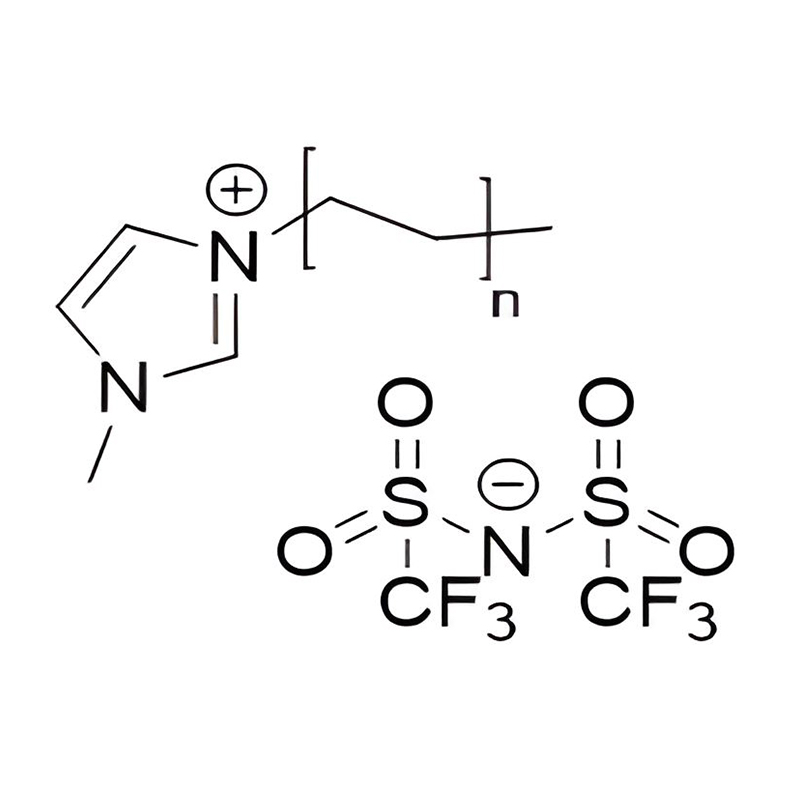 Polymeric Ionic Liquids ManufacturersPoly(1-vinyl-3-methylimidazolium bis(trifluoromethylsulfonyl)imide salt)View Product →
From Laboratory Batch to Production Batch
An additive that performs beautifully in a 50-gram lab sample is useless if the tenth production batch behaves differently. That is why we keep our process discipline simple: fixed synthetic routes, controlled purification, and full batch documentation from our production base in Deqing, Zhejiang.
Because ionic liquids are assembled from cations and anions, custom synthesis is normal rather than exceptional. Tell us the viscosity, solubility, and curing behaviour you need, and we will propose structures that fit the rest of your formulation instead of asking you to reformulate around ours.
Static Control in Converting and Handling
Conductive inks and static rarely mix well in production. Drying, unwinding, and slitting generate charge that attracts dust, shifts registration, and can damage sensitive components downstream. Where printed silver layers are part of a broader converting process, our range of antistatic agents for polymers, films, and adhesives is often specified alongside the ink itself to keep surface resistivity inside a controlled range.
Let's Talk About Your Silver Ink Project
Whether you are lowering the curing temperature of a PET-compatible ink, chasing better adhesion on polyimide, or trying to push shelf life past six months, the right additive is usually a specific structure rather than a generic one. Our team will review your system, recommend candidate ionic liquids from our catalogue or design a custom structure, and supply samples for your own trials.
Send us your specification, and we will tell you honestly whether ionic liquids are the right tool for the problem in front of you.