
 English
 Deutsch
 Español
 中文简体
中文简体



The widespread use of polyethylene terephthalate (PET) in packaging, textiles, and consumer goods has led to an urgent need for sustainable recycling solutions. While PET is highly versatile and lightweight, its accumulation in landfills and oceans presents significant environmental challenges. To address this issue, scientists and manufacturers are turning to PET degradation catalysts, which offer a promising pathway toward achieving a closed-loop recycling system—one in which materials are continuously recovered, reused, and regenerated with minimal waste.
Content
1. The Role of PET Degradation Catalysts
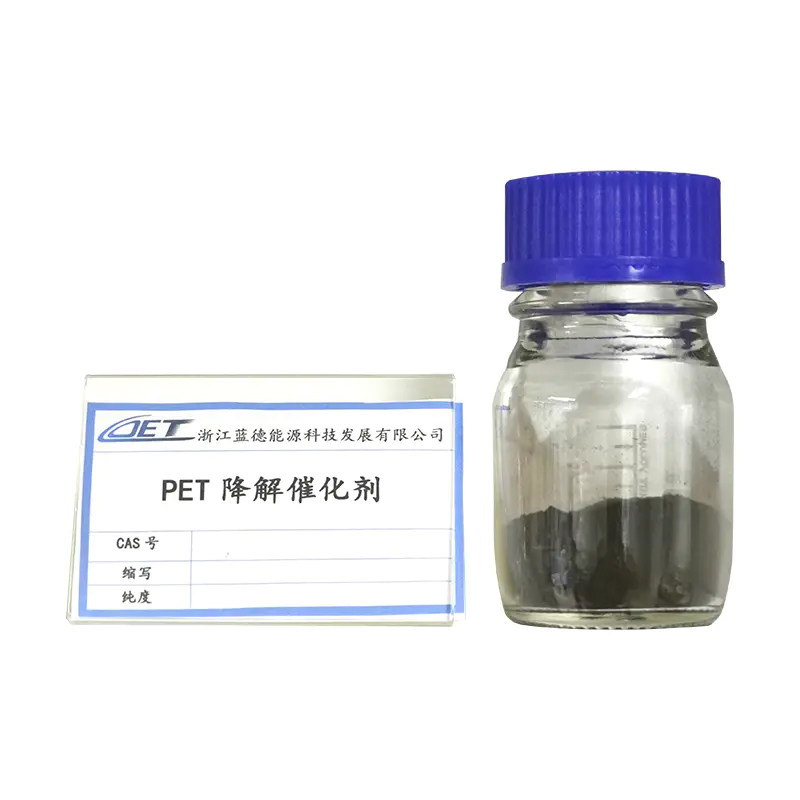
A PET degradation catalyst is a chemical or enzymatic agent that accelerates the breakdown of PET into its fundamental building blocks—primarily terephthalic acid (TPA) and ethylene glycol (EG). Unlike traditional mechanical recycling, which weakens polymer chains and limits reuse, catalytic degradation restores PET to its original monomeric form, allowing it to be re-polymerized into high-quality new plastics.
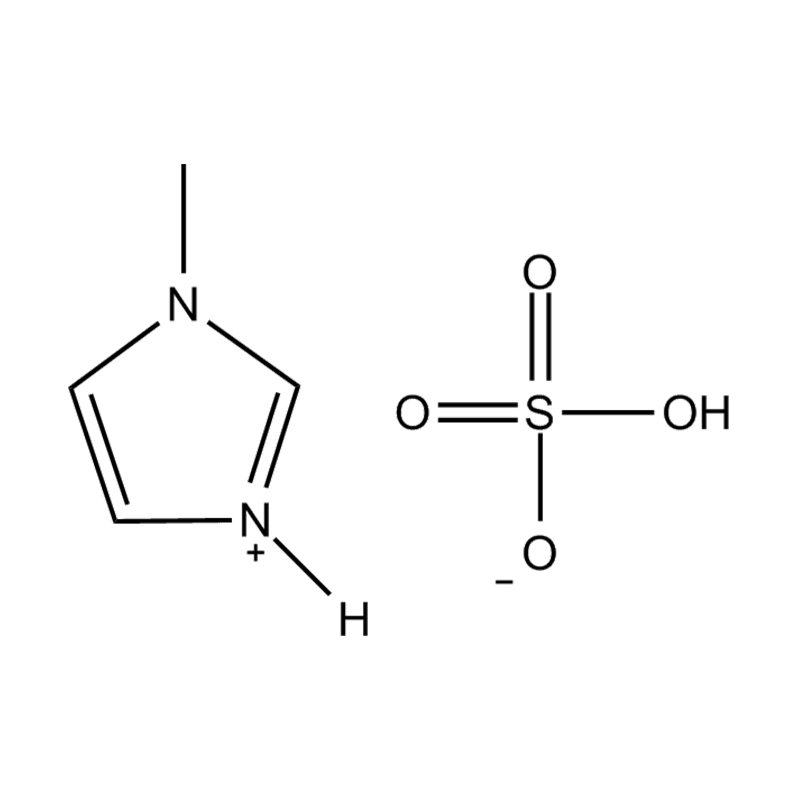
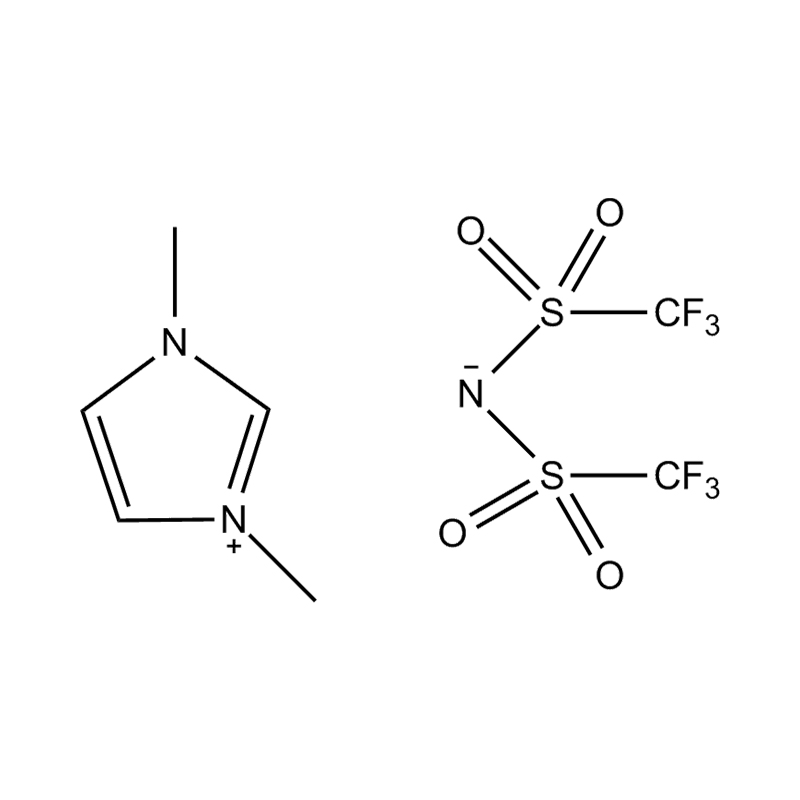
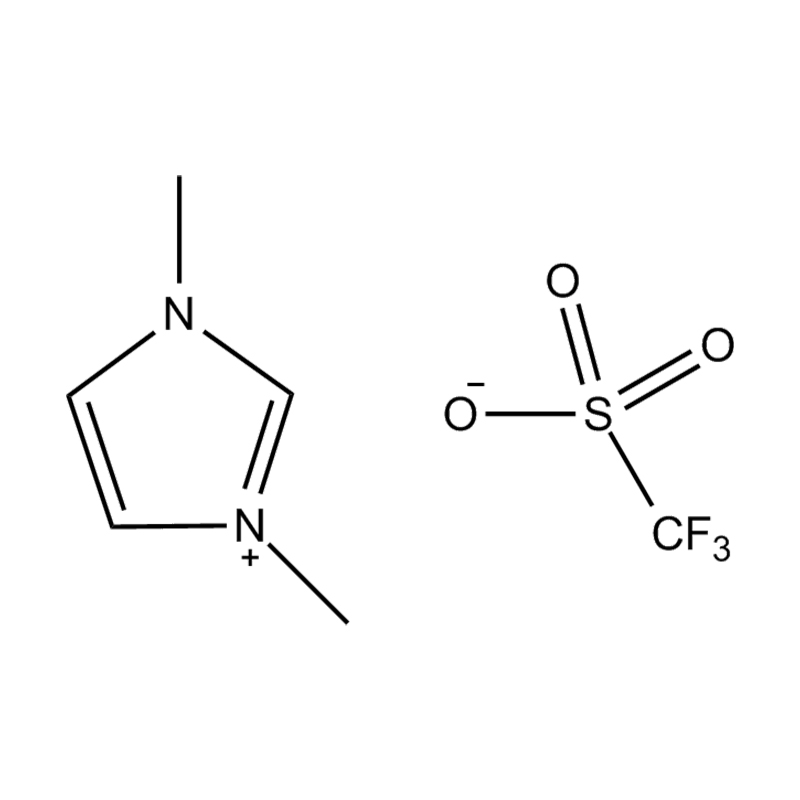
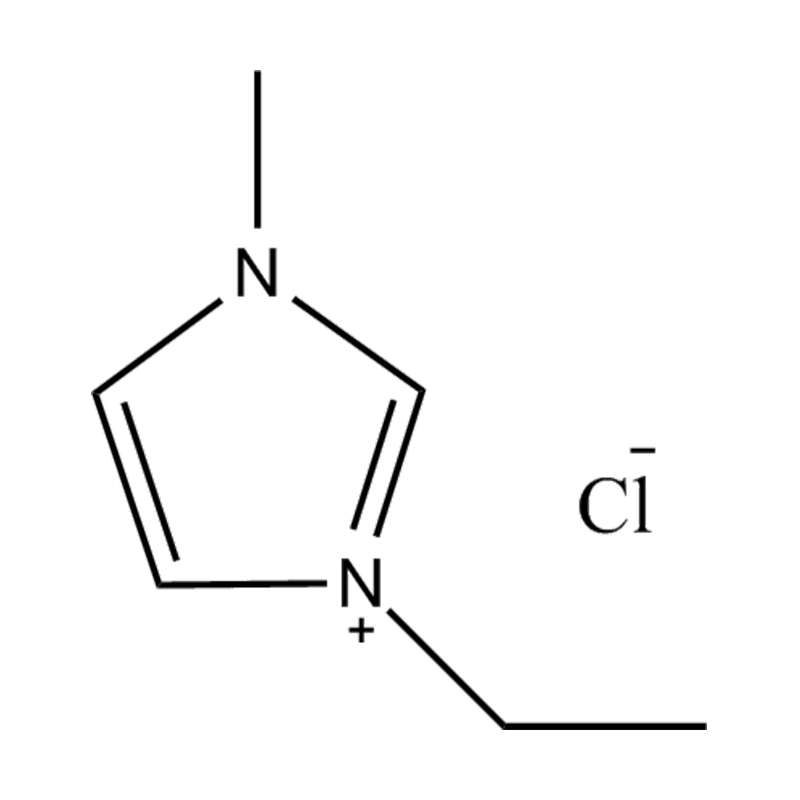
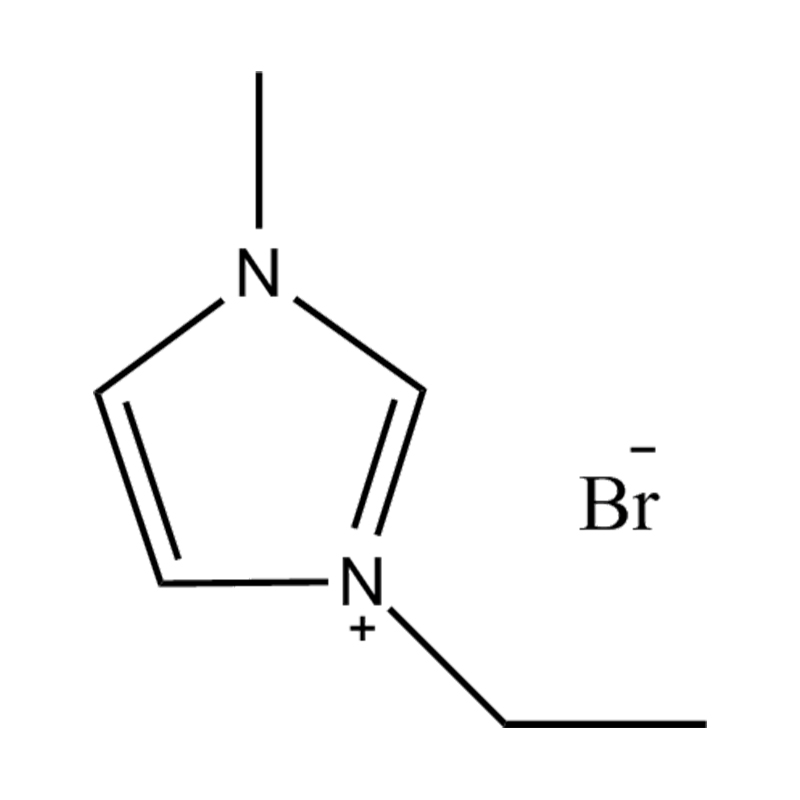
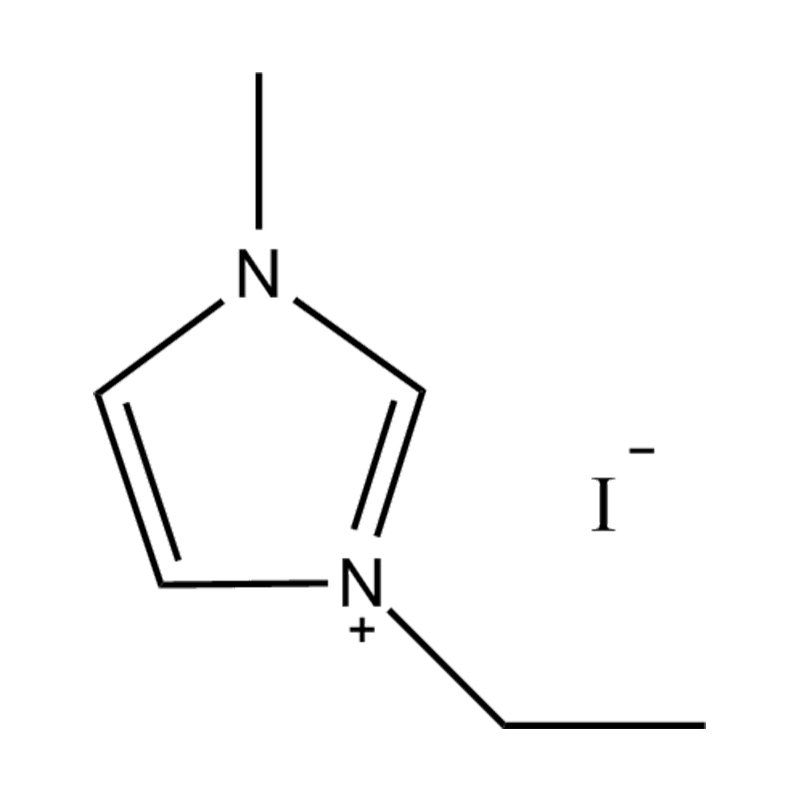
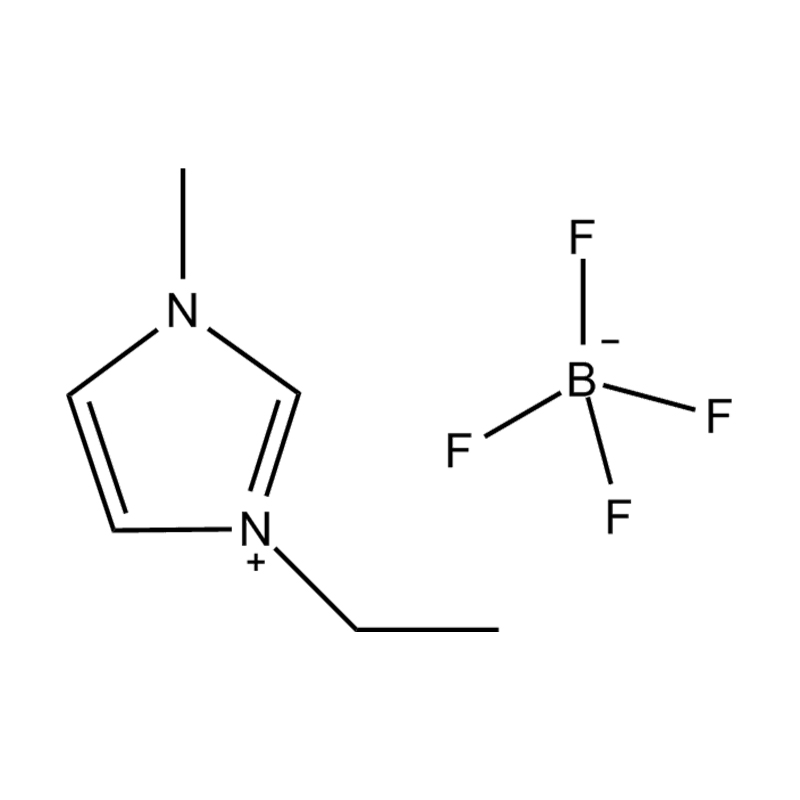
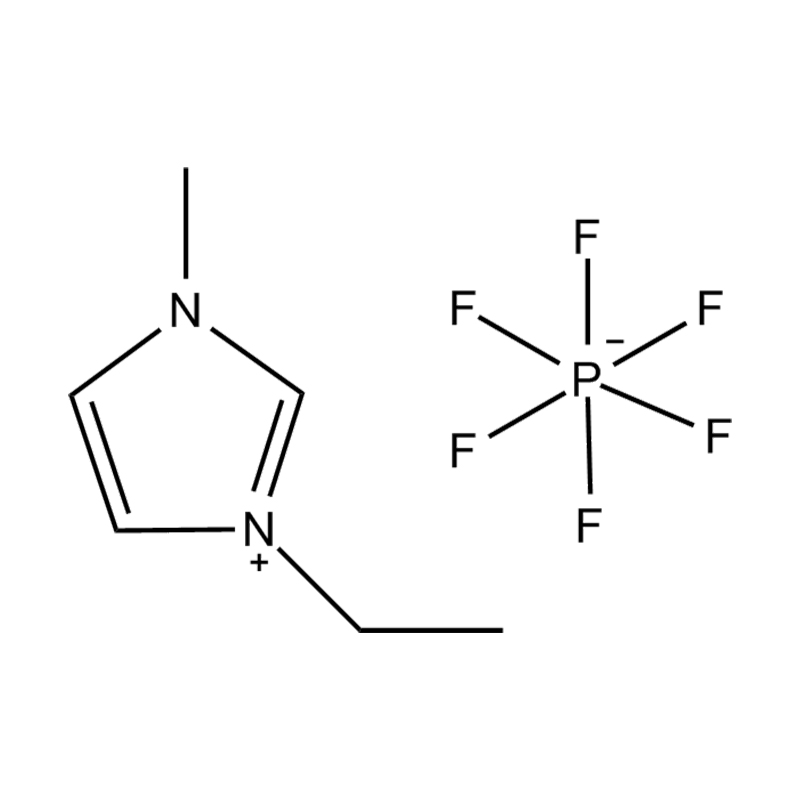
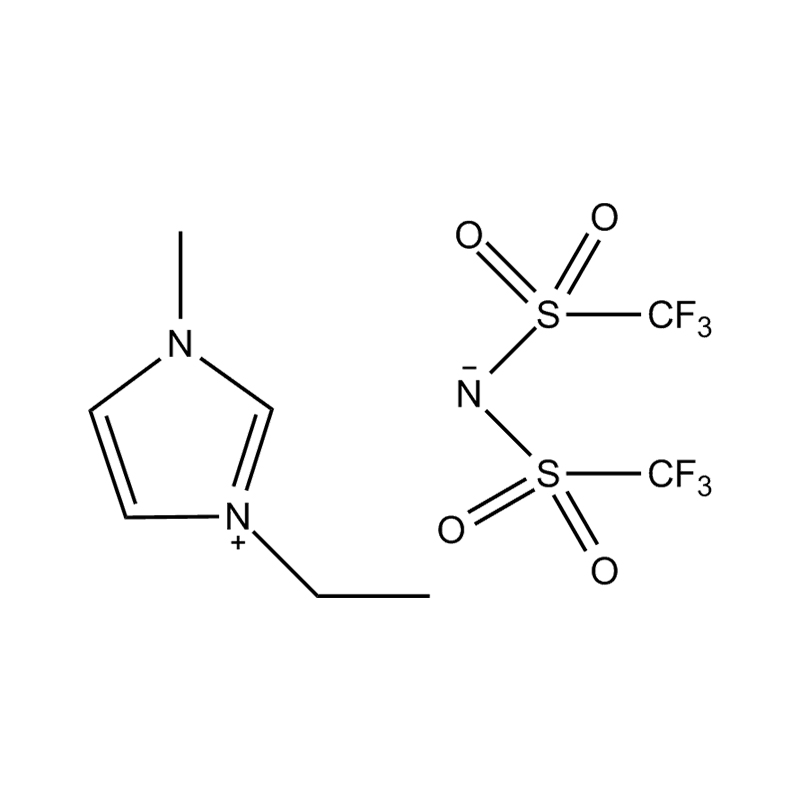
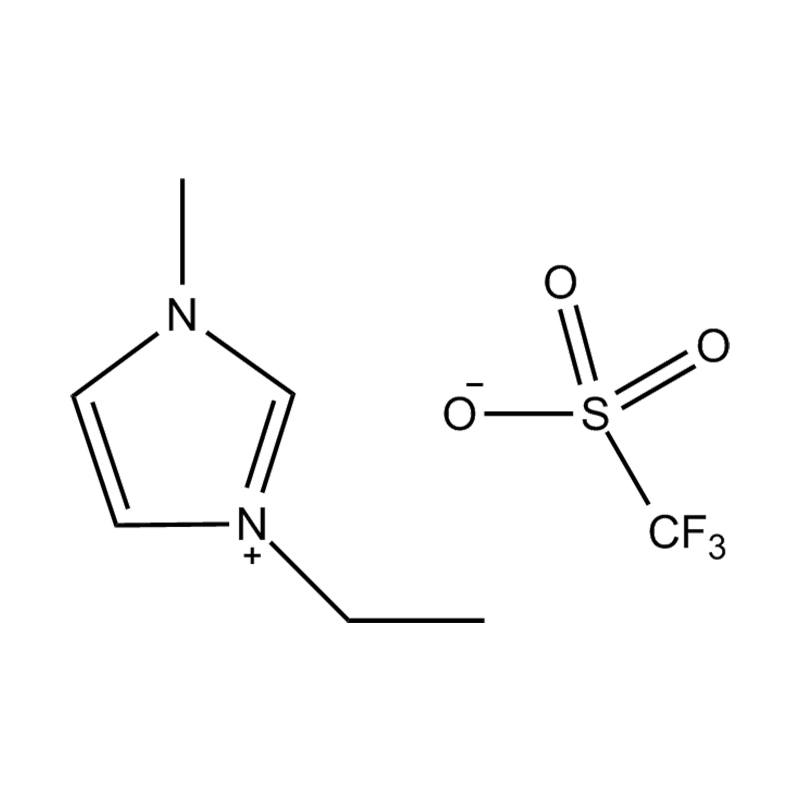
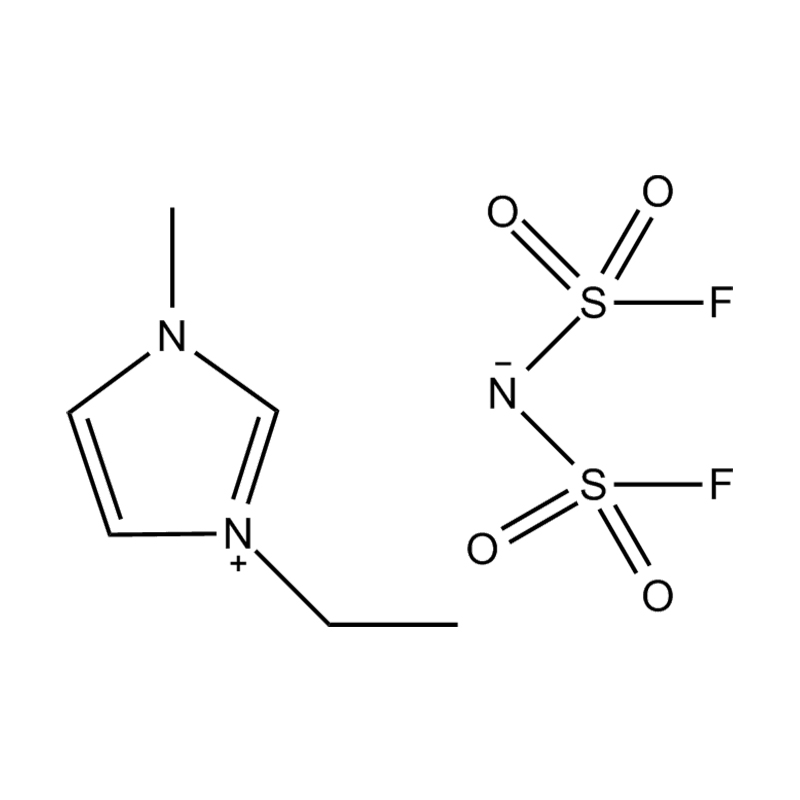
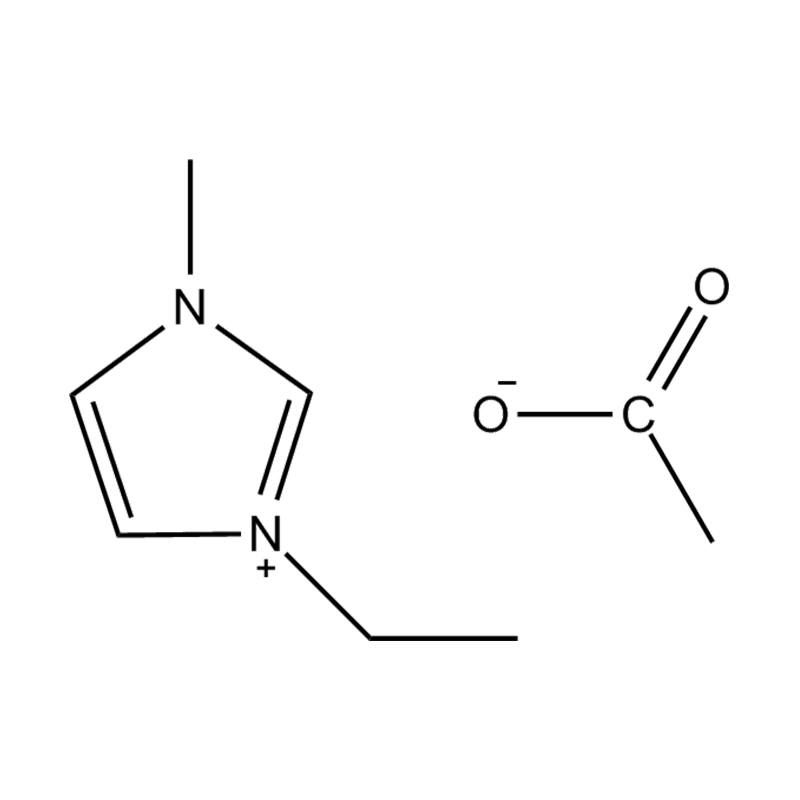
- Chemical catalysts (such as metal oxides, organometallic compounds, or ionic liquids) promote depolymerization under controlled heat and pressure.
- Enzymatic catalysts, particularly engineered hydrolases like PETase and MHETase, break down PET under mild, eco-friendly conditions.
Through catalytic processes, PET waste can be efficiently transformed back into raw materials suitable for manufacturing new bottles, films, and fibers—enabling a true circular economy for plastics.
2. Closing the Loop: From Waste to Resource
The integration of PET degradation catalysts into recycling systems helps close the material loop by converting discarded plastics into reusable feedstock. This process supports the principle of closed-loop recycling, where materials continuously circulate within the production cycle rather than being discarded after use.
- Depolymerization and purification: Catalysts enable precise breakdown of PET, followed by purification of monomers to remove dyes, additives, and contaminants.
- Repolymerization: The recovered monomers are reassembled into new PET with properties equivalent to virgin materials.
- Repeatable cycles: This process can be repeated multiple times without loss of quality, maintaining resource efficiency and product integrity.
By using catalysts, manufacturers can reduce dependence on petroleum-based raw materials while minimizing waste generation—a key step toward sustainable plastic management.
3. Environmental and Economic Benefits
The adoption of PET degradation catalysts offers multiple advantages for both the environment and industry:
- Reduced Carbon Footprint: Catalytic recycling requires less energy compared to conventional mechanical or thermal methods, significantly lowering greenhouse gas emissions.
- Waste Reduction: It diverts large volumes of PET waste from landfills and oceans, mitigating environmental pollution.
- High Material Recovery: Chemical and enzymatic catalysts recover PET monomers at high purity, allowing production of food-grade recycled plastics.
- Economic Value: The recovered materials can be reintroduced into the supply chain, reducing raw material costs and dependence on fossil resources.
These benefits align with global sustainability targets and circular economy goals set by governments and corporations worldwide.
4. Challenges and Ongoing Innovations
Despite their potential, PET degradation catalysts face several technical and economic challenges.
- Scalability: Laboratory successes must be translated into cost-effective industrial-scale operations.
- Catalyst Stability: Maintaining catalytic activity over multiple cycles remains a research priority.
- Mixed Waste Streams: Real-world PET waste often contains colorants, multilayer materials, or impurities that interfere with degradation.
To overcome these issues, researchers are developing next-generation catalysts with enhanced selectivity, reusability, and tolerance to contaminants. Advances in enzyme engineering, nanocatalyst design, and process optimization are steadily improving efficiency and lowering costs, paving the way for large-scale adoption.
5. The Future of PET Recycling
The integration of PET degradation catalysts represents a transformative step in the evolution of the plastics industry. By enabling chemical recycling at the molecular level, these catalysts bridge the gap between environmental responsibility and economic feasibility. In the coming years, collaboration among material scientists, recyclers, and manufacturers will be crucial to establish closed-loop systems capable of processing diverse PET waste streams efficiently.
Conclusion
PET degradation catalysts are redefining the future of plastic recycling by enabling the continuous regeneration of PET materials within a closed-loop system. Through catalytic depolymerization and repolymerization, waste is converted back into high-quality feedstock, reducing environmental impact and resource consumption. As catalyst technologies advance and circular recycling infrastructures expand, the plastics industry moves closer to achieving a sustainable and waste-free production model—one where every PET product can truly begin again.