
 English
 Deutsch
 Español
 中文简体
中文简体



Industrial ionic liquids (ILs) are a unique class of salts that exist in liquid form at relatively low temperatures, often below 100°C. Due to their distinctive chemical structures—consisting entirely of ions—ionic liquids exhibit remarkable thermal and chemical stability, which makes them highly valuable across a variety of industrial applications, including chemical synthesis, catalysis, electrochemistry, and biomass processing. Understanding these stability characteristics is essential for optimizing their performance, safety, and long-term usability in industrial settings.
Content
1. Thermal Stability of Ionic Liquids
Thermal stability refers to an ionic liquid’s ability to maintain its chemical structure and properties under elevated temperatures without decomposition. Key aspects include:
- High decomposition temperature: Many ionic liquids can withstand temperatures ranging from 200°C to 400°C, which is significantly higher than traditional organic solvents. This property allows them to be used in high-temperature reactions and processes without losing functionality.
- Minimal volatility: Ionic liquids have negligible vapor pressure at ambient and moderately elevated temperatures. This prevents evaporation, reduces flammability risks, and allows safe operation in open systems or at elevated temperatures.
- Stable heat capacity: ILs generally maintain consistent heat capacity and viscosity across a wide temperature range, enabling precise thermal control in chemical processes.
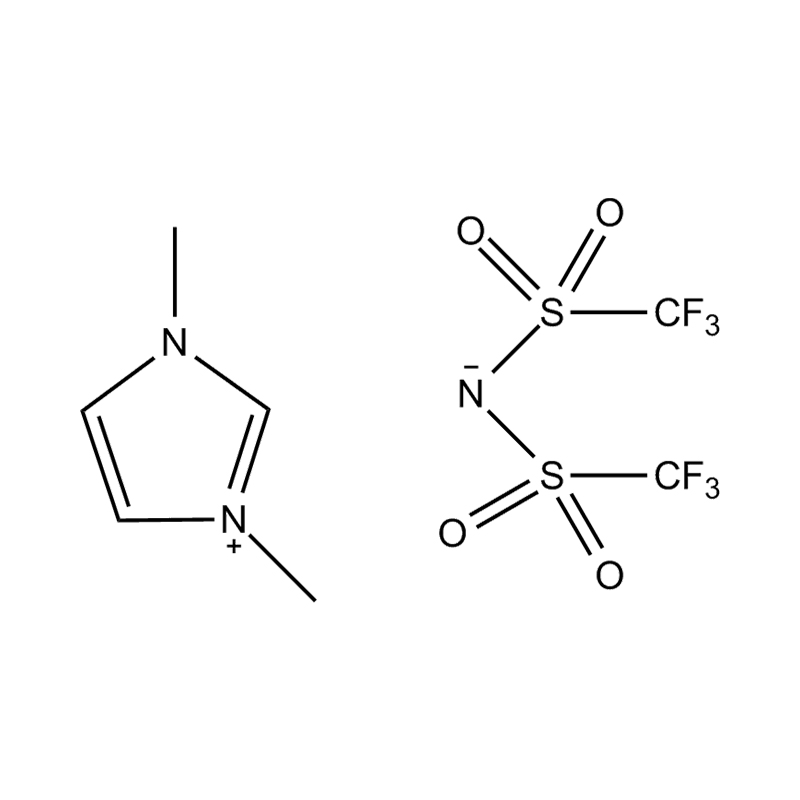
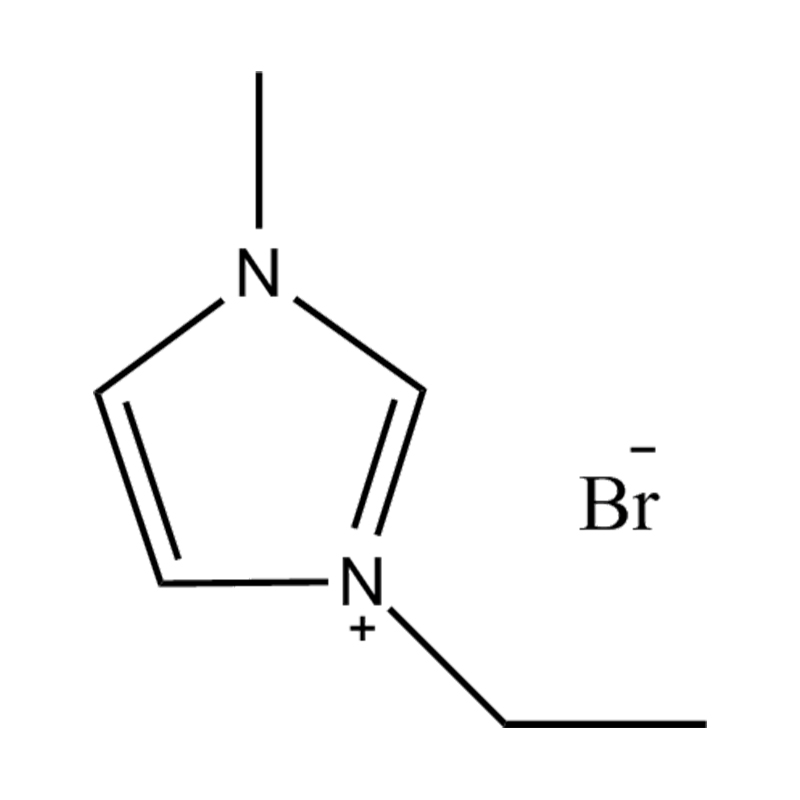
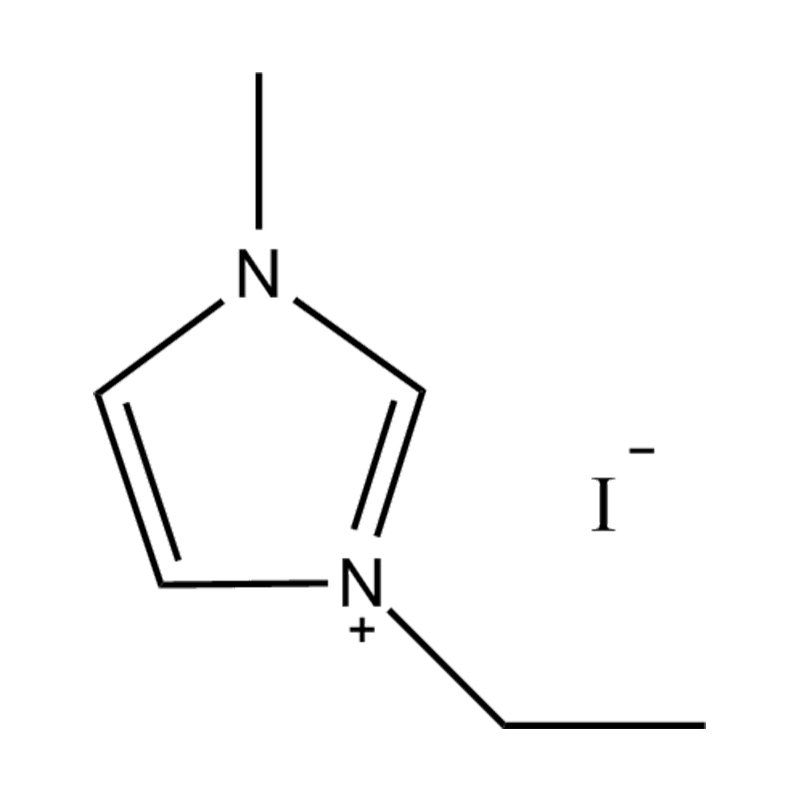
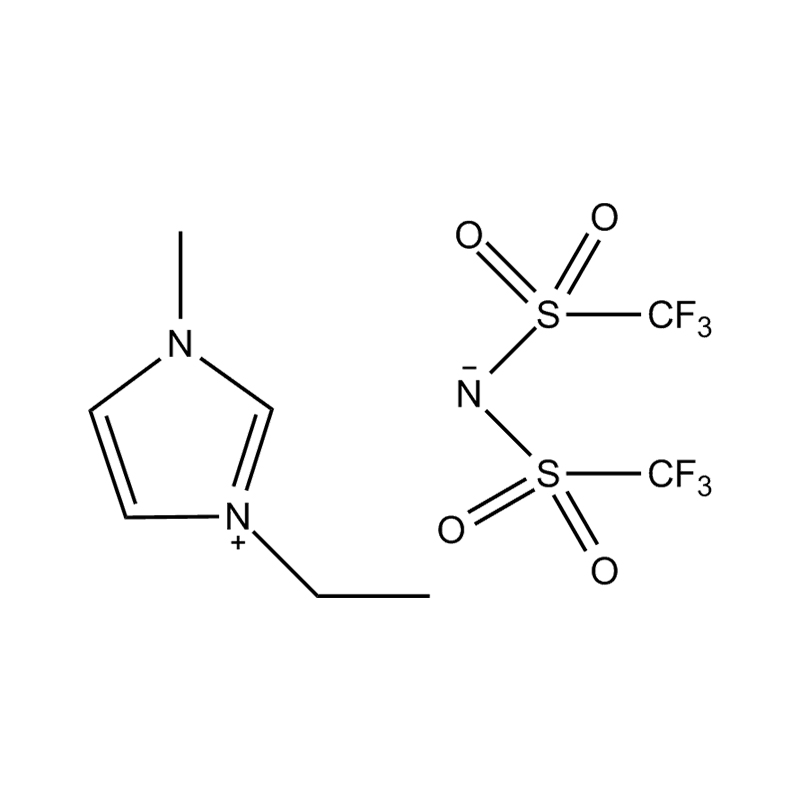
The thermal stability of an ionic liquid largely depends on the choice of cation and anion. For example, imidazolium-based ILs with bis(trifluoromethylsulfonyl)imide (NTf₂⁻) anions are known for excellent thermal resistance, while some ammonium- or phosphonium-based ILs can withstand even higher temperatures, depending on their molecular design.
2. Chemical Stability of Ionic Liquids
Chemical stability refers to an ionic liquid’s ability to resist chemical degradation when exposed to acids, bases, oxidizing or reducing agents, and other reactive species. Key characteristics include:
- Resistance to hydrolysis: Many industrial ILs are highly resistant to water-induced hydrolysis, which allows them to be used in aqueous systems or humid conditions without breaking down.
- Acid/base tolerance: Depending on the anion and cation combination, ionic liquids can remain chemically stable in strongly acidic or basic environments, making them suitable for catalysis and electrochemical applications.
- Oxidation and reduction resilience: Certain ILs can withstand oxidizing or reducing conditions without decomposition, enabling their use in batteries, supercapacitors, and electroplating processes.
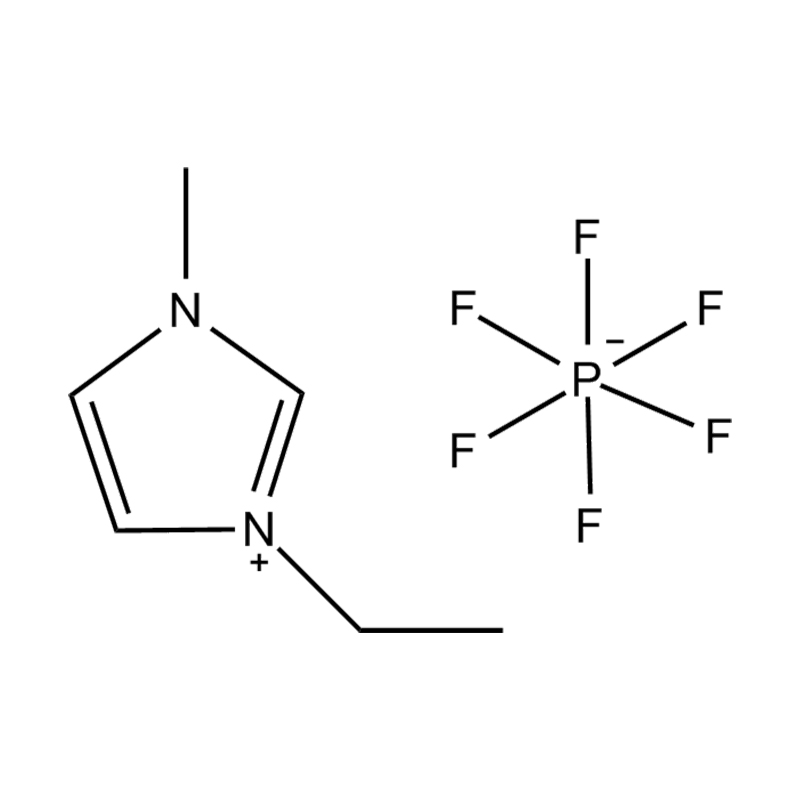
Chemical stability is enhanced by carefully selecting the ionic liquid’s components. For instance, fluorinated anions such as NTf₂⁻ or PF₆⁻ improve resistance to oxidative and hydrolytic degradation, while phosphonium-based cations often provide exceptional chemical inertness under harsh conditions.
3. Impact of Structure on Stability
The thermal and chemical stability of an ionic liquid is intrinsically linked to its molecular structure:
- Cation type: Imidazolium, pyrrolidinium, ammonium, and phosphonium cations each confer different stability characteristics. Phosphonium ILs, for example, are often more thermally robust than imidazolium ILs.
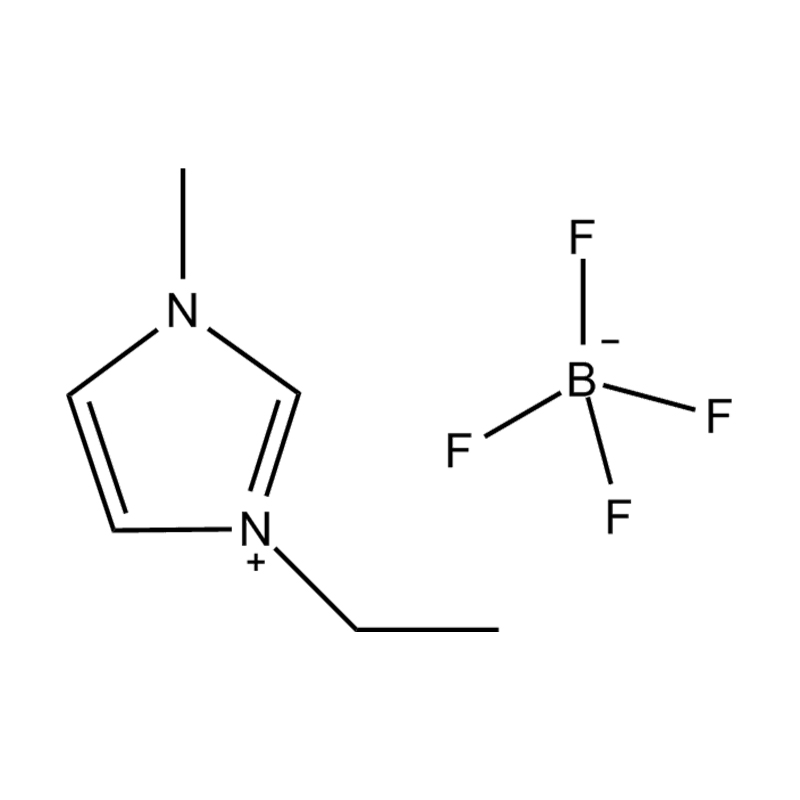
- Anion type: Weakly coordinating anions such as NTf₂⁻, PF₆⁻, and BF₄⁻ contribute to both high thermal stability and chemical inertness.
- Substituents: Alkyl chain length and functional groups attached to the cation or anion can influence decomposition temperature, hydrolytic stability, and viscosity.
By modifying the combination of cations and anions, chemists can tailor ionic liquids to meet specific industrial requirements for stability and performance.
4. Advantages in Industrial Applications
The superior thermal and chemical stability of ionic liquids provides multiple advantages:
- High-temperature reactions: ILs can serve as solvents or catalysts for reactions that require elevated temperatures without degradation.
- Reusable and recyclable: Their stability allows repeated use in industrial processes, reducing operational costs and waste generation.
- Enhanced safety: Low volatility and non-flammability minimize fire and environmental hazards.
- Corrosion resistance: ILs are often less corrosive than traditional organic solvents, protecting equipment and extending lifespan.
These advantages make ionic liquids indispensable in processes such as biomass pretreatment, metal extraction, organic synthesis, and energy storage.
5. Limitations and Considerations
While ionic liquids are highly stable, certain conditions can affect their performance:
- Extremely high temperatures: Some ILs may decompose above their maximum thermal threshold, releasing gases or forming unwanted by-products.
- Strong nucleophiles or oxidizers: Highly reactive chemicals may gradually degrade specific ILs if not properly chosen.
- Water-sensitive anions: ILs containing PF₆⁻ or BF₄⁻ anions can hydrolyze slowly in humid environments, forming corrosive acids.
Understanding these limitations helps users select the most appropriate ionic liquid for a given industrial process and maintain operational safety.
6. Conclusion
Industrial ionic liquids are highly valued for their exceptional thermal and chemical stability, which distinguishes them from conventional solvents. Key stability characteristics include:
- High decomposition temperature and minimal volatility, allowing use in high-temperature processes.
- Resistance to hydrolysis, acids, bases, and oxidizing/reducing agents, enabling diverse chemical applications.
- Structural adaptability, where cation and anion selection tailors stability to specific industrial requirements.
- Reusability and safety, which reduce operational costs and environmental impact.
These properties make ionic liquids versatile and reliable tools in industries ranging from chemical manufacturing and electrochemistry to biomass processing and energy storage. By leveraging their stability, manufacturers can design efficient, safe, and sustainable processes that outperform traditional solvent systems.