
 English
 Deutsch
 Español
 中文简体



Carbon nanotube additives rarely get the credit they deserve. A fraction of a percent of well-dispersed multi-walled tubes can turn an insulating polymer into a static-dissipative part, give a lithium-ion cathode the electron pathways it has been missing, or hold a hairline crack together in a concrete slab. The same tubes, badly dispersed, do nothing at all except inflate the invoice and complicate the safety paperwork.
We work on the liquid side of that problem. LETD has been building ionic liquids and functional additives in Deqing since 2009, and a good share of the questions we field have nothing to do with our own products at first glance: they start with a customer holding a drum of nanotube paste that will not wet out, or a compounder whose surface resistivity drifts batch to batch. This article is a practical map of the topic, written the way we would explain it across a table.
Content
- 1 What Counts as a Carbon Nanotube Additive?
- 2 Dispersion Is the Whole Game
- 3 Where Carbon Nanotube Additives Earn Their Keep
- 4 Conductive Plastics and Antistatic Compounds
- 5 Battery Electrodes and Electrolytes
- 6 Concrete, Coatings, and Composite Parts
- 7 A Practical Checklist Before You Scale Up
- 8 Talking It Through Helps
What Counts as a Carbon Nanotube Additive?
The phrase covers a few different things, and mixing them up causes most of the confusion in early project meetings. Chemically, the two families are single-walled tubes (SWCNTs), which are one rolled graphene sheet and behave almost like a specialty electronic material, and multi-walled tubes (MWCNTs), which are nested cylinders and carry most of the industrial volume because the price per kilogram makes sense at scale.
Commercially, what you buy is rarely bare powder:
- Powder or fluffy aggregate — cheapest per kilogram, hardest to handle, and the form most prone to dust exposure.
- Masterbatch — tubes pre-compounded into a carrier resin pellet, convenient for extrusion and injection moulding.
- Paste or liquid dispersion — tubes already wetted out in a solvent, plasticiser, or reactive diluent, ready to be let down.
- Functionalised or doped tubes — surface chemistry added to improve compatibility with a specific matrix.
Each form carries a different cost curve. A masterbatch saves you an extrusion step; a liquid dispersion saves you the dispersion step, which is usually the expensive one.
Dispersion Is the Whole Game
Tubes attract each other through van der Waals forces along their length, and they arrive in bundles. Every bundle is a defect: the outer tubes shield the inner ones, the interface between bundle and matrix is weak, and the effective aspect ratio collapses. You paid for a high-aspect-ratio filler and got spherical agglomerates.
Three levers control the outcome. The first is energy input — calendering, high-shear mixing, or ultrasonic treatment, each with a ceiling beyond which you start cutting tubes shorter than you want. The second is chemistry: a wetting system whose surface energy matches the tube surface, so the liquid wicks in rather than sitting on the outside of the bundle. The third is viscosity and time, because a low-viscosity carrier that stays low-viscosity through the mixing window disperses far better than a system that gels in the first ten minutes.
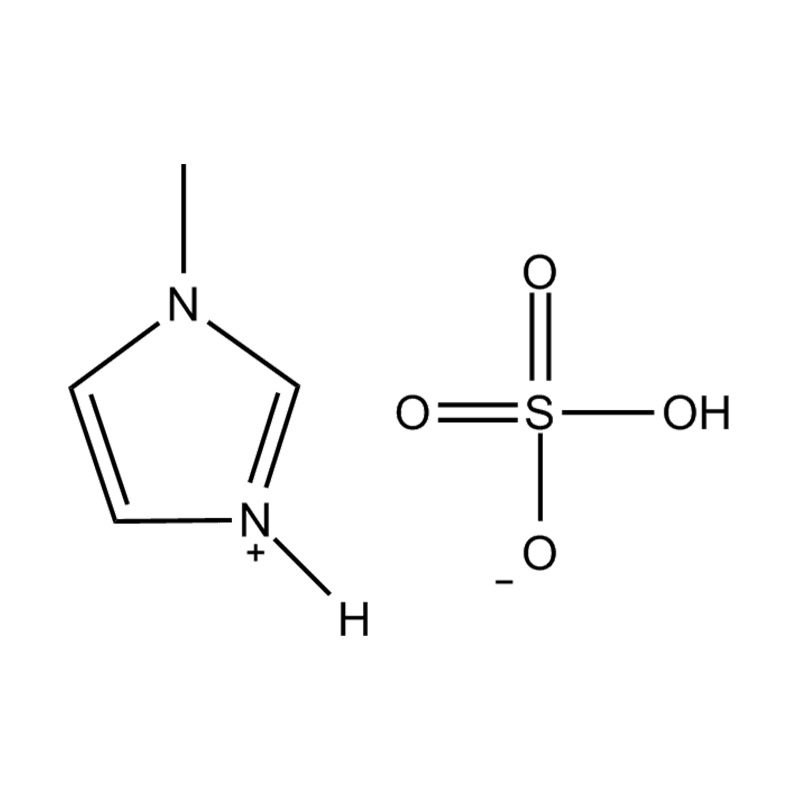
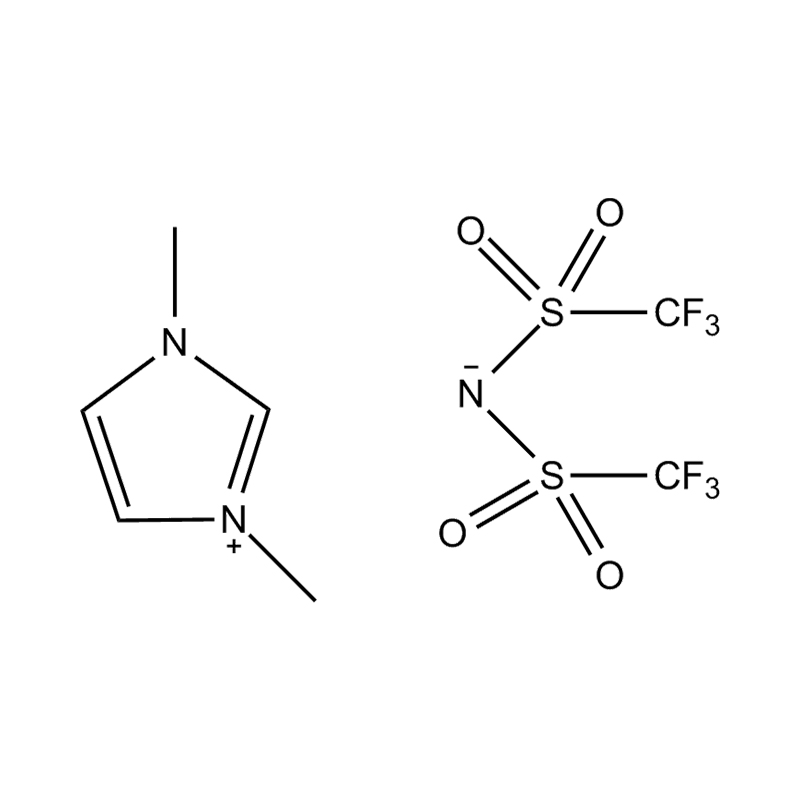
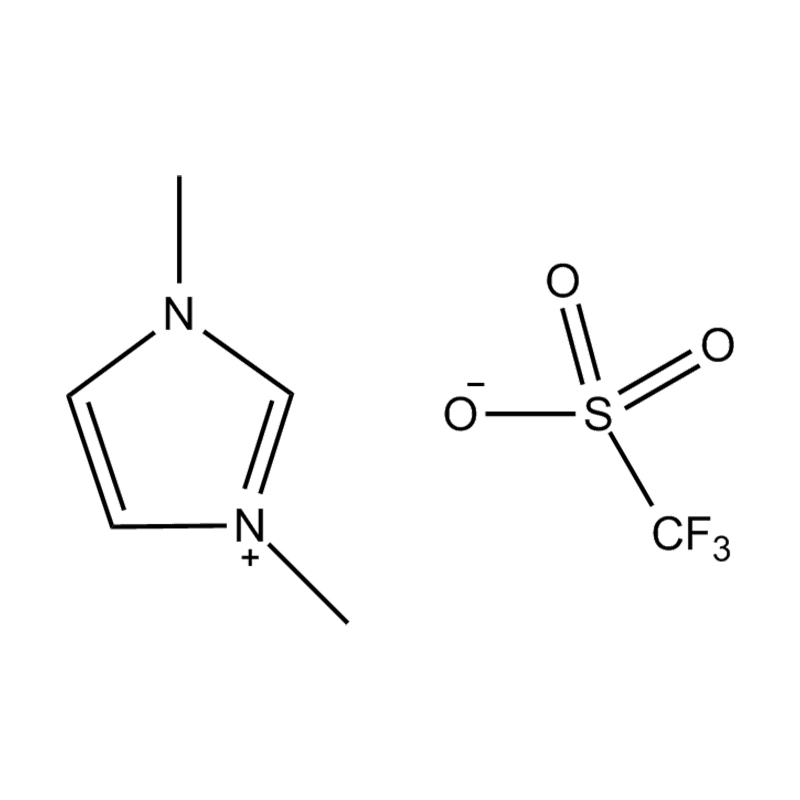
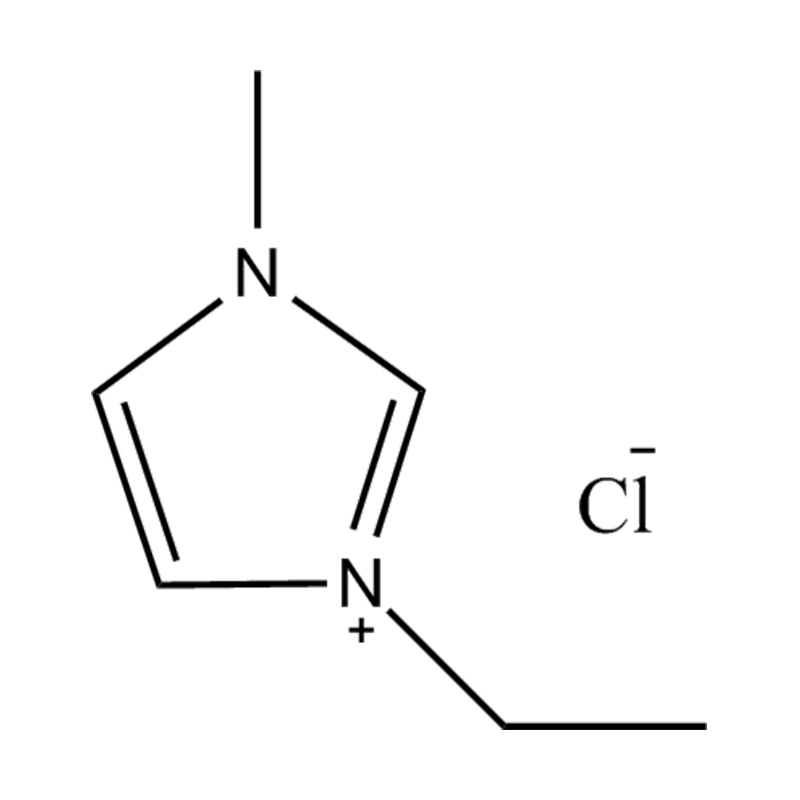
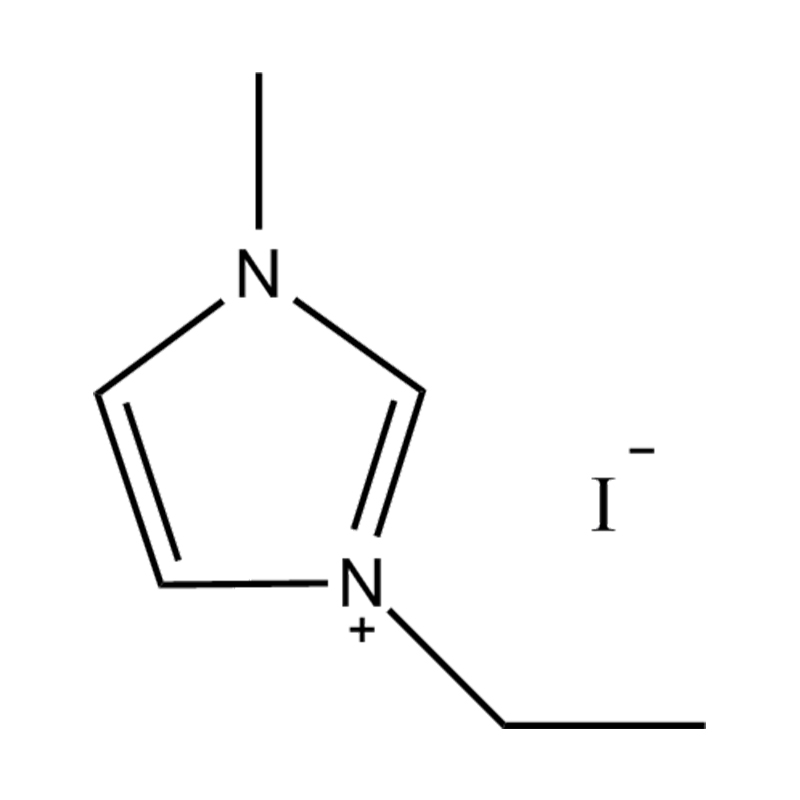
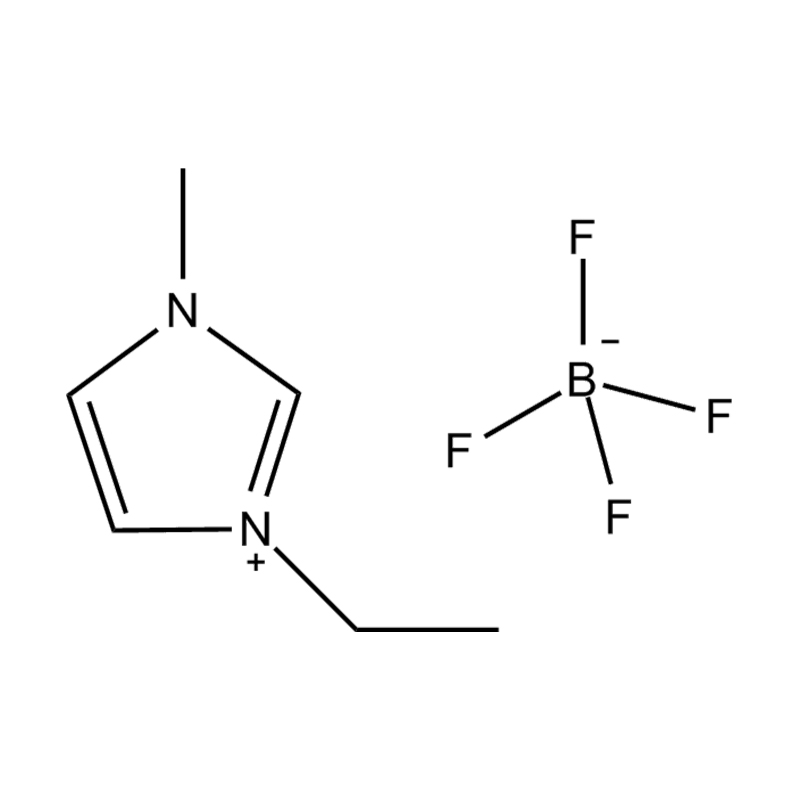
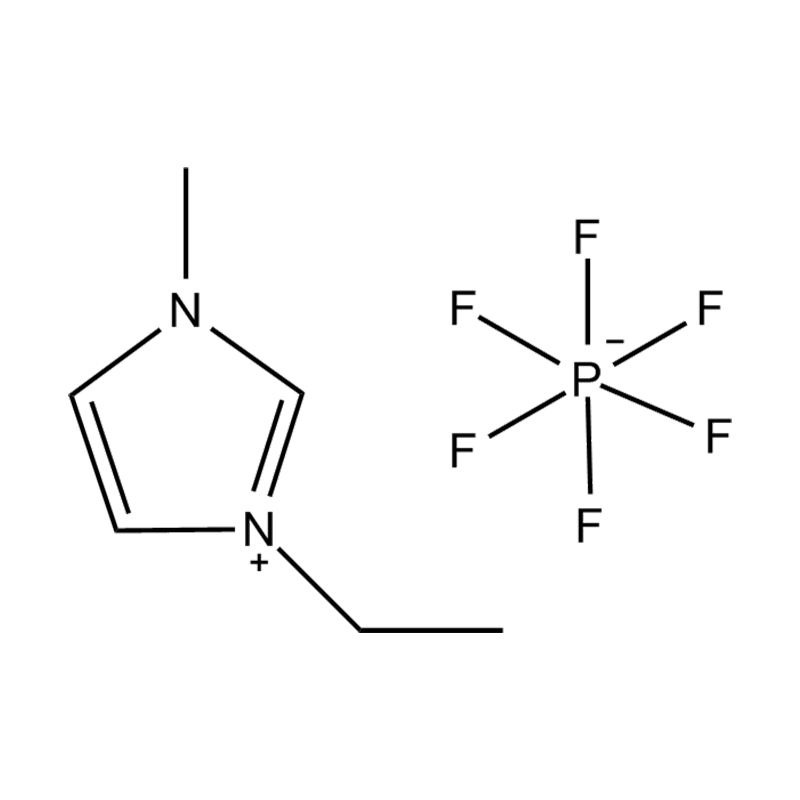
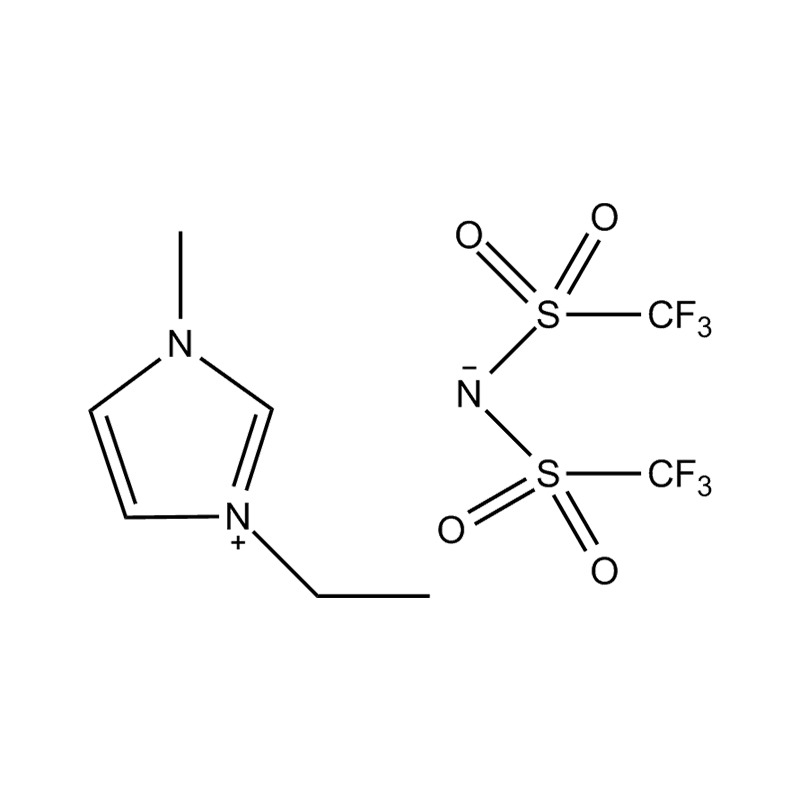
This is where ionic liquids and tailored additive fluids earn their place. Many of them are thermally stable, essentially non-volatile, and tunable across a wide polarity range by swapping cation and anion, so a formulator can dial in wetting behaviour for a specific resin or slurry without adding a volatile solvent that later has to be stripped out. If your matrix is polar and your tubes are not, that mismatch is worth solving at the liquid stage rather than fighting in the extruder.
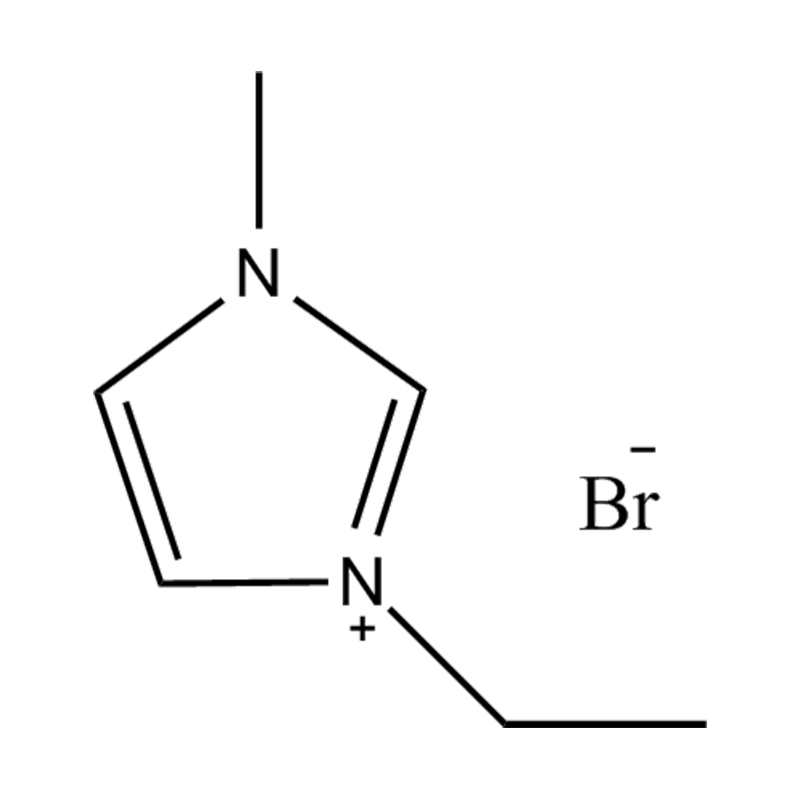 Customized Ionic Liquids for Formulation and Electrochemical UsesBrowse customized imidazolium, quaternary ammonium and related ionic liquids from a manufacturer, with grades suited to adjusting wetting in resin and slurry formulations.View Product →
Where Carbon Nanotube Additives Earn Their Keep
The applications below are the ones that show up most often in serious development work. The loadings are indicative starting points for a first trial, not specifications.
| Application | Typical loading | Usual form | What it delivers |
|---|---|---|---|
| Antistatic and conductive plastics | 0.5–3 wt% MWCNT | Masterbatch, let down at the hopper | Surface resistivity in the dissipative range without the sloughing of carbon black |
| Lithium-ion electrodes | 0.5–2 wt% | Pre-dispersed conductive slurry | Lower electrode resistance, better rate behaviour at thin coating weights |
| Concrete and mortar | 0.05–0.1% by cement weight | Aqueous dispersion with surfactant | Crack control, plus conductivity for structural monitoring |
| Coatings and adhesives | 0.5–2 wt% | Stable paste or solvent dispersion | Static dissipation in thin films where percolation is hard to reach |
Conductive Plastics and Antistatic Compounds
In thermoplastics the goal is usually not true conductivity but controlled dissipation — a surface resistivity somewhere between 106 and 109 ohms per square, enough to stop charge building up on a housing, a conveyor component, or a tape backing. Tubes reach that window at a fraction of the loading carbon black needs, which matters because every percent of filler is a percent of toughness you give back.
The practical difficulty is that nanotubes and conventional antistatic chemistries work on different mechanisms. Tubes form a percolating network; ionic antistatic agents migrate to the surface and absorb moisture. Used together, they can be complementary — the network gives you a floor that does not depend on humidity, while the ionic component smooths out the last decade of resistivity. Used carelessly, the ionic species can interfere with the network or bloom out of the part. Our antistatic agent application pages cover the migration behaviour in more detail, and it is worth reading them before you commit to a loading.
 Application Products Section and Company OverviewThis application-products page provides company background but no specific models or specifications, so consult it mainly for supplier context rather than product selection.View Product →
Battery Electrodes and Electrolytes
In a lithium-ion electrode, carbon nanotubes act as a conductive additive alongside or instead of carbon black, forming long-range bridges between active particles. At high nickel content or in thick electrodes, that long-range network matters more than point-to-point contact, and it can reduce the binder content needed to keep the coating intact. The trade-offs are slurry rheology and the fact that tubes are hard to disperse in a formulation that already contains a lot of solids.
On the electrolyte side, the connection is indirect but real. Ionic liquid additives are used to modify what happens at the electrode–electrolyte interface, and any change there interacts with how the conductive network is wetted. Formulators who treat the two as separate projects often find themselves re-tuning the slurry after the electrolyte change. If you want the background on the liquid chemistry itself, our short primer on how ionic liquids work in electrochemical systems is a reasonable place to begin.
 Lithium Electrolyte Additives for Battery InterfacesExplore ionic liquid electrolyte additives for lithium batteries, including imidazolium and ammonium salts relevant to SEI formation and interfacial resistance tuning.View Product →
Concrete, Coatings, and Composite Parts
Cementitious composites use very small doses — a tenth of a percent or less by weight of cement — to improve flexural behaviour and to add enough conductivity for crack self-monitoring or cathodic protection. The dispersion challenge is severe because the mix water is crowded with ions that screen the surfactant you used to stabilise the tubes.
In coatings and printed electronics, the difficulty is film thickness. Percolation in a ten-micron film requires a network that survives drying and curing without dewetting. Pre-dispersed pastes with a compatible carrier are usually the only route that works reliably, and the carrier choice can matter more than the tube specification. In additive manufacturing, tubes are added to PLA, PETG, and ABS to raise modulus and add conductivity, with the same caveat: the print head is an excellent detector of agglomerates.
A Practical Checklist Before You Scale Up
The gap between a good lab result and a repeatable production batch is usually paperwork and discipline rather than chemistry. Things we would want answered before a tonne-scale run:
- What is the target specification — surface resistivity, electrode resistance, flexural strength — and how is it measured?
- Which dispersion route is available on your line, and what shear energy can it actually deliver?
- What carrier liquid is compatible with the matrix, and will it need to be removed later?
- How will you verify dispersion quality, and at what sampling frequency?
- What are the dust-handling and containment requirements for the powder form you are considering?
- Which reference batch will you compare against when the third production lot arrives?
Talking It Through Helps
Most of the projects we see do not fail on the nanotube specification. They fail somewhere in the wetting stage, or in a carrier that was chosen for price rather than compatibility. If you are working through a dispersion problem, or you need a tunable liquid phase that behaves predictably from the lab beaker to the reactor, our team is happy to look at your formulation and tell you honestly whether ionic liquid chemistry is relevant to it — and if it is not, we will say so.