
 English
 Deutsch
 Español
 中文简体



Carbon nanofibers rarely make headlines on their own. They turn up quietly inside lithium-ion electrodes, static-dissipative packaging, sensor layers, filtration media, and composite parts that need to shed charge without turning grey. If you work in materials, batteries, or polymer compounding, you have probably handled a formulation containing them — possibly without ever seeing the name on a label.
This guide walks through what carbon nanofibers actually are, how they are produced, which properties matter when you specify a grade, and where ionic liquids fit into the wider picture.
Content
What Is a Carbon Nanofiber?
A carbon nanofiber, usually shortened to CNF, is a filamentary carbon material with a diameter somewhere between roughly 50 and 500 nanometres and a length that can reach tens or even hundreds of micrometres. That gives an aspect ratio well above one hundred, which is the single most important reason these materials behave the way they do: they percolate through a matrix at very low loading.
Internally, a CNF is not a hollow rolled sheet. Its graphene layers stack at an angle to the fiber axis, producing the familiar platelet, ribbon, herringbone, and tubular arrangements. Because those layers terminate at the surface, a nanofiber exposes a large number of edge sites and small defects along its length. That detail sounds academic, but it explains a lot of practical behaviour — better wetting by polymers and electrolytes, stronger anchoring of catalyst particles, and more chemistry available for surface functionalisation.
It is worth separating CNFs from two neighbours they are often confused with. Carbon nanotubes are seamless rolled graphene cylinders with near-perfect crystallinity; carbon nanofibers are stacked-layer structures with more edge character and, typically, a lower price per kilogram. Conventional carbon fiber, on the other hand, is five to ten micrometres across and sold as tow or fabric for structural laminates, while nanofibers are sold as powder, chopped mat, or nonwoven veil and used as a functional filler.
How Carbon Nanofibers Are Produced
Two industrial routes dominate, and they produce materials with noticeably different personalities.
Catalytic chemical vapour deposition
In catalytic CVD, a hydrocarbon feedstock such as methane, ethylene, or benzene is decomposed over transition-metal particles — iron, nickel, or cobalt — at temperatures from about 500 to 1200 °C. The fiber grows out from the catalyst particle, which ends up buried at the tip. This is the basis of vapor-grown carbon nanofibers: continuous, scalable, and comparatively economical. The trade-off is residual catalyst, which matters enormously in electronics and battery applications where iron or nickel contamination is unwelcome.
Electrospinning and carbonisation
The second route starts with a polymer solution — polyacrylonitrile is the workhorse, though pitch, lignin, and cellulose also appear. Electrospinning draws the solution into continuous nanofibers, which are then stabilised in air at around 200–300 °C and carbonised between 800 and 1500 °C, with optional graphitisation above 2000 °C. The output is a free-standing nonwoven mat rather than a loose powder, which is exactly what you want for binder-free electrodes and conductive veils. Porosity and surface area can be tuned by blending sacrificial polymers or by adjusting the stabilisation profile.
Post-treatment
Almost every commercial grade is treated after production. Mild oxidative etching in acid opens surface groups and improves dispersion; nitrogen doping introduces basic sites that shift catalytic and electrochemical behaviour; graphitisation trades surface area for conductivity and corrosion resistance. The same fiber can therefore be sold in forms that behave like quite different materials.
Key Properties and What They Mean in Practice
Datasheets list numbers; engineers care about consequences. The table below connects the two.
| Characteristic | Typical range | Practical consequence |
|---|---|---|
| Diameter | 50–500 nm | High aspect ratio means electrical percolation at low loading |
| Electrical conductivity | 10²–10⁴ S/cm (fiber) | Conductive additives, EMI shielding, static dissipation |
| Specific surface area | 20–400 m²/g | Catalyst support, electrode capacitance, adsorption |
| Tensile strength | 1–7 GPa (single fiber) | Reinforcement and dimensional stability in composites |
| Thermal conductivity | Up to several hundred W/m·K | Heat spreading in interface and housing materials |
| Thermal stability | Stable in inert atmosphere beyond 1000 °C | Sintering, catalysis, and high-temperature processing |
Two caveats are worth repeating. First, the values above describe the fiber, not the composite or the electrode; real performance depends on dispersion, orientation, and how much of the surface chemistry you preserved. Second, higher surface area and higher crystallinity pull in opposite directions, so the grade that is best for a supercapacitor is rarely the grade that is best for a conductive plastic.
Where Carbon Nanofibers Are Used
Energy storage
In lithium-ion electrodes, CNFs act as a conductive additive at roughly 0.5 to 5 weight percent, building a short-range electronic network that survives cycling better than simple carbon black. Electrospun mats go further and serve as free-standing anodes, removing copper foil and binder from the cell stack. In supercapacitors and lithium-sulfur cells, the open, edge-rich surface hosts charge storage or traps polysulfides, and the same morphology makes CNFs a natural support for catalytic nanoparticles in flow batteries and fuel cells.
Composites and static control
A few percent of well-dispersed nanofiber turns an insulating polymer into a static-dissipative or semi-conductive material. That is the basis of conductive compounds for electronics handling, conveyor components, coatings, and electromagnetic interference shielding. Because the loading is low, mechanical properties and surface finish survive largely intact — an advantage over milled carbon fiber or metal fillers.
Sensors, catalysts, and separation
The surface sensitivity of nanofibers makes them useful in resistive strain gauges, gas sensors, and electrochemical detectors. As catalyst supports they offer accessible edge sites and short diffusion paths, and as filtration media they combine fine pore structure with the ability to dissipate charge and resist fouling.
In all of these applications, the fiber is only half the formulation. The other half is the chemistry that lets it disperse, wet out, and stay in place — which is where ionic liquids have earned a serious following. Our antistatic agent range is a good example of how that chemistry is put to work in practice.
The Ionic Liquid Connection
Ionic liquids — organic salts that are liquid near room temperature — interact strongly with graphitic surfaces through cation–π and hydrogen-bonding effects. That single property explains most of their usefulness around carbon nanofibers.
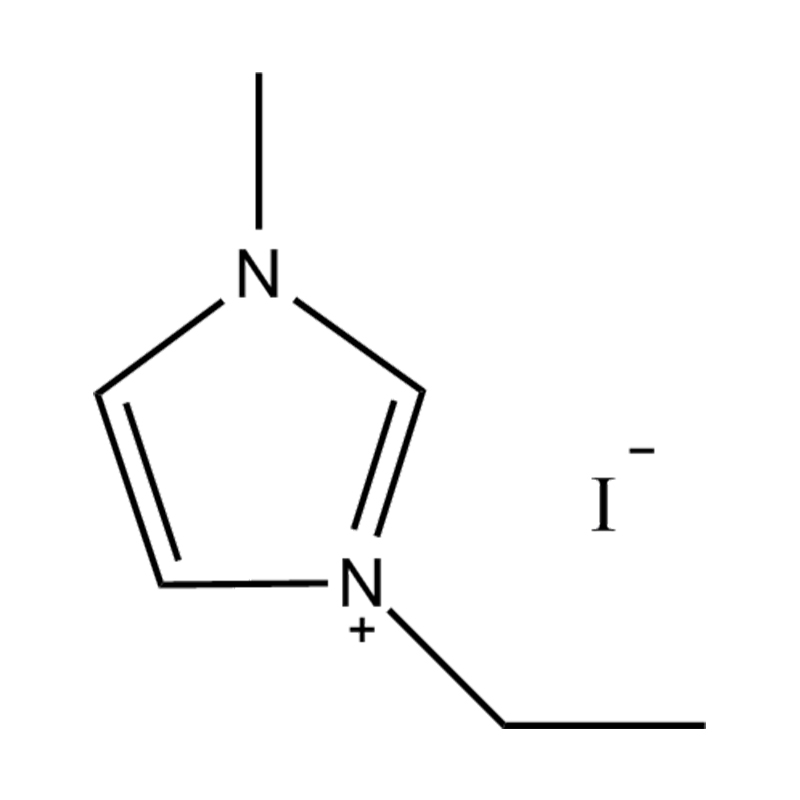
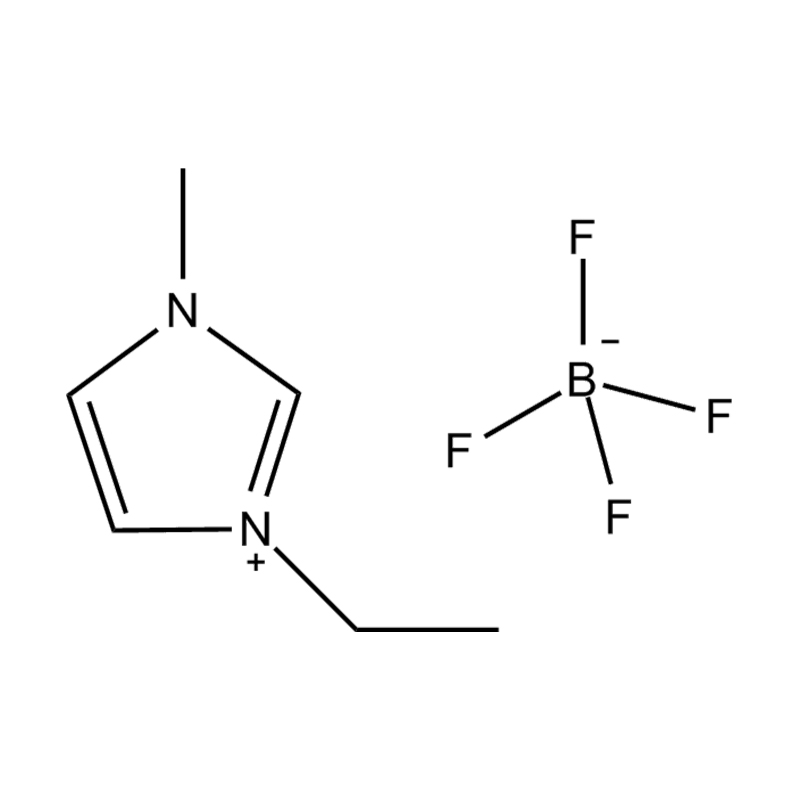
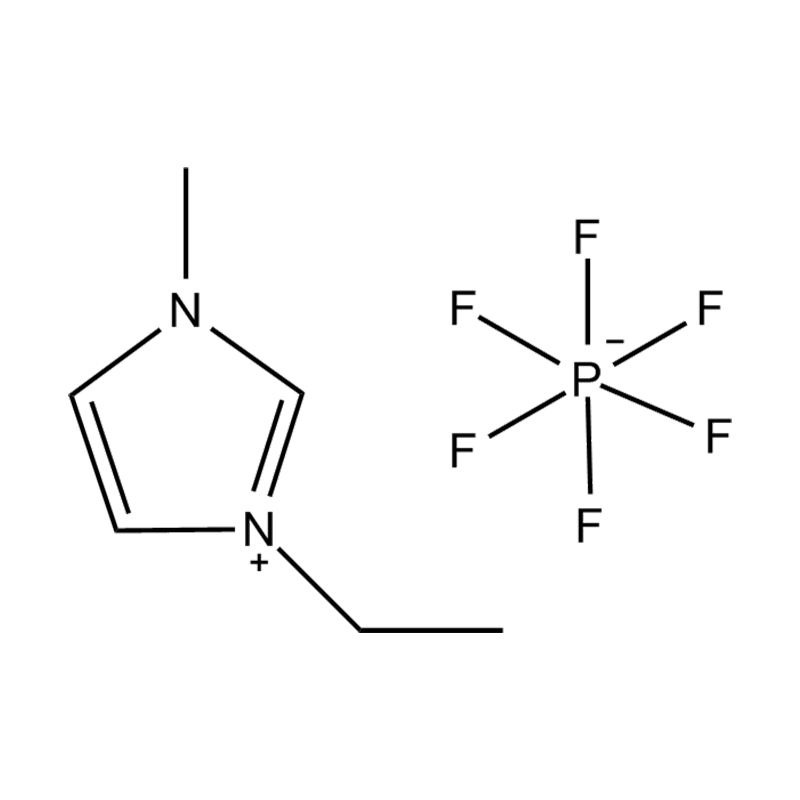
As electrolytes, they bring a wide electrochemical window and negligible vapour pressure, which suits supercapacitors built on high-surface-area CNF electrodes. As processing aids, imidazolium and pyrrolidinium salts wet carbon surfaces that ordinary solvents leave dry, helping to break agglomerates before compounding. As precursors and porogens, they can be blended into a polymer dope before electrospinning; the ionic liquid decomposes into nitrogen-containing species and leaves micropores behind, yielding doped, porous carbon nanofibers in a single thermal step. Because the cation and anion can be chosen independently, this is a design lever rather than a fixed recipe.
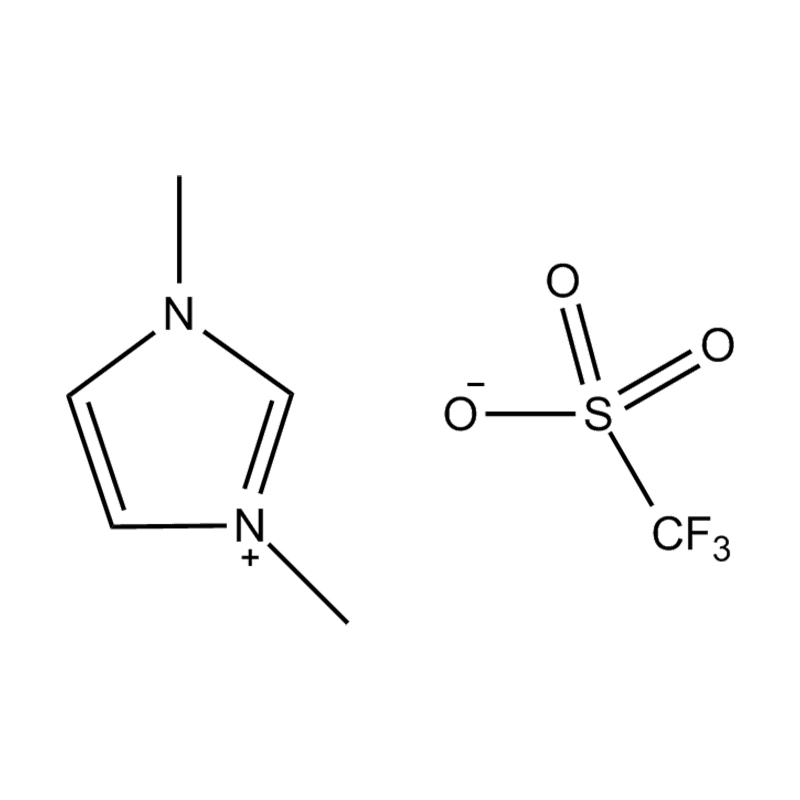
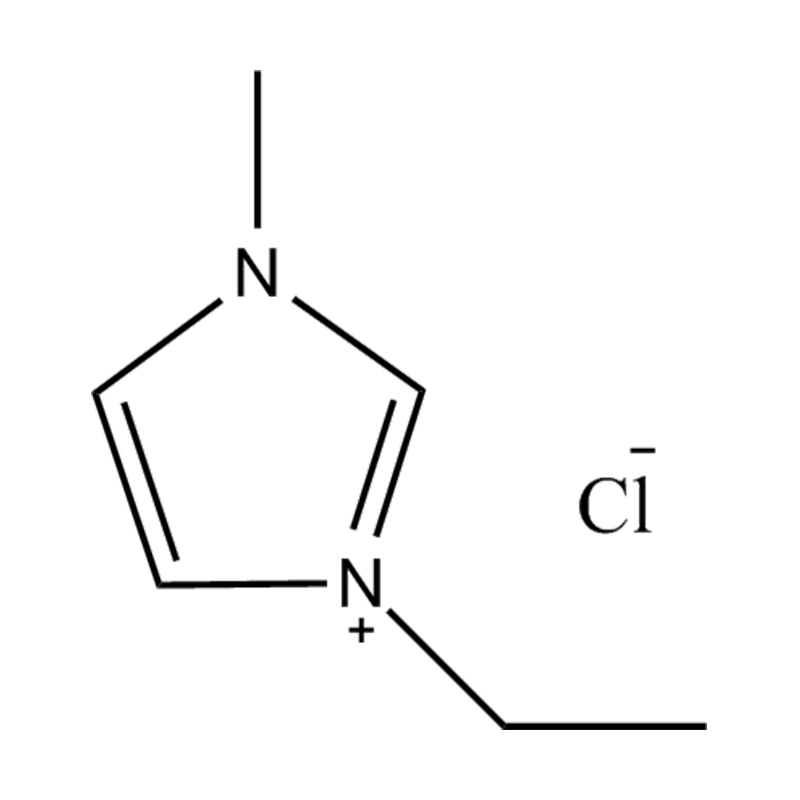
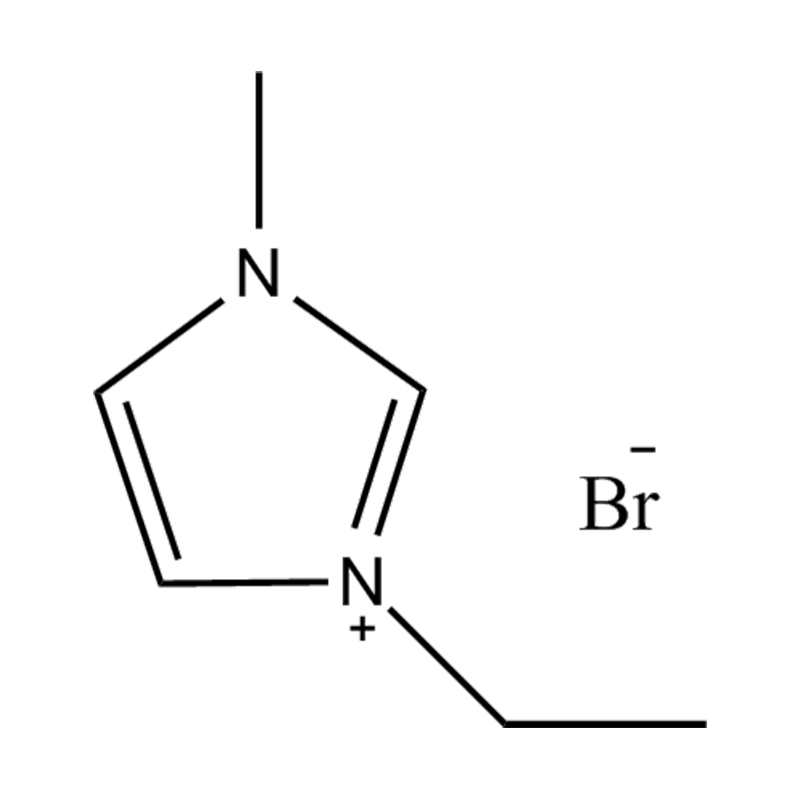
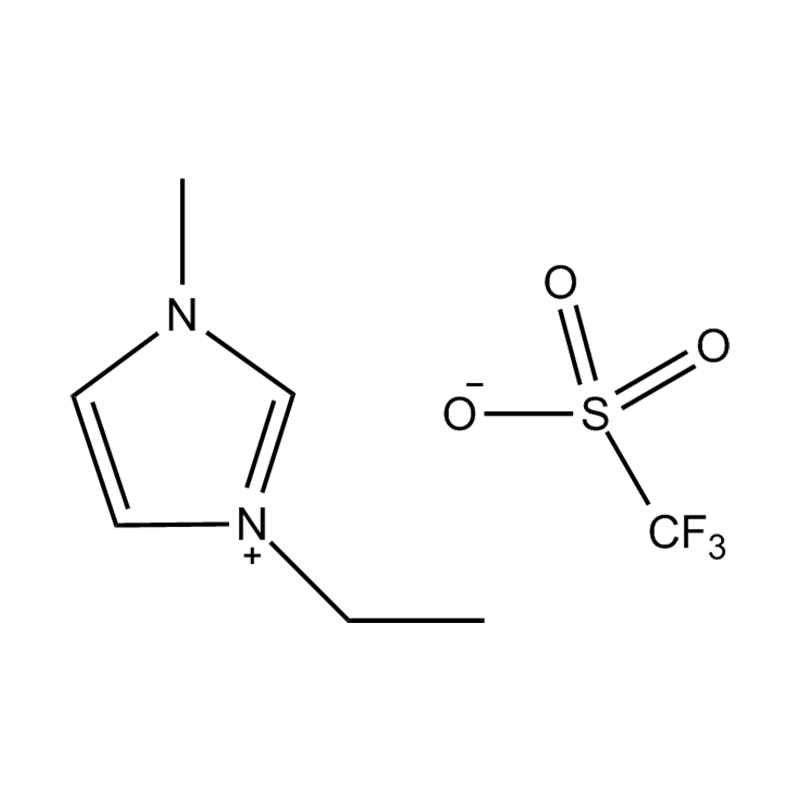
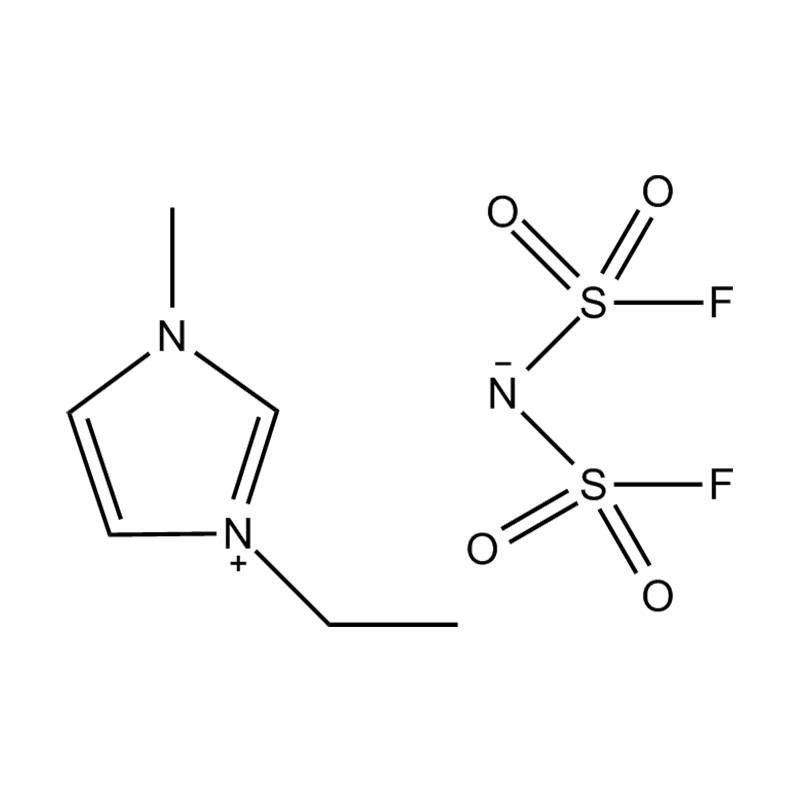
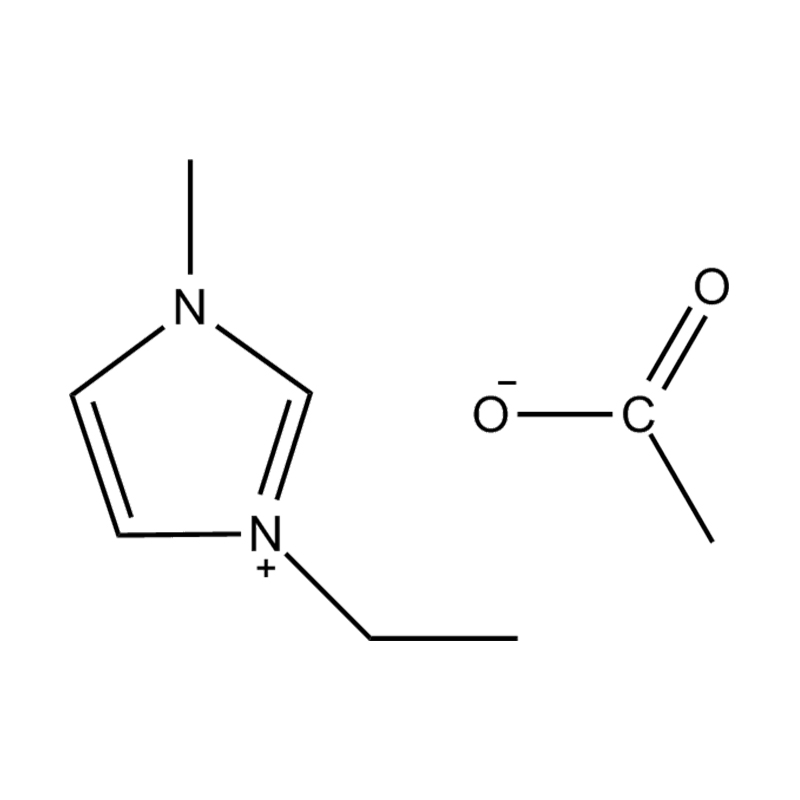
That flexibility is the reason we build our catalogue around structure types rather than single products. Our industrial ionic liquids span imidazolium, pyridinium, pyrrolidinium, piperidinium, quaternary ammonium, and phosphonium families, with anions tuned for thermal stability, hydrophobicity, or conductivity.
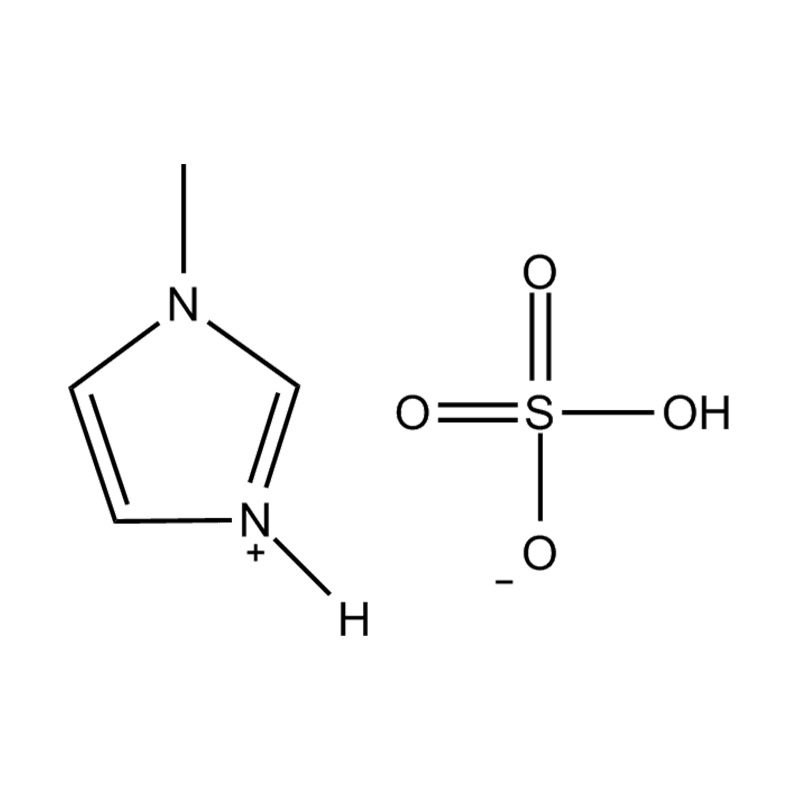 Industrial Ionic Liquids Product SeriesExplore a paginated range of industrial ionic liquids across imidazolium, pyridinium, pyrrolidinium and related families, with anions selected for thermal stability, hydrophobicity, or conductivity.View Product →
For cell developers, the adjacent electrolyte additive portfolio covers salts and functionalised liquids used to tune interfacial behaviour, and for formulators working with conductive fillers we offer ready-made additive systems.
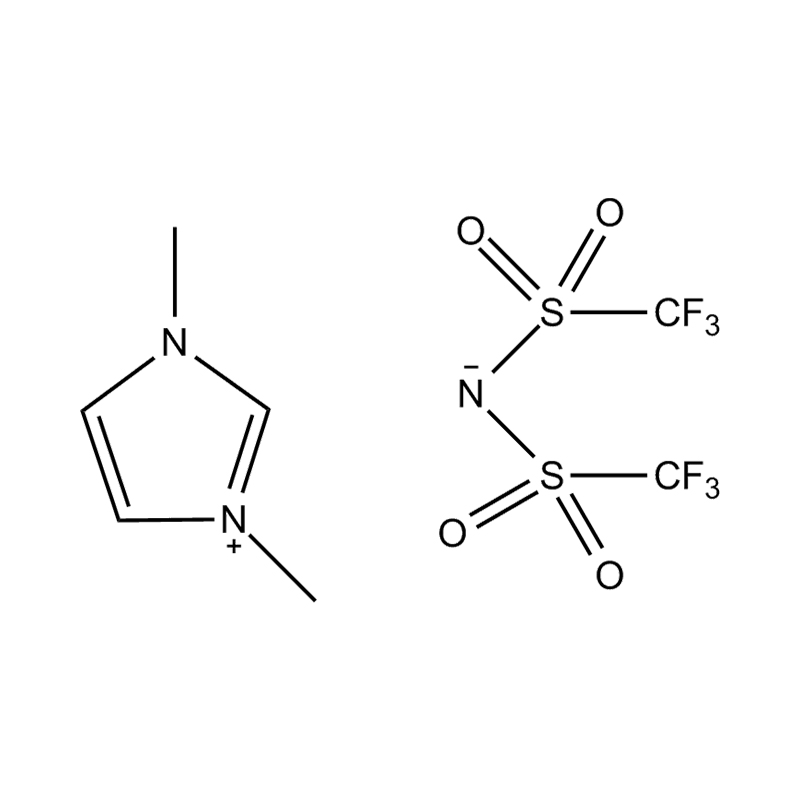
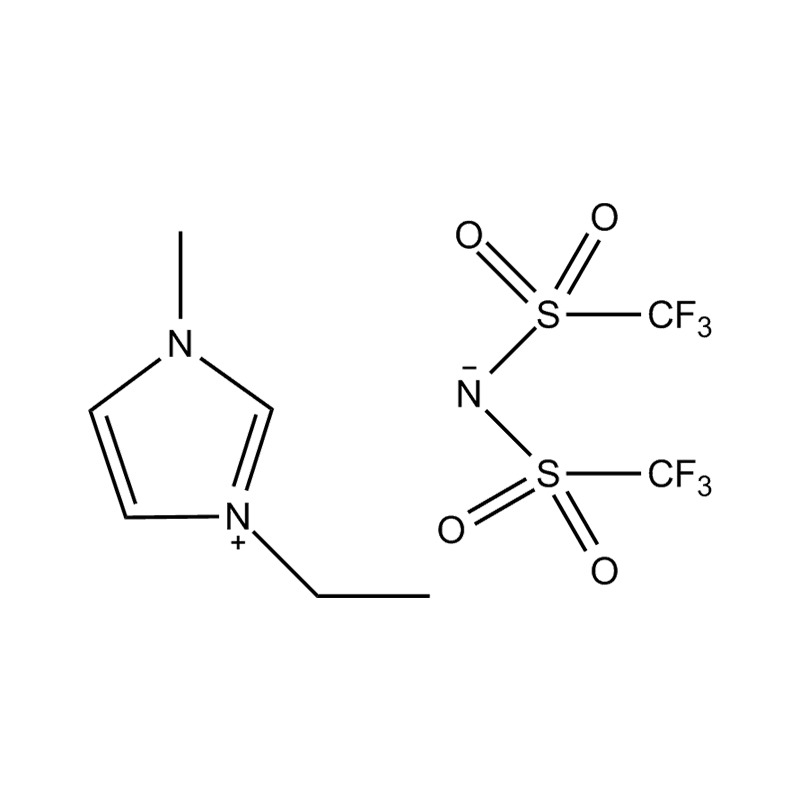
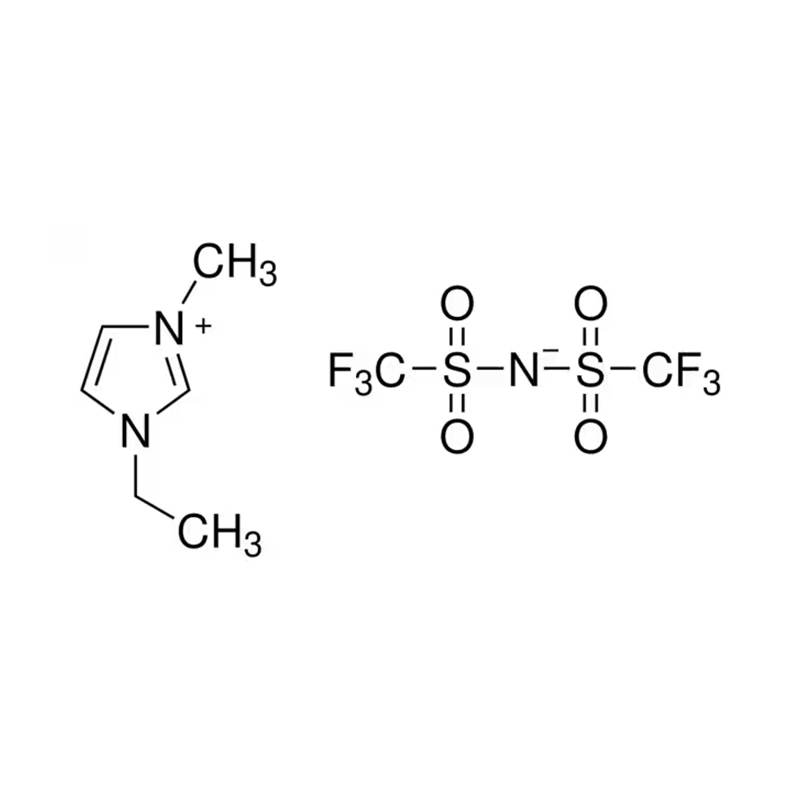 EMIM Bis(trifluoromethylsulfonyl)imide Ionic Liquid, CAS 174899-82-2View this EMIM-based ionic liquid with CAS 174899-82-2, listed among electrolyte additives and ionic liquids for lithium battery and related applications.View Product →
 Ionic Liquids Application Products SeriesExplore the application-products scope for ionic liquids and additives spanning energy, electronics, catalysis, and related industrial uses while detailed listings are pending.View Product →
Practical Notes on Selecting a Grade
- Start from the process, not the datasheet. A powder that disperses beautifully in a twin-screw extruder may be unusable in a solvent cast film.
- Check residual catalyst. Iron and nickel content is the first thing battery and electronics customers ask about, and it varies widely between CVD grades.
- Test the dispersion route early. Sonication, three-roll milling, and masterbatch approaches give different percolation thresholds from the same fiber.
- Match surface chemistry to the matrix. Oxidised fibers suit polar polymers and aqueous systems; graphitised fibers suit non-polar matrices and corrosion-sensitive electrodes.
- Ask for a scale sample before locking a specification. Properties shift between laboratory batches and tonne-scale lots, and it is cheaper to discover that early.
Closing Thoughts
Carbon nanofibers occupy a useful middle ground: cheaper and more processable than nanotubes, far finer and more functional than conventional carbon fiber. Most of the engineering effort goes not into the fiber itself but into dispersion, surface chemistry, and the surrounding electrolyte or matrix — which is exactly the territory where ionic liquids and tailored additives can do real work.
We have been formulating and manufacturing ionic liquid chemistry since 2009, and we are always happy to talk through a specific system, share samples, or discuss a custom cation–anion pairing for your carbon or electrolyte program.