
 English
 Deutsch
 Español
 中文简体
中文简体



Ionic liquids (ILs) have emerged as a transformative class of chemical compounds in modern industry. Composed entirely of ions, these salts remain liquid at relatively low temperatures, often below 100°C. Their unique properties—including negligible vapor pressure, high thermal stability, tunable solubility, and exceptional ionic conductivity—make them attractive alternatives to traditional organic solvents and reagents. Over the past two decades, ionic liquids have expanded from niche laboratory research into a wide array of industrial applications, influencing fields from catalysis to energy storage, pharmaceuticals, and materials processing.
Content
Understanding Ionic Liquids
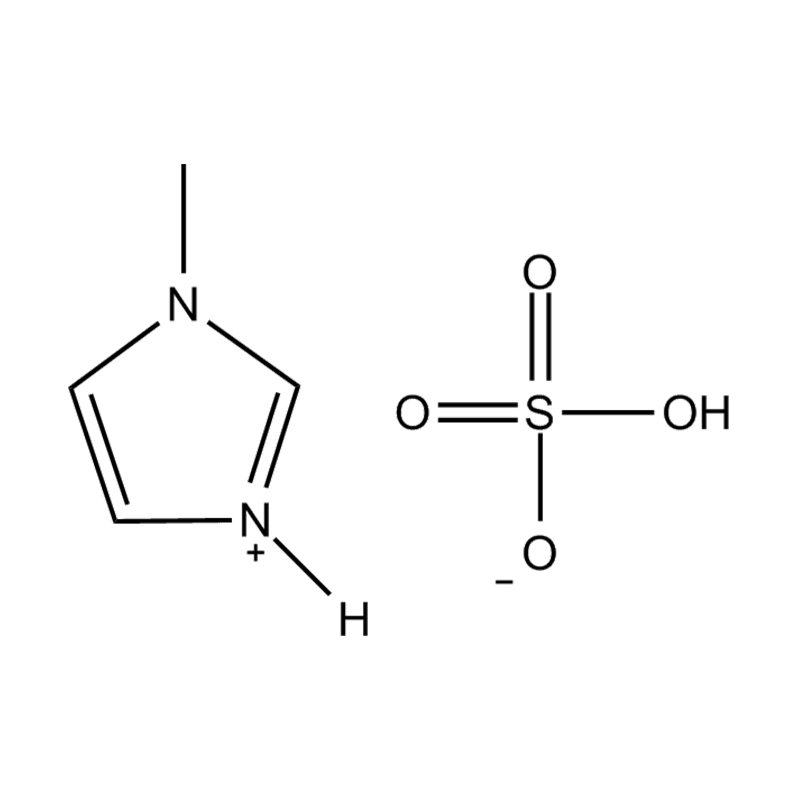
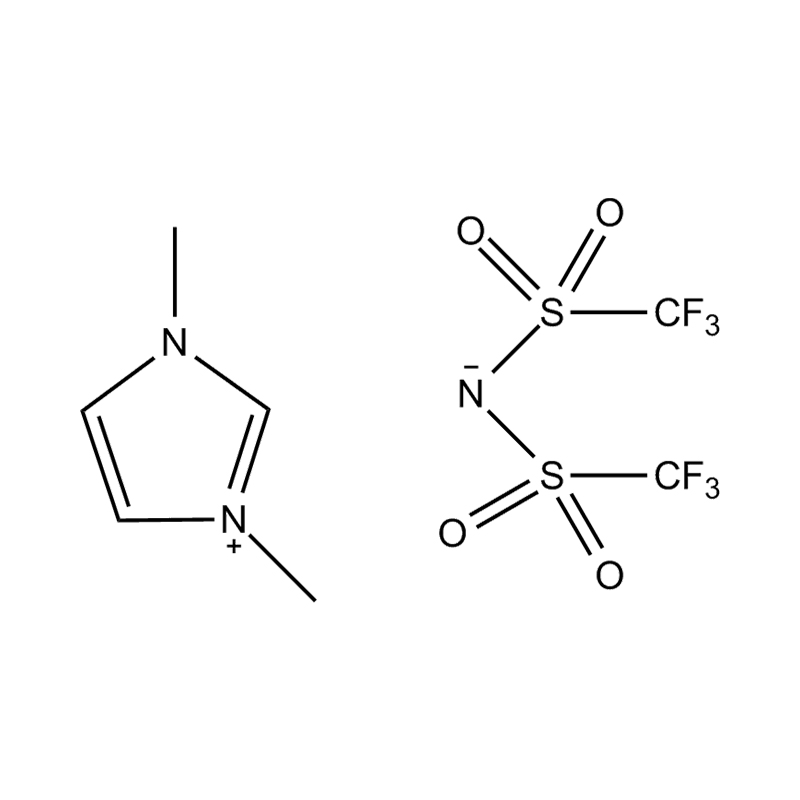
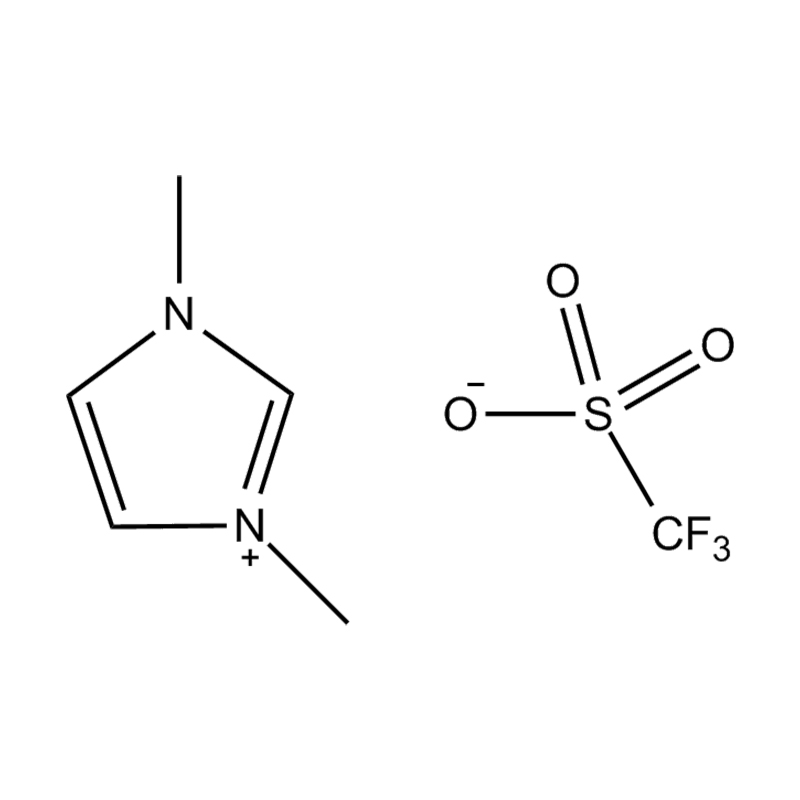
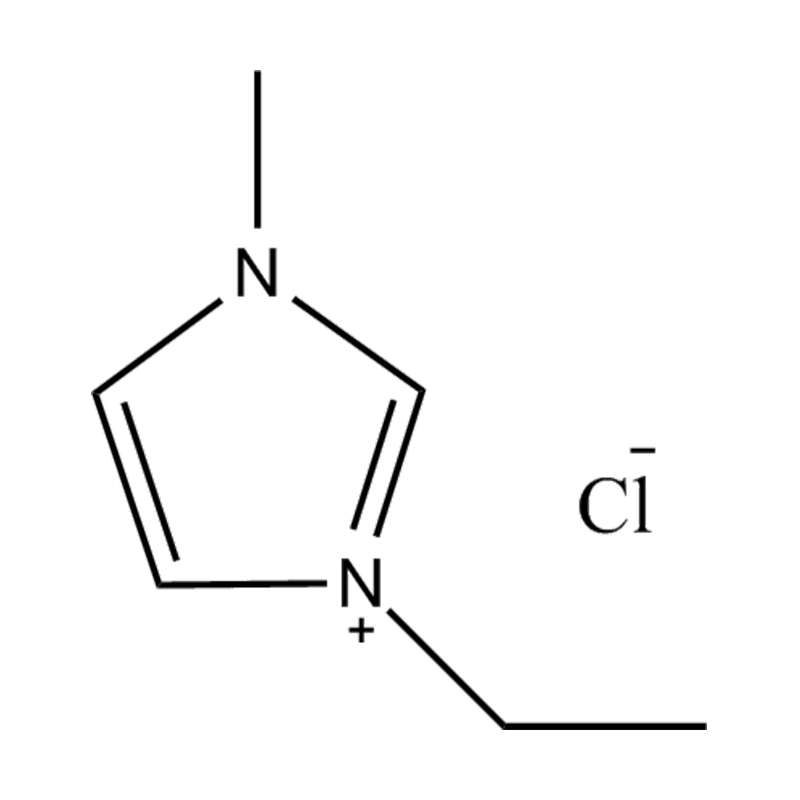
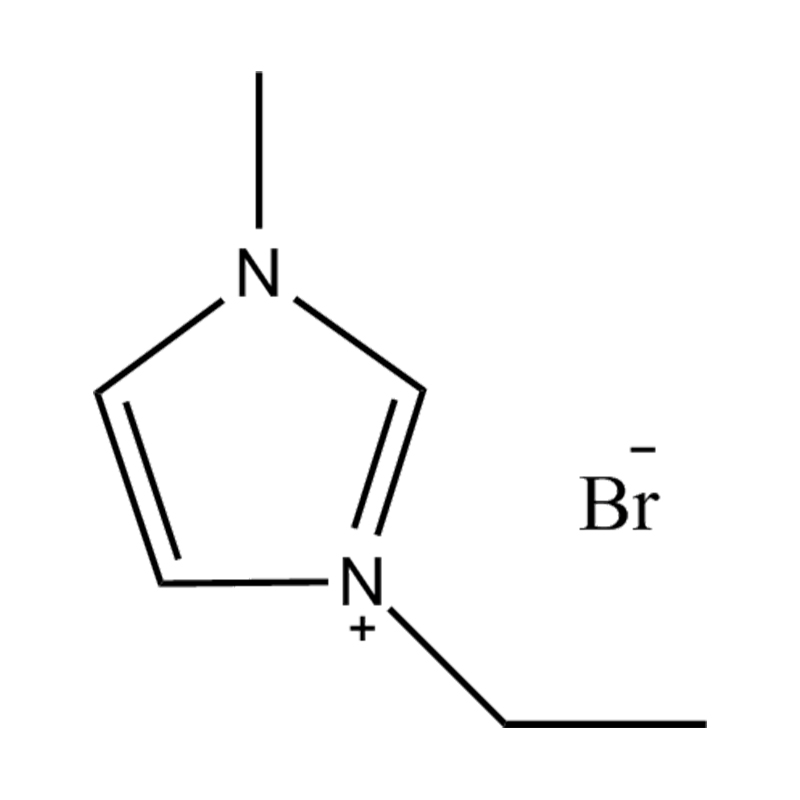
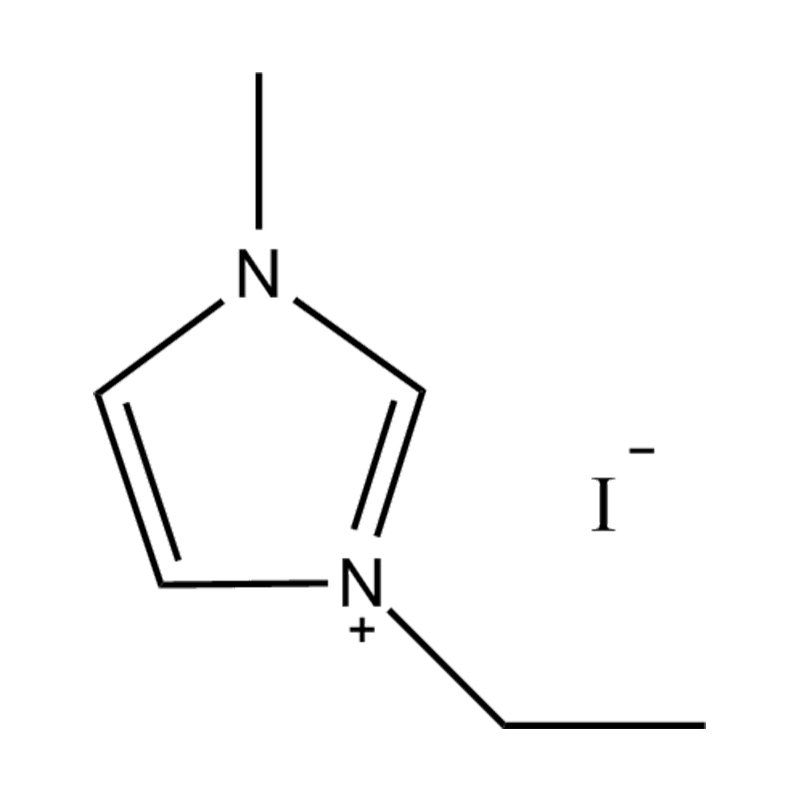
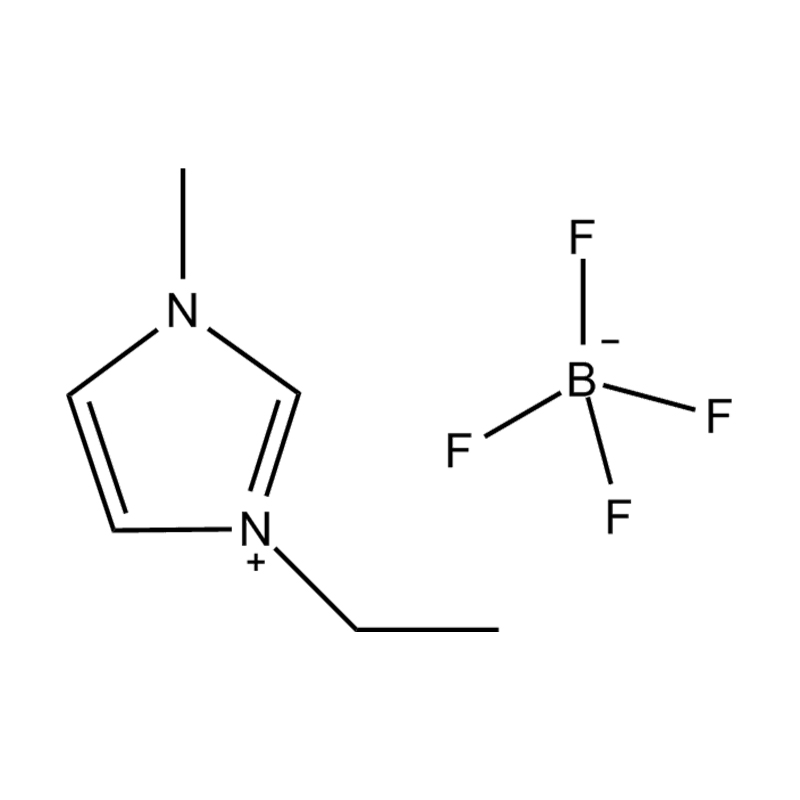
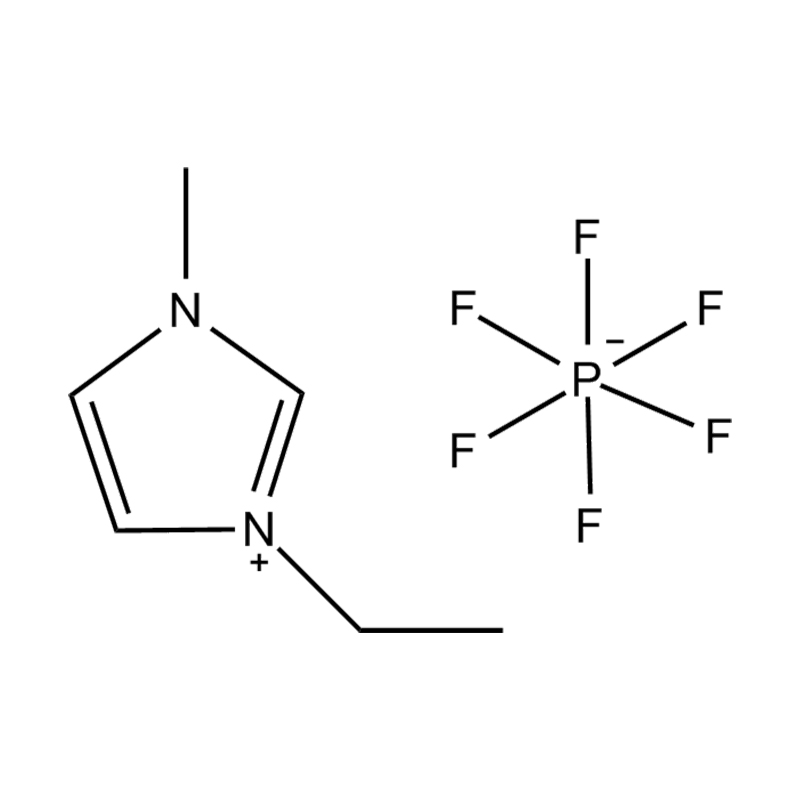
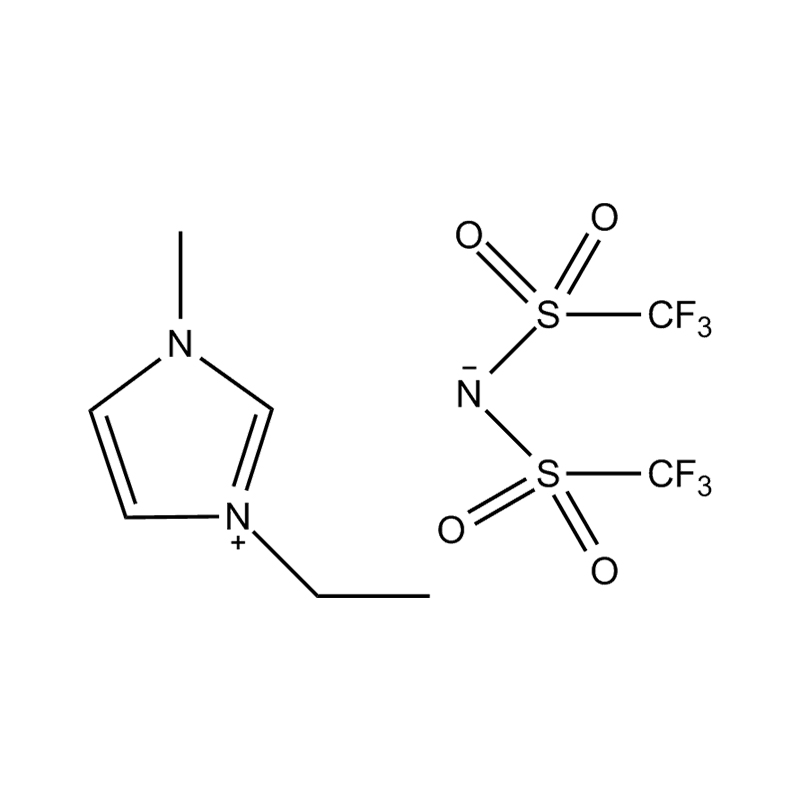
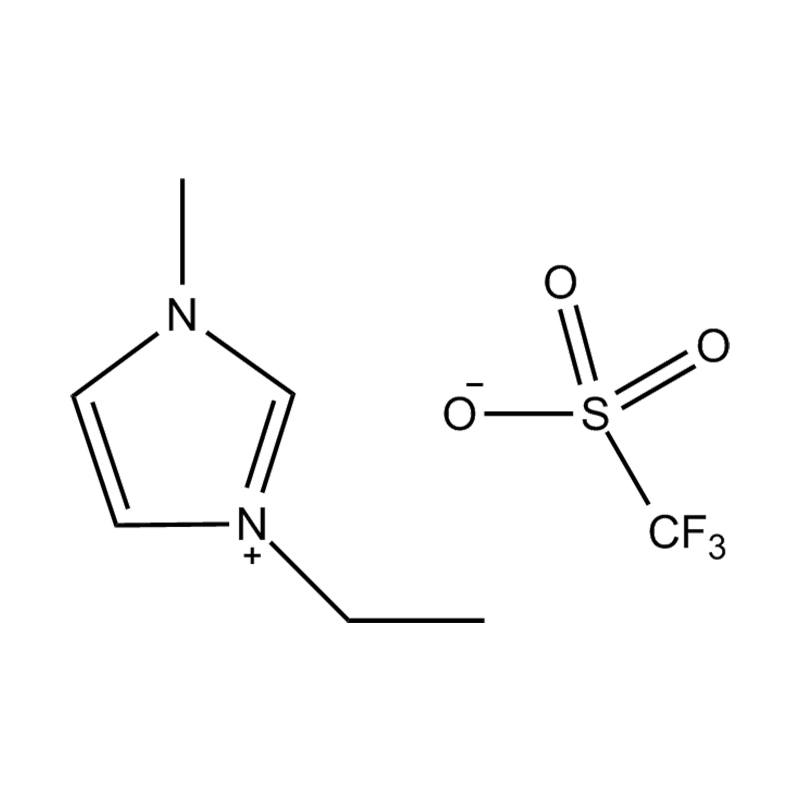
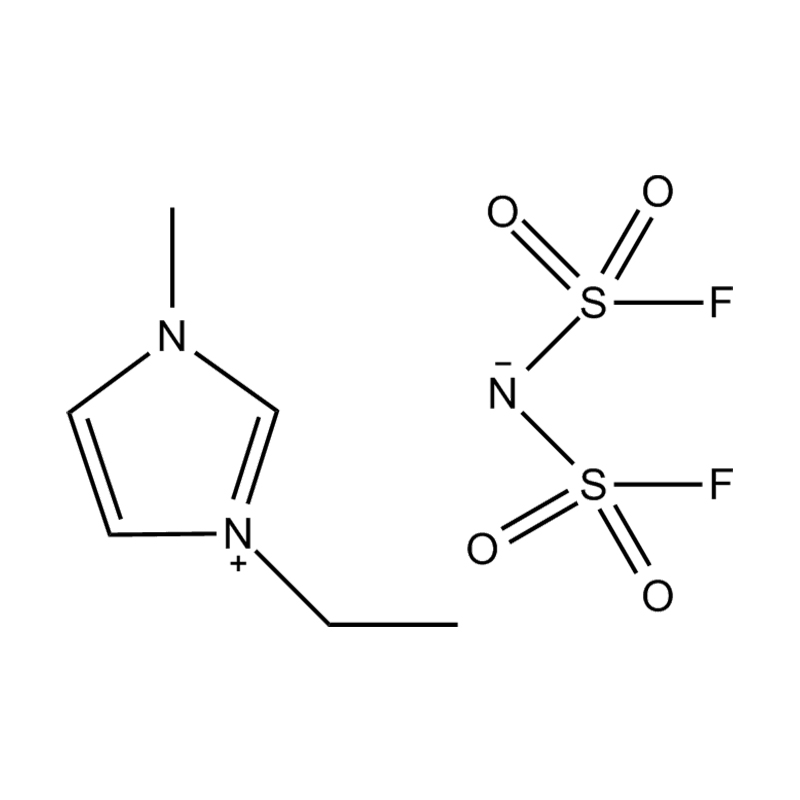
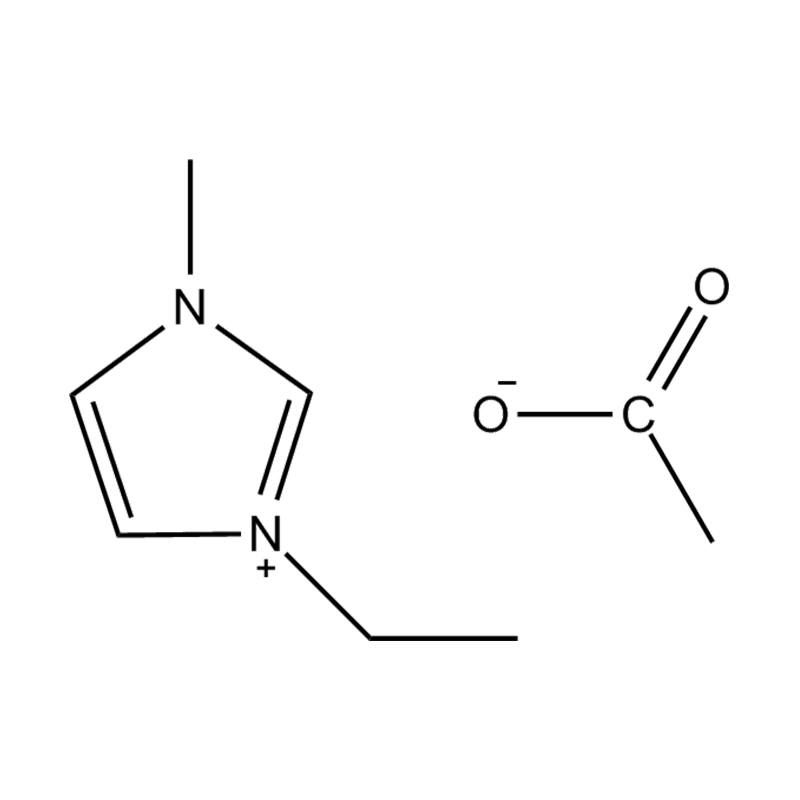
Ionic liquids are salts made up of cations and anions that remain in the liquid state under ambient or slightly elevated temperatures. Common cations include imidazolium, pyridinium, ammonium, and phosphonium ions, while anions range from simple halides to complex species like bis(trifluoromethanesulfonyl)imide. The combination of different cations and anions allows for extensive tuning of physical and chemical properties, including viscosity, polarity, hydrophobicity, and conductivity.
Key characteristics of ionic liquids include:
- Negligible Vapor Pressure: Unlike volatile organic solvents, ILs do not evaporate under normal conditions, reducing emissions and flammability hazards.
- Thermal and Chemical Stability: Many ionic liquids remain stable over wide temperature ranges and resist degradation by acids, bases, or oxidizing agents.
- Solubility and Selectivity: ILs can dissolve a wide range of organic, inorganic, and polymeric substances, often more effectively than traditional solvents.
- Tunability: By selecting specific cation-anion combinations, researchers can design ILs for targeted applications, from dissolving cellulose to enhancing electrochemical reactions.
Industrial Applications of Ionic Liquids
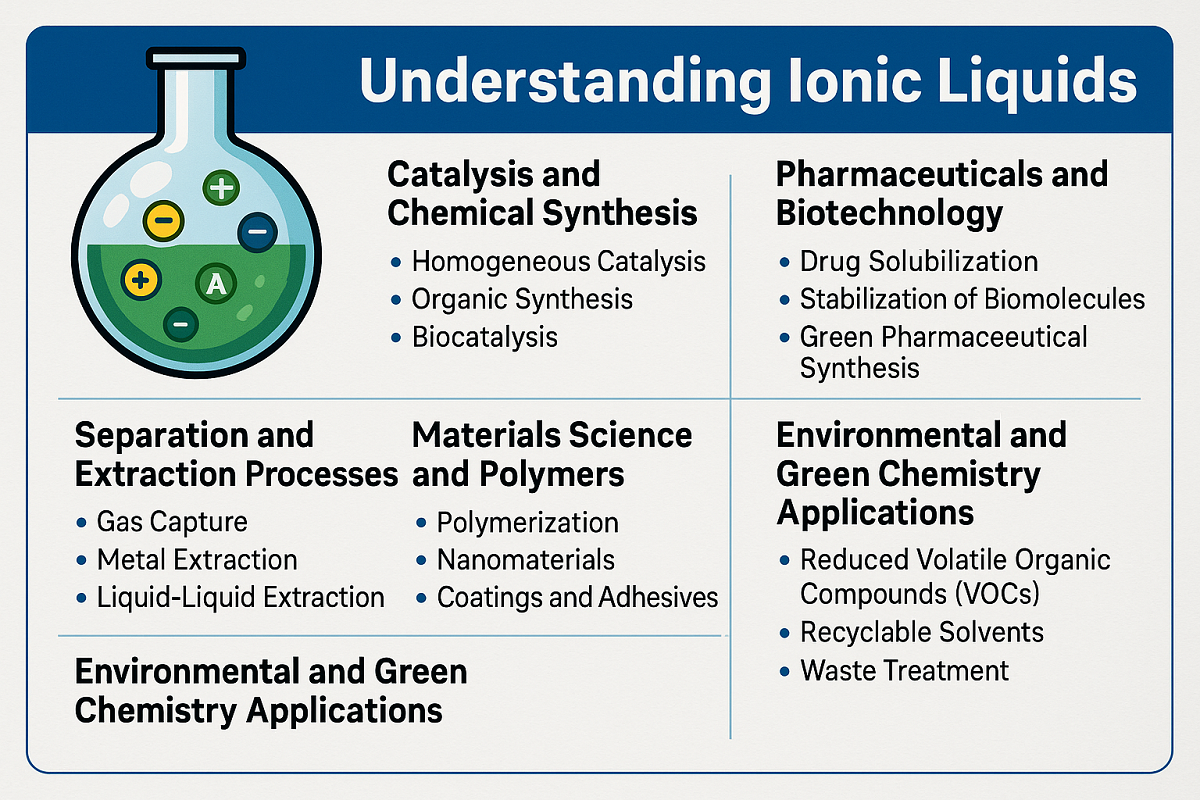
1. Catalysis and Chemical Synthesis
One of the earliest industrial interests in ionic liquids was their use as solvents and co-catalysts in chemical reactions. They provide unique reaction environments that enhance selectivity, yield, and rate.
- Homogeneous Catalysis: Ionic liquids stabilize catalysts, particularly transition-metal complexes, allowing for improved reaction efficiency and easier separation of products.
- Organic Synthesis: ILs are employed in reactions such as Diels-Alder, Friedel-Crafts, and esterification, where conventional solvents may be less efficient or environmentally undesirable.
- Biocatalysis: Certain ILs can stabilize enzymes and enhance biotransformations, offering greener alternatives to aqueous or organic solvent systems.
2. Energy and Electrochemistry
The high ionic conductivity, wide electrochemical window, and thermal stability of ILs make them ideal for energy-related applications:
- Batteries and Supercapacitors: Ionic liquids serve as electrolytes in lithium-ion and sodium-ion batteries, improving thermal stability, safety, and energy density.
- Fuel Cells: ILs are used as proton-conducting membranes, enabling efficient operation over a broad temperature range.
- Electroplating and Electrodeposition: ILs provide uniform metal deposition with reduced environmental impact compared to aqueous plating solutions.
3. Separation and Extraction Processes
Ionic liquids excel at selective solvation, enabling novel separation technologies:
- Gas Capture: ILs can absorb carbon dioxide, sulfur dioxide, and other gases efficiently, supporting carbon capture and environmental mitigation efforts.
- Metal Extraction: ILs extract precious metals like gold, platinum, and palladium from ores or recycled electronic waste.
- Liquid-Liquid Extraction: They replace volatile organic solvents in industrial separations, offering greener and more efficient processes.
4. Pharmaceuticals and Biotechnology
In drug formulation and biotechnology, ionic liquids are used to enhance solubility, stability, and bioavailability:
- Drug Solubilization: ILs can dissolve poorly soluble drugs, facilitating oral or injectable formulations.
- Stabilization of Biomolecules: Proteins, enzymes, and nucleic acids can remain stable in carefully designed ILs, supporting storage and processing.
- Green Pharmaceutical Synthesis: Ionic liquids reduce or eliminate hazardous solvents in the synthesis of active pharmaceutical ingredients (APIs).
5. Materials Science and Polymers
Ionic liquids play a key role in the processing and development of advanced materials:
- Polymerization: ILs act as solvents and catalysts for polymerization reactions, allowing precise control over polymer structure and molecular weight.
- Nanomaterials: ILs assist in the synthesis of nanoparticles, carbon nanotubes, and graphene composites by stabilizing surfaces and controlling morphology.
- Coatings and Adhesives: They are used in specialty coatings, providing durability, chemical resistance, and improved adhesion properties.
6. Environmental and Green Chemistry Applications
Ionic liquids contribute to sustainability and eco-friendly industrial processes:
- Reduced Volatile Organic Compounds (VOCs): By replacing traditional organic solvents, ILs minimize toxic emissions.
- Recyclable Solvents: Many ionic liquids can be recovered and reused multiple times, reducing waste.
- Waste Treatment: ILs are applied in treating hazardous wastes, capturing pollutants, or facilitating degradation reactions.
Challenges and Considerations
Despite their advantages, several challenges remain in industrial adoption:
- Cost: Many ionic liquids are still expensive to produce, limiting large-scale deployment.
- Viscosity: High viscosity can slow mass transfer in reactions and separations, requiring careful process design.
- Environmental Impact: While ILs reduce VOCs, their long-term environmental toxicity and biodegradability require assessment.
- Process Integration: Scaling up IL-based processes from laboratory to industrial scale demands careful engineering to maintain efficiency and performance.
Conclusion
Ionic liquids represent a versatile, tunable, and innovative class of chemicals that are transforming industrial processes across multiple sectors. From catalysis and electrochemistry to pharmaceuticals, materials science, and environmental engineering, their unique properties allow companies to design safer, more efficient, and sustainable processes.
As research continues and production costs decrease, the adoption of ionic liquids in industry is expected to grow further, enabling greener chemistry, improved energy storage solutions, and advanced material production. By understanding their potential and limitations, engineers, chemists, and industrial innovators can harness the full capabilities of ionic liquids to drive innovation and efficiency in modern industry.