
 English
 Deutsch
 Español
 中文简体
中文简体



Content
- 1 Overview of 1-Ethyl-3-methylimidazolium Bromide
- 2 Chemical and Physical Properties
- 3 Synthesis and Purification Methods
- 4 Role as a Precursor Ionic Liquid
- 5 Applications in Cellulose and Biomass Processing
- 6 Electrochemical and Energy Storage Applications
- 7 Catalysis and Organic Synthesis Applications
- 8 Handling, Safety, and Environmental Considerations
- 9 Conclusion
Overview of 1-Ethyl-3-methylimidazolium Bromide
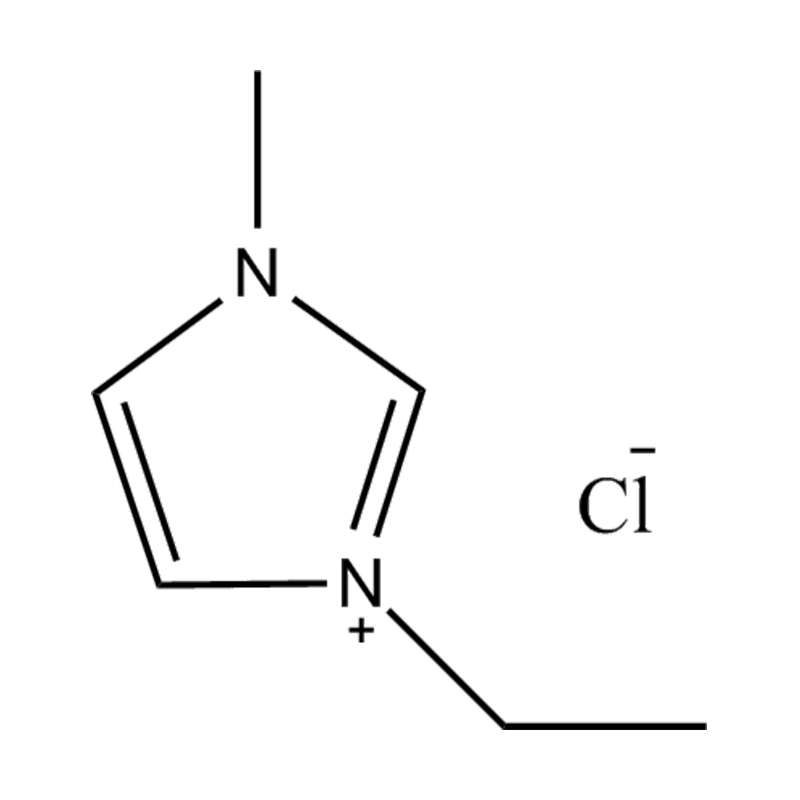
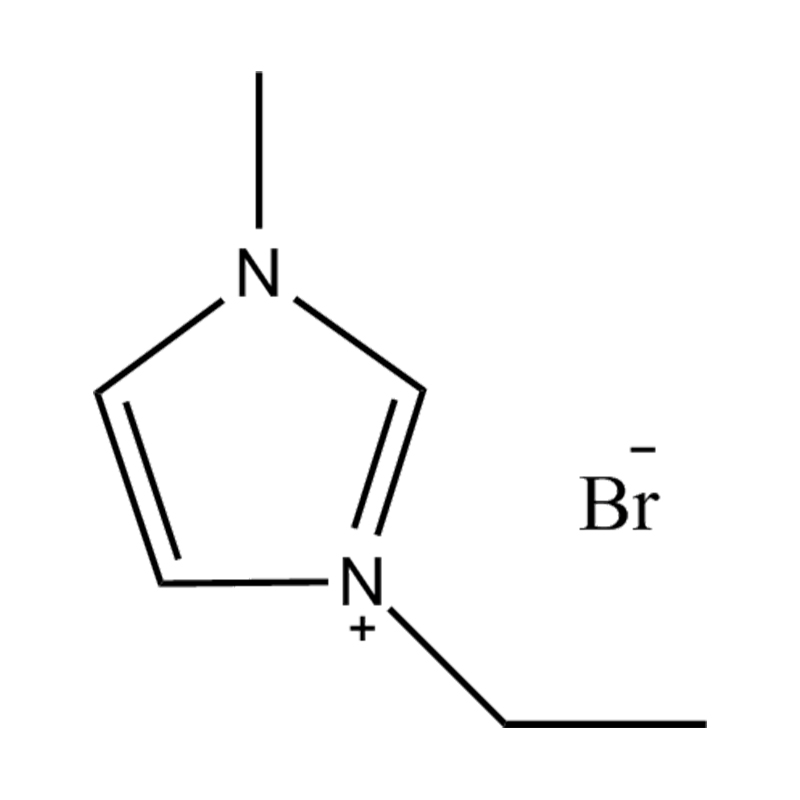
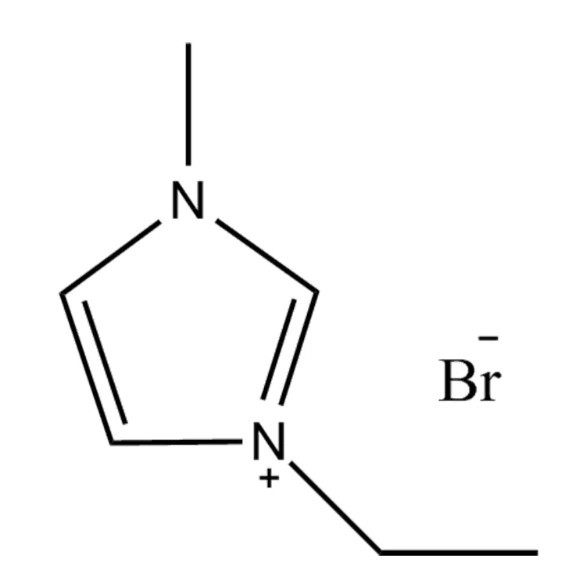
1-Ethyl-3-methylimidazolium bromide, commonly abbreviated as [EMIm]Br or EMIMBr, is an ionic liquid salt belonging to the imidazolium family — one of the most extensively studied classes of room-temperature ionic liquids (RTILs) in modern chemistry. It is composed of the 1-ethyl-3-methylimidazolium cation paired with a bromide anion, resulting in a crystalline solid at room temperature with a melting point typically reported between 77°C and 83°C depending on purity. Unlike many of its hexafluorophosphate or tetrafluoroborate counterparts, [EMIm]Br is water-miscible and highly hygroscopic, which influences both its handling requirements and its range of practical applications.
The compound carries the CAS number 65039-09-0 and has the molecular formula C₆H₁₁BrN₂, with a molecular weight of approximately 191.07 g/mol. Its relatively simple synthesis, commercial availability, and well-characterized physicochemical profile make it a widely used reference ionic liquid in academic research, green chemistry development, electrochemistry, and materials science. The bromide anion, while conferring excellent solubility in polar solvents, also introduces specific considerations regarding corrosivity and environmental compatibility that must be managed in industrial contexts.
Chemical and Physical Properties
The physicochemical properties of 1-Ethyl-3-methylimidazolium bromide directly govern its behavior in application settings and determine which processes benefit most from its use. A thorough understanding of these properties is essential for researchers and engineers selecting ionic liquids for specific tasks.
| Property | Value / Description |
| Molecular Formula | C₆H₁₁BrN₂ |
| Molecular Weight | 191.07 g/mol |
| CAS Number | 65039-09-0 |
| Melting Point | 77°C – 83°C |
| Appearance | White to off-white crystalline solid |
| Solubility in Water | Fully miscible |
| Thermal Stability | Decomposition above ~300°C |
| Vapor Pressure | Negligible at ambient conditions |
| Hygroscopicity | High — absorbs atmospheric moisture readily |
| Ionic Conductivity (molten state) | High relative to many ionic liquids |
The imidazolium ring of [EMIm]Br is aromatic and planar, contributing to the compound's relatively high melting point compared to ionic liquids with larger or more asymmetric cations that disrupt crystal packing. The C2 proton on the imidazolium ring is moderately acidic and can participate in hydrogen bonding with the bromide anion, which has direct implications for the compound's coordination chemistry and its behavior as a solvent for biopolymers. The negligible vapor pressure — a characteristic shared broadly across ionic liquids — means [EMIm]Br does not contribute to volatile organic compound (VOC) emissions, an important advantage in green chemistry applications.
Synthesis and Purification Methods
1-Ethyl-3-methylimidazolium bromide is synthesized via a straightforward N-alkylation reaction between 1-methylimidazole and ethyl bromide (bromoethane). This reaction, sometimes called quaternization, proceeds without a catalyst when the reagents are mixed neat or in a suitable solvent and heated to moderate temperatures (typically 50–80°C) for several hours under an inert atmosphere or reflux condenser. The reaction is highly exothermic in its initial phase, requiring careful temperature control to prevent runaway heating, particularly at scale.
The crude product is typically a viscous liquid or soft solid that crystallizes upon cooling. Purification involves washing with ethyl acetate or diethyl ether to remove unreacted starting materials and organic impurities, followed by recrystallization from acetonitrile or ethanol-ethyl acetate mixtures. Activated carbon treatment may be applied to remove colored impurities. The final product is dried under vacuum at elevated temperature (60–80°C) to reduce water content, with Karl Fischer titration used to confirm moisture levels below 100–500 ppm depending on the intended application. High-purity grades (>99%) are essential for electrochemical and spectroscopic research applications where trace impurities can significantly alter measured properties.
Role as a Precursor Ionic Liquid
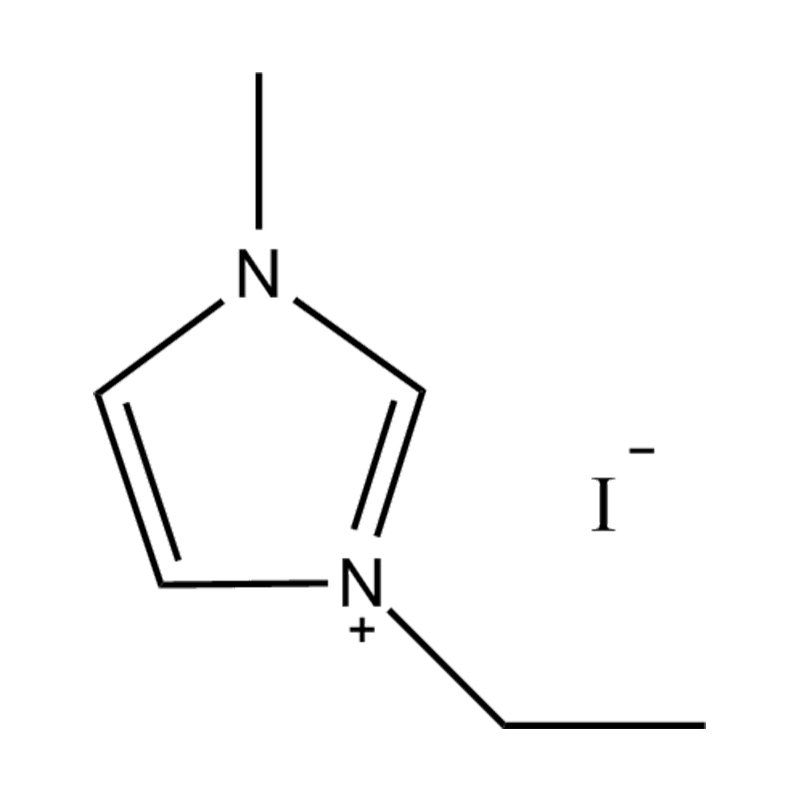
One of the most important practical roles of [EMIm]Br in ionic liquid chemistry is its function as a precursor for the synthesis of other [EMIm]-based ionic liquids with different anions. Because the bromide salt is easily synthesized in high yield and purity, it serves as the starting material for anion metathesis reactions — where the bromide anion is exchanged for a target anion using an appropriate silver salt, sodium salt, or ion-exchange resin.
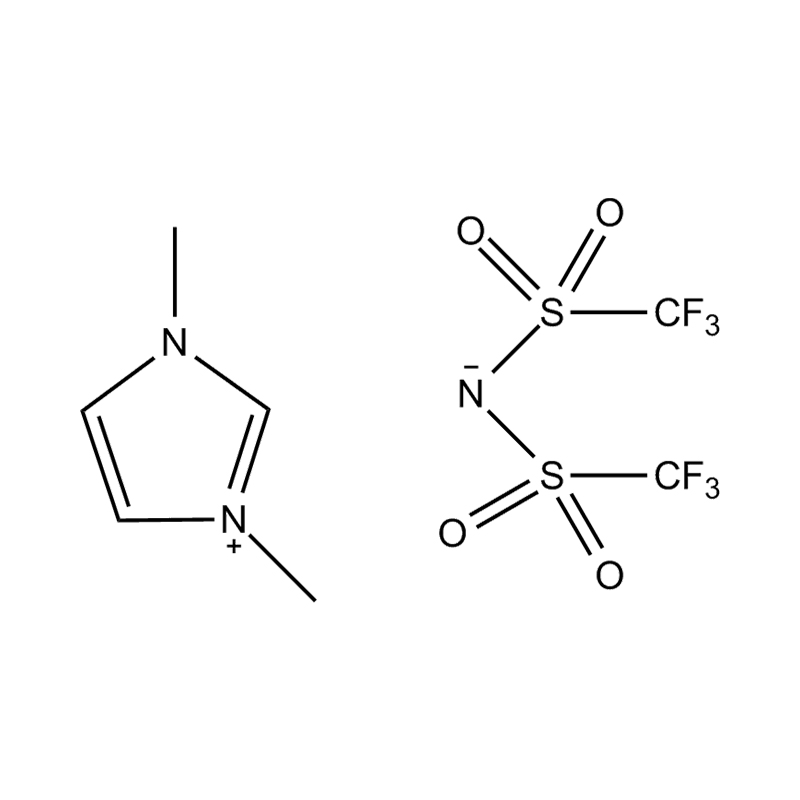
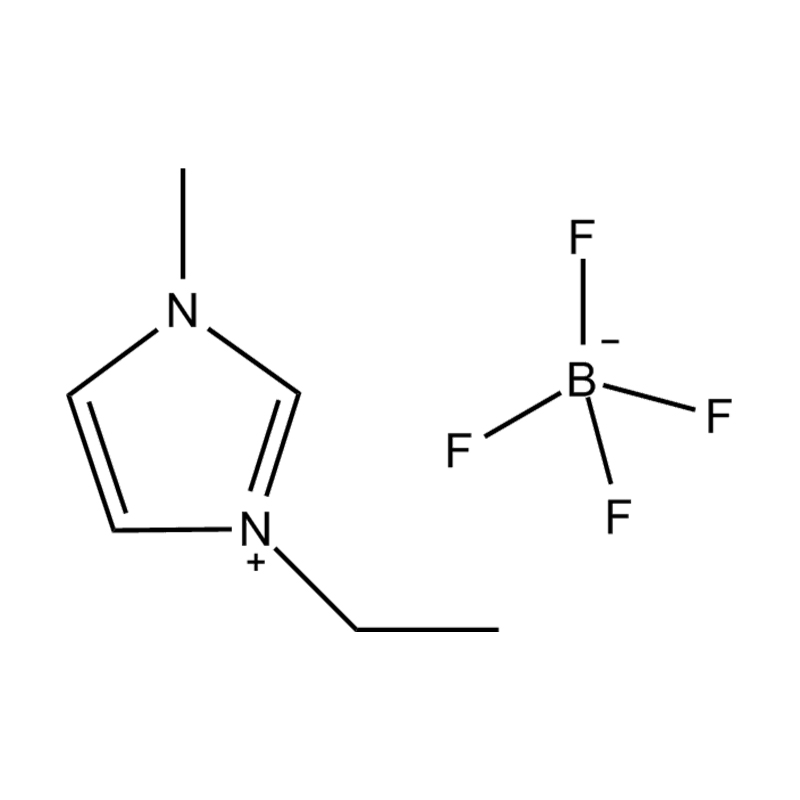
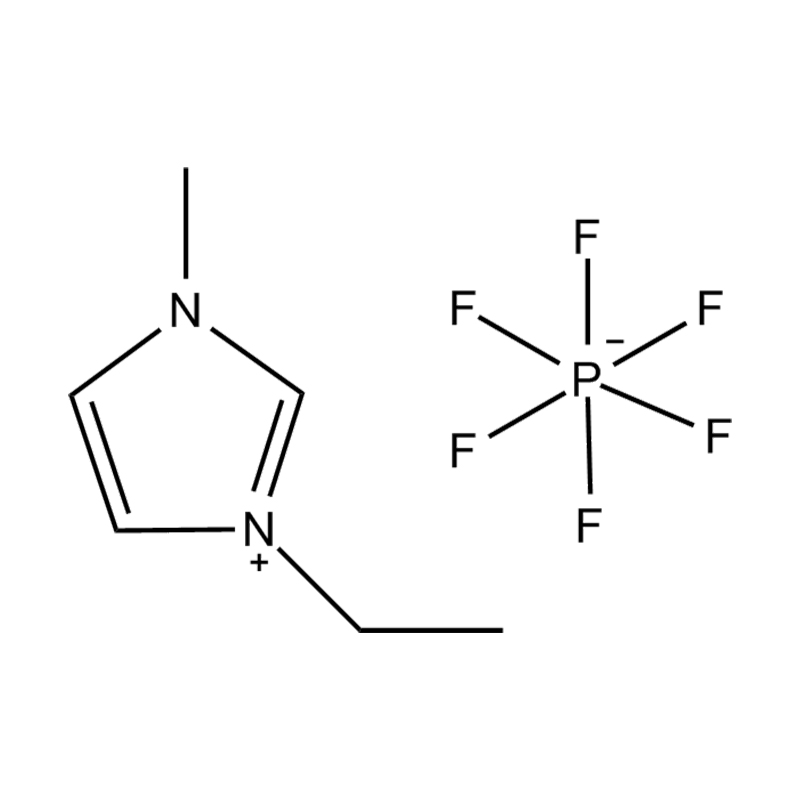
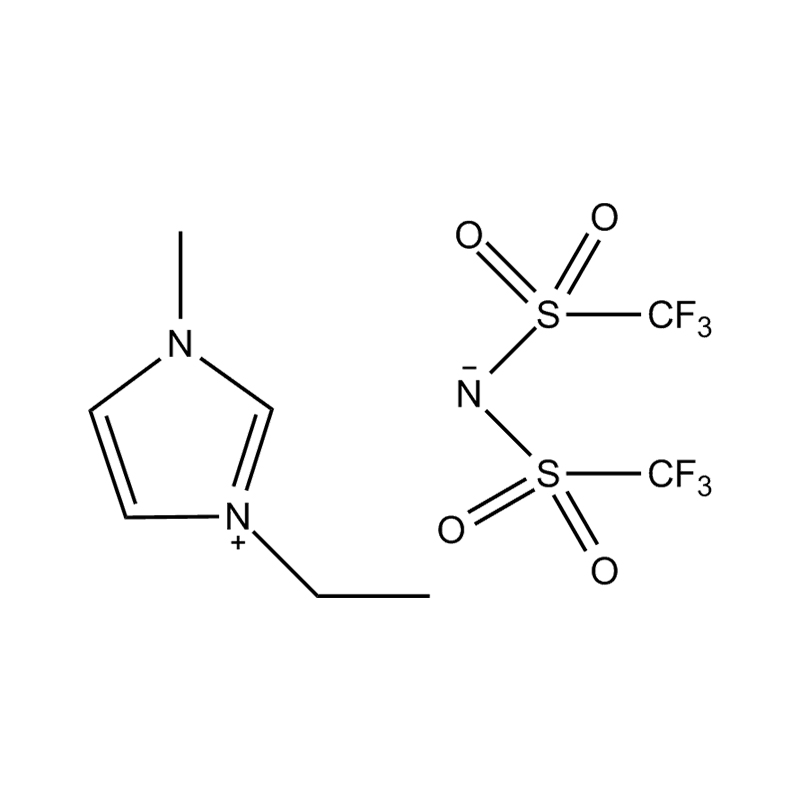
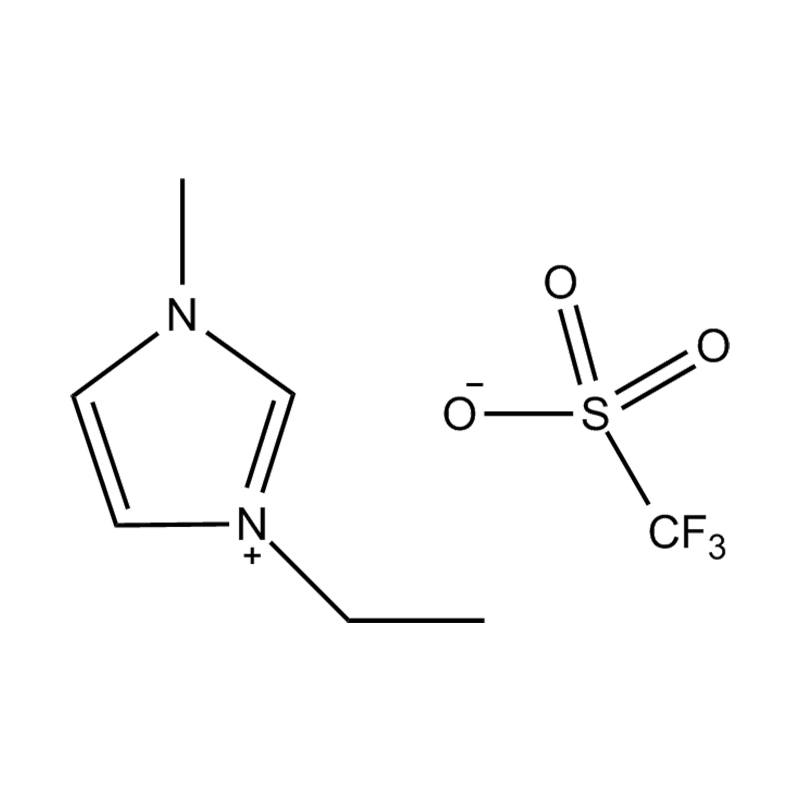
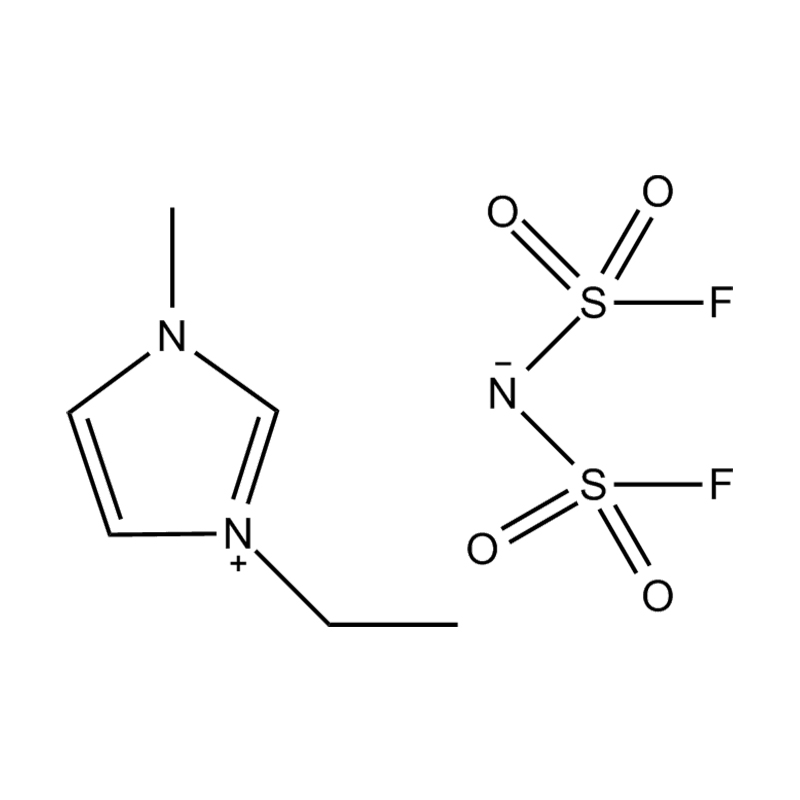
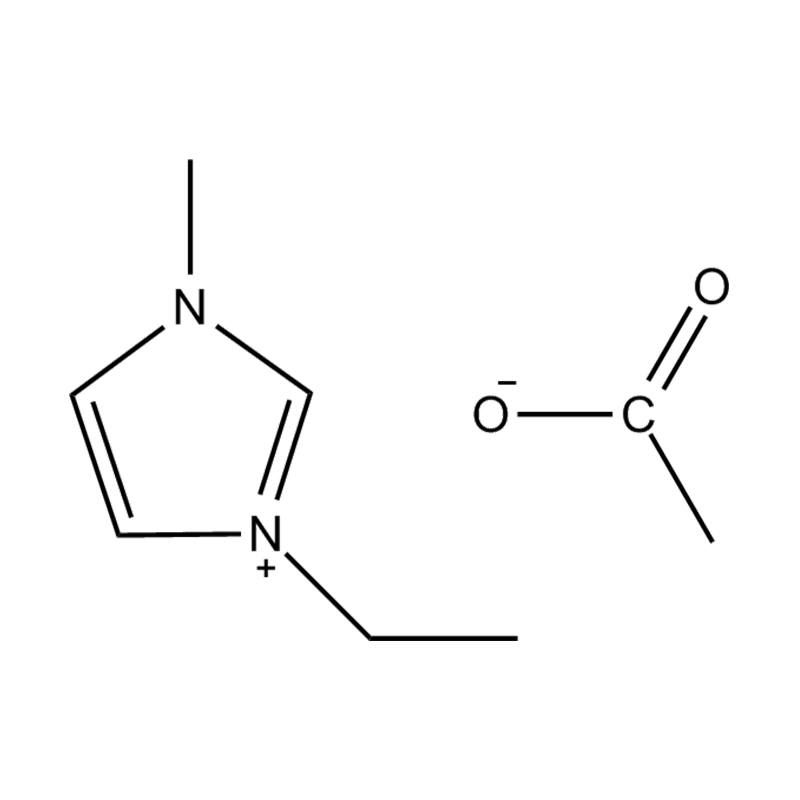
Through this route, researchers can prepare a wide range of functional ionic liquids including [EMIm][BF₄] (tetrafluoroborate), [EMIm][PF₆] (hexafluorophosphate), [EMIm][NTf₂] (bis(trifluoromethanesulfonyl)imide), [EMIm][OAc] (acetate), and [EMIm][DCA] (dicyanamide), each with distinct physical properties and application profiles. This synthetic versatility makes [EMIm]Br a central hub compound in ionic liquid research libraries and an economically important bulk precursor for ionic liquid manufacturers supplying the pharmaceutical, energy storage, and materials science sectors.
Applications in Cellulose and Biomass Processing
Among the most impactful practical applications of 1-Ethyl-3-methylimidazolium bromide is its ability to dissolve cellulose — a naturally abundant but notoriously intractable biopolymer that is insoluble in water and most common organic solvents. The bromide anion of [EMIm]Br acts as a hydrogen bond acceptor that disrupts the extensive inter- and intra-molecular hydrogen bonding network holding cellulose chains together, enabling dissolution at temperatures between 80°C and 110°C to produce concentrated, processable cellulose solutions.
This property has opened significant avenues in sustainable materials processing. Dissolved cellulose can be regenerated into fibers, films, beads, or aerogels by precipitation into water or other non-solvents, offering pathways to biodegradable packaging materials, pharmaceutical excipient microparticles, and high-performance textile fibers as alternatives to environmentally problematic viscose rayon processes. Lignocellulosic biomass — the combination of cellulose, hemicellulose, and lignin found in agricultural residues and wood — can also be fractionated using [EMIm]Br, selectively dissolving the cellulosic fraction while leaving lignin partially intact for separate valorization, a critical step in biorefinery process development.
Electrochemical and Energy Storage Applications
The electrochemical properties of [EMIm]Br, including its high ionic conductivity in the molten state and its wide electrochemical stability window, make it relevant to energy storage and electrodeposition research. While the melting point of 77–83°C limits its direct use as a room-temperature electrolyte compared to lower-melting [EMIm] salts, it finds application as an electrolyte component in high-temperature electrochemical systems and as a constituent of eutectic mixtures with other ionic liquids or salts that melt at lower temperatures.
In electrodeposition research, [EMIm]Br has been investigated as a medium for the electrodeposition of metals that are difficult or impossible to deposit from aqueous solutions, including aluminum, zinc, and various rare earth elements. The absence of water eliminates the competing hydrogen evolution reaction that limits Faradaic efficiency in aqueous electroplating baths, enabling the deposition of dense, adherent metal coatings with superior purity. Supercapacitor research has also employed [EMIm]Br-based electrolytes to explore the double-layer capacitance behavior of activated carbon and graphene electrodes at elevated temperatures where conventional organic electrolytes would decompose or evaporate.
Catalysis and Organic Synthesis Applications
[EMIm]Br serves multiple roles in catalytic and synthetic chemistry, both as a reaction solvent and as a direct participant in catalytic cycles. Its polar, non-coordinating character (relative to water) and ability to stabilize ionic intermediates and transition states make it an effective medium for a range of organic transformations.
- Diels-Alder Reactions: Ionic liquid media including [EMIm]Br have been shown to accelerate Diels-Alder cycloadditions and improve endo/exo selectivity compared to molecular solvent systems, attributed to the high internal pressure and polarity of the ionic liquid environment.
- Acid-Catalyzed Reactions: When combined with Lewis acids such as AlCl₃ or FeCl₃, [EMIm]Br forms chloroaluminate or chloroferrate ionic liquids with tunable acidity, useful for Friedel-Crafts alkylations, acylations, and isomerization reactions under mild conditions with easy product separation.
- Transition Metal Catalysis: Palladium, ruthenium, and rhodium catalysts for cross-coupling, hydrogenation, and metathesis reactions have been deployed in [EMIm]Br-based ionic liquid phases, enabling catalyst immobilization and recycling by extracting organic products into a separate organic phase while retaining the catalyst in the ionic liquid layer.
- Enzymatic Catalysis: Certain enzyme systems, particularly cellulases and lipases, retain or even exhibit enhanced activity in dilute [EMIm]Br solutions, making it possible to combine ionic liquid-mediated biomass dissolution with enzymatic saccharification in integrated bioprocessing schemes.
- Microwave-Assisted Synthesis: The ionic nature of [EMIm]Br makes it an excellent microwave absorber, enabling rapid, uniform heating of reaction mixtures under microwave irradiation — dramatically reducing reaction times from hours to minutes for a range of synthetic transformations.
Handling, Safety, and Environmental Considerations
Although ionic liquids are frequently described as "green solvents" due to their negligible vapor pressure and non-flammability, 1-Ethyl-3-methylimidazolium bromide is not without safety and environmental concerns that must be carefully managed in laboratory and industrial settings.
The compound is an irritant to skin, eyes, and mucous membranes, and appropriate personal protective equipment including chemical-resistant gloves, safety goggles, and laboratory coats should be worn during handling. Its high hygroscopicity necessitates storage in sealed containers under dry conditions — ideally in a desiccator over silica gel or molecular sieves — to prevent moisture uptake that would alter its melting point, ionic conductivity, and reaction performance. Long-term storage under nitrogen or argon atmosphere is recommended for high-purity research applications.
From an environmental perspective, [EMIm]Br has been shown to exhibit moderate aquatic toxicity, with the imidazolium cation demonstrating inhibitory effects on microorganisms at elevated concentrations in ecotoxicological studies. This means responsible waste management — including neutralization, dilution protocols, and avoidance of direct discharge to aquatic systems — is necessary when working with this compound at scale. Research into the biodegradation pathways of imidazolium ionic liquids is ongoing, and [EMIm]Br is frequently used as a model compound in these environmental fate studies due to its well-defined structure and widespread use.
Conclusion
1-Ethyl-3-methylimidazolium bromide occupies a foundational position in ionic liquid science and applied chemistry. Its straightforward synthesis, well-characterized properties, and remarkable versatility — spanning cellulose dissolution, electrochemistry, catalysis, and precursor chemistry — make it one of the most referenced and practically important ionic liquid compounds in both academic research and emerging industrial applications. As green chemistry principles continue to drive the replacement of volatile, toxic organic solvents with safer alternatives, [EMIm]Br and its derivative ionic liquids will remain central to the development of cleaner, more efficient chemical processes across the pharmaceutical, materials, energy, and biorefining industries.