
 English
 Deutsch
 Español
 中文简体



Ask a room of analytical chemists what they wish they had more of, and the answer often sounds the same: a receptor that picks one molecule out of a messy mixture, costs far less than an antibody, and survives a harsh wash step. Molecularly imprinted polymers (MIPs) sit in exactly that gap. They are synthetic polymers with cavities moulded around a chosen target, frequently described as "plastic antibodies" because they bind with biological-looking selectivity while behaving like a piece of engineering plastic.
The idea has been around since the 1970s and 1980s, when Wulff and Mosbach laid down the chemistry that still underpins most work today. What has changed is the range of monomers, crosslinkers and porogens on offer, and the willingness of suppliers to move imprinting from a doctoral project into a production line. If you are evaluating MIPs for a separation, a sensor or a controlled-release formulation, the notes below are the ones we share most often with teams starting out.
Content
How Molecular Imprinting Actually Works
Every imprinting protocol, however exotic, follows the same arc: let the template meet its match, freeze that arrangement into a rigid network, then remove the template and keep the shape.
- Pre-assembly. Template, functional monomer and crosslinker dissolve in a porogen. The monomer forms non-covalent complexes with the template — hydrogen bonds, ion pairs, hydrophobic contacts or metal coordination — and the porogen governs how tightly those complexes form.
- Polymerisation. A free-radical initiator such as AIBN, or UV light, starts the crosslinking reaction, locking the functional groups in position around the template.
- Template removal. Soxhlet extraction, acid or base washing, or a combination of solvent and heat opens the cavities. This is where many protocols quietly fail: residual template bleeds out later and appears as a false positive.
- Rebinding. The cavities now offer shape, size and functional-group memory. Binding is usually measured against a non-imprinted polymer (NIP) made identically but without the template, and reported as an imprinting factor — the ratio of MIP to NIP uptake.
Non-covalent imprinting dominates because it is simple and the template can be recovered, but it produces heterogeneous binding sites. Covalent imprinting — boronate esters and Schiff bases are the classic examples — gives more uniform sites at the cost of a sacrificial template, while semi-covalent routes try to take a little from each column.
Choosing the Building Blocks
The formulation matters more than the equipment. A rough starting point for non-covalent work is a template-to-monomer ratio near 1:4 and a crosslinker loading of 80 mol% or more, but the right numbers depend on how many interaction points your template can offer.
| Component | Common choices | What it governs |
|---|---|---|
| Functional monomer | Methacrylic acid, 4-vinylpyridine, acrylamide, itaconic acid, polymerisable ionic liquids | Strength and type of template interaction; charged templates need ionic monomers |
| Crosslinker | EGDMA, TRIM, DVB | Cavity permanence, porosity, mechanical strength |
| Porogen | Chloroform, toluene, acetonitrile, DMSO, ionic liquids | Pore structure, complex stability, swelling behaviour later on |
| Initiator | AIBN, UV photoinitiators | Reaction temperature and therefore complex stability |
Where MIPs Earn Their Keep
Imprinting is most persuasive where the matrix is nasty and the analyte is dilute. Solid-phase extraction is the largest commercial use: a MIP cartridge lets you load a dirty sample, wash aggressively, and elute a clean fraction. Beyond that:
- Chemical sensors and electrochemical electrodes, including electropolymerised films grown directly on the transducer.
- Stationary phases for chiral and preparative chromatography.
- Controlled-release and targeting carriers in drug delivery.
- Environmental monitoring, food safety and clinical diagnostics, where antibodies are expensive or fragile.
- Catalysis, where imprinted cavities mimic enzyme active sites.
The Ionic Liquid Angle
Ionic liquids have quietly become one of the more useful additions to the imprinting toolbox, for three distinct reasons.
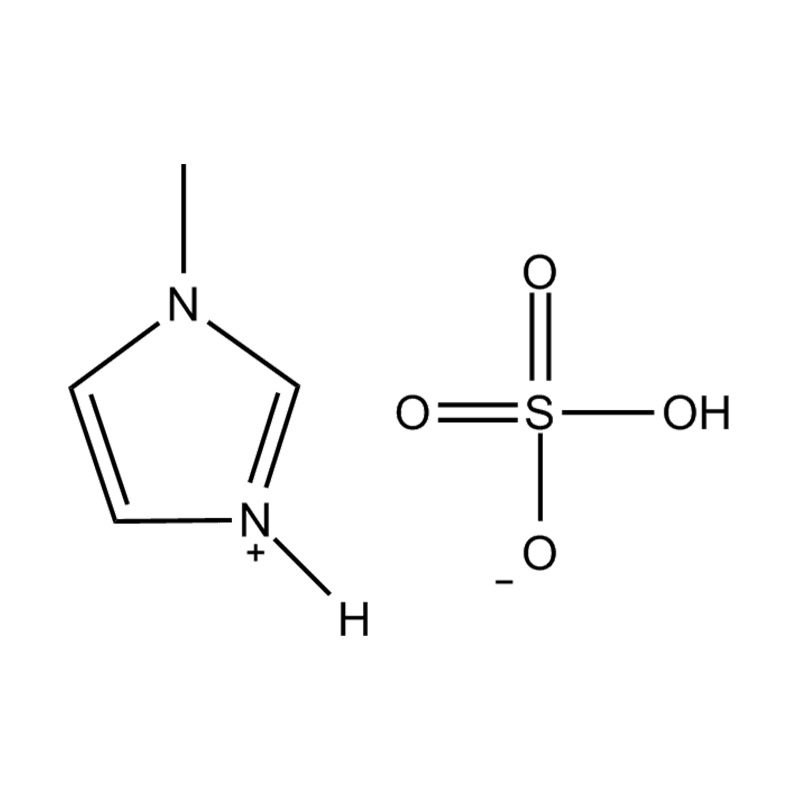
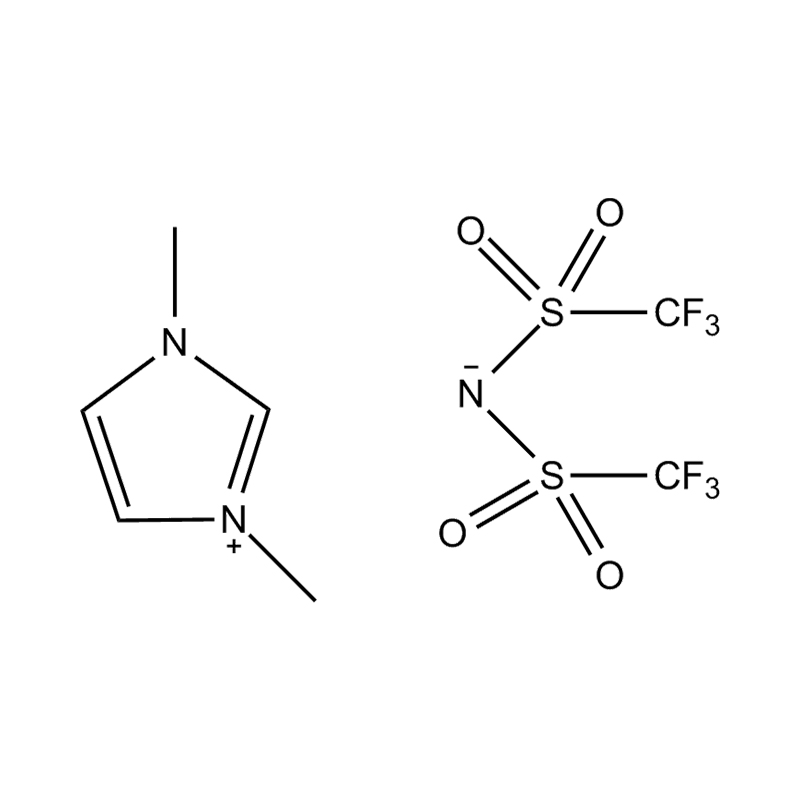
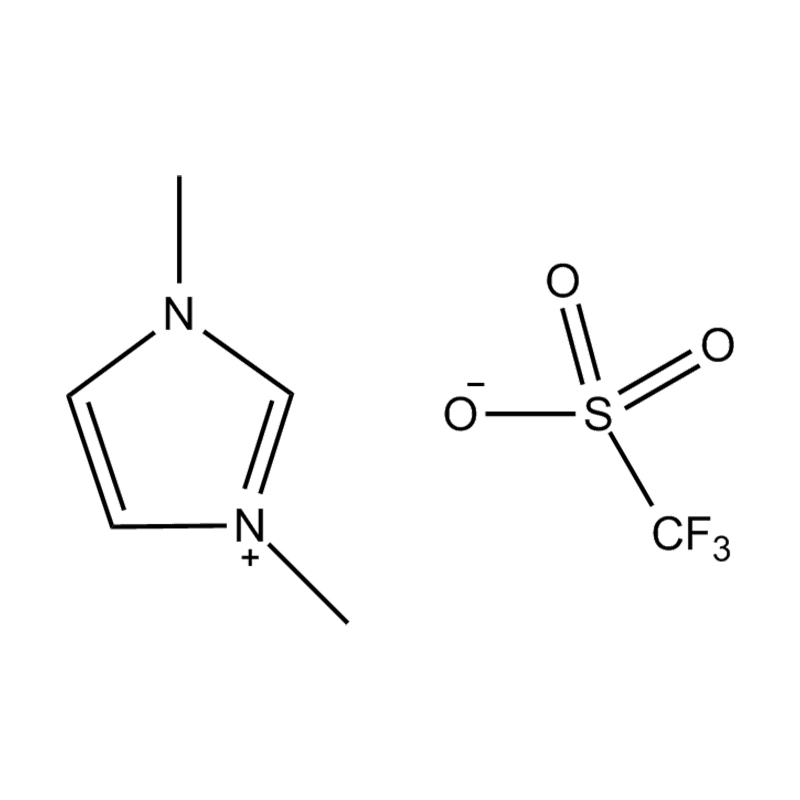
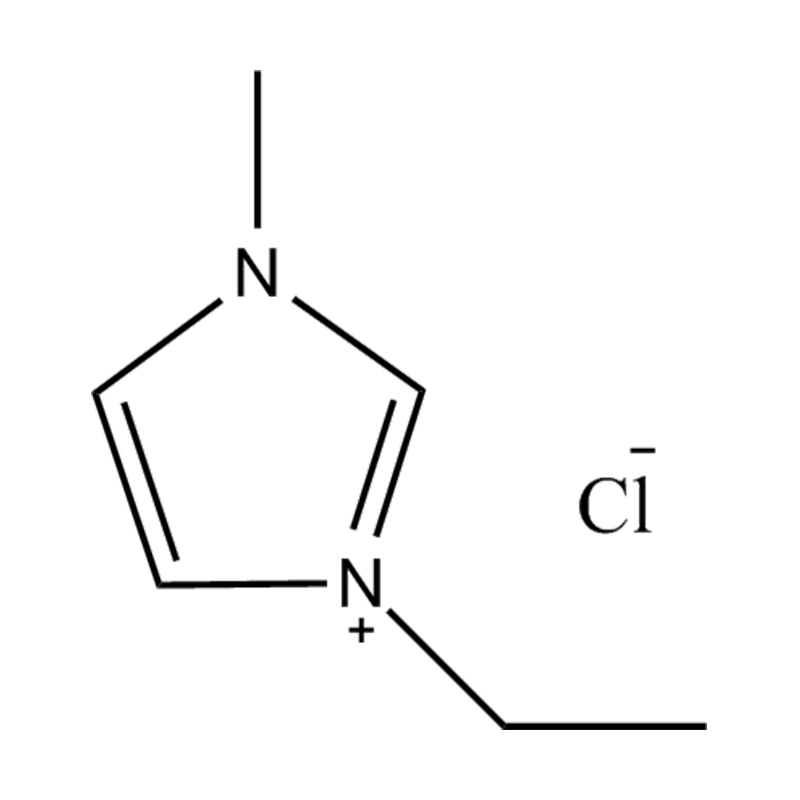
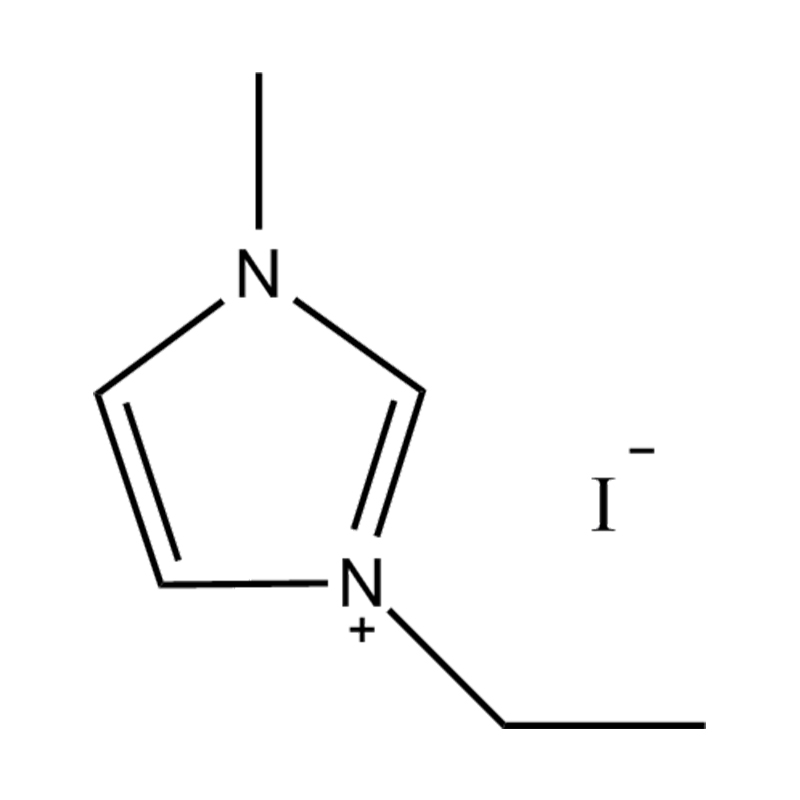
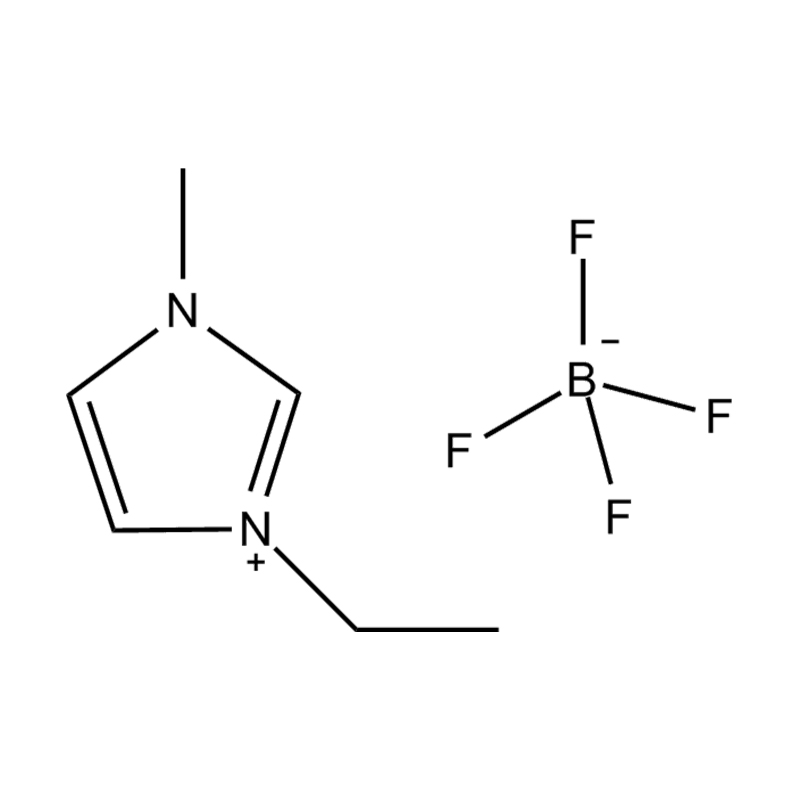
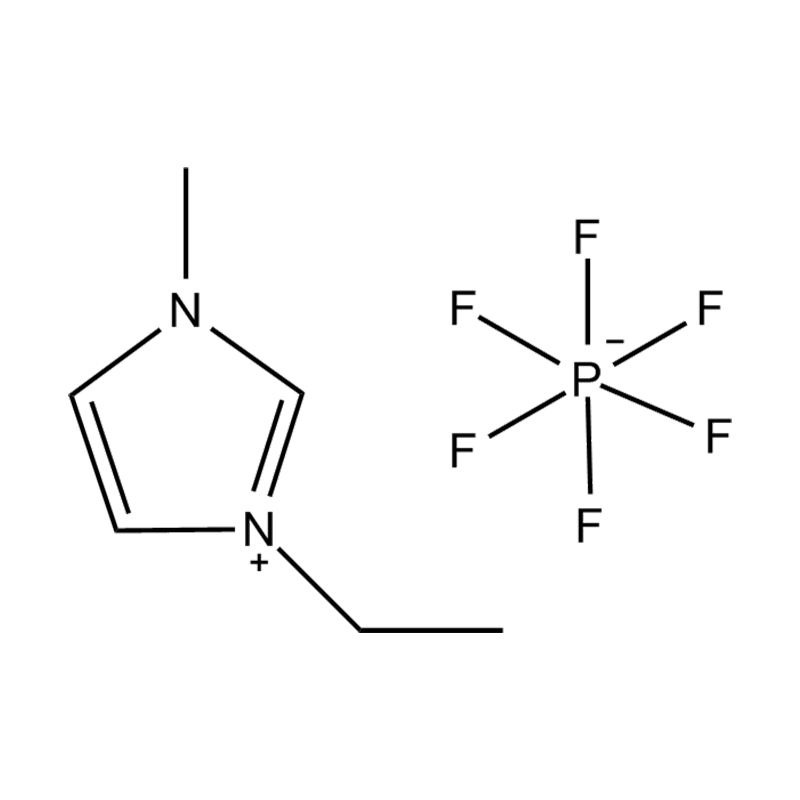
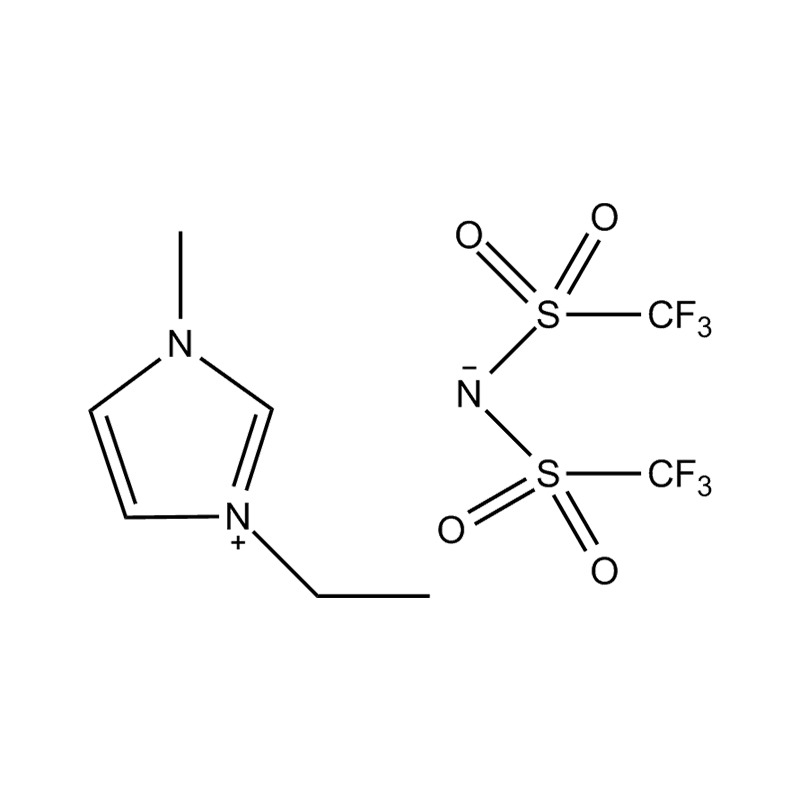
First, they can be polymerised into the network. Imidazolium, pyridinium, pyrrolidinium and quaternary ammonium ionic liquids carrying vinyl or allyl groups act as functional monomer and crosslinker at once. Their positive charge pairs naturally with carboxylate, sulfonate and phosphate templates, and the acidic C-2 proton of imidazolium adds a hydrogen-bond donor that methacrylic acid cannot supply. For a charged analyte that conventional monomers barely grip, this can lift binding capacity considerably.
 Polymerisable 1-Vinyl-3-butylimidazolium Bis(trifluoromethanesulfonyl)imide Ionic LiquidOlefinic imidazolium ionic liquid with 99% purity, suited to functional monomer or porogen roles in charged-template imprinting.View Product →
Second, they work as porogens. Their negligible vapour pressure and tunable polarity let you polymerise at higher temperatures without losing solvent composition, and the resulting morphology is often more open, which shortens the diffusion path to the binding sites.
Third — and this matters for sensors — ionic liquids are conductive. A MIP film containing an ionic liquid phase gives an electrochemical transducer a stable interface without a separate supporting electrolyte.
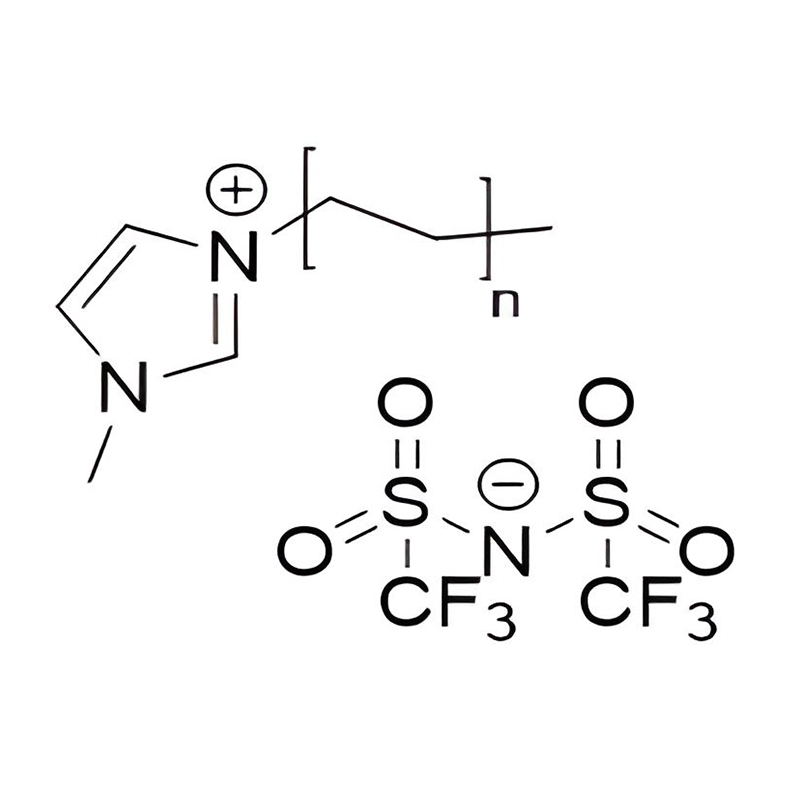 Polymeric Ionic Liquids with Imidazolium Cation and Anion VariationsBrowse imidazolium-based polymeric ionic liquids with varied substituents and anions, allowing selection for charge, viscosity and hydrophobicity needs.View Product →
Where the template is delicate, a low-viscosity ionic liquid can replace harsher porogens; where the target is a small charged molecule, an ionic-liquid-functional MIP is often the shortest route to a usable imprinting factor. Our own catalogue reflects that demand: a broad range of industrial ionic liquid families with matched cations and anions, so the monomer you select can be tuned for charge, viscosity and hydrophobicity rather than accepted as a compromise.
Where Imprinting Goes Wrong
Most disappointing MIP projects fail for a handful of predictable reasons, and almost all of them have a fix.
- Template bleeding. Switch to a dummy template of similar shape, or keep washing until no template is detectable by HPLC.
- Swelling in the wrong solvent. The polymer was designed in chloroform and then used in water. Re-optimise the recipe for aqueous service or accept the cross-reactivity.
- Too few accessible sites. Bulk monoliths are crushed and sieved, so much of the capacity stays buried. Precipitation polymerisation, surface imprinting on silica or magnetic cores, and thin films all help.
- Heterogeneous sites. High-affinity sites saturate first and the isotherm flattens; Scatchard or Freundlich fitting usually reveals two site populations rather than one.
None of these is a reason to abandon imprinting. They are the reasons a first formulation should be treated as a hypothesis rather than a finished product.
From a Lab Batch to a Repeatable Product
Scaling a MIP is a different discipline from making one that works. Three things usually decide whether a process is viable: monomer purity at the tonne scale, the ability to specify and reproduce the ionic liquid's cation–anion pairing, and a quality method that tracks binding capacity rather than appearance alone. Batch-to-batch variation in the monomer is invisible in an NMR tube but very visible in the imprinting factor.
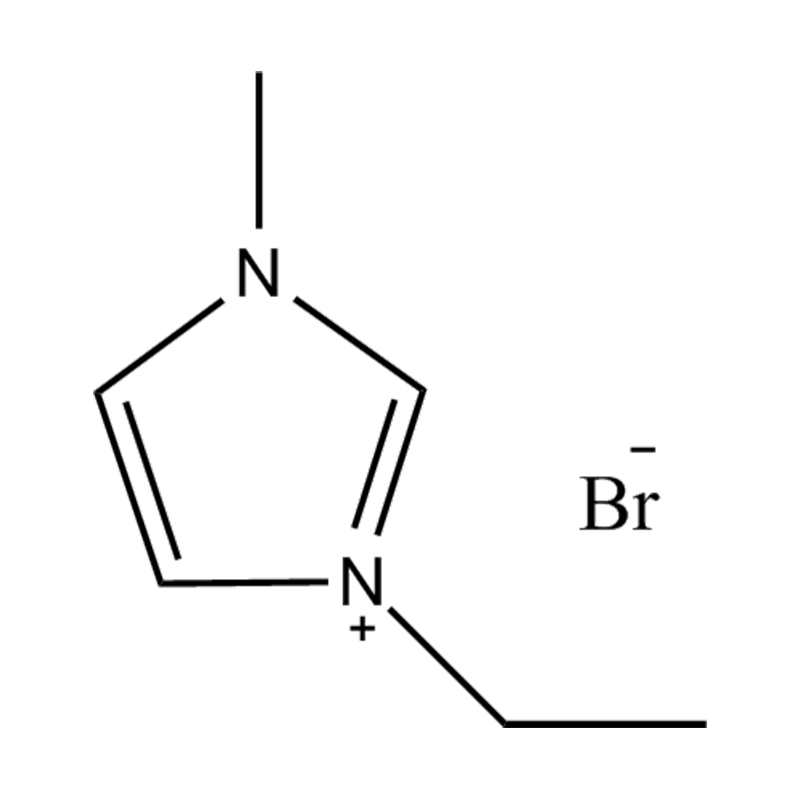 Customized Ionic Liquids with Specified Cation–Anion CombinationsCustomized imidazolium and quaternary ammonium ionic liquids can be specified by cation–anion pairing for batteries, electrolytes, catalysis and flexible electronics.View Product →
This is the part of the work we know best. LETD has been producing ionic liquids since 2009, including polymerisable, hydroxyl-functional, ether-based and quaternary ammonium families, and we regularly supply research groups who need one specific cation–anion combination rather than the closest catalogue item.
A molecularly imprinted polymer is not a magic material; it is a carefully specified one. Get the template-to-monomer ratio, the crosslinker loading and the porogen right, choose a functional monomer that genuinely interacts with your target, and the material will do what the literature promises. Get them wrong and you will have made an expensive filter.
If you are at the stage of choosing monomers — or wondering whether an ionic liquid could replace the methacrylic acid in your current recipe — send us the target molecule and the solvent you plan to work in. We will tell you honestly whether imprinting is the right answer, and which building blocks we would try first.