
 English
 Deutsch
 Español
 中文简体
中文简体



In the field of chemical engineering and material science, separation processes are essential for producing clean products, recovering valuable resources, and reducing environmental impacts. Traditionally, these processes rely heavily on volatile organic solvents, aqueous solutions, or solid adsorbents. However, these conventional materials often have drawbacks such as high volatility, toxicity, limited selectivity, and operational instability under harsh conditions. Against this backdrop, ionic liquids (ILs) have emerged as a novel class of solvents and functional materials that are changing the way researchers and industries approach separations, particularly in gas absorption and liquid–liquid extraction.
Content
Unique Properties of Ionic Liquids in Separation Processes
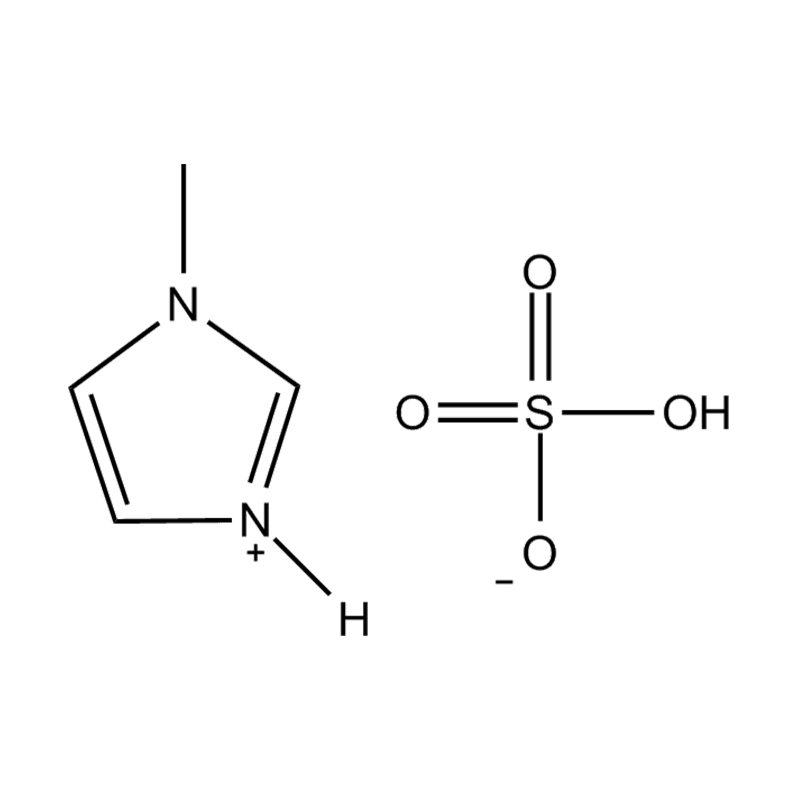
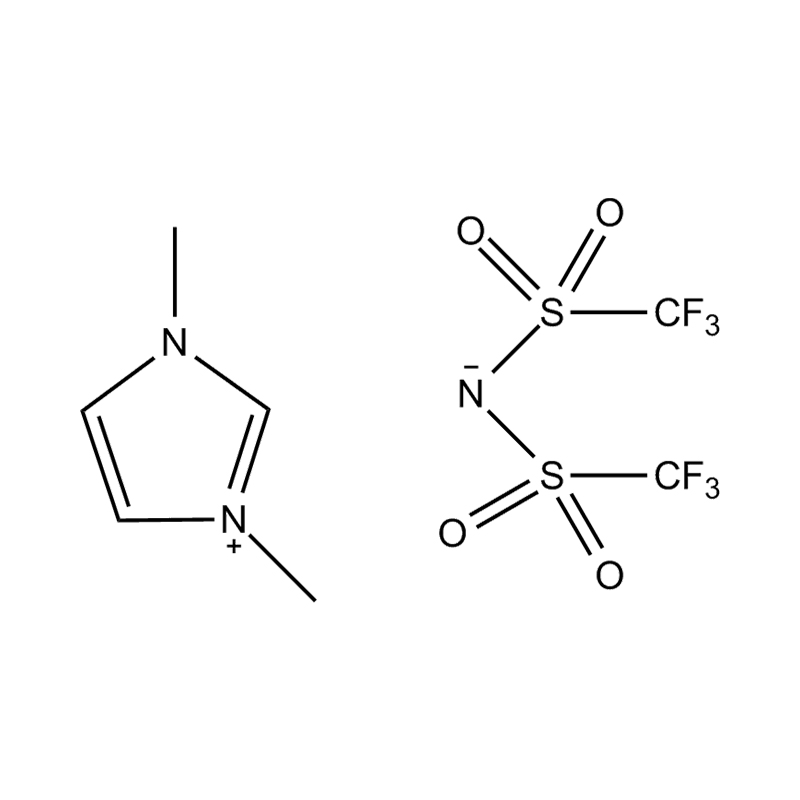
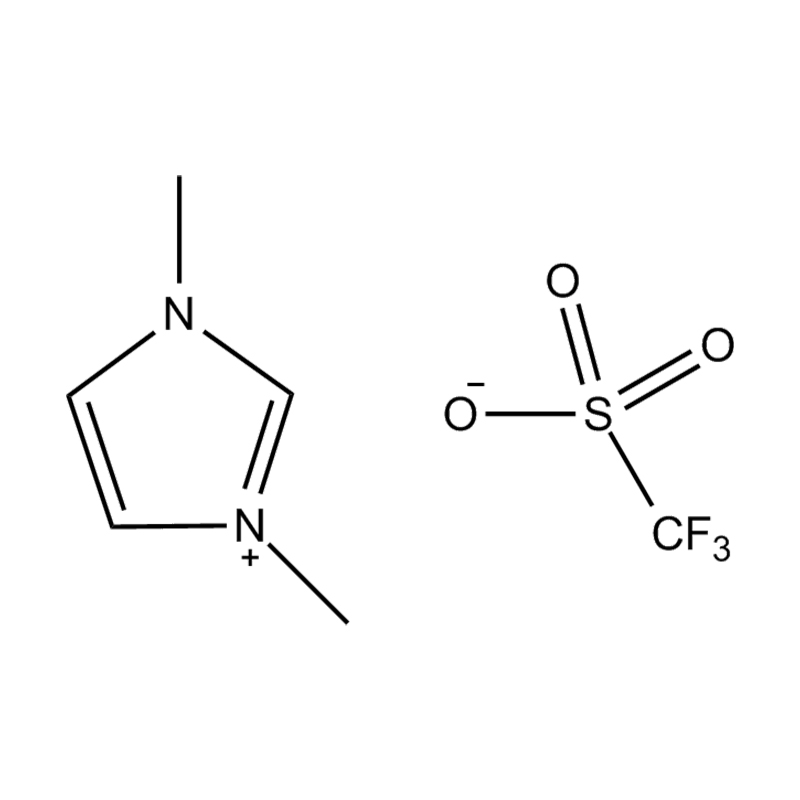
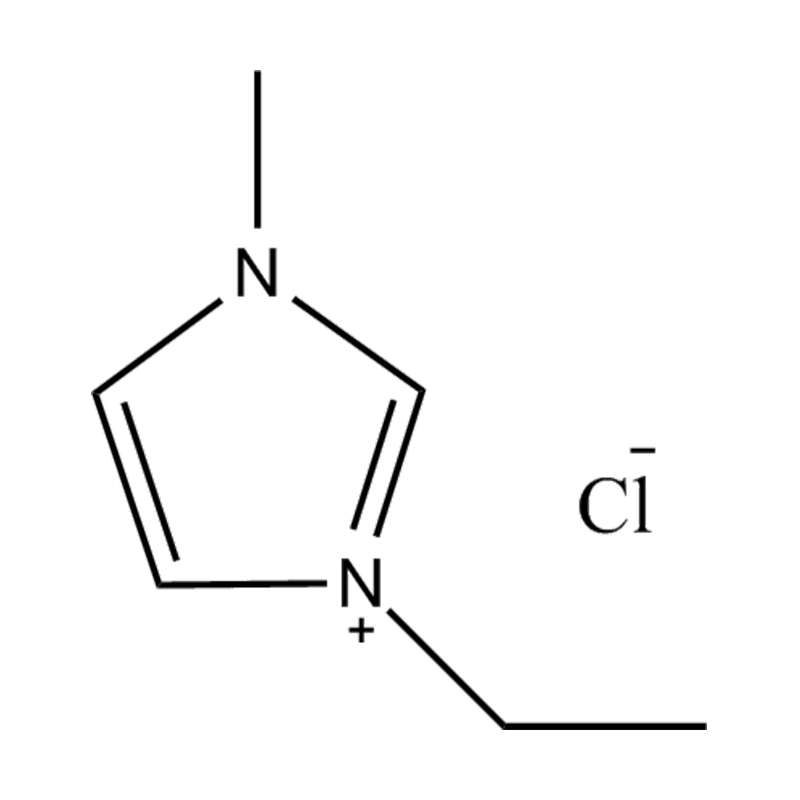
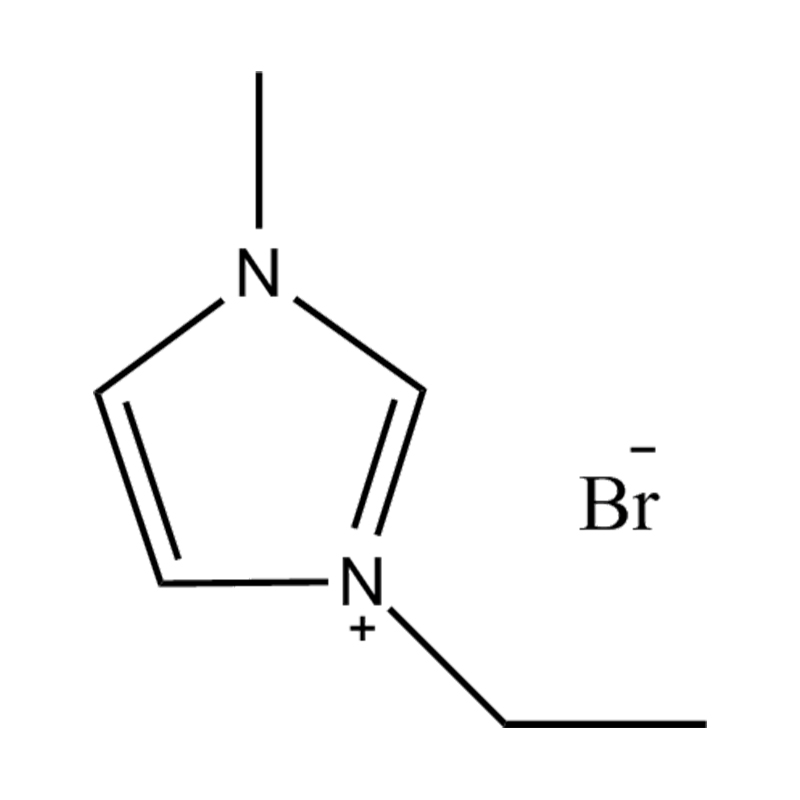
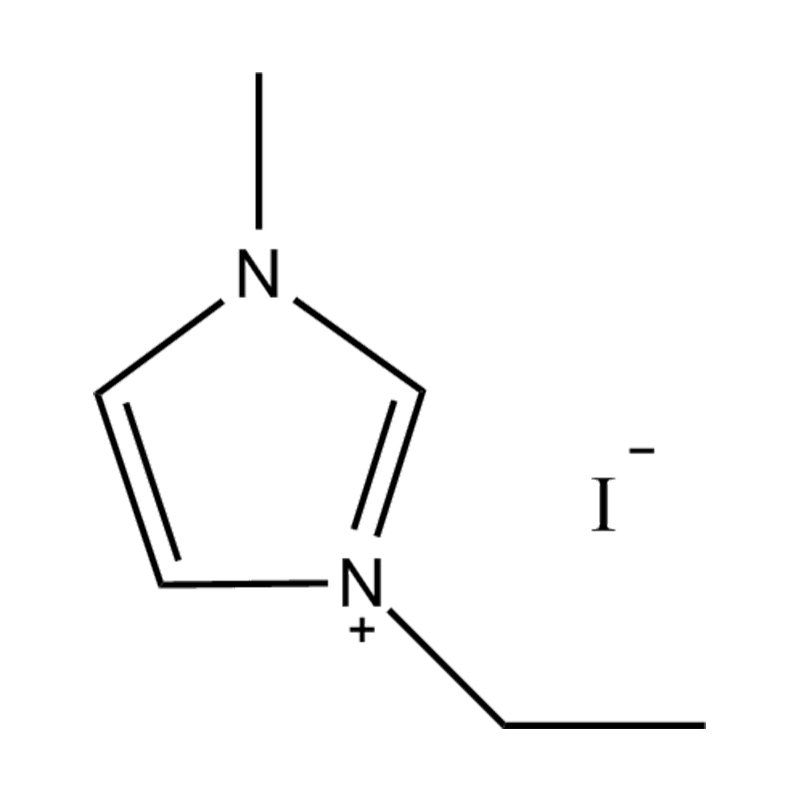
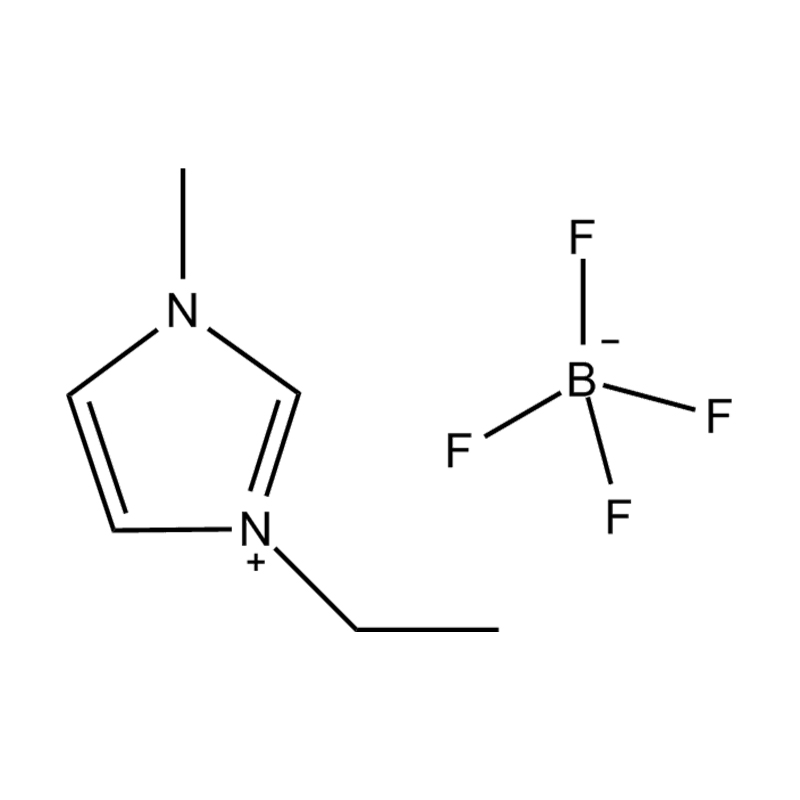
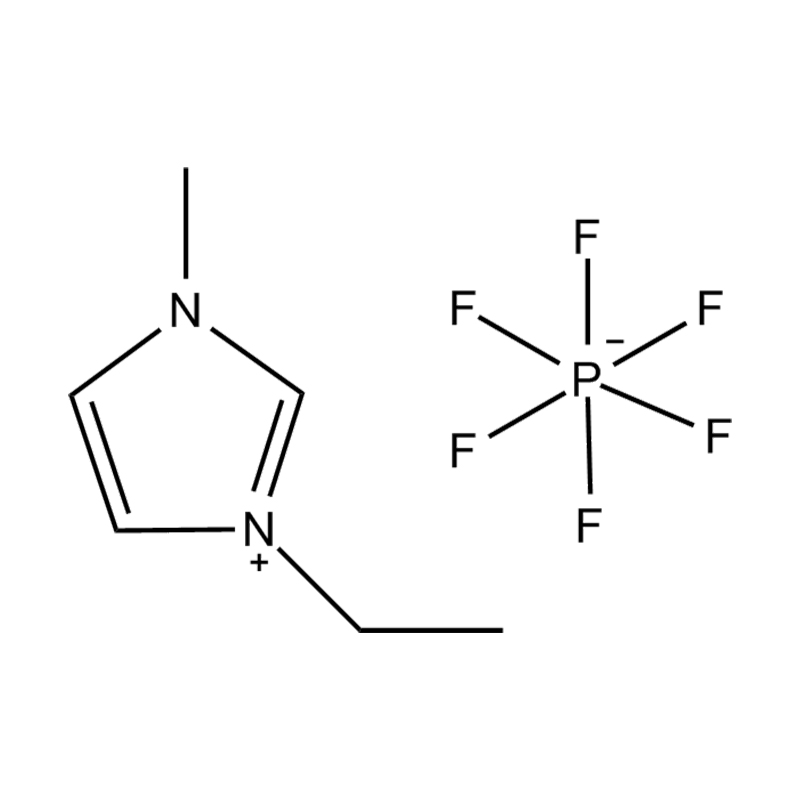
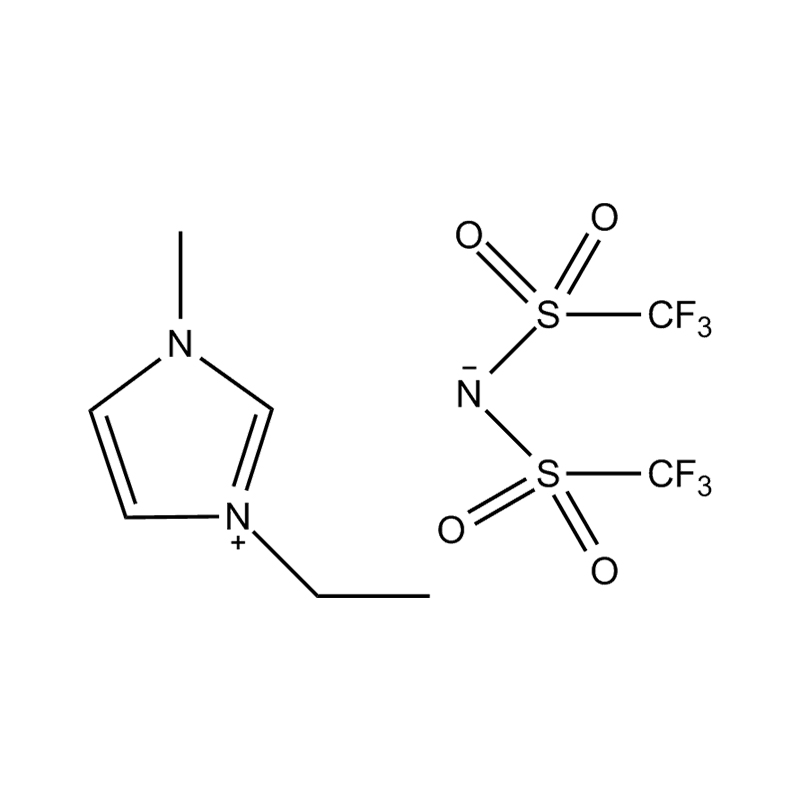
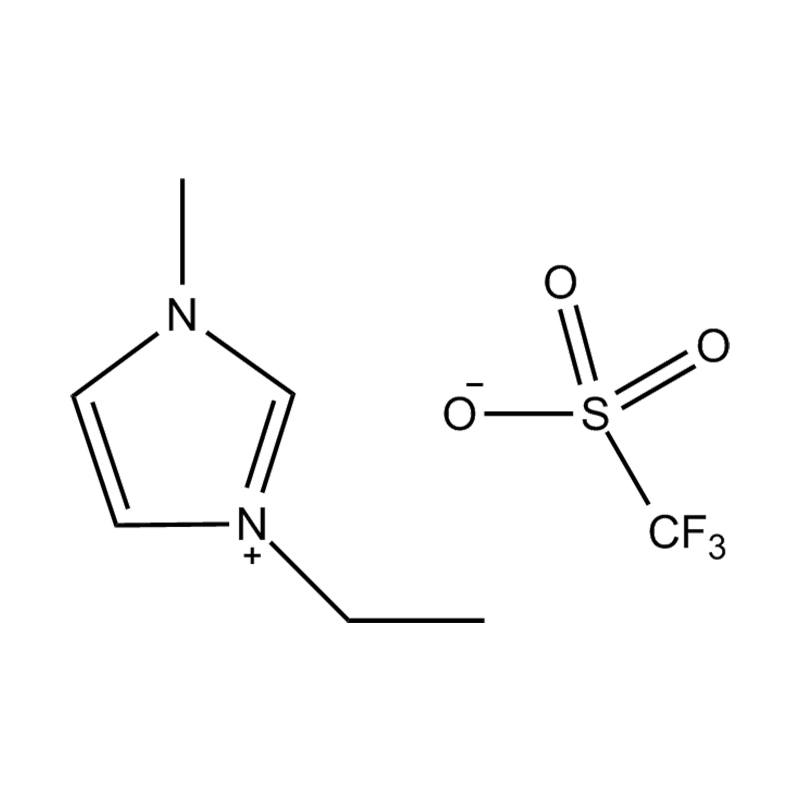
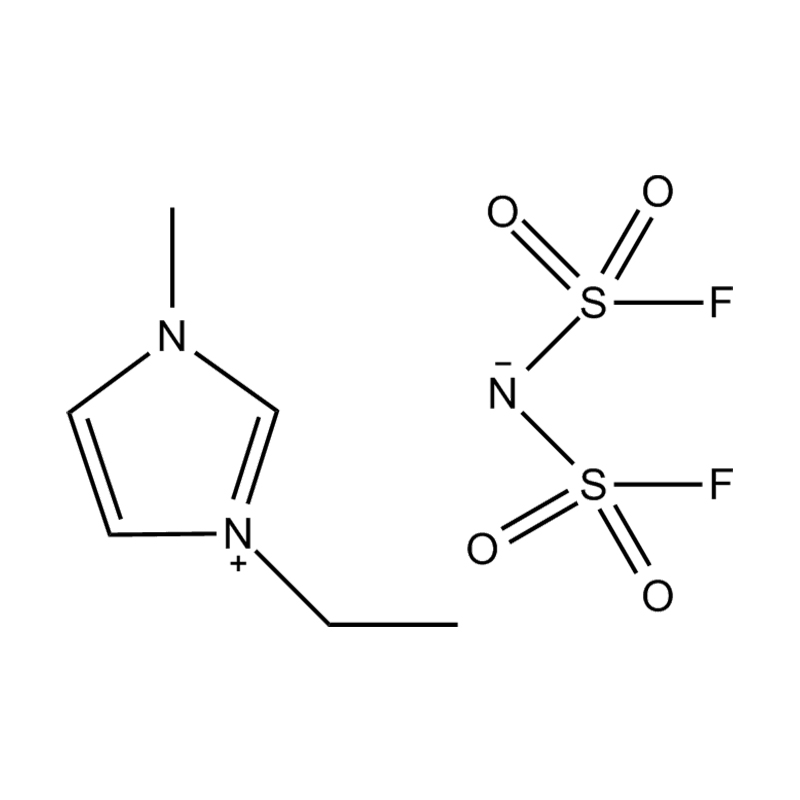
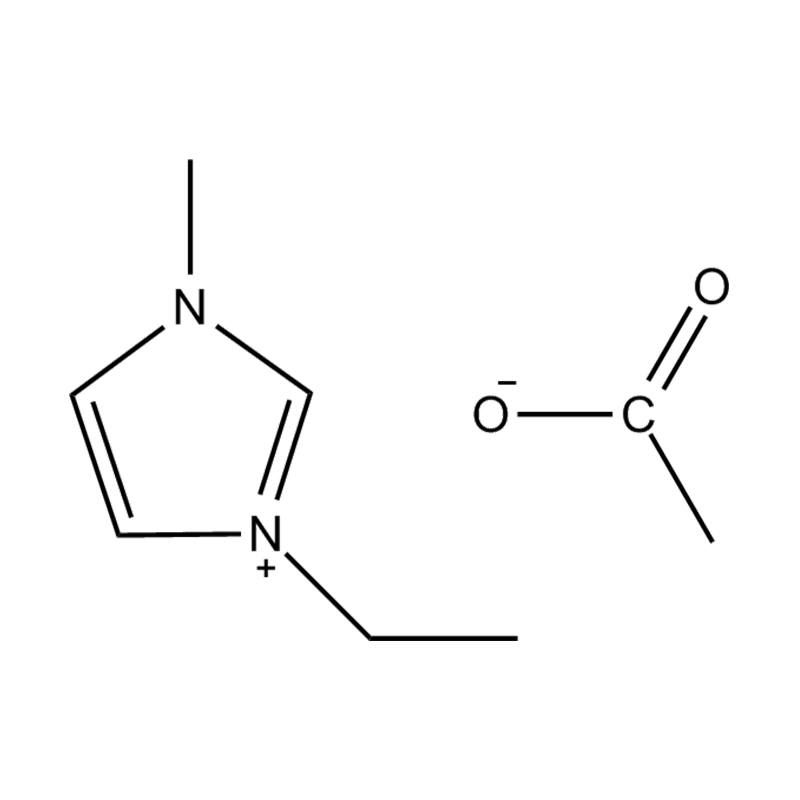
Ionic liquids are composed of bulky organic cations and various anions. Unlike traditional solvents, they exist in a liquid state at or near room temperature due to their weak intermolecular forces. Their unique structural characteristics give rise to several properties that are especially beneficial for separations:
-
Negligible Vapor Pressure
One of the defining features of ionic liquids is their near-zero vapor pressure. Unlike volatile organic solvents that evaporate easily, ionic liquids remain stable and non-volatile under operating conditions. This makes them safer to use, reduces solvent loss, and lowers emissions during separation processes. -
Tunable Solvation Ability
By altering the cation or anion, researchers can design ionic liquids with specific solvation properties to target particular gases or solutes. This tunability is sometimes referred to as “designer solvents,” giving them an edge in selective separation. -
High Thermal and Chemical Stability
Ionic liquids can maintain their structure and efficiency even under high temperatures and chemically harsh environments. This robustness makes them well-suited for demanding industrial applications where conventional solvents degrade. -
Enhanced Selectivity
Because of their customizable nature, ionic liquids can be engineered to exhibit high affinity toward certain molecules, whether in gas absorption or extraction of metals and organic compounds.
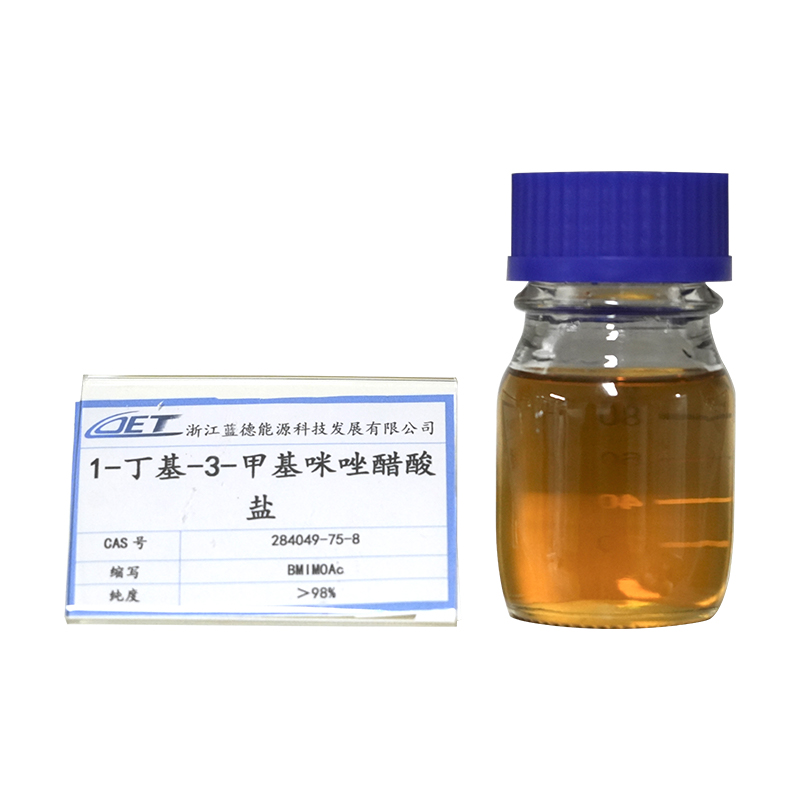
Performance in Gas Absorption
Gas absorption is a key operation in areas such as environmental management, petrochemical processing, and energy systems. Ionic liquids have shown particular promise in the capture of carbon dioxide (CO₂), sulfur dioxide (SO₂), hydrogen sulfide (H₂S), and other industrially significant gases.
-
Carbon Capture and Storage (CCS)
Ionic liquids have been extensively studied as potential alternatives to traditional amine-based solvents for CO₂ capture. While aqueous amines are widely used, they suffer from volatility, degradation, and corrosion issues. In contrast, ionic liquids offer:- Higher stability against thermal and oxidative degradation.
- Lower corrosiveness, prolonging the lifespan of processing equipment.
- Task-specific modification, such as incorporating amine-functionalized groups into the ionic liquid structure to enhance CO₂ binding capacity.
This makes ionic liquids a promising solution for sustainable carbon capture technologies.
-
SO₂ and H₂S Absorption
In industries such as petroleum refining and natural gas processing, controlling acidic gases is essential. Ionic liquids demonstrate strong absorption capacities for these gases due to their polarity and ability to form hydrogen bonds. Their non-volatility ensures safer operation compared to conventional solvents. -
Oxygen and Hydrocarbon Separations
Certain ionic liquids can selectively absorb hydrocarbons or oxygen, aiding in gas purification processes. For example, imidazolium-based ionic liquids have been studied for olefin/paraffin separations, which are critical in petrochemical production.
Performance in Liquid–Liquid Extraction
Ionic liquids are also revolutionizing liquid–liquid extraction processes by providing highly selective and efficient separation media.
-
Metal Ion Extraction
- Ionic liquids are increasingly used for recovering valuable metals such as rare earth elements, uranium, and transition metals.
- Their selectivity arises from specific interactions between the ionic liquid anions and metal ions.
- This makes them particularly attractive for recycling processes, such as extracting rare earths from electronic waste or recovering uranium from aqueous streams.
-
Biomolecule and Natural Product Extraction
In the pharmaceutical and food industries, ionic liquids are studied for extracting active compounds from plants or biomass. Their high solubilizing power enables efficient recovery of biomolecules like alkaloids, flavonoids, and proteins, often with greater yields than conventional solvents. -
Hydrocarbon Separation
Ionic liquids have been explored as solvents for desulfurization of fuels and separation of aromatic compounds from mixtures. Their selective affinity for sulfur-containing molecules provides cleaner fuels and aligns with environmental regulations.
Advantages Over Conventional Solvents
Compared to organic solvents and aqueous systems, ionic liquids provide clear advantages in separation processes:
- Reduced Environmental Footprint: With negligible volatility, they minimize air emissions and workplace hazards.
- Customizable Performance: The ability to tailor ionic liquids allows optimization for specific separation targets.
- Operational Longevity: Higher stability reduces the frequency of solvent replacement, lowering costs in the long run.
- Process Efficiency: In both gas absorption and extraction, ionic liquids often outperform traditional solvents in selectivity and capacity.
Challenges and Limitations
Despite their many benefits, there are challenges to address before ionic liquids achieve widespread industrial use:
-
High Production Costs
Currently, many ionic liquids are expensive to synthesize compared to conventional solvents. Scaling up production and optimizing synthesis pathways are crucial for commercial viability. -
Toxicity Concerns
Although ionic liquids are often marketed as “green solvents,” not all are inherently benign. Some cations and anions may exhibit toxicity toward humans or ecosystems, requiring careful selection and development of biodegradable ionic liquids. -
Viscosity Issues
Some ionic liquids are highly viscous, which can reduce mass transfer efficiency in separation processes. Strategies such as mixing with co-solvents or designing low-viscosity ionic liquids are being explored.
Future Perspectives
Research on ionic liquids for separation processes is rapidly advancing. Some promising directions include:
- Task-Specific Ionic Liquids (TSILs): Developing ionic liquids with functional groups tailored to bind specific gases or solutes more efficiently.
- Supported Ionic Liquid Membranes (SILMs): Using ionic liquids immobilized in membranes to combine solvent benefits with membrane separation advantages.
- Biodegradable Ionic Liquids: Designing environmentally friendly ionic liquids that maintain performance while ensuring sustainability.
- Hybrid Systems: Combining ionic liquids with other separation technologies such as adsorption, distillation, or membranes to achieve synergistic performance.
Conclusion
Ionic liquids perform exceptionally well in separation processes like gas absorption and liquid–liquid extraction due to their unique set of properties, including negligible vapor pressure, tunable solvation ability, high stability, and enhanced selectivity. They have demonstrated great promise in areas ranging from carbon capture and gas purification to metal recovery and natural product extraction. While challenges such as cost and toxicity remain, ongoing research is addressing these issues and expanding their potential applications. As a result, ionic liquids are expected to play an increasingly important role in designing the next generation of efficient, sustainable, and adaptable separation technologies.