
 English
 Deutsch
 Español
 中文简体
中文简体



Content
- 1 Diaphragm White Oil Extractant: Product Definition and Industrial Context
- 2 White Oil: Composition, Grades, and Purity Requirements
- 3 The Extraction Step in White Oil Production
- 4 Diaphragm-Based Extraction: Principles and Advantages
- 5 The Extractant Phase in Diaphragm White Oil Extraction
- 6 Process Design and Operating Parameters
- 7 Applications and End Markets for Diaphragm-Extracted White Oil
- 8 Regulatory Framework and Analytical Testing for White Oil Quality
Diaphragm White Oil Extractant: Product Definition and Industrial Context
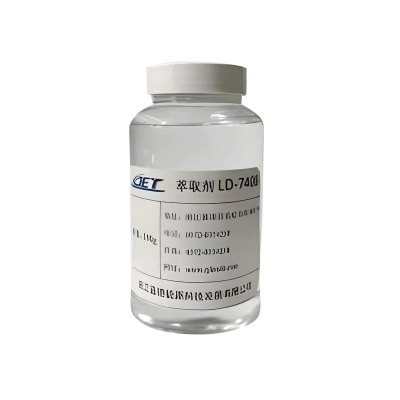
Diaphragm white oil extractant is a specialized solvent or extractant medium used in liquid-liquid extraction and membrane-based separation processes where white oil -- a highly refined, colorless, odorless mineral oil product -- must be selectively removed from a mixed phase system. The term brings together three distinct technical concepts: the diaphragm or membrane separation architecture through which the extraction is performed, the white oil target product being recovered or removed, and the extractant phase that provides the driving force for the separation.
In the context of white oil production and refining, the extractant is a selective solvent introduced to draw specific hydrocarbon fractions across a phase boundary or through a selective membrane, enabling the separation of refined white oil fractions from aromatic compounds, sulfur species, and other non-paraffinic contaminants that would fail food-grade, pharmaceutical-grade, or cosmetic-grade white oil specifications. The diaphragm component refers to the physical membrane or barrier through which the transfer occurs, which may be a microporous polymer membrane, an ion exchange membrane, or a dense polymer film depending on the specific extraction architecture employed.
Understanding the role of the diaphragm white oil extractant requires a clear picture of what white oil is, why its purification demands a selective extraction step, and how diaphragm-based extraction systems differ from conventional bulk solvent extraction approaches in terms of separation efficiency, product purity, and process economics.
White Oil: Composition, Grades, and Purity Requirements
White oil -- also called liquid paraffin, mineral oil, or white mineral oil depending on the grade and regional convention -- is a highly refined petroleum-derived product consisting predominantly of saturated aliphatic and alicyclic (naphthenic) hydrocarbons with carbon numbers typically in the C15 to C40 range. Its defining characteristic is the near-complete absence of aromatic hydrocarbons, polycyclic aromatic hydrocarbons (PAHs), unsaturated compounds, sulfur species, and other chemically active or biologically active constituents that are present in crude mineral oils and less deeply refined lubricant base stocks.
White Oil Grade Classifications
White oil is produced in two principal grade classifications, with significantly different purity standards and application profiles:
- Technical grade white oil: Refined to remove color, odor, and the most reactive impurities, but not to the level of complete aromatic elimination. Used in industrial applications including rubber processing oils, textile fiber lubricants, dust suppression, industrial mold release, and cable filling compounds where food or pharmaceutical contact is not a requirement.
- Food grade and pharmaceutical grade white oil: Produced to meet the stringent purity standards of USP (United States Pharmacopeia), BP (British Pharmacopeia), EP (European Pharmacopeia), and NSF H1 and HX1 food-grade lubricant standards. These grades must meet UV absorbance limits that reflect near-complete aromatic hydrocarbon removal, polycyclic aromatic hydrocarbon (PAH) content restrictions under EC No. 1881/2006 and equivalent regulations, and mineral oil saturated hydrocarbons (MOSH) and mineral oil aromatic hydrocarbons (MOAH) content limits for food contact applications. Used in cosmetics (skin care, hair care, baby oil), pharmaceutical preparations (laxatives, excipient oils, medical device lubricants), food processing (release agents, anti-caking agents, dried fruit coatings), and food-grade industrial lubricants.
The purity gap between technical grade and food or pharmaceutical grade white oil is the primary driver for extraction-based refining steps. Standard hydrotreatment -- hydrogen addition under pressure in the presence of a catalyst to saturate aromatic rings -- can reduce aromatic content significantly but may not eliminate all PAH species or achieve the UV absorbance limits required for the highest-grade white oil applications. Extraction steps using selective solvents or diaphragm extractant systems address the residual aromatic and polar compounds that hydrotreatment alone cannot remove to specification.
Key Quality Parameters
The quality parameters that white oil must meet to achieve food or pharmaceutical grade status include the following, each of which is influenced by the completeness of the extraction or refining steps applied during production:
- UV absorbance: Measured at defined wavelengths (280 to 350nm for pharmaceutical grade) as a surrogate for aromatic hydrocarbon content. Aromatic rings absorb UV light at characteristic wavelengths; a low UV absorbance indicates low aromatic content. USP mineral oil requires UV absorbance below defined limits across the full 260 to 350nm range.
- MOAH and MOSH content: Mineral oil aromatic hydrocarbons (MOAH) are of specific regulatory concern in food contact applications due to the presence of multi-ring aromatic species with potential genotoxic and carcinogenic properties. MOAH content must be below defined limits (typically below 1 mg/kg in food-grade oil for direct food contact applications) to meet current EU food contact regulations.
- Saybolt color: A colorimetric measure of the whiteness of the oil. Pharmaceutical and food-grade white oils must achieve Saybolt color of plus 30 or higher (the maximum on the Saybolt scale, indicating colorless oil), reflecting the complete removal of colored polar and aromatic compounds.
- Sulfur content: Must be below detection threshold (typically less than 1 mg/kg by modern ASTM D5453 or equivalent methods) for pharmaceutical and food-grade applications.
- Viscosity and viscosity index: Determines the application suitability of the grade, with pharmaceutical white oils typically supplied across a range from light (approximately 15 to 20 cSt at 40 degrees Celsius) to heavy (approximately 110 to 180 cSt at 40 degrees Celsius) viscosity grades.
The Extraction Step in White Oil Production
White oil production from petroleum feedstocks involves a sequence of refining steps designed to progressively remove non-paraffinic components while retaining the paraffinic and naphthenic hydrocarbons that constitute the finished product. The extraction step -- the process of selectively removing aromatic, polar, and sulfur-containing compounds using a solvent or extractant that preferentially dissolves these species while leaving the paraffinic fraction largely unaffected -- is a critical stage in achieving the purity levels required for high-grade white oil.
Conventional Solvent Extraction
In conventional solvent extraction of white oil feedstocks, a polar extractant solvent -- historically furfural, phenol, or N-methyl-2-pyrrolidone (NMP) -- is contacted counter-currently with the oil feedstock in an extraction column. The polar aromatics and sulfur compounds in the oil preferentially dissolve into the polar extractant phase (the extract phase), while the paraffinic and naphthenic hydrocarbons remain predominantly in the oil phase (the raffinate phase). The raffinate is then separated from the extractant, further refined by hydrotreatment and clay treatment or hydrofinishing, and tested for compliance with the white oil specification.
The selectivity of the extraction -- the ability of the extractant to remove aromatics without co-extracting valuable paraffinic hydrocarbons -- directly determines the yield of white oil from the process and the purity of the raffinate produced. A highly selective extractant produces a raffinate with low aromatic content and high paraffinic recovery. A less selective extractant removes more aromatics but also co-extracts more paraffins into the extract phase, reducing both the oil yield and the process economics.
Limitations of Conventional Extraction for High-Grade White Oil
Conventional bulk solvent extraction achieves high aromatic removal efficiency but has practical limitations when the target specification requires aromatic content below the levels achievable in a single extraction stage. Residual aromatic content in the raffinate from a single-stage NMP or furfural extraction may still exceed the UV absorbance and MOAH limits required for pharmaceutical-grade or the most demanding food-grade white oil applications. Multiple extraction stages increase capital and operating cost and generate larger volumes of extract and solvent recovery requirements.
Additionally, conventional extraction requires physical mixing of the oil and extractant phases, followed by gravity or centrifugal separation of the two phases -- processes that are limited by the density difference between the oil and extractant phases and can be problematic with viscous base stocks or in systems where emulsification tendencies are high. Diaphragm-based extraction addresses both of these limitations.
Diaphragm-Based Extraction: Principles and Advantages
In diaphragm-based extraction systems, the oil phase and the extractant phase are separated by a physical membrane (the diaphragm) that allows selective transfer of specific molecular species from one phase to the other while preventing direct mixing of the two bulk phases. This architecture fundamentally changes the mass transfer mechanism compared to conventional extraction and offers specific advantages for white oil purification applications.
How the Diaphragm Controls Mass Transfer
The diaphragm in a white oil extractant system may function through one of several transport mechanisms depending on the membrane material and the specific separation being performed:
- Porous membrane extraction (supported liquid membrane, SLM): A microporous polymer membrane is impregnated with a liquid extractant phase held in the membrane pores by capillary force. The oil feed contacts one face of the membrane; the stripping or receiving phase contacts the other. Aromatic compounds dissolve into the immobilized extractant in the membrane pores and diffuse through to the stripping phase. The membrane prevents direct contact and mixing of the feed oil and the stripping phase, eliminating phase separation difficulties and reducing extractant entrainment in the raffinate.
- Dense polymer membrane pervaporation or perstraction: A dense non-porous polymer membrane allows molecular transport by solution-diffusion: the target species (aromatic hydrocarbons, polar compounds) dissolve into the membrane material on the feed side, diffuse through the dense polymer under the concentration gradient, and desorb into the extractant on the permeate side. The selectivity of the separation is determined by the differential solubility and diffusivity of aromatic versus paraffinic hydrocarbons in the membrane polymer. Polydimethylsiloxane (PDMS) and polyurethane-based membranes have been investigated for hydrocarbon separations of this type.
- Hollow fiber membrane contactors: Shell-and-tube-type devices in which the oil feed flows through the bore of microporous hollow fiber membranes and the extractant flows counter-currently on the shell side. The membrane pore network provides a defined interface for mass transfer without the flooding, channeling, and entrainment limitations of packed column extraction. High specific interfacial area (surface area per unit volume of equipment) allows compact device sizing relative to conventional extraction columns.
Advantages of Diaphragm Extraction Over Conventional Methods
The primary advantages of diaphragm-based extraction for white oil purification over conventional dispersion-based extraction are the elimination of phase mixing and separation requirements, the prevention of extractant entrainment in the raffinate, and the ability to achieve high extraction efficiency in a compact, modular equipment format. Specific benefits include:
- No phase dispersion and coalescence: Because the oil and extractant phases are never mixed in the bulk, the phase separation step required in conventional extraction is eliminated. This removes the risk of emulsification, reduces processing time, and eliminates the carry-over of extractant droplets into the raffinate -- a common source of white oil quality failures in conventional extraction when solvent recovery is incomplete.
- Reduced extractant inventory: The immobilized extractant in a supported liquid membrane system is present only in the membrane pore volume, which is a small fraction of the total equipment volume. This reduces the quantity of extractant required, lowering both capital cost and the operating cost of extractant recovery and recycling.
- Independent control of feed and extractant flow rates: The physical separation of the two phases by the membrane allows the flow rates and pressures of the oil and extractant phases to be optimized independently, which is not possible in conventional dispersion-based extraction where the phase ratio is constrained by flooding and settling requirements.
- Scalability and modularity: Hollow fiber membrane contactors and flat-sheet membrane modules can be scaled by adding parallel modules, allowing capacity expansion without process redesign -- an advantage over extraction columns where scale-up involves changes in column diameter, internal design, and flow distribution.
The Extractant Phase in Diaphragm White Oil Extraction
The extractant -- the solvent or chemical medium that selectively dissolves the aromatic and polar compounds being removed from the white oil feedstock -- is as important as the membrane architecture in determining the overall extraction performance. The extractant must have high selectivity for the target compounds (aromatics, PAHs, sulfur species, polar compounds) over the paraffinic hydrocarbons that constitute the white oil product, must be stable under the operating conditions of the extraction process, and must be compatible with the membrane material in diaphragm-based systems.
Common Extractant Types for White Oil Purification
- N-methyl-2-pyrrolidone (NMP): The most widely used modern extractant for aromatic extraction from mineral oil feedstocks. NMP is a polar aprotic solvent with high selectivity for aromatic hydrocarbons over paraffinic and naphthenic species, low viscosity (facilitating mass transfer), complete miscibility with water (simplifying solvent recovery by water washing), and a relatively low environmental and health hazard profile compared to older extractants such as phenol and furfural. NMP has largely replaced phenol and furfural in modern white oil and lube oil solvent extraction plants due to its superior selectivity, easier handling, and lower toxicity. However, NMP is subject to increasing regulatory restriction in some jurisdictions due to reproductive toxicity concerns, which has driven evaluation of alternative extractants.
- Dimethyl sulfoxide (DMSO): A polar aprotic solvent with high aromatic selectivity and excellent compatibility with membrane materials used in supported liquid membrane extraction systems. DMSO is water-miscible, facilitating recovery from the extract phase, and has a lower regulatory concern profile than NMP in some jurisdictions. Its higher viscosity compared to NMP requires temperature control to maintain adequate mass transfer rates in diaphragm extraction systems.
- Sulfolane (tetramethylene sulfone): A highly polar cyclic sulfone with excellent aromatic selectivity and thermal stability. Widely used in BTX (benzene-toluene-xylene) aromatics extraction in petrochemical refining, and applicable to aromatic removal from white oil feedstocks where high extraction temperatures are used. Sulfolane is not water-miscible at room temperature, which complicates recovery compared to NMP or DMSO.
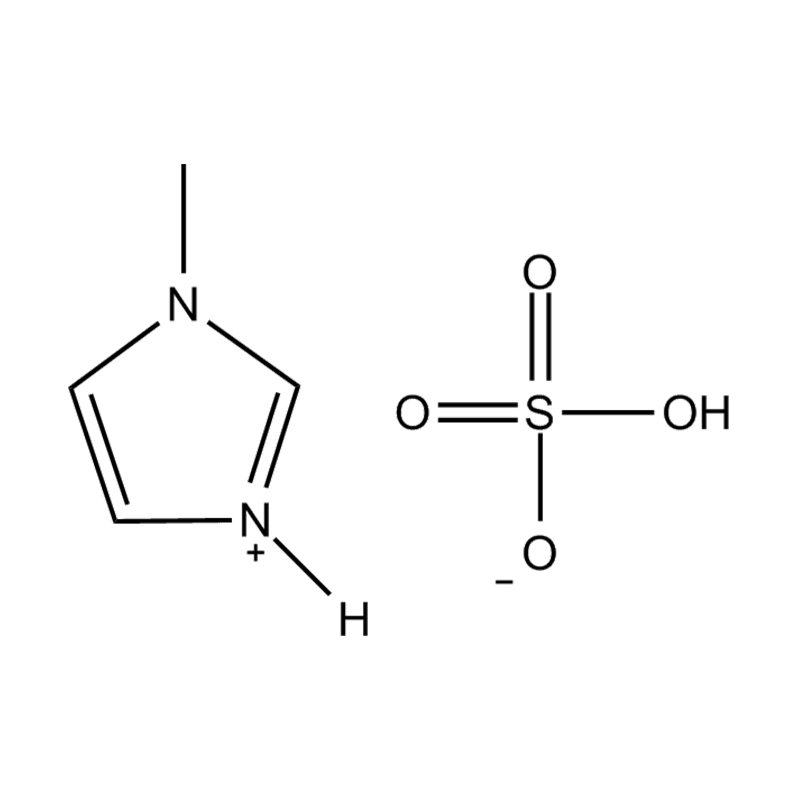
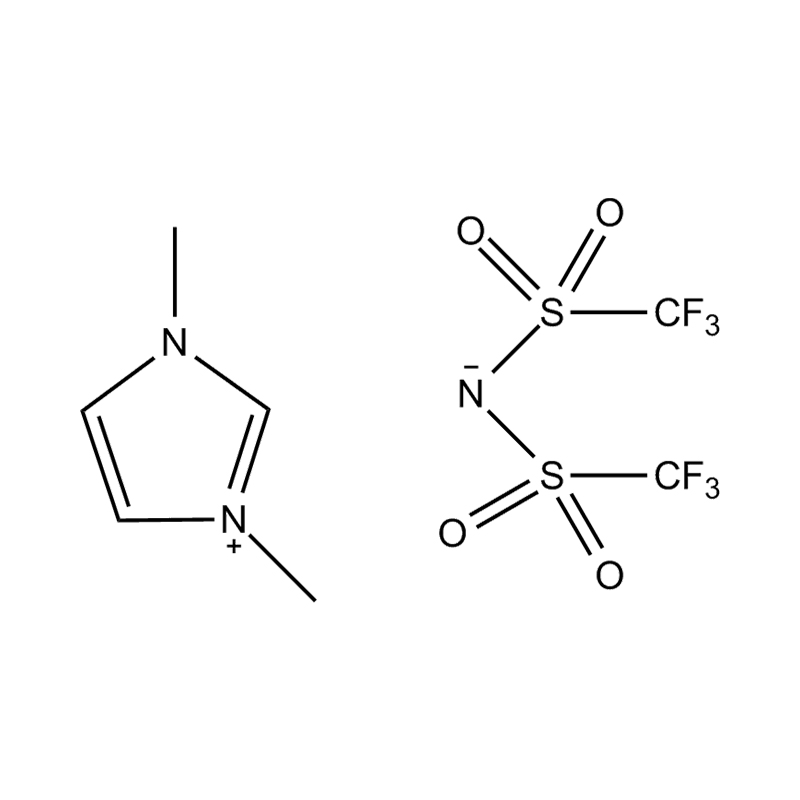
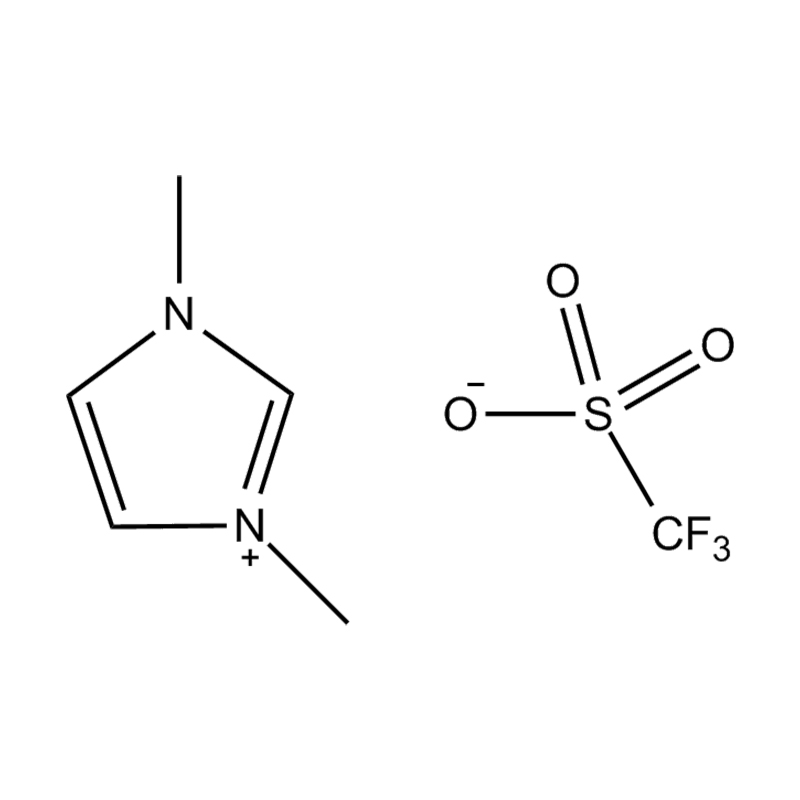
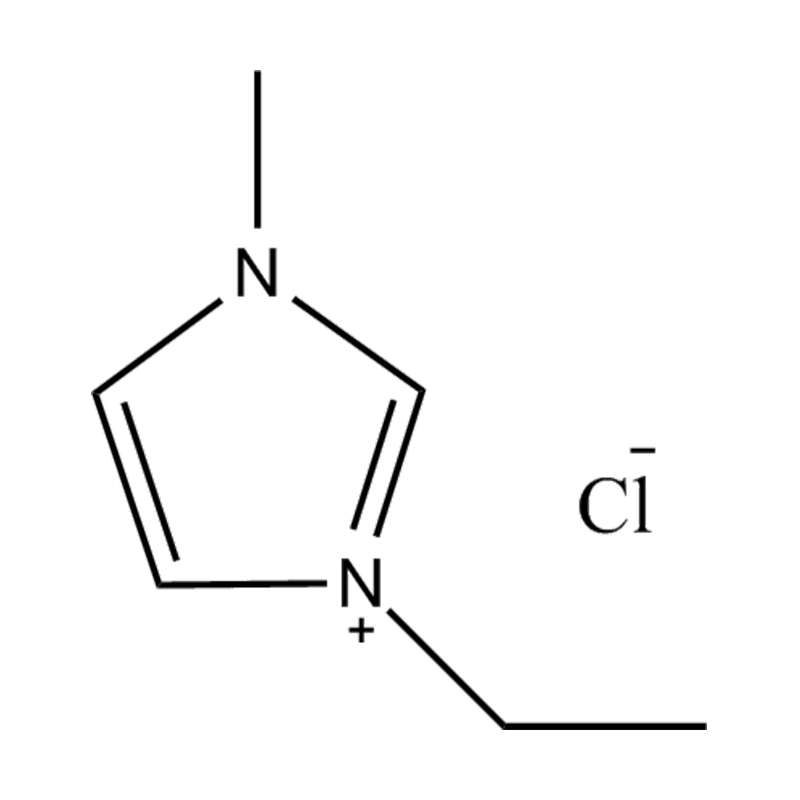
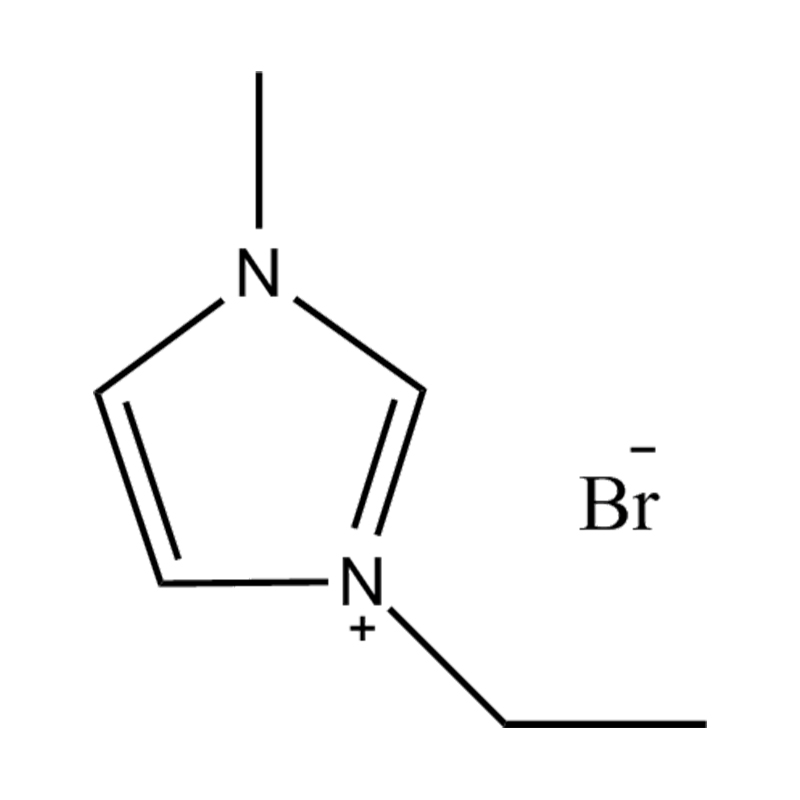
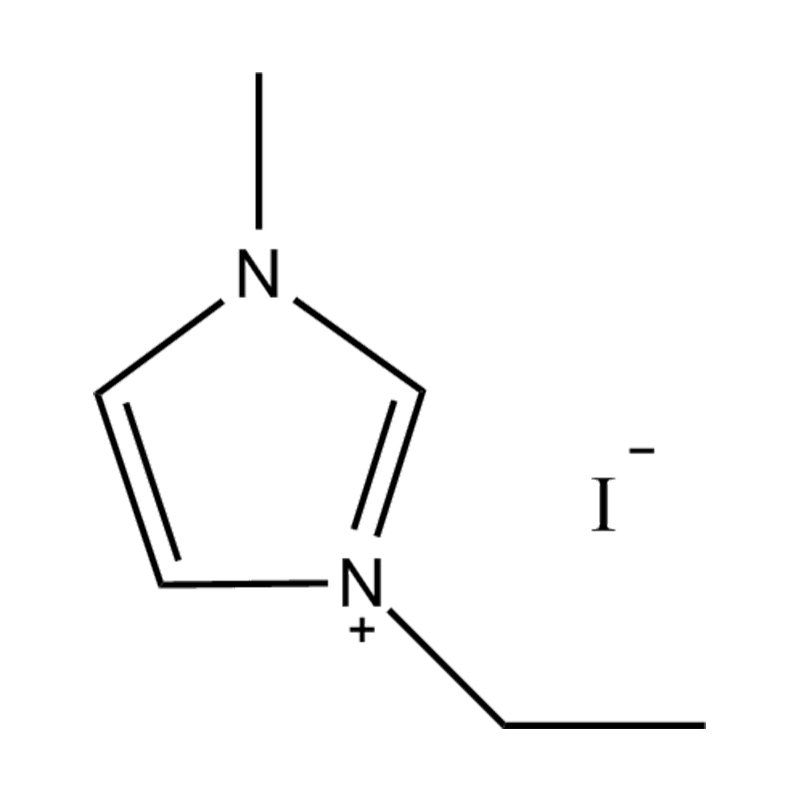
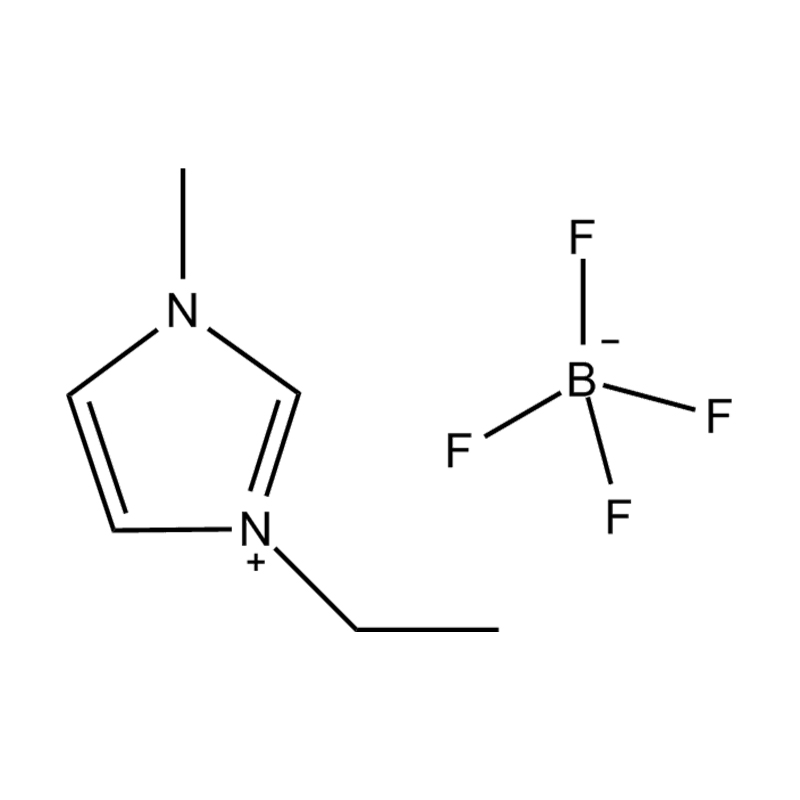
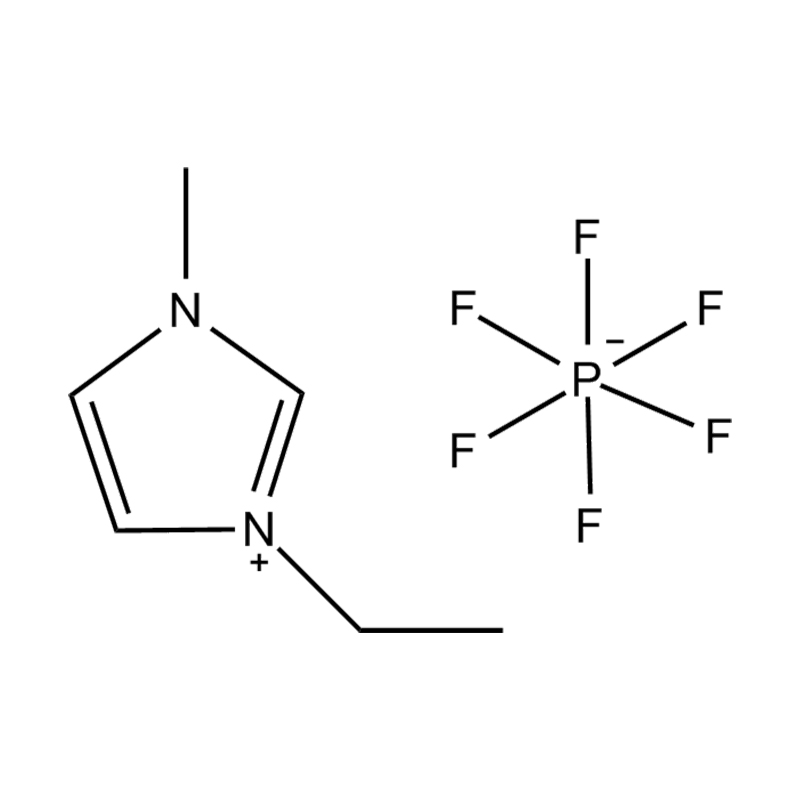
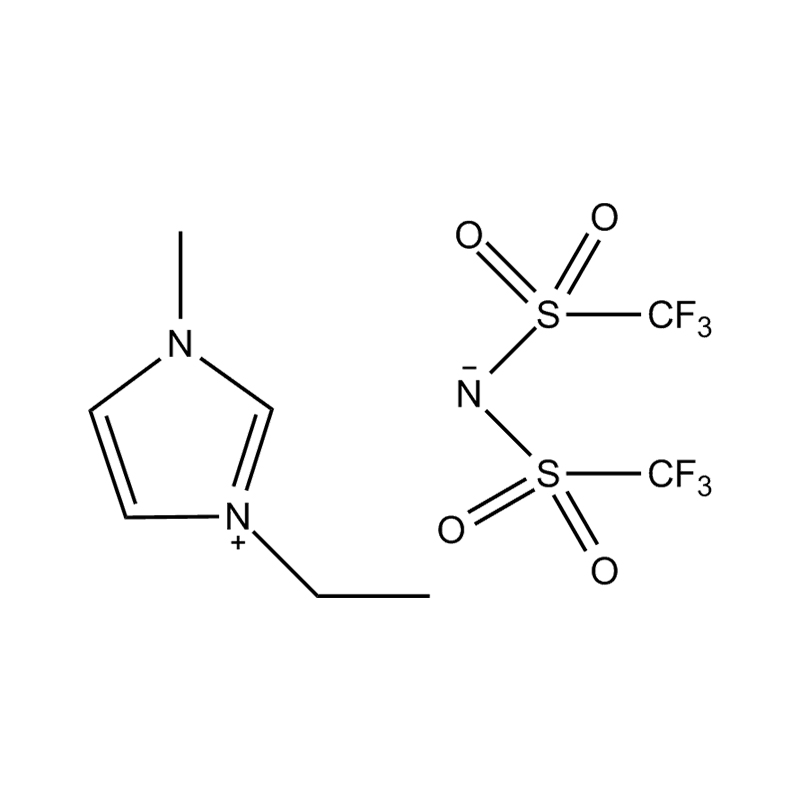
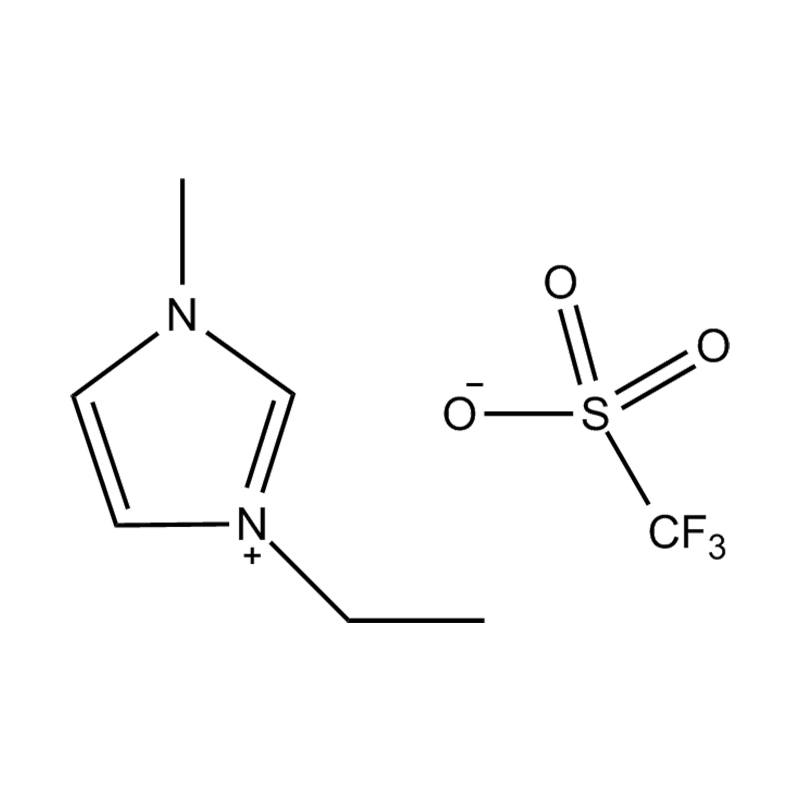
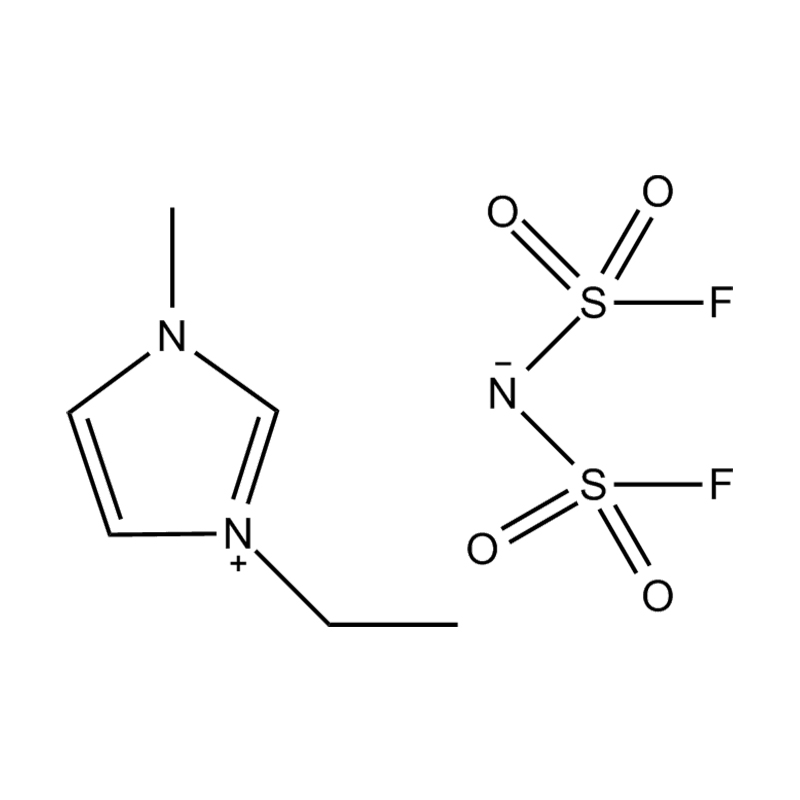
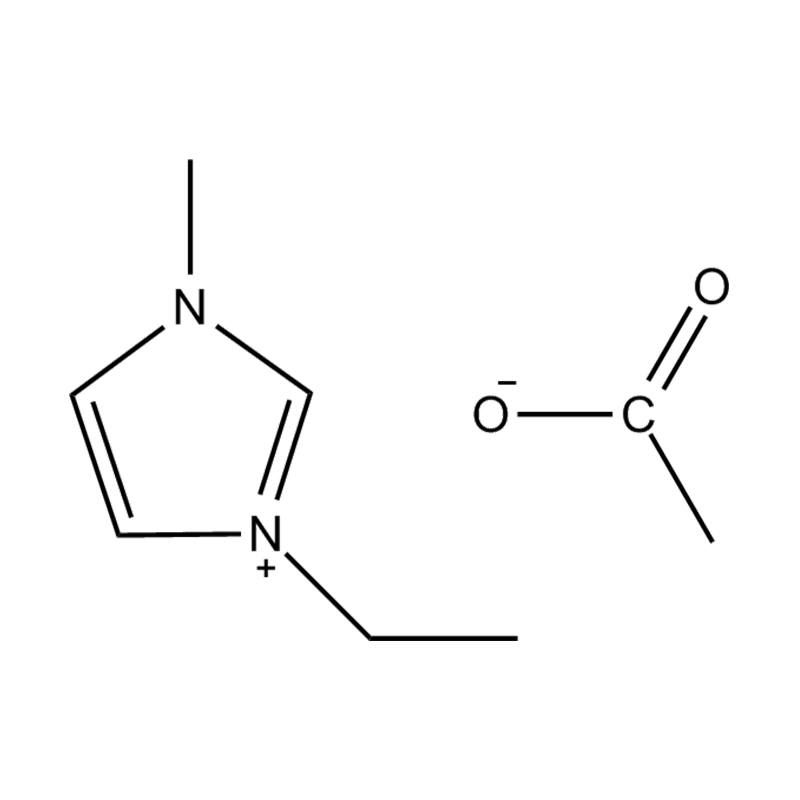
- Ionic liquids: Room-temperature molten salts with negligible vapor pressure, tunable solubility properties, and high chemical stability. Certain ionic liquid formulations show high selectivity for aromatic hydrocarbons over paraffins in liquid-liquid extraction and are under active research as extractants for high-purity white oil and lube oil production. Their low vapor pressure eliminates the solvent emission concerns associated with volatile organic extractants, but their high viscosity and the complexity of recovery and recycling are current barriers to large-scale industrial deployment.
- Supercritical fluid extractants: Carbon dioxide under supercritical conditions (above 31 degrees Celsius and 7.4 MPa) is an effective extractant for certain hydrocarbon fractions and can be used in diaphragm-based extraction configurations where the supercritical CO2 phase contacts the oil feedstock through a membrane interface. Supercritical extraction selectivity can be tuned by adjusting temperature and pressure, and the extractant is recovered by pressure reduction -- eliminating solvent residues entirely. The high equipment cost of supercritical extraction systems limits their application to high-value product streams where the zero-solvent-residue property justifies the capital investment.
Extractant Compatibility with Membrane Materials
In supported liquid membrane and hollow fiber membrane contactor systems, the extractant must be compatible with the membrane material in terms of chemical stability (no degradation of the membrane polymer), wettability (adequate surface energy for the extractant to wet and impregnate the membrane pore structure), and dimensional stability (no swelling or shrinkage of the membrane under contact with the extractant that would alter pore dimensions and mass transfer characteristics).
Polypropylene and polyethylene hollow fiber membranes are the most widely used materials in hydrocarbon extraction contactors, offering good chemical resistance to the polar aprotic solvents commonly used as white oil extractants and adequate mechanical strength for the pressure differentials used in contactor operation. PTFE (polytetrafluoroethylene) membranes provide superior chemical resistance for applications where the extractant or the feed contains aggressive chemical species, at higher cost. Membrane compatibility testing with the specific extractant under process temperature and pressure conditions is an essential step in diaphragm extraction system design and scale-up.
Process Design and Operating Parameters
The design and operation of a diaphragm white oil extractant system requires optimization of several interacting process variables to achieve the target extraction efficiency -- typically defined as the percentage reduction in aromatic content, UV absorbance, or MOAH concentration from the feed oil to the raffinate -- at acceptable raffinate yield and extractant recovery.
Temperature
Extraction temperature affects both the selectivity and the rate of mass transfer across the diaphragm. Higher temperatures reduce oil viscosity, increasing the diffusion coefficient of aromatic species in the oil phase and the rate of mass transfer to the membrane surface. However, higher temperature also reduces the selectivity of many extractants -- the differential in aromatic versus paraffinic solubility decreases as temperature increases, reducing the quality of the separation. Operating temperature is selected as the optimum balance between mass transfer rate and selectivity for the specific extractant and feedstock combination, typically in the range of 40 to 80 degrees Celsius for NMP-based systems.
Extractant-to-Feed Ratio
The volumetric ratio of extractant to feed oil determines the driving force for mass transfer and the degree of extraction achievable in a given number of transfer units. Higher extractant-to-feed ratios improve extraction completeness but increase the volume of extractant requiring recovery and regeneration, which is the primary operating cost driver in extraction processes. The economic optimum extractant-to-feed ratio balances extraction efficiency against recovery cost and is established through process simulation and pilot plant testing for each specific feedstock and product specification.
Membrane Area and Contact Time
In hollow fiber and flat-sheet membrane contactor systems, the available membrane area per unit volume of equipment determines the overall mass transfer rate at a given flux and the total extraction achievable at a given flow rate. Insufficient membrane area results in incomplete extraction -- the raffinate exiting the contactor retains more aromatic compounds than the specification allows. The membrane area required is determined from mass transfer modeling using the overall mass transfer coefficient for the specific membrane-extractant-oil system, which must be measured experimentally for each new combination rather than predicted from first principles alone.
Transmembrane Pressure
In membrane contactor systems, the pressure difference between the oil phase and the extractant phase must be carefully controlled. A positive pressure on the oil side drives oil into the membrane pores, potentially displacing the immobilized extractant and causing breakthrough of oil into the extractant phase -- a process called membrane wetting failure. A positive pressure on the extractant side drives extractant into the oil phase, causing extractant contamination of the raffinate. The operating pressure of each phase is maintained within a defined window that keeps the transmembrane pressure below the breakthrough pressure of the membrane while still providing driving force for the counter-current flow of the two phases through the contactor.
Applications and End Markets for Diaphragm-Extracted White Oil
White oil produced or purified through diaphragm extractant processes reaches the most demanding specification levels required by food, pharmaceutical, and cosmetic end markets, where conventional refining and extraction steps may not achieve the required MOAH reduction or UV absorbance limits.
Pharmaceutical Applications
USP and BP grade mineral oil -- pharmaceutical white oil -- is used as a laxative and stool softener in oral pharmaceutical preparations, as a vehicle and excipient for topical formulations, as a lubricant for tablet manufacturing equipment, and as a component of ophthalmic preparations and medical device coatings. The zero-color and ultra-low aromatic content requirements of these applications demand the most complete aromatic removal achievable in production, making diaphragm extraction-refined white oils particularly suitable for pharmaceutical supply chains.
Food Contact and Food Additive Applications
Food-grade white oil is used as a release agent and anti-sticking agent in food production (baking pans, conveyor belts, food processing equipment), as a coating for fresh produce and dried fruits to reduce moisture loss and improve appearance, and as a dust suppressant on grain handling equipment. The MOAH content restrictions in EU Regulation No. 1881/2006 and associated analytical method requirements under Regulation No. 2023/2783 set strict limits on the aromatic hydrocarbon content of food-grade mineral oils, driving the use of the most deeply refined white oils available for these applications.
Cosmetic and Personal Care Applications
White mineral oil is a widely used base ingredient in skin care formulations (moisturizing creams and lotions, baby oil, petroleum jelly-based preparations), hair care products (hair oils, conditioning preparations), and color cosmetics (foundations, lip products). Cosmetic-grade white oil must meet ISO 9000 series quality standards and the specific purity requirements of the International Nomenclature of Cosmetic Ingredients (INCI) mineral oil specification, which includes limits on PAH content and UV absorbance consistent with safe long-term skin contact.
NSF H1 Food-Grade Lubricant Applications
White oil meeting NSF H1 registration requirements is formulated into food-grade lubricants for use in machinery operating in food and beverage processing facilities, where incidental food contact of the lubricant is possible. Compressor oils, conveyor chain lubricants, gear oils, and hydraulic fluids based on pharmaceutical-grade white oil base stocks are specified in food processing, dairy, beverage, and pharmaceutical manufacturing facilities as required by HACCP programs and food safety management system standards including ISO 22000 and FSSC 22000.
Regulatory Framework and Analytical Testing for White Oil Quality
The quality of white oil produced by diaphragm extractant processes is verified against a combination of compendial specifications, industry standards, and regulatory requirements that together define the complete test protocol for each grade and application.
| Quality Parameter | Test Method | Applicable Grade | Typical Limit |
|---|---|---|---|
| UV absorbance (280 to 289nm) | USP method / IP 346 | Pharmaceutical, food | Max 0.1 absorbance units |
| MOAH content | LC-GC x GC (2D-GC) | Food contact | Below 1 mg/kg (food contact) |
| Saybolt color | ASTM D156 | All grades | Plus 30 (maximum, colorless) |
| Kinematic viscosity at 40 degrees C | ASTM D445 | All grades | Grade-specific (15 to 180 cSt) |
| Sulfur content | ASTM D5453 | Pharmaceutical, food | Less than 1 mg/kg |
| Readily carbonizable substances | USP test | Pharmaceutical | No color development beyond limit Y7 |
| Pour point | ASTM D97 | All grades | Grade and application specific |
The analytical testing requirements for high-grade white oil -- particularly the two-dimensional gas chromatography (LC-GC x GC) methods required for MOAH determination and the full UV absorbance scan required by pharmacopeial specifications -- are significantly more demanding than those for technical grade mineral oil, and compliance with these test requirements is the ultimate validation of the effectiveness of the diaphragm extractant process in achieving the required purification depth. Ongoing regulatory development in the EU and other jurisdictions is progressively tightening MOAH limits and expanding the analytical requirements for white oil in food contact applications, driving continued investment in deeper refining and extraction technologies by white oil producers supplying these markets.