
 English
 Deutsch
 Español
 中文简体
中文简体



Plastic is the material most designers reach for when they need something light, tough and inexpensive to mould, and it is also, by its nature, an insulator. Static charge gathers on the surface, dust clings to it, and electromagnetic interference passes through a plastic enclosure as though the wall were not there. A conductive coating on plastic is the usual answer, but it only performs well when it is chosen for the polymer underneath it rather than for the conductivity figure printed on a datasheet.
After more than a decade of developing ionic liquids and functional additives for polymer and electronics applications, we have watched the same pattern repeat: the chemistry is rarely the weak point. Adhesion, pretreatment, cure control and the way a coated part is finally grounded decide whether the project holds up in the field.
Content
- 1 Why a Conductive Coating on Plastic Is Worth the Effort
- 2 How Conductive Coatings Actually Work on a Polymer
- 3 Comparing the Common Coating Routes
- 4 Adhesion Is Where Most Projects Fail
- 5 A Practical Application Sequence
- 6 What to Measure Before You Scale Up
- 7 Matching the Route to the Part
- 8 When Compounding Beats Coating
- 9 Choosing the Chemistry Behind the Additive
- 10 Keeping a Project on Track
Why a Conductive Coating on Plastic Is Worth the Effort
On a metal part, conductivity is a property of the bulk material. On a plastic part it is something added to the surface, and that difference shapes the whole engineering task. Three requirements drive most projects:
- Static control. Handling trays, tape backing and packaging films need a controlled path to ground so charge does not build up and discharge into sensitive electronics.
- Electromagnetic shielding. A conductive layer on a housing attenuates interference moving in and out of the enclosure, which is why coated plastic remains common in instrumentation and communications hardware.
- Functional circuits. Membrane switches, touch surfaces and printed antennas use conductive inks to carry small currents across a flexible film.
Performance is normally expressed as surface resistivity in ohms per square: roughly 104 to 106 ohms/sq is conductive, 106 to 109 dissipative, and 109 to 1012 antistatic, while shielding usually calls for 100 to 102 ohms/sq. Knowing which band your product actually needs saves money, since a carbon-filled coating often does the job of a silver one at a fraction of the cost.
How Conductive Coatings Actually Work on a Polymer
A coating is a thin film, not a metal plate. It is a binder, usually acrylic, epoxy, polyurethane or a water-based resin, carrying something that conducts.
Filler-Based Systems
Carbon black, graphite, silver flakes, nickel and silver-coated copper all work the same way: above a certain loading, particles touch one another and form a network through the dried film. Below that threshold, resistance climbs steeply, which is why filler loading, mixing time, film thickness and cure schedule matter so much. A slightly under-filled or unevenly sprayed film can read megohms where the specification promised kilo-ohms.
Ionic and Intrinsically Conductive Systems
Ionic liquids, quaternary ammonium salts and related chemistries move ions rather than electrons, giving a gentle, humidity-dependent dissipation that suits antistatic films. Conductive polymers such as PEDOT:PSS form a conjugated backbone that carries electrons and can be coated thin enough to stay optically clear. Both routes appeal where transparency, flexibility or low particle loading matters, and both need tighter moisture control than a metal-filled film.
Comparing the Common Coating Routes
Treat the figures below as starting points for your own trials rather than as guaranteed values.
| Route | Conductive component | Surface resistivity | Typical use | Main limitation |
|---|---|---|---|---|
| Carbon-filled | Carbon black, graphite | 103 to 106 ohms/sq | ESD trays, tape backing, low-cost shielding | Dark colour, carbon rub-off |
| Silver-filled | Silver flakes | 0.01 to 0.1 ohms/sq | High-reliability shielding, membrane switches | Material cost |
| Metal particle | Nickel, silver-coated copper | 0.05 to 10 ohms/sq | Housings, connector shells | Corrosion and galvanic risk |
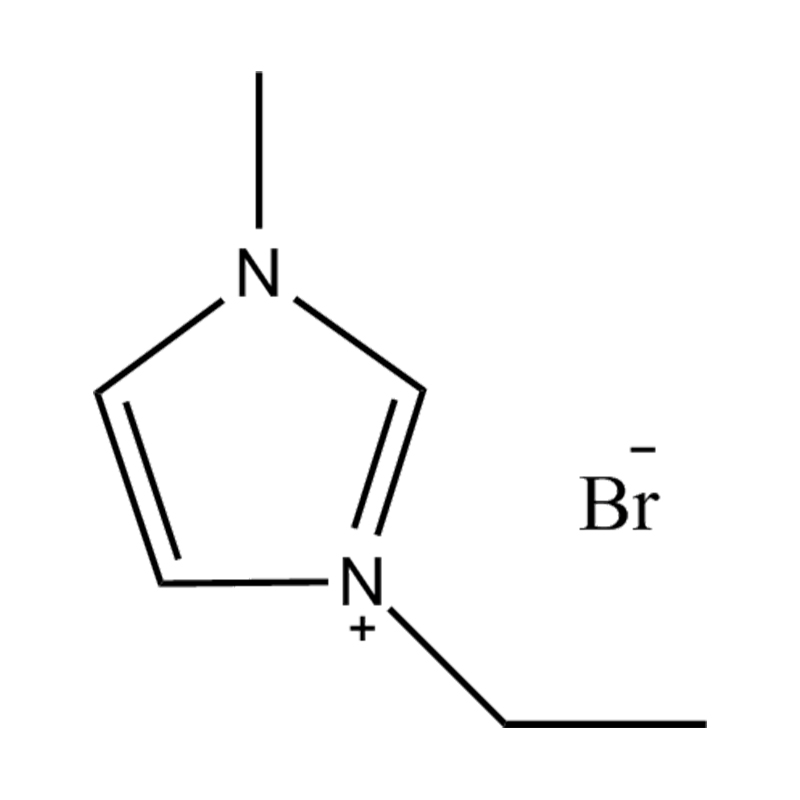
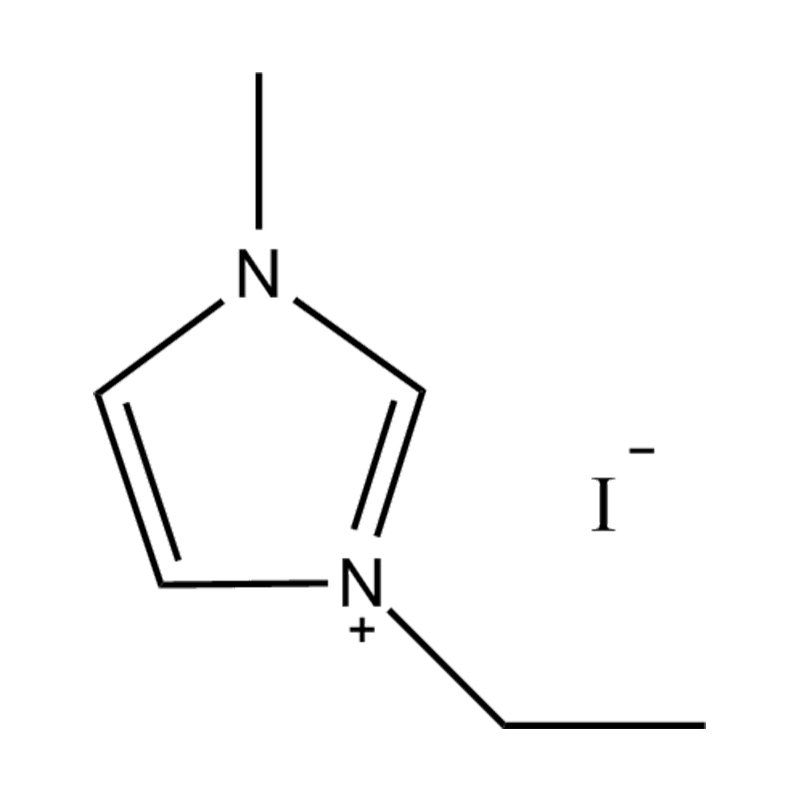
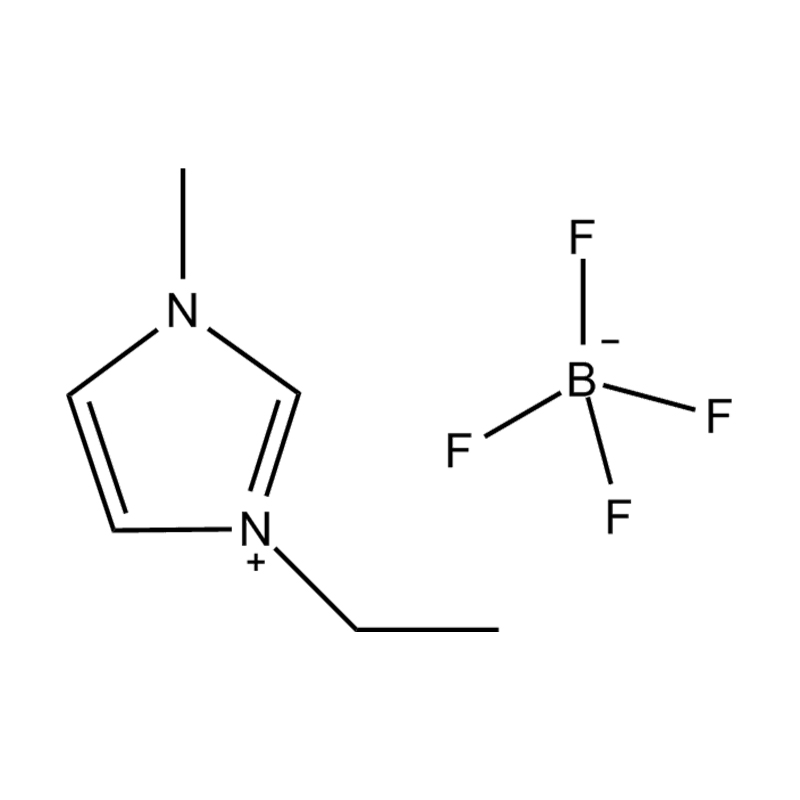
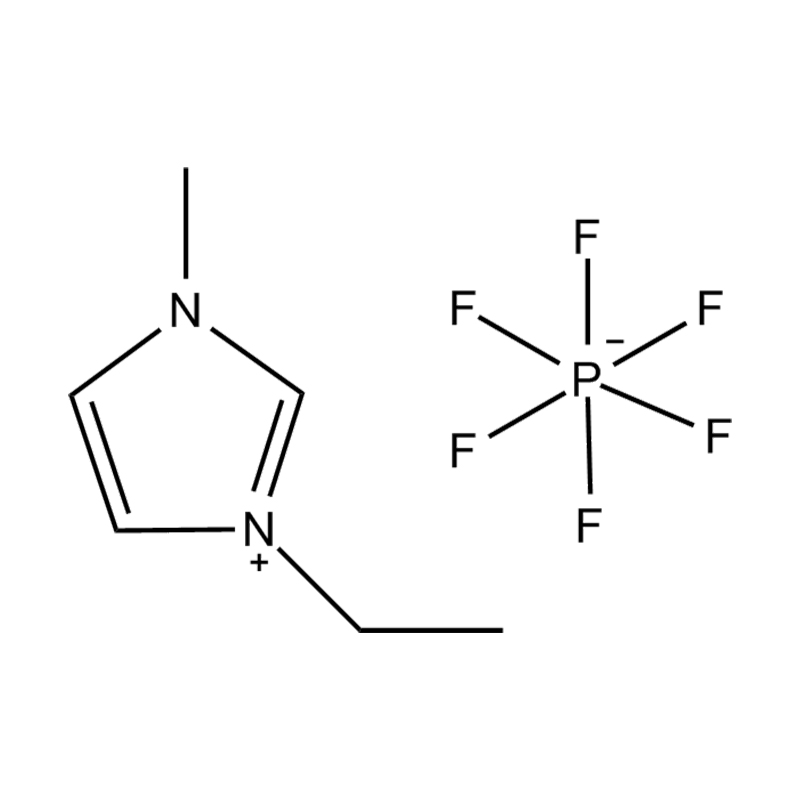
| Ionic antistatic | Quaternary ammonium or imidazolium ionic liquids | 106 to 1011 ohms/sq | Clear antistatic films, packaging, sheet goods | Humidity sensitivity, migration risk |
| Conductive polymer | PEDOT:PSS and similar | 102 to 106 ohms/sq | Transparent flexible electrodes, sensors | Moisture and acidity sensitivity |
Adhesion Is Where Most Projects Fail
Plastics are not metals. Untreated polypropylene and polyethylene sit near 30 mN/m of surface energy, while most coating binders need a substrate above roughly 38 to 42 mN/m before they wet and bond properly. ABS, polycarbonate and polyamide are friendlier, but they still arrive with mould release agents, dust and handling contamination.
Pretreatment is the practical answer. Plasma and corona treatment raise surface energy and add polar groups, flame treatment does the same for many polyolefins, and primers serve where equipment is unavailable. Coat within the activation window, because treated surfaces relax back towards their original state within hours or days.
Two other failure modes deserve attention. Solvent-based coatings can stress-crack polycarbonate blends, so solvent choice needs testing on real parts, and heat-cured systems can warp thin-walled mouldings, which is why low-temperature and UV-cure coatings are often chosen for PVC and PET.
A Practical Application Sequence
Moving from sample to production, this order keeps surprises to a minimum.
- Confirm the polymer grade and measure its surface energy before ordering any coating.
- Clean parts to remove mould release agents, oils and dust, then handle them with gloves.
- Pretreat by plasma, corona or flame and record the parameters so they can be repeated.
- Mask connector openings, screw bosses and grounding contacts, and check that masking survives the spray.
- Apply thin, overlapping passes at a consistent distance rather than one heavy layer.
- Cure according to the binder system, since conductivity in filler-based films often improves as the film dries.
- Test the first production parts for resistivity, adhesion and thickness before running the batch.
- Give every shielded part a defined ground path, because an ungrounded conductive film does very little.
What to Measure Before You Scale Up
It is easy to measure conductivity on a fresh sample and stop there. It is more useful to know how the coating behaves in service.
- Surface resistivity, measured at controlled temperature and humidity with a parallel probe, on parts rather than only on flat coupons.
- Adhesion, using a cross-hatch tape test on the coated face and on edges cut after coating.
- Dry film thickness, tracked across the part so thick corners and thin recesses are both captured.
- Humidity and thermal cycling, which expose ionic systems to moisture and filler systems to interface stress.
- Abrasion and flex testing for films that will be handled, wound or bent during assembly.
- Shielding effectiveness on an assembled enclosure, because seams, gaps and uncoated fixing points limit performance more often than the film itself.
Matching the Route to the Part
The right choice usually falls out of the geometry and the environment. Large, simple panels and trays suit carbon-filled coatings that spray quickly. Housings with deep recesses and internal ribs may need a conductive filler in the resin or a vacuum process, because a spray gun cannot reach everywhere. Transparent windows point towards conductive polymers or ionic antistatic systems that stay clear, and parts exposed to solvents or salt spray need the corrosion behaviour of metal-filled systems reviewed early rather than late.
Cost belongs in the same conversation. Total cost per acceptable part is a more honest comparison than price per litre of coating.
When Compounding Beats Coating
Not every static problem needs a coating step. An antistatic chemistry can be compounded into the resin so the finished moulding dissipates charge with no secondary operation. That approach reaches internal surfaces, survives cleaning and handling, and removes masking entirely, which is why it is popular for tote boxes, films and complex mouldings.
If you are weighing this route, our overview of antistatic agents for plastics, textiles, electronics and tape explains where compounded additives earn their place and where a coating still does the job better.
The trade-offs are compatibility and permanence. An additive has to disperse cleanly, must not discolour or embrittle the polymer, and must stay in the part rather than migrate to the surface and rub off.
Choosing the Chemistry Behind the Additive
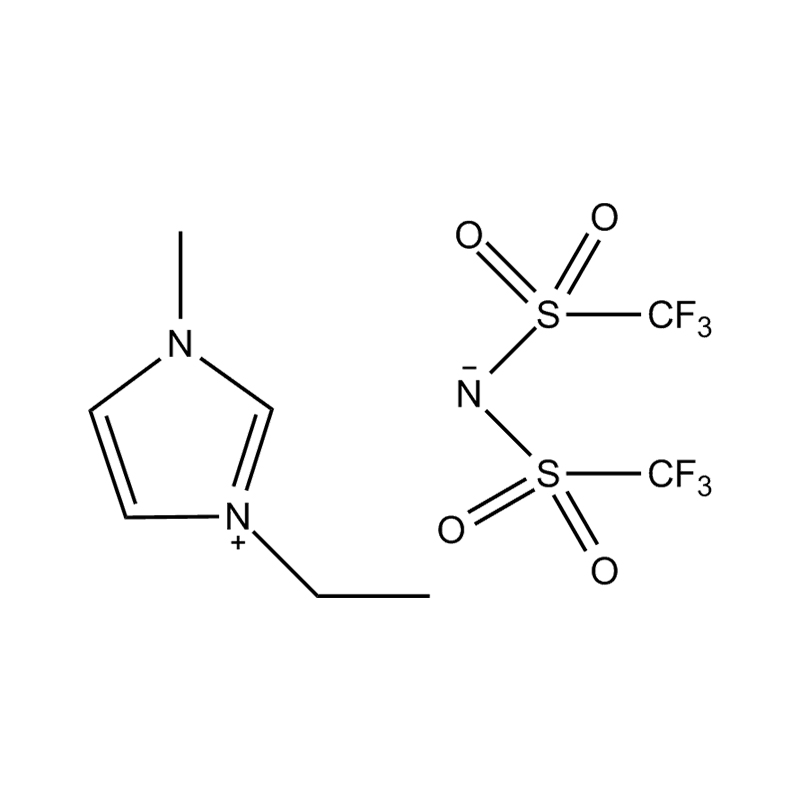
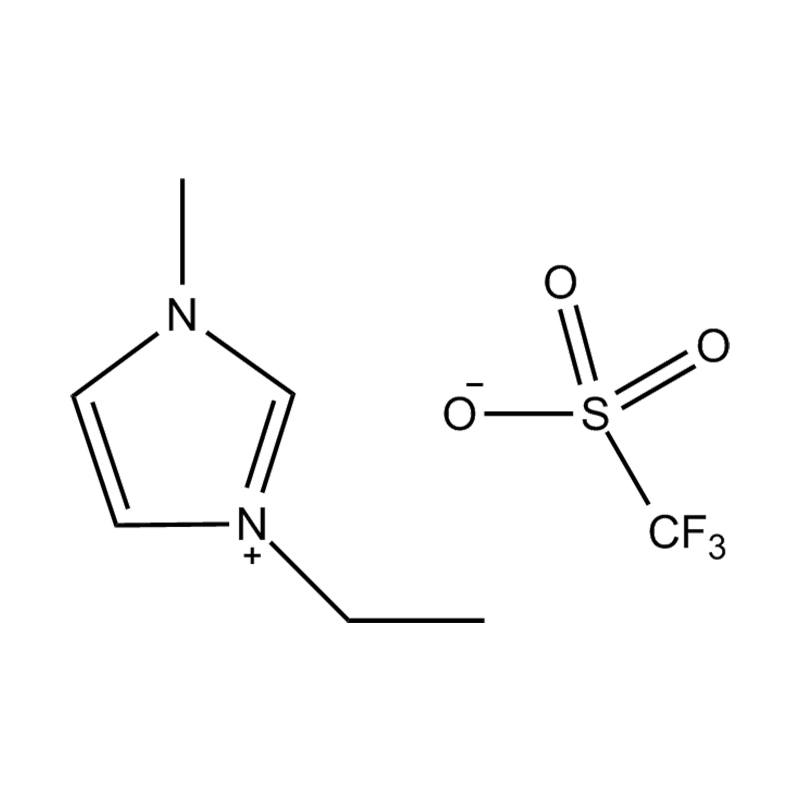
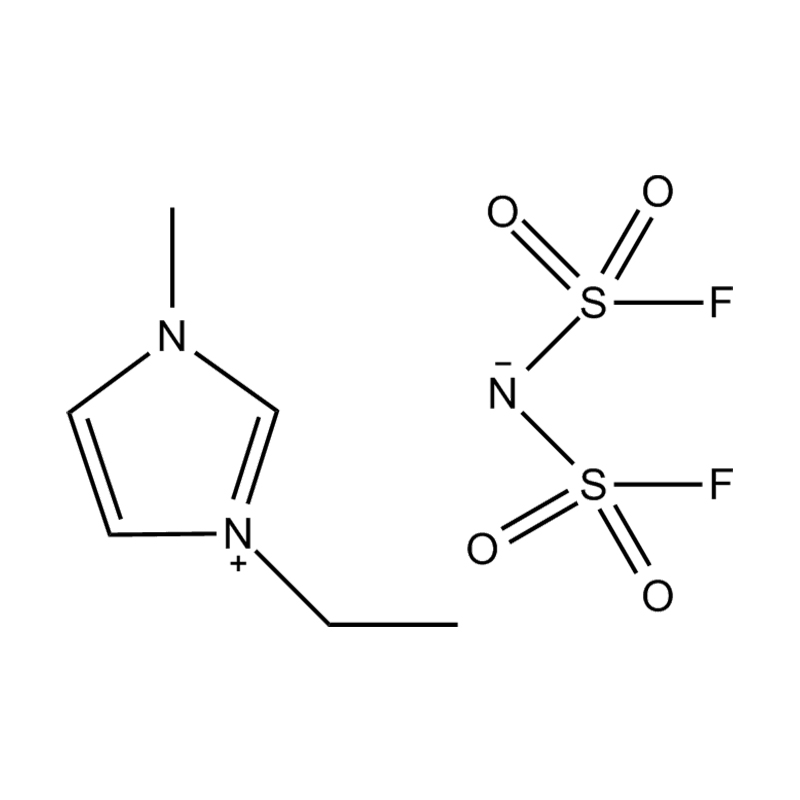
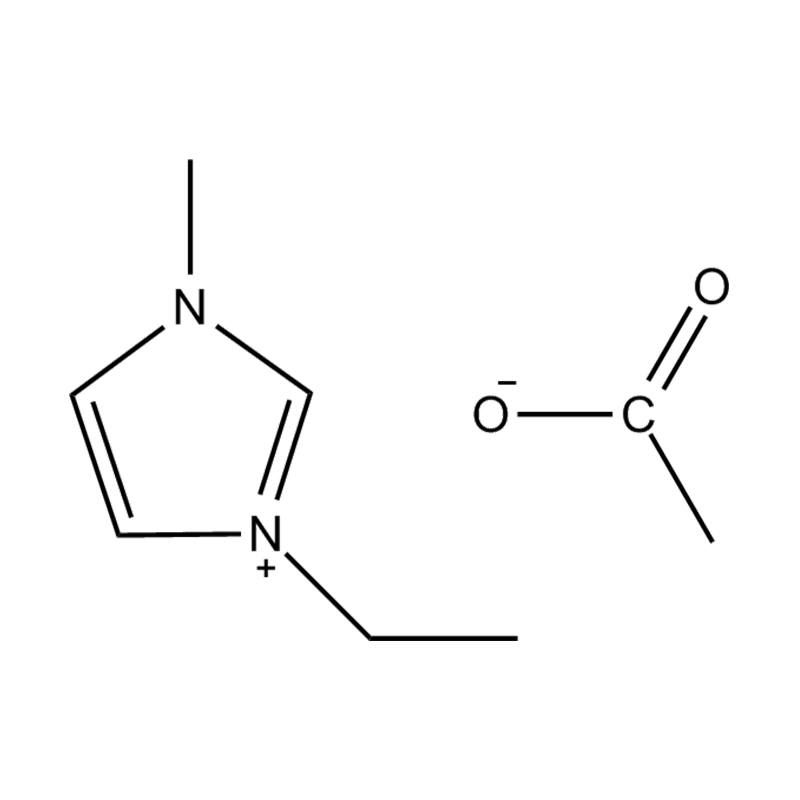
Ionic liquids are a practical toolkit here because the cation and the anion can be selected almost independently. A quaternary ammonium cation paired with a fluorinated anion, for instance, gives a thermally stable, essentially non-volatile salt that blends into a polymer or a coating without the odour and evaporation that conventional antistatic surfactants bring.
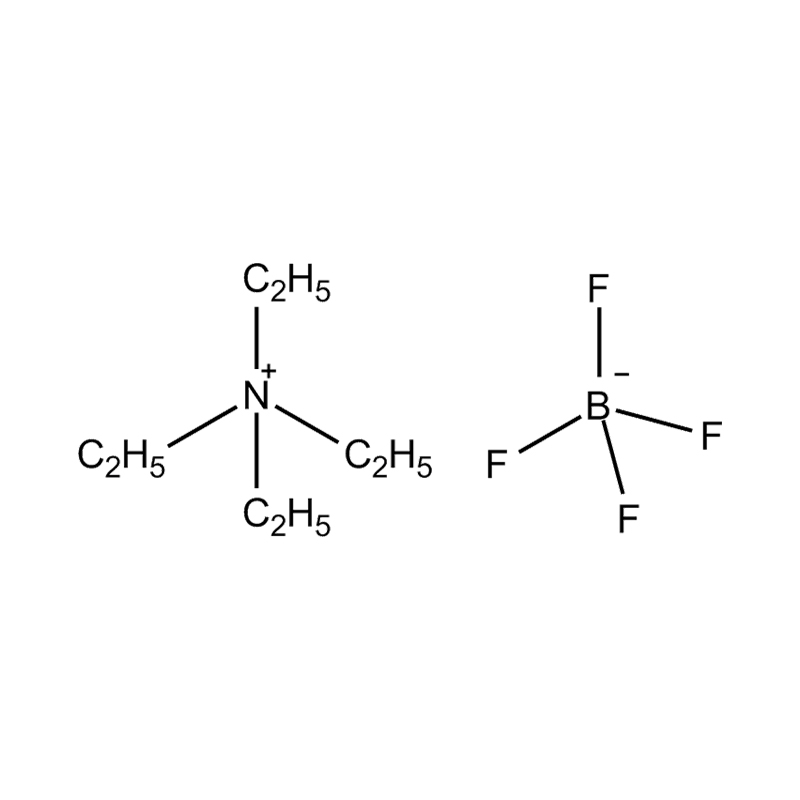 Tetraethylammonium Tetrafluoroborate Quaternary Ammonium Ionic Liquid99% purity tetraethylammonium tetrafluoroborate, CAS 429-06-1, a quaternary ammonium ionic liquid for catalysis, electrolytes, and industrial additive applications.View Product →
Structure also governs the details. Longer alkyl chains and larger anions tend to soften a film and slow ion movement, while smaller, more polar anions raise conductivity and humidity sensitivity. Hydroxyl and ether-based ionic liquids are often chosen where compatibility with a polar resin or a water-based coating matters. Define the resistivity band, the processing temperature and the cleaning regime first, then let the chemistry follow.
In coating and film formulations, ionic additives are usually a small fraction of the mix, often around one to five percent of dry film weight, adjusted upward only until the target resistivity is reached.
Keeping a Project on Track
A conductive coating on plastic is a system rather than a product. Polymer, pretreatment, chemistry, cure and grounding all have to agree with one another, and a weakness in any one of them shows up as a failure in the field.
The discipline that works is unglamorous: measure surface energy before choosing a coating, test adhesion before scaling up, and check performance after humidity and thermal cycling rather than only on the day the parts were made.
If you would like to discuss a specific substrate, resistivity target or additive chemistry, our technical team is glad to help.