
 English
 Deutsch
 Español
 中文简体
中文简体



Content
- 1 Understanding Antistatic Agents in Adhesive Tape Manufacturing
- 2 Chemical Types and Mechanisms of Action
- 3 Formulation Strategies and Integration Methods
- 4 Performance Testing and Specification Standards
- 5 Application-Specific Formulation Approaches
- 6 Processing Considerations and Manufacturing Challenges
- 7 Regulatory Compliance and Safety Considerations
- 8 Emerging Technologies and Future Developments
Understanding Antistatic Agents in Adhesive Tape Manufacturing
Antistatic agents play a critical role in adhesive tape formulations, particularly for applications in electronics manufacturing, cleanroom environments, and industries where static electricity poses risks to sensitive components or explosive atmospheres. These specialized additives reduce or eliminate the buildup of static electrical charges on tape surfaces, preventing electrostatic discharge (ESD) events that can damage semiconductor devices, attract dust particles, or create safety hazards. The incorporation of antistatic agents into adhesive tape systems involves careful selection based on the tape's substrate material, adhesive chemistry, intended application environment, and required performance specifications.
Static electricity generation on adhesive tapes occurs primarily through triboelectric charging during unwinding, contact separation, and handling processes. When tape surfaces separate from release liners or contact other materials, electron transfer creates charge imbalances resulting in surface potentials ranging from several hundred to tens of thousands of volts. In electronics assembly environments, ESD events as small as 100 volts can damage sensitive components including integrated circuits, while in hazardous locations, static discharges may ignite flammable vapors or dust. Antistatic agents mitigate these risks by increasing surface conductivity, enabling accumulated charges to dissipate harmlessly rather than building to dangerous levels or discharging suddenly.
Chemical Types and Mechanisms of Action
Antistatic agents employed in adhesive tape formulations fall into several distinct chemical categories, each functioning through different mechanisms to control static charge accumulation. The selection among these categories depends on compatibility with the tape's polymer matrix, processing requirements, durability needs, and performance specifications. Internal antistatic agents are incorporated directly into the polymer substrate or adhesive during manufacturing, while external agents are applied as surface treatments post-production. The effectiveness of each type varies based on environmental humidity, temperature conditions, and the specific charge generation mechanisms encountered in the intended application.
Ionic Antistatic Agents
Ionic antistatic agents represent the most widely used category in adhesive tape applications, functioning by absorbing atmospheric moisture to create a conductive surface layer that dissipates static charges. These compounds contain hydrophilic groups that attract water molecules, forming a thin ionic conduction pathway on the tape surface. Cationic antistatic agents include quaternary ammonium compounds, phosphonium salts, and sulfonium derivatives that provide excellent antistatic performance in moderate to high humidity environments. Anionic agents such as sulfates, sulfonates, phosphates, and carboxylates offer good compatibility with many polymer systems and maintain effectiveness across broader humidity ranges compared to cationic alternatives.
The performance of ionic antistatic agents strongly depends on relative humidity, typically requiring minimum 30-40% RH to establish adequate surface conductivity. At humidity levels below this threshold, insufficient moisture prevents formation of the conductive layer, significantly reducing antistatic effectiveness. Amphoteric antistatic agents containing both cationic and anionic functional groups provide improved performance across wider humidity ranges and demonstrate superior compatibility with diverse polymer systems. These compounds include betaines, amino acid derivatives, and imidazoline-based surfactants that adjust their ionic character based on pH conditions, offering versatile performance in varied application environments.
Conductive Polymers and Carbon-Based Additives
Permanent antistatic performance independent of humidity conditions requires incorporation of inherently conductive materials into the tape structure. Conductive polymers including polyaniline, polypyrrole, and polythiophene derivatives provide intrinsic electrical conductivity through conjugated pi-electron systems, enabling static charge dissipation without relying on moisture absorption. These materials are typically blended into the polymer substrate or applied as conductive coatings, providing surface resistivity values between 10^6 and 10^9 ohms per square suitable for most ESD protection applications. Conductive polymers offer excellent durability and consistent performance across temperature and humidity extremes, though higher material costs and processing complexity limit their use to premium applications requiring guaranteed antistatic performance.
Carbon-based conductive additives including carbon black, carbon nanotubes, and graphene provide cost-effective permanent antistatic properties through creation of conductive pathways within the polymer matrix. Carbon black loadings of 15-25% by weight typically achieve surface resistivity values in the 10^6 to 10^8 ohm per square range, sufficient for dissipative antistatic performance. Carbon nanotubes and graphene offer superior conductivity at lower loading levels (2-5% by weight), minimizing impact on mechanical properties and maintaining substrate transparency in critical applications. The dispersion quality of carbon-based additives critically influences performance consistency, requiring specialized compounding techniques and dispersing agents to prevent agglomeration and ensure uniform conductivity throughout the tape structure.
| Antistatic Agent Type | Mechanism | Humidity Dependence | Durability | Typical Surface Resistivity |
| Quaternary Ammonium | Moisture absorption | High | Moderate | 10^9-10^11 Ω/sq |
| Ethoxylated Amines | Moisture absorption | Moderate | Good | 10^8-10^10 Ω/sq |
| Conductive Polymers | Intrinsic conductivity | None | Excellent | 10^6-10^9 Ω/sq |
| Carbon Black | Conductive network | None | Excellent | 10^4-10^8 Ω/sq |
| Carbon Nanotubes | Conductive network | None | Excellent | 10^3-10^6 Ω/sq |
Formulation Strategies and Integration Methods
Successful incorporation of antistatic agents into adhesive tape systems requires careful consideration of multiple formulation parameters including concentration levels, dispersion techniques, compatibility with base polymers, and potential impacts on adhesive performance. The addition method and processing conditions significantly influence the final antistatic effectiveness and overall tape properties. Internal addition involves blending antistatic agents directly into the polymer melt during substrate extrusion or incorporating them into adhesive formulations before coating. This approach provides uniform distribution throughout the material thickness and offers permanent antistatic properties that resist surface abrasion or washing, though higher additive concentrations may be required to achieve adequate surface activity.
Surface application methods include topical coating, corona treatment followed by antistatic agent application, and plasma deposition of conductive layers. Topical application typically employs dilute solutions of ionic antistatic agents (0.5-2% solids) applied via gravure, meyer rod, or spray coating processes, providing cost-effective antistatic performance with minimal impact on substrate and adhesive properties. The antistatic agent migrates to the tape surface during drying, creating a thin conductive layer that dissipates static charges. Loading concentrations for internal antistatic agents range from 0.5-5% by weight for ionic surfactants to 15-25% for carbon black, with optimal levels determined through testing to balance antistatic performance against effects on mechanical properties, optical clarity, and adhesive characteristics.
Compatibility Considerations with Tape Components
- Substrate polymer compatibility - Antistatic agents must demonstrate chemical compatibility with backing materials including polyester, polypropylene, polyethylene, polyimide, and cellulose acetate films, avoiding bloom, haze formation, or mechanical property degradation that could compromise tape performance.
- Adhesive system interactions - Ionic antistatic agents may interfere with acrylic, rubber-based, or silicone adhesive curing and crosslinking reactions, requiring formulation adjustments or selection of compatible antistatic chemistries that do not inhibit polymerization or reduce final adhesive strength.
- Release liner effects - Antistatic agents can migrate to release liner interfaces during storage, potentially affecting release characteristics or contaminating liner surfaces, necessitating barrier coatings or selection of non-migrating permanent antistatic additives for sensitive applications.
- Processing temperature stability - Antistatic agents must withstand extrusion temperatures up to 300°C for polyester or polyimide substrates without decomposition, volatilization, or loss of functionality, limiting options to thermally stable compounds including high-molecular-weight ionic materials and carbon-based additives.
- Optical property maintenance - For transparent tape applications, antistatic additives must not cause haze, yellowing, or optical distortion, restricting choices to low-loading carbon nanotubes, conductive polymers, or carefully selected ionic agents that remain soluble and non-scattering in the polymer matrix.
Dispersion quality critically determines the performance consistency of particulate antistatic agents including carbon black and carbon nanotubes. Poor dispersion results in agglomerates that create optical defects, reduce mechanical strength through stress concentration, and provide inconsistent conductivity with localized conductive regions separated by insulating areas. High-shear mixing, twin-screw extrusion with optimized screw designs, and addition of dispersing agents including surfactants and coupling agents improve particle distribution. For carbon nanotubes, surface functionalization with compatible chemical groups enhances interaction with the polymer matrix, reducing agglomeration tendency and lowering the percolation threshold for conductivity formation.
Performance Testing and Specification Standards
Evaluation of antistatic agent effectiveness in adhesive tapes requires standardized testing methods measuring static charge generation, charge decay rates, and surface electrical properties. Surface resistivity and volume resistivity measurements provide fundamental characterization of the tape's electrical properties, indicating the ease with which electrical charges can move across the surface or through the material bulk. Surface resistivity testing per ASTM D257 or IEC 61340-2-3 employs concentric ring electrodes applying 10-100 volt potentials while measuring current flow, calculating resistivity in ohms per square. Materials are classified as conductive (below 10^5 Ω/sq), static dissipative (10^5 to 10^12 Ω/sq), or insulative (above 10^12 Ω/sq) based on measured values.
Charge decay testing measures the time required for an induced electrostatic charge to dissipate to safe levels, providing functional assessment of antistatic performance under realistic conditions. The test involves charging a tape sample to a specified voltage (typically 1000-5000 volts) using corona discharge or contact electrification, then monitoring voltage decay over time using non-contact electrostatic voltmeters. Performance specifications typically require charge decay to 10% of initial voltage within 2 seconds for effective antistatic materials, while standard insulative materials may require minutes or hours for equivalent charge dissipation. Testing at controlled humidity conditions (12% RH, 50% RH, and 90% RH) characterizes moisture-dependent performance of ionic antistatic agents and identifies potential failure modes in low-humidity environments.
Industry-Specific Performance Requirements
| Application Sector | Surface Resistivity Range | Charge Decay Time | Key Standard |
| Electronics Assembly | 10^6-10^9 Ω/sq | < 2 seconds to 10% | ANSI/ESD S20.20 |
| Cleanroom Applications | 10^7-10^11 Ω/sq | < 5 seconds to 10% | ISO 14644 |
| Explosive Atmospheres | 10^4-10^8 Ω/sq | < 0.5 seconds to 10% | ATEX/IECEx |
| Semiconductor Manufacturing | 10^5-10^8 Ω/sq | < 1 second to 10% | JEDEC JESD625 |
| General Industrial | 10^8-10^12 Ω/sq | < 10 seconds to 10% | IEC 61340-4-1 |
Durability testing evaluates antistatic performance retention under accelerated aging conditions including elevated temperature exposure, humidity cycling, UV radiation, and mechanical abrasion. Ionic antistatic agents, particularly those applied as surface treatments, may degrade or wash away during extended service, requiring periodic testing to verify continued effectiveness. Accelerated aging protocols typically expose samples to 60-80°C and 90% RH for 500-1000 hours, followed by resistivity and charge decay measurements to quantify performance degradation. Acceptable performance requires maintaining surface resistivity within the specified range and charge decay times below maximum limits throughout the test period. Carbon-based and conductive polymer antistatic systems generally demonstrate superior durability compared to ionic agents, maintaining stable performance without significant degradation even after extended environmental exposure.
Application-Specific Formulation Approaches
Different adhesive tape applications require tailored antistatic agent selection and formulation strategies addressing specific performance requirements, environmental conditions, and compatibility constraints. Electronics manufacturing tapes including component carrier tapes, splicing tapes, and surface protection films demand static dissipative performance (10^6 to 10^9 Ω/sq) that prevents damage to sensitive semiconductors while avoiding excessive conductivity that could create electrical shorts. These applications typically employ ionic antistatic agents providing appropriate resistivity levels, though increasingly stringent ESD protection requirements and low-humidity manufacturing environments drive adoption of permanent carbon nanotube or conductive polymer systems offering humidity-independent performance.
Cleanroom adhesive tapes require antistatic properties combined with ultra-low particulate generation and minimal outgassing to prevent contamination of semiconductor fabrication, pharmaceutical manufacturing, or aerospace assembly environments. Formulations for these demanding applications employ high-purity antistatic agents free from heavy metals, halogens, and volatile organics, with validation through cleanroom compatibility testing measuring particle generation during unwinding and outgassing analysis via thermal desorption-gas chromatography-mass spectrometry. Conductive polymers and specially purified carbon nanotubes provide preferred antistatic functionality for Class 10 to Class 1000 cleanroom applications, offering permanent performance without migration or volatilization of ionic additives that could contaminate sensitive processes.
Specialized Industrial Applications
- Explosive atmosphere packaging - Tapes used for sealing containers of flammable liquids, combustible dusts, or explosive materials require highly conductive antistatic properties (10^4-10^6 Ω/sq) ensuring rapid charge dissipation preventing ignition-capable sparks, typically achieved through high-loading carbon black or metallic filler incorporation.
- Medical device assembly - Antistatic tapes for medical electronics manufacturing must meet biocompatibility requirements and withstand sterilization processes including autoclave, ethylene oxide, and gamma radiation exposure while maintaining antistatic effectiveness, limiting options to radiation-stable conductive polymers and select ionic agents passing cytotoxicity testing.
- Automotive wire harnessing - Tapes used for bundling electrical wiring in vehicles require durable antistatic performance preventing dust attraction and static discharge interference with sensitive electronics, combined with flame retardancy, temperature resistance to 150°C, and resistance to automotive fluids necessitating permanent carbon-based antistatic systems.
- Aerospace composite manufacturing - Antistatic tapes used as vacuum bag sealants and surface protection during carbon fiber composite layup must prevent static-induced fiber misalignment and dust contamination while withstanding autoclave curing at 180°C and 6 bar pressure, requiring thermally stable conductive polymer or graphene-based antistatic additives.
- Photographic film handling - Antistatic tapes for splicing and mounting photographic and lithographic films require extremely low ionic contamination preventing chemical fogging or image quality degradation, employing ultra-pure conductive polymers or specially treated carbon materials free from ionic impurities and extractable contaminants.
Label and graphics tapes benefit from antistatic treatment reducing dust attraction that degrades print quality and prevents proper adhesion to application surfaces. These applications typically employ mild antistatic performance (10^9-10^11 Ω/sq) sufficient to minimize particle attraction without requiring full ESD protection. Low-concentration ionic antistatic agents (0.2-0.5%) applied as topical treatments provide cost-effective solutions maintaining optical clarity and adhesive performance while reducing troublesome static-related defects. Specialty graphics applications including automotive vinyl wraps and architectural films increasingly incorporate permanent antistatic additives addressing long-term outdoor exposure where ionic agents would wash away, with carbon nanotube loadings of 1-2% providing invisible antistatic functionality without compromising color accuracy or gloss characteristics.
Processing Considerations and Manufacturing Challenges
Integration of antistatic agents into adhesive tape manufacturing processes presents several technical challenges requiring careful process optimization and quality control. Extrusion of antistatic polymer substrates demands modified processing parameters accommodating the presence of conductive additives that may affect melt viscosity, thermal stability, and crystallization behavior. Carbon black addition increases melt viscosity requiring higher extrusion temperatures or reduced throughput rates to maintain processability, while excessive temperatures risk thermal degradation of ionic antistatic agents. Die design modifications including increased land length and optimized flow channels improve dispersion uniformity and reduce surface defects caused by additive agglomerates.
Coating operations applying antistatic adhesives or topical antistatic treatments require precise control of coating weight, drying conditions, and cross-contamination prevention. Ionic antistatic agents applied as dilute aqueous or solvent-based solutions necessitate metering systems accurate to ±5% ensuring consistent surface coverage and antistatic performance. Drying tunnel temperature profiles must provide sufficient solvent removal without causing antistatic agent volatilization or migration into the adhesive layer. Corona or plasma surface treatments used to improve antistatic coating adhesion require careful parameter control preventing over-treatment that degrades substrate mechanical properties or creates surface roughness affecting optical clarity and release characteristics.
Quality Control and Process Monitoring
- In-line resistivity monitoring - Continuous surface resistivity measurement during production using non-contact electrodes or contacting roller systems enables real-time verification of antistatic performance, triggering alarms when measurements drift outside specification limits due to formulation variations or process upsets.
- Coating weight verification - Gravimetric or beta-gauge measurement systems monitor antistatic coating application rates, detecting variations that could compromise performance or waste expensive antistatic additives, with feedback control adjusting coating parameters to maintain target weights within ±10% tolerances.
- Optical inspection systems - Automated camera-based inspection detects surface defects including antistatic agent bloom, haze formation, or carbon agglomerates that compromise product quality, removing defective sections before slitting and packaging operations.
- Batch testing protocols - Periodic sampling and laboratory testing of resistivity, charge decay, adhesive properties, and accelerated aging performance verify continued compliance with specifications, identifying formulation drift or raw material quality issues before significant production of non-conforming material.
- Environmental conditioning - Controlled-humidity storage chambers condition tape samples to standard test conditions (12% RH, 50% RH) before performance testing, ensuring measurement consistency and accurate assessment of humidity-dependent antistatic agent behavior.
Cleaning and changeover procedures between standard and antistatic tape production prevent cross-contamination that could compromise product performance or create customer complaints. Residual carbon black or conductive polymers adhering to coating dies, transfer rolls, or mixing equipment can contaminate subsequent production runs of non-antistatic tapes, causing unwanted conductivity or visual defects. Comprehensive cleaning protocols employing appropriate solvents, mechanical scrubbing, and ultrasonic cleaning remove antistatic agent residues from all product-contact surfaces. Dedicated production lines or equipment sets for permanent conductive additive formulations eliminate contamination risks while maintaining production efficiency for high-volume antistatic tape products.
Regulatory Compliance and Safety Considerations
Antistatic agents used in adhesive tape formulations must comply with various regulatory requirements depending on intended applications and geographic markets. Food contact applications including tapes used for sealing food packaging or labeling consumer products require antistatic agents meeting FDA regulations under 21 CFR 175.105 for adhesives or 21 CFR 176.170 for components of paper and paperboard in contact with aqueous and fatty foods. Approved antistatic agents for food contact include specific fatty acid esters, ethoxylated fatty amines, and selected polymeric quaternary ammonium compounds, subject to migration limits and use-level restrictions ensuring consumer safety.
European REACH (Registration, Evaluation, Authorization and Restriction of Chemicals) regulations require registration of antistatic agents manufactured or imported above one metric ton annually, with extensive toxicological and environmental data supporting safe use determinations. Substances of Very High Concern (SVHCs) including certain quaternary ammonium compounds and halogenated organics face authorization requirements or potential restrictions, driving formulation changes toward alternative chemistries. RoHS (Restriction of Hazardous Substances) compliance prohibits use of lead, mercury, cadmium, and hexavalent chromium in electrical and electronic equipment, affecting antistatic tape formulations for electronics applications and limiting options for metallic conductive fillers.
Environmental and Worker Safety Protocols
- Carbon nanomaterial handling - Carbon nanotubes and graphene require specialized handling procedures preventing inhalation exposure, including closed transfer systems, local exhaust ventilation, and respiratory protection for workers during compounding operations, following NIOSH recommended exposure limits below 1 μg/m³ respirable fibers.
- Ionic surfactant safety - Cationic antistatic agents including quaternary ammonium compounds present skin and eye irritation hazards requiring appropriate personal protective equipment, material safety data sheet availability, and emergency eyewash stations in handling areas, with exposure limits typically set at 0.5-5 mg/m³ for airborne particulates.
- Solvent emission control - Application of solvent-borne antistatic coatings generates volatile organic compound emissions requiring capture and treatment systems including thermal oxidizers or carbon adsorption units achieving 90-95% destruction or removal efficiency meeting air quality regulations.
- Waste disposal requirements - Spent antistatic coating solutions, contaminated cleaning solvents, and off-specification product require disposal as industrial waste or hazardous waste depending on composition, with proper characterization and manifesting procedures ensuring regulatory compliance and environmental protection.
- Aquatic toxicity considerations - Ionic antistatic agents exhibit varying aquatic toxicity requiring wastewater treatment before discharge, with quaternary ammonium compounds particularly concerning due to fish toxicity at concentrations above 0.1-1.0 mg/L necessitating biological treatment or chemical precipitation removal achieving discharge permit compliance.
Flammability and explosive dust hazards associated with carbon-based antistatic additives require appropriate controls during manufacturing and storage. Carbon black presents dust explosion risks when dispersed in air at concentrations between 50-200 g/m³, necessitating explosion-proof electrical equipment, nitrogen inerting systems, and dust collection with flame arrestors in handling areas. Minimum ignition energy for carbon black clouds ranges from 10-100 millijoules, significantly lower than many organic dusts, requiring grounding of all equipment and prohibition of ignition sources in processing zones. Storage of carbon nanomaterials follows regulations for combustible dusts with NFPA 654 compliance including housekeeping procedures preventing accumulation, explosion venting or suppression systems on process equipment, and regular hazard assessments evaluating dust generation and control effectiveness.
Emerging Technologies and Future Developments
Ongoing research in antistatic agent technology focuses on developing next-generation materials offering improved performance, reduced environmental impact, and enhanced compatibility with advanced tape systems. Graphene and two-dimensional nanomaterials represent promising alternatives to carbon nanotubes, providing superior electrical conductivity at extremely low loading levels (0.1-1% by weight) while maintaining optical transparency and mechanical properties. Surface-functionalized graphene oxide derivatives offer improved dispersion stability and compatibility with polar polymer matrices including water-based acrylic adhesives, enabling antistatic functionality in environmentally friendly tape formulations. The challenge remains achieving cost-effective graphene production at scales required for commercial tape manufacturing while maintaining consistent quality and electrical properties.
Bio-based antistatic agents derived from renewable resources address growing sustainability requirements and regulatory pressures to reduce petroleum-based chemical content. Natural ionic surfactants including modified plant proteins, polysaccharide derivatives, and biosurfactants produced through fermentation provide renewable alternatives to synthetic quaternary ammonium compounds, though performance limitations in low-humidity environments and higher costs currently restrict widespread adoption. Conductive biopolymers including doped cellulose nanofibers and lignin-based materials offer potential pathways to fully renewable antistatic tape systems, with ongoing development targeting electrical conductivity levels and processing compatibility suitable for commercial production.
Advanced Antistatic Technologies Under Development
- Self-assembling antistatic systems - Block copolymers with conductive and insulating segments that spontaneously organize into nanoscale conductive pathways during film formation, providing permanent antistatic performance with loading levels below 5% and minimal impact on optical or mechanical properties.
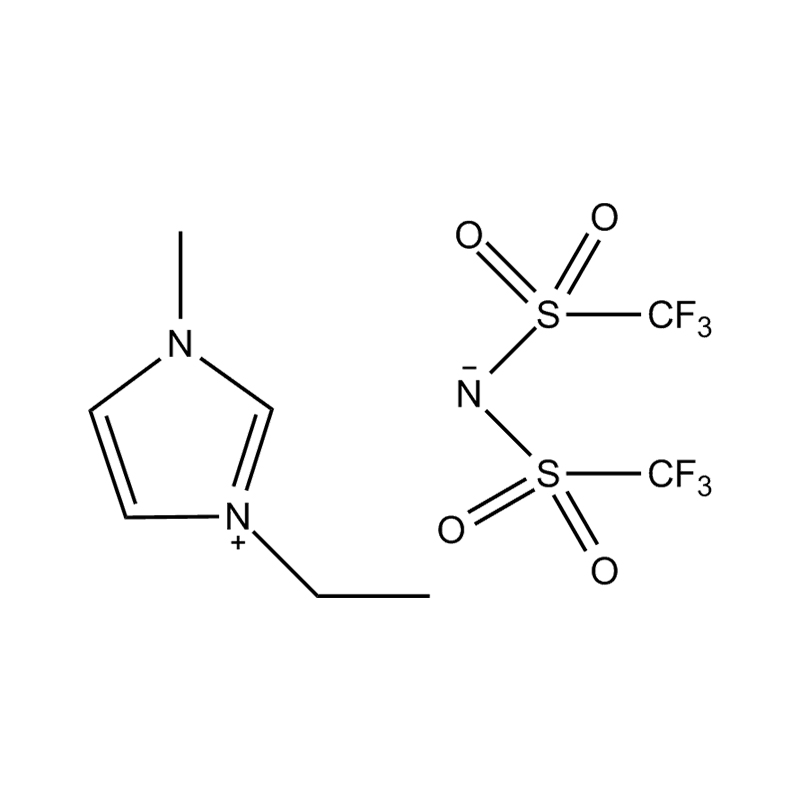
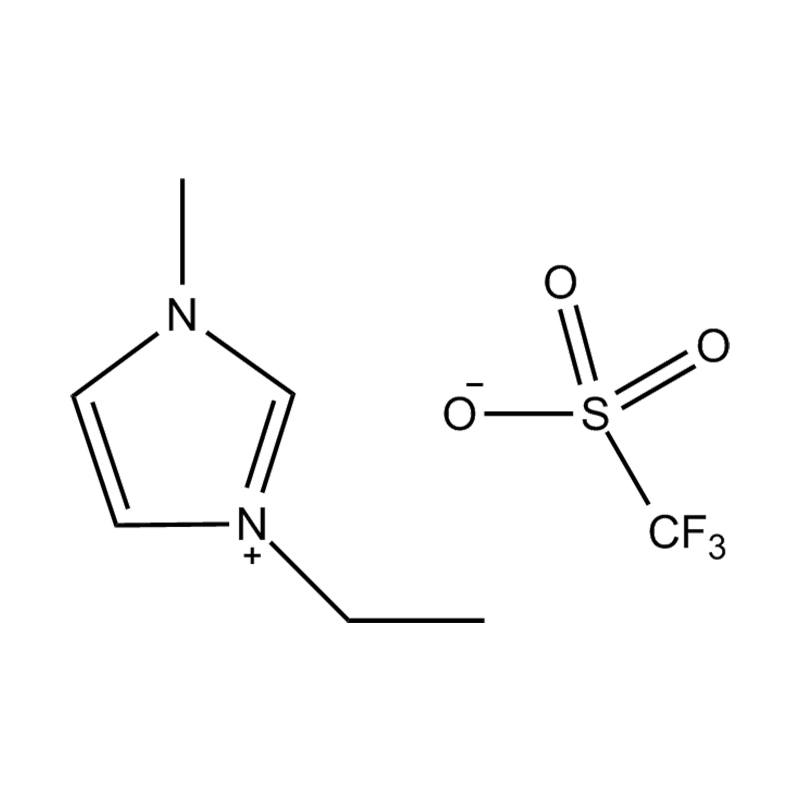
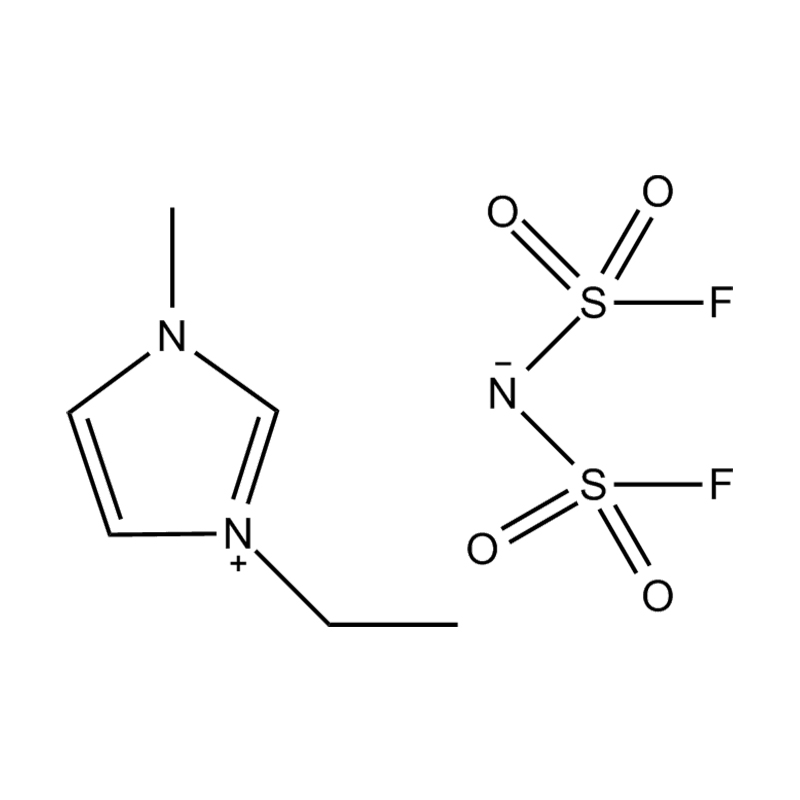
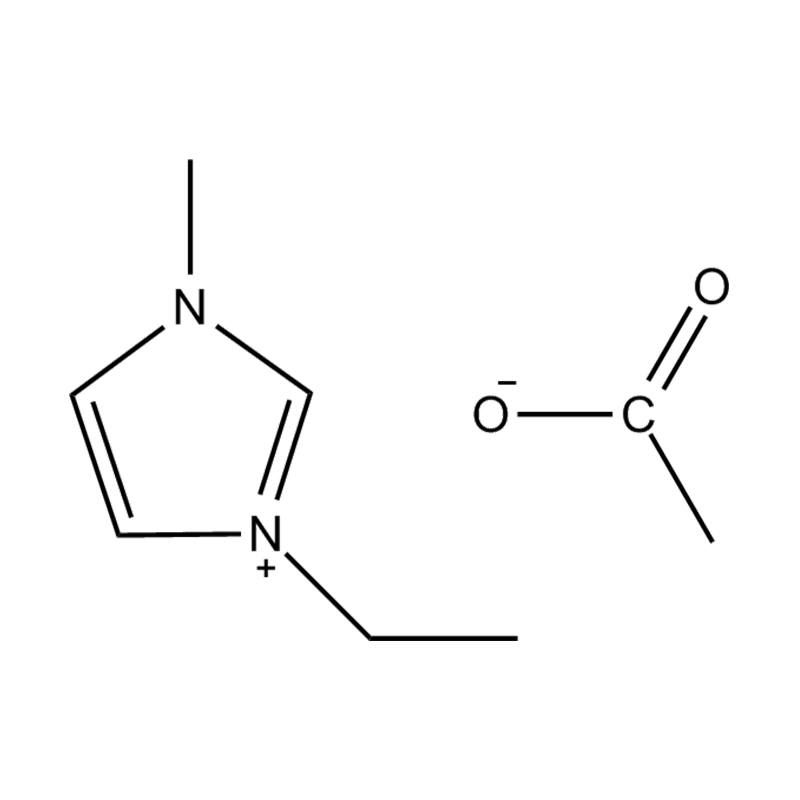
- Ionic liquid antistatic agents - Room-temperature ionic liquids offering non-volatile, highly conductive alternatives to conventional ionic surfactants, providing humidity-independent performance and thermal stability exceeding 300°C suitable for high-temperature tape processing applications.
- Hybrid organic-inorganic systems - Combinations of conductive metal oxide nanoparticles with organic antistatic agents creating synergistic effects, reducing required loading levels while providing tunable conductivity ranges and improved durability compared to single-component systems.
- Stimuli-responsive antistatic coatings - Smart materials that adjust conductivity in response to humidity, temperature, or mechanical stress, optimizing antistatic performance for varying environmental conditions while minimizing energy dissipation and electromagnetic interference in sensitive applications.
- Atmospheric plasma functionalization - Gas-phase plasma polymerization depositing ultra-thin conductive polymer layers with precisely controlled thickness and conductivity, enabling antistatic functionality without bulk additive incorporation and preserving substrate optical and mechanical properties.
Artificial intelligence and machine learning applications in antistatic agent development accelerate formulation optimization through predictive modeling of structure-property relationships. Computational chemistry simulations predict antistatic agent compatibility with specific polymer matrices, migration behavior, and electrical properties before expensive experimental trials, reducing development time from months to weeks. Machine learning algorithms trained on historical performance data identify optimal formulation parameters for new applications, suggesting additive types, concentrations, and processing conditions likely to meet target specifications. These digital tools enable rapid customization of antistatic tape formulations addressing unique customer requirements while minimizing development costs and material waste associated with traditional trial-and-error approaches.