
 English
 Deutsch
 Español
 中文简体
中文简体



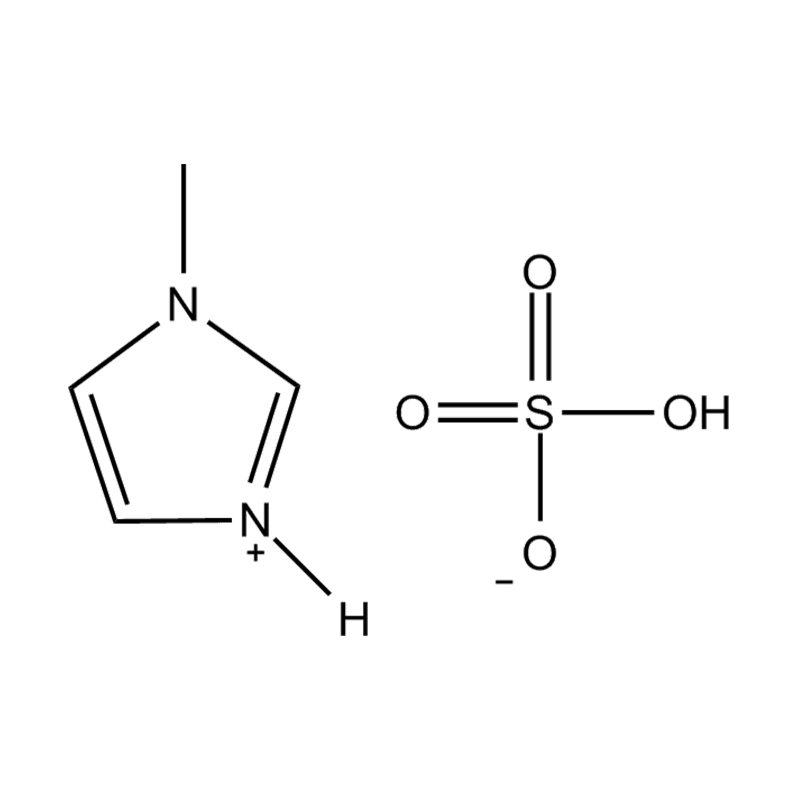
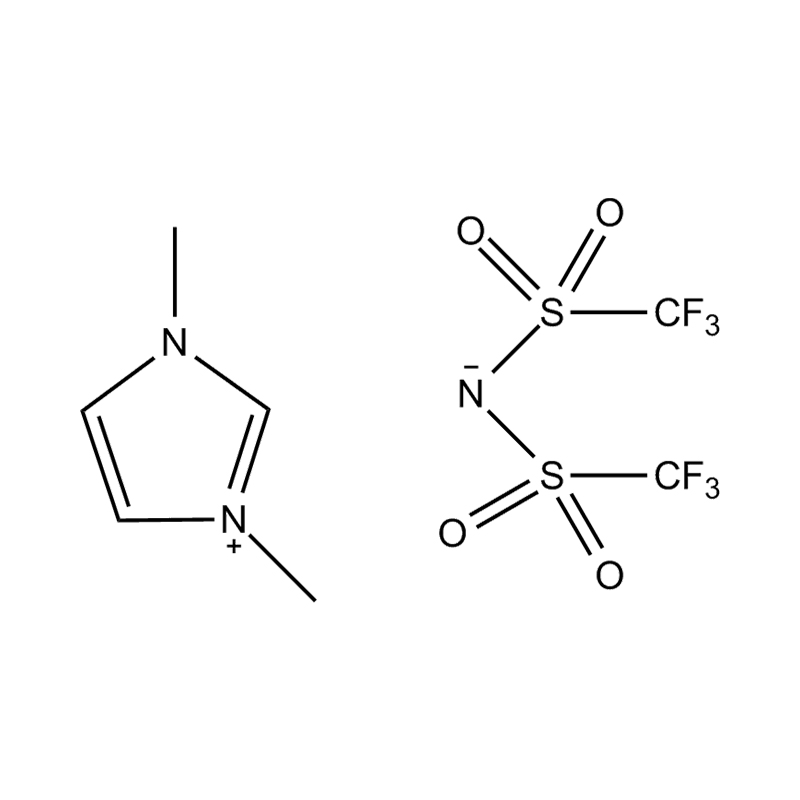
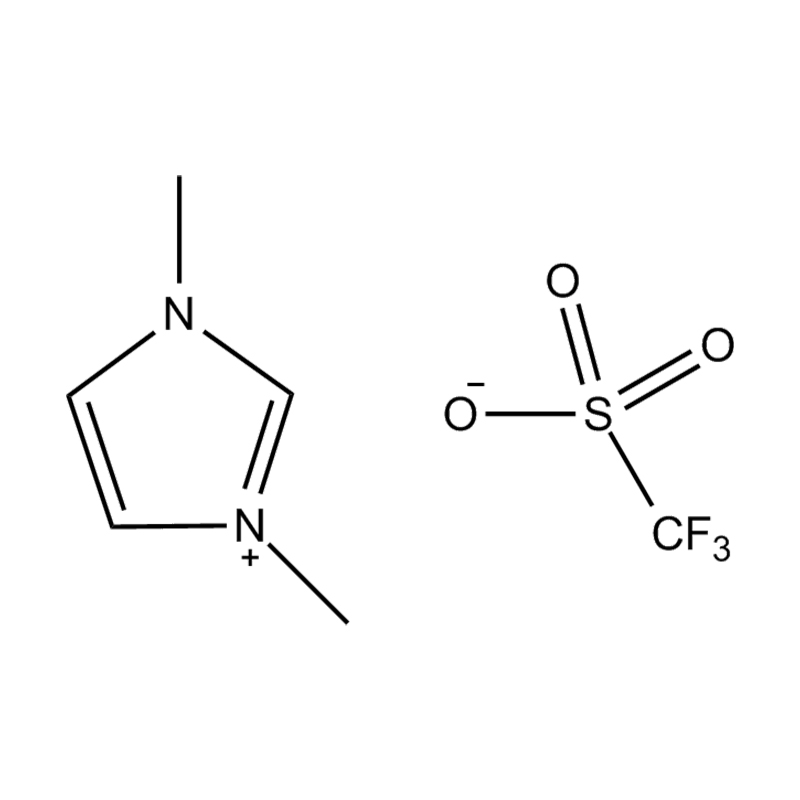
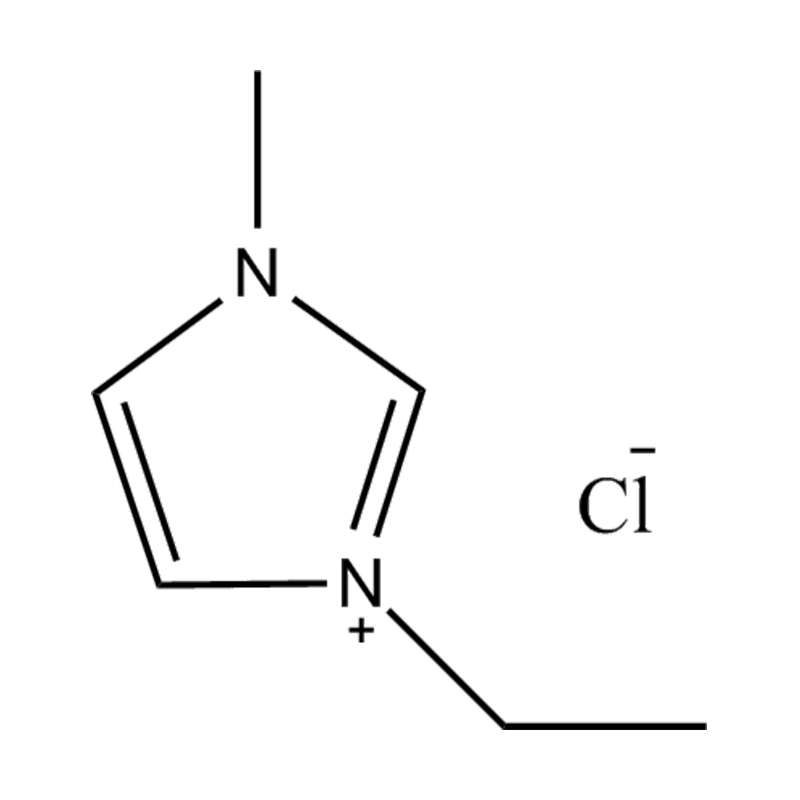
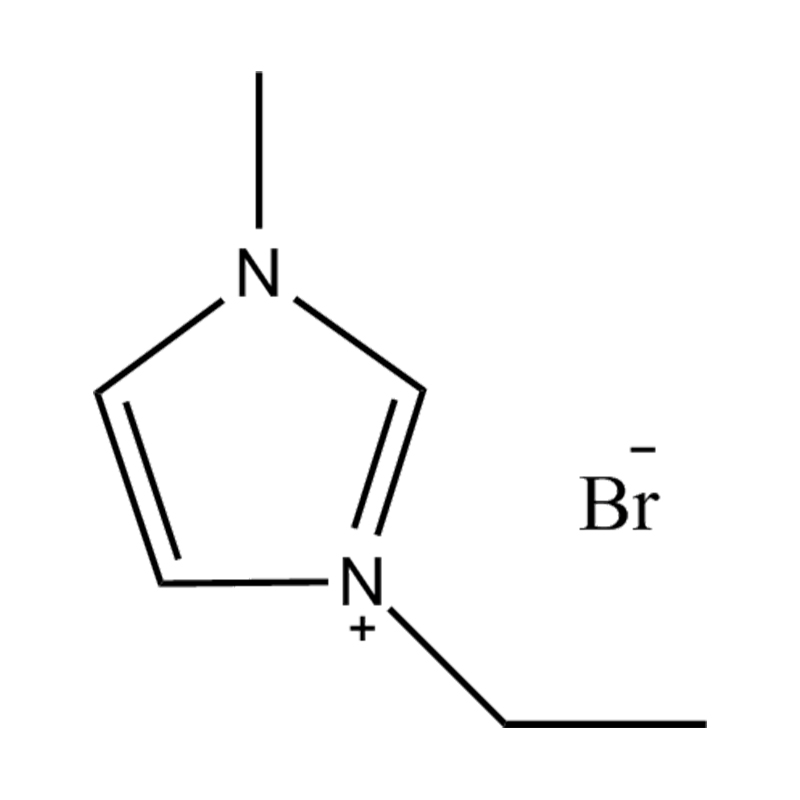
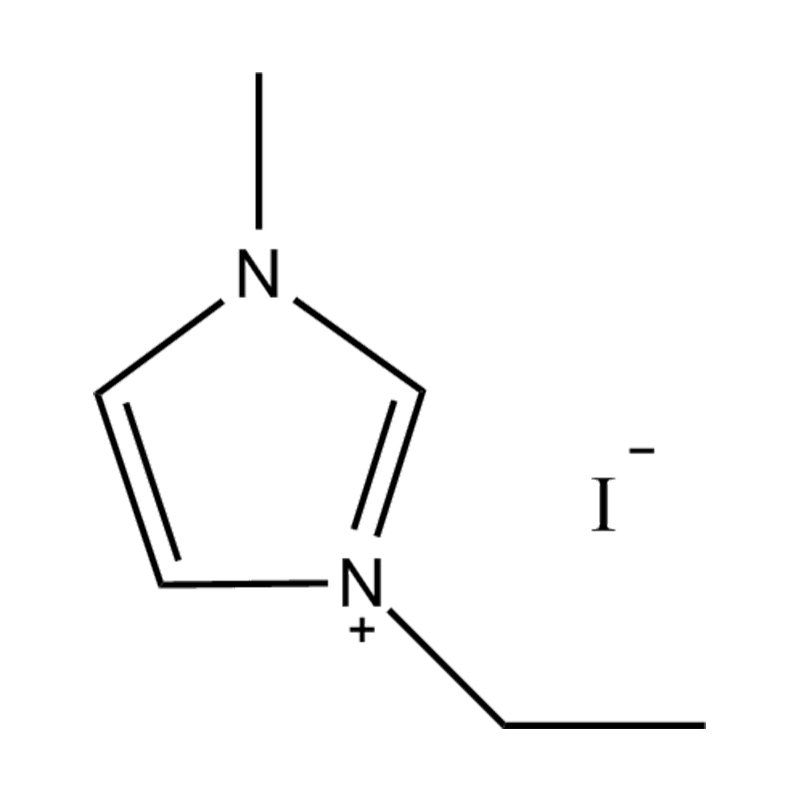
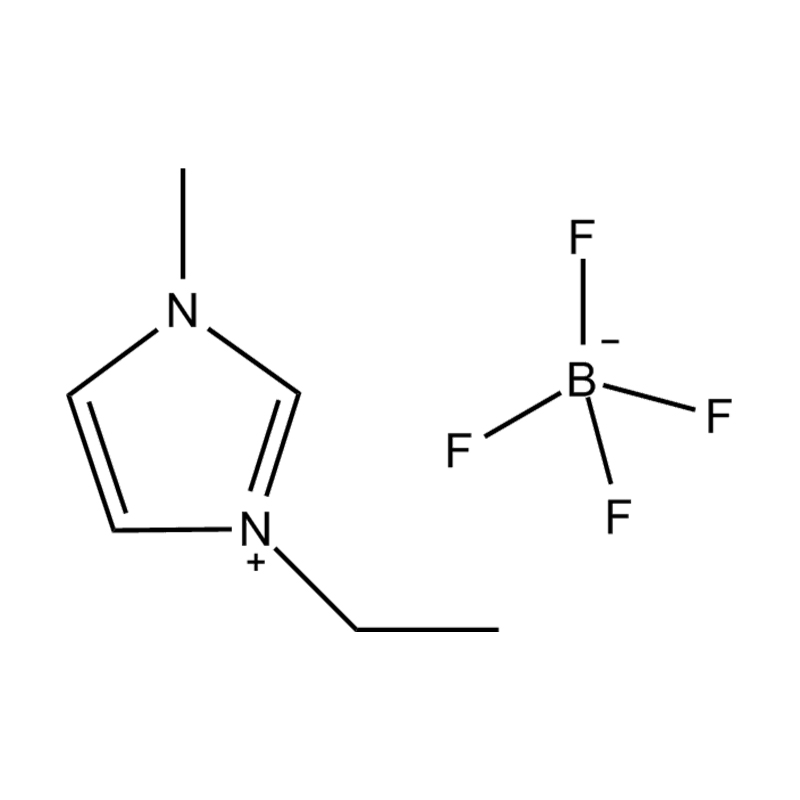
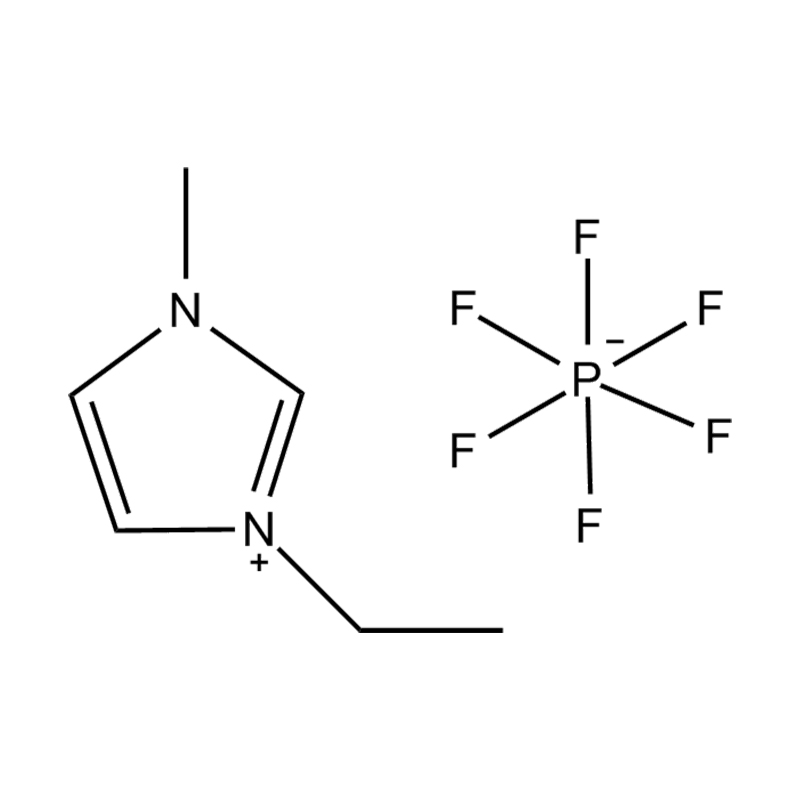
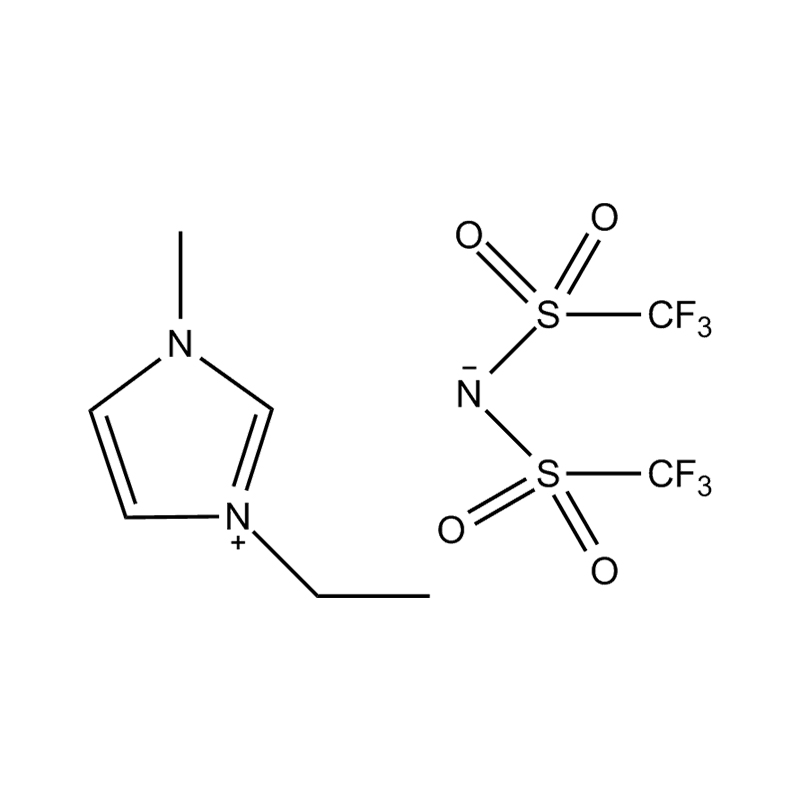
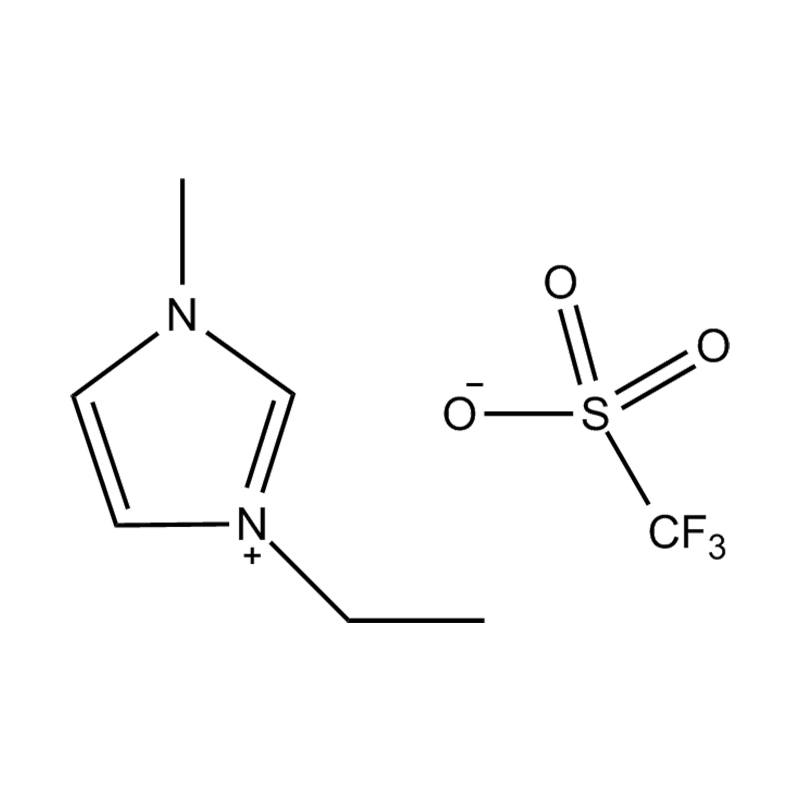
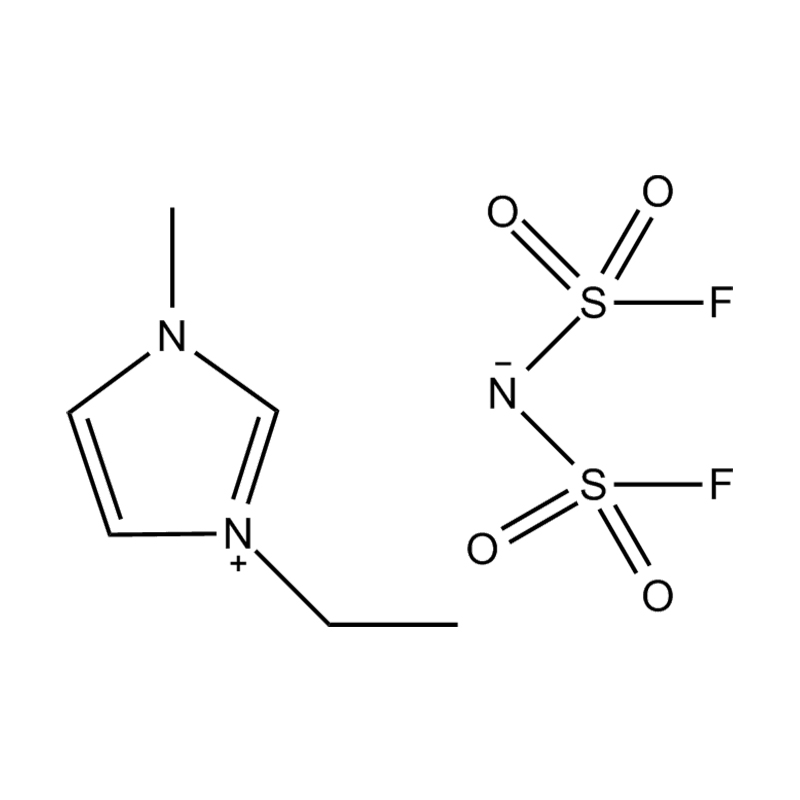
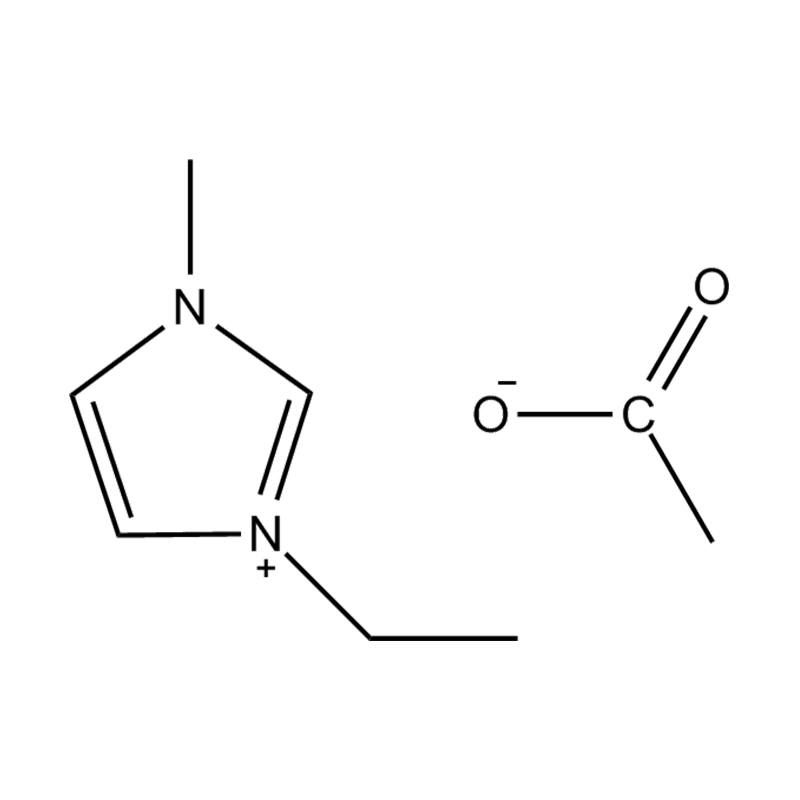
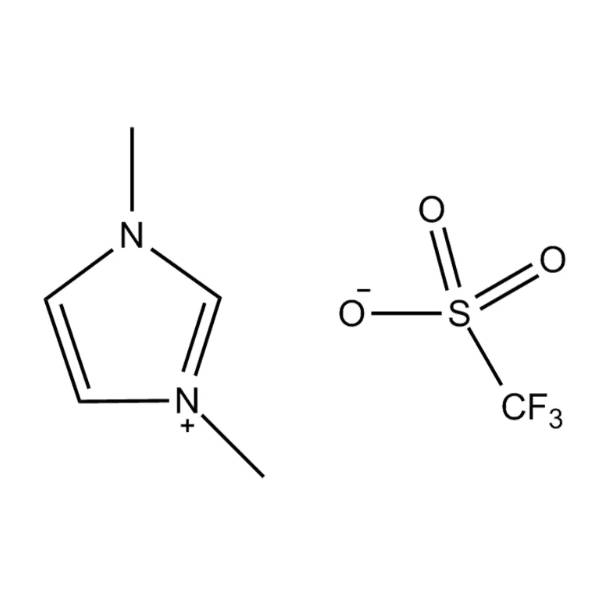
Disubstituted imidazole ionic liquids (ILs) are a specialized class of ionic liquids where the imidazole ring is substituted at two positions with functional groups. These modifications significantly influence their physicochemical properties, making them highly versatile for applications in catalysis, electrochemistry, green chemistry, and materials science. Understanding these properties is crucial for researchers and engineers looking to leverage the performance of these ionic liquids in various chemical and industrial processes.
Content
1. Viscosity
Viscosity is a key parameter that affects the flow behavior, mass transfer, and process efficiency of ionic liquids. Disubstituted imidazole ILs typically exhibit:
- Moderate to high viscosity compared to monosubstituted or simple imidazolium ionic liquids due to increased molecular interactions from additional substituents.
- Tunable viscosity: By carefully selecting the type and size of substituents, the viscosity can be adjusted for specific applications, such as catalysis or solvent systems.
- Temperature dependence: Viscosity decreases with increasing temperature, facilitating easier handling and improved mass transfer at elevated temperatures.
This tunable viscosity allows disubstituted imidazole ILs to be used as solvents, electrolytes, or reaction media where controlled flow and diffusion rates are critical.
2. Thermal Stability
Thermal stability is a defining property that determines the operational temperature range of ionic liquids:
- Enhanced thermal stability: Disubstituted imidazole ILs generally withstand temperatures up to 300–400°C without significant decomposition, depending on the substituents and anion type.
- Resistance to degradation: The additional substituents can provide steric hindrance and stabilize the imidazole ring, reducing the likelihood of thermal breakdown.
- Application advantage: High thermal stability makes these ILs suitable for high-temperature reactions, electrochemical devices, and industrial processes where conventional organic solvents would evaporate or decompose.
3. Ionic Conductivity
Ionic conductivity is critical for applications in electrochemistry, batteries, and supercapacitors:
- Moderate to high ionic conductivity: Disubstituted imidazole ILs allow effective ion mobility, with conductivity values influenced by the size, symmetry, and polarity of the substituents.
- Cation-anion interactions: The substituents modify the electrostatic interactions, impacting the dissociation of ions and, consequently, the overall conductivity.
- Temperature and viscosity effects: Conductivity improves at higher temperatures due to decreased viscosity and enhanced ion mobility.
These properties enable disubstituted imidazole ILs to serve as electrolytes in energy storage devices, electroplating, and electrochemical synthesis.
4. Solubility and Polarity
The presence of two substituents on the imidazole ring alters solubility and polarity characteristics:
- Enhanced solubility: Depending on the functional groups, these ILs can dissolve a wide range of organic, inorganic, and polymeric substances.
- Adjustable polarity: Substituents can increase or decrease the overall polarity of the ionic liquid, tailoring it for specific solvents or reaction media.
- Compatibility with catalysts: The solubility profile allows disubstituted imidazole ILs to support homogeneous catalysis and stabilize metal complexes.
5. Miscellaneous Physicochemical Properties
Additional properties influenced by disubstitution include:
- Hydrophobicity or hydrophilicity: Substituents can shift the ionic liquid from water-soluble to water-immiscible, enabling selective solvent systems.
- Density and surface tension: Modifications to the imidazole ring affect packing and intermolecular interactions, influencing density and interfacial behavior.
- Electrochemical window: Disubstituted ILs often exhibit wider electrochemical windows, enabling their use in high-voltage electrochemical applications.
6. Practical Implications
The unique physicochemical properties of disubstituted imidazole ionic liquids make them suitable for a variety of applications:
- Green solvents: Their thermal stability, low volatility, and tunable polarity allow them to replace volatile organic solvents in environmentally friendly processes.
- Electrolytes: High ionic conductivity and wide electrochemical windows make them ideal for batteries, fuel cells, and supercapacitors.
- Catalysis: Tunable solubility and viscosity optimize reaction conditions and improve catalyst efficiency.
- Materials synthesis: Stabilization of nanoparticles and polymers in ionic liquids is facilitated by tailored cation-anion interactions.
Conclusion
Disubstituted imidazole ionic liquids exhibit a combination of tunable viscosity, high thermal stability, excellent ionic conductivity, and adjustable solubility, making them versatile tools in modern chemistry and engineering. By selecting appropriate substituents and counterions, researchers can design ionic liquids that meet specific requirements for green chemistry, electrochemistry, catalysis, and materials science. Their unique physicochemical properties not only enhance process efficiency but also contribute to the development of more sustainable and high-performance chemical systems.