
 English
 Deutsch
 Español
 中文简体
中文简体



Content
- 1 Introduction to Lithium Battery Solid-State Electrolytes
- 2 Key Advantages of Solid-State Electrolytes
- 3 Types of Solid-State Electrolytes
- 4 Challenges in Implementing Solid-State Electrolytes
- 5 Applications of Lithium Battery Solid-State Electrolytes
- 6 Future Trends in Solid-State Electrolytes
- 7 Conclusion
Introduction to Lithium Battery Solid-State Electrolytes
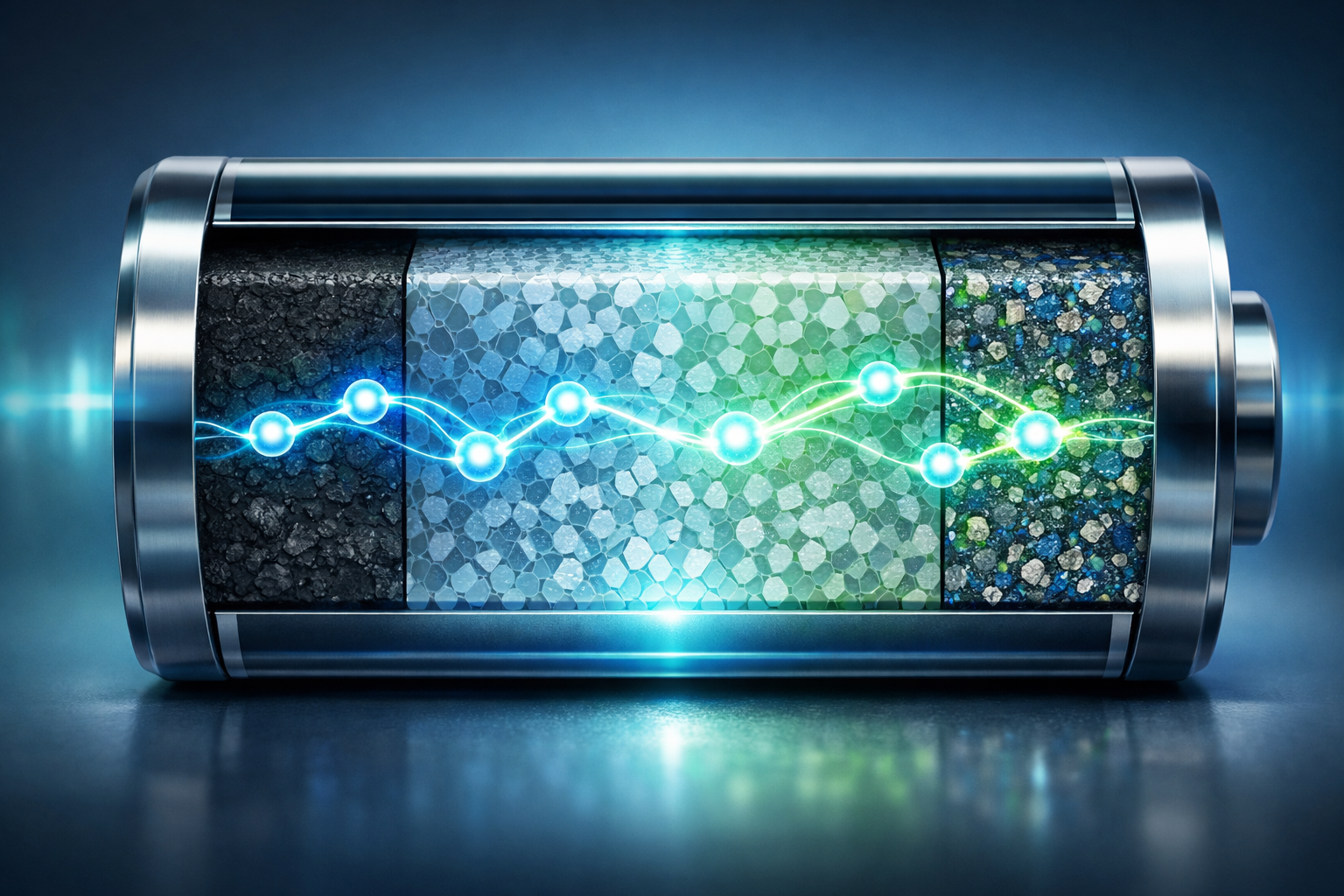
Lithium battery solid-state electrolytes (SSEs) are advanced materials that replace conventional liquid electrolytes in lithium-ion batteries. By using a solid medium for ion conduction, SSEs provide improved safety, stability, and energy density. Their unique structure allows for the development of next-generation batteries suitable for electric vehicles, portable electronics, and large-scale energy storage systems.
Key Advantages of Solid-State Electrolytes
Solid-state electrolytes offer multiple benefits over traditional liquid electrolytes, directly impacting battery performance and longevity. Some of the primary advantages include:
- Enhanced Safety: SSEs eliminate the risk of leakage and flammability associated with liquid electrolytes, reducing thermal runaway and fire hazards.
- Higher Energy Density: Solid electrolytes enable the use of lithium metal anodes, which increases the overall energy density of the battery.
- Improved Stability: SSEs are more chemically and thermally stable, resisting degradation over repeated charge and discharge cycles.
- Extended Cycle Life: By minimizing dendrite formation, solid-state electrolytes prolong battery life and maintain consistent performance.
- Wide Temperature Range: Many SSEs operate effectively across a broader temperature range, supporting both cold-start applications and high-temperature conditions.
Types of Solid-State Electrolytes
Solid-state electrolytes can be categorized based on their material composition. Each type offers distinct properties and applications:
| Electrolyte Type | Key Properties | Typical Applications |
| Ceramic SSEs | High ionic conductivity, excellent thermal stability, brittle | Electric vehicles, high-performance batteries |
| Polymer SSEs | Flexible, good interface contact, moderate conductivity | Portable electronics, flexible batteries |
| Composite SSEs | Combines ceramic and polymer benefits, balanced conductivity and flexibility | Next-generation EV batteries, large-scale energy storage |
Challenges in Implementing Solid-State Electrolytes
Despite their advantages, solid-state electrolytes face several technical and manufacturing challenges:
- Interface Resistance: Achieving stable contact between electrodes and SSEs is difficult, often increasing internal resistance.
- Brittleness: Ceramic electrolytes can fracture under mechanical stress, limiting design flexibility.
- Cost and Scalability: Advanced SSEs require complex synthesis methods, which can increase production costs.
- Ionic Conductivity: Some SSEs have lower conductivity than liquid electrolytes, which may affect high-current performance.
Applications of Lithium Battery Solid-State Electrolytes
Solid-state electrolytes are increasingly used across various industries due to their safety and performance advantages:
- Electric Vehicles: High energy density and safety improvements support longer ranges and faster charging.
- Consumer Electronics: Flexible and thin SSEs enable safer and more durable batteries for smartphones, laptops, and wearables.
- Grid Storage: Stability and long cycle life make SSEs suitable for large-scale renewable energy storage systems.
- Medical Devices: Solid electrolytes reduce leakage risk and enhance reliability in critical applications such as implantable devices.
Future Trends in Solid-State Electrolytes
Research and development continue to advance SSE technology, focusing on increasing ionic conductivity, reducing manufacturing costs, and improving mechanical flexibility. Emerging trends include hybrid composites that combine ceramic and polymer advantages, thin-film SSEs for miniaturized electronics, and scalable manufacturing processes for electric vehicle batteries. These innovations are expected to accelerate the adoption of solid-state lithium batteries in mainstream markets.
Conclusion
Lithium battery solid-state electrolytes offer a transformative approach to energy storage by enhancing safety, energy density, and battery longevity. Despite current technical challenges, advances in material science and manufacturing methods are making SSEs increasingly viable for applications ranging from electric vehicles to consumer electronics and grid storage. Understanding their properties and benefits is crucial for engineers, manufacturers, and researchers aiming to develop next-generation lithium batteries.